
Florida, often affectionately known as the Sunshine State, beckons with its vibrant cities, pristine beaches, and world-renowned attractions. From the magical theme parks of Orlando to the historic streets of St. Augustine and the tropical allure of the Florida Keys, this diverse state offers an unparalleled array of experiences for every type of traveler and resident. To truly unlock the freedom to explore Florida’s wonders at your own pace, securing a driver’s permit is an essential first step. It’s more than just a piece of identification; it’s your ticket to spontaneous road trips, hidden local gems, and the independent lifestyle many dream of when moving to or visiting this captivating region.
Whether you’re a new resident eager to immerse yourself in the local culture, a student planning adventures with friends, or simply someone looking to enhance their travel flexibility, understanding the process of obtaining a driver’s permit in Florida is crucial. This comprehensive guide will walk you through every step, ensuring you’re well-prepared to navigate the requirements and hit the road with confidence. We’ll delve into the necessary documents, outline the critical tests, and offer insights into how this permit will revolutionize your ability to experience all that Florida has to offer, from luxurious beachfront resorts to budget-friendly accommodations nestled near breathtaking natural landmarks.
Navigating the Sunshine State: Why a Driver’s Permit is Your Key to Florida’s Wonders
Imagine the freedom of driving down scenic coastal highways, windows down, salty air filling the car, on your way to a secluded beach or a charming seaside town. Picture the ease of visiting multiple theme parks in Orlando over a few days, without relying on costly shuttles or rigid public transport schedules. This is the promise of a driver’s permit in Florida. For anyone planning extended stays, a move, or even just an immersive, self-guided tour of the state, a permit is invaluable. It grants the independence to tailor your itinerary, discover off-the-beaten-path attractions, and truly live the Florida lifestyle.
From a travel perspective, a driver’s permit is the foundation for exploring Florida’s vast and varied landscape. It enables you to compare different accommodation options, from a boutique hotel in Miami’s Art Deco District to a serene villa near the Everglades National Park, choosing what best suits your itinerary and budget. It supports the tourism industry by allowing visitors to reach less accessible but equally rewarding destinations, boosting local economies beyond the major tourist hubs. For residents, it’s the gateway to professional opportunities, daily commutes, and simply enjoying the convenience of modern life in a state designed for driving. In essence, your driver’s permit is the first vital step towards experiencing Florida on your own terms, maximizing every travel adventure and everyday convenience.
Essential Steps to Secure Your Florida Driver’s Permit
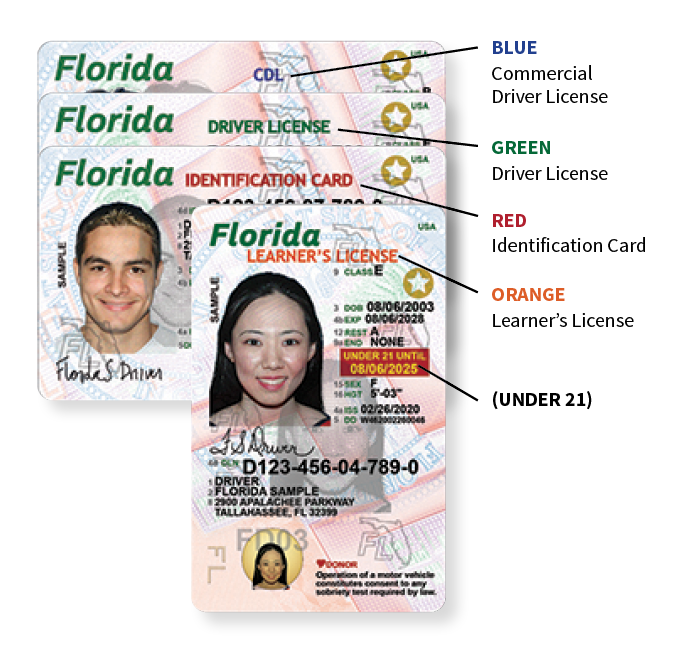
The journey to obtaining your Florida driver’s permit, officially known as a Class E Learner’s License, involves a few distinct stages. While it might seem daunting at first, breaking it down into manageable steps makes the process clear and achievable. Understanding each requirement thoroughly will not only expedite your application but also prepare you for responsible driving.
Meeting the Eligibility Criteria
Before you even begin gathering documents, it’s important to confirm you meet the basic eligibility requirements set by the Florida Department of Highway Safety and Motor Vehicles (FLHSMV).
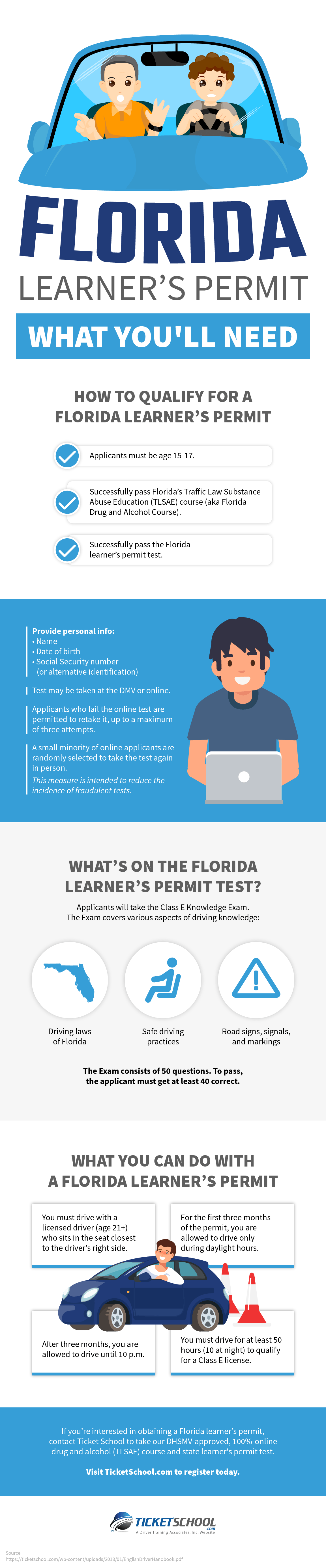
- Age Requirement: You must be at least 15 years old to apply for a Class E Learner’s License. This age allows young adults to begin their driving journey under supervision, preparing them for full licensure and the independence it brings.
- Residency: You must be a legal resident of Florida. This is established by providing specific documents that prove your address within the state. For those new to Florida or considering a move, understanding these residency proofs is key to settling in and enjoying the local lifestyle.
- Social Security Number: A valid Social Security Number (SSN) is generally required. If you do not have an SSN, specific alternative procedures might apply, so it’s best to check with the FLHSMV directly.
Gathering Your Indispensable Documents
This is perhaps the most crucial stage of the application process. Showing up at the FLHSMV office without all the necessary paperwork will inevitably lead to delays. The FLHSMV follows a strict “three-tier” system for documentation, requiring proof of identity, Social Security Number, and residential address.
-
Proof of Identity: You’ll need one primary document from a list provided by the FLHSMV. Common examples include:
- Certified U.S. birth certificate.
- Valid U.S. passport or passport card.
- Certificate of Naturalization.
- Valid alien registration card (Green Card).
- These documents confirm who you are, a fundamental step in ensuring secure and legitimate travel and residency within the state.
-
Proof of Social Security Number: You’ll need one document displaying your full SSN. Acceptable proofs include:
- Social Security card.
- W-2 form.
- Pay stub with your SSN.
- This ensures proper record-keeping and verifies your identity within governmental systems.
-
Proof of Residential Address: This category requires two different documents showing your current residential address in Florida. Examples include:
- Utility bills (water, electric, gas).
- Mail from financial institutions (bank statements, credit card statements).
- Rental agreements or mortgage statements.
- Official government mail (e.g., from the IRS, Florida Voter Registration Card).
- These documents are vital for establishing residency, a requirement that grounds you in the local community and is often necessary for various other aspects of the Florida lifestyle, from booking local accommodations to accessing services.
For applicants under 18, an additional parental consent form (Form HSMV 71142) must be completed and signed by a parent or legal guardian. If the parent/guardian is not present, the form must be notarized. This step ensures parental involvement in the minor’s journey towards driving independence.
Conquering the Required Courses and Tests
Once your documents are in order, the next hurdle involves demonstrating your knowledge and physical capabilities to drive safely.
-
Traffic Law and Substance Abuse Education (TLSAE) Course: This is a mandatory 4-hour course that covers Florida traffic laws, the dangers of drug and alcohol abuse while driving, and defensive driving techniques. It can be completed online or in a classroom setting through state-approved providers. This course is not just a formality; it instills the vital knowledge needed to navigate Florida’s roads safely, ensuring enjoyable and accident-free travels whether you’re heading to a resort or a national park. Many providers integrate travel scenarios into their teaching, making it relevant to the varied driving conditions you’ll encounter across the state.
-
Vision and Hearing Tests: These basic tests are administered directly at the FLHSMV office. You’ll need to demonstrate adequate vision (20/40 or better in each eye, with or without corrective lenses) and hearing to ensure you can safely perceive your surroundings and respond to auditory cues on the road. Good vision is paramount for appreciating Florida’s beautiful landscapes, from the turquoise waters of the Gulf Coast to the lush greenery of its natural preserves.
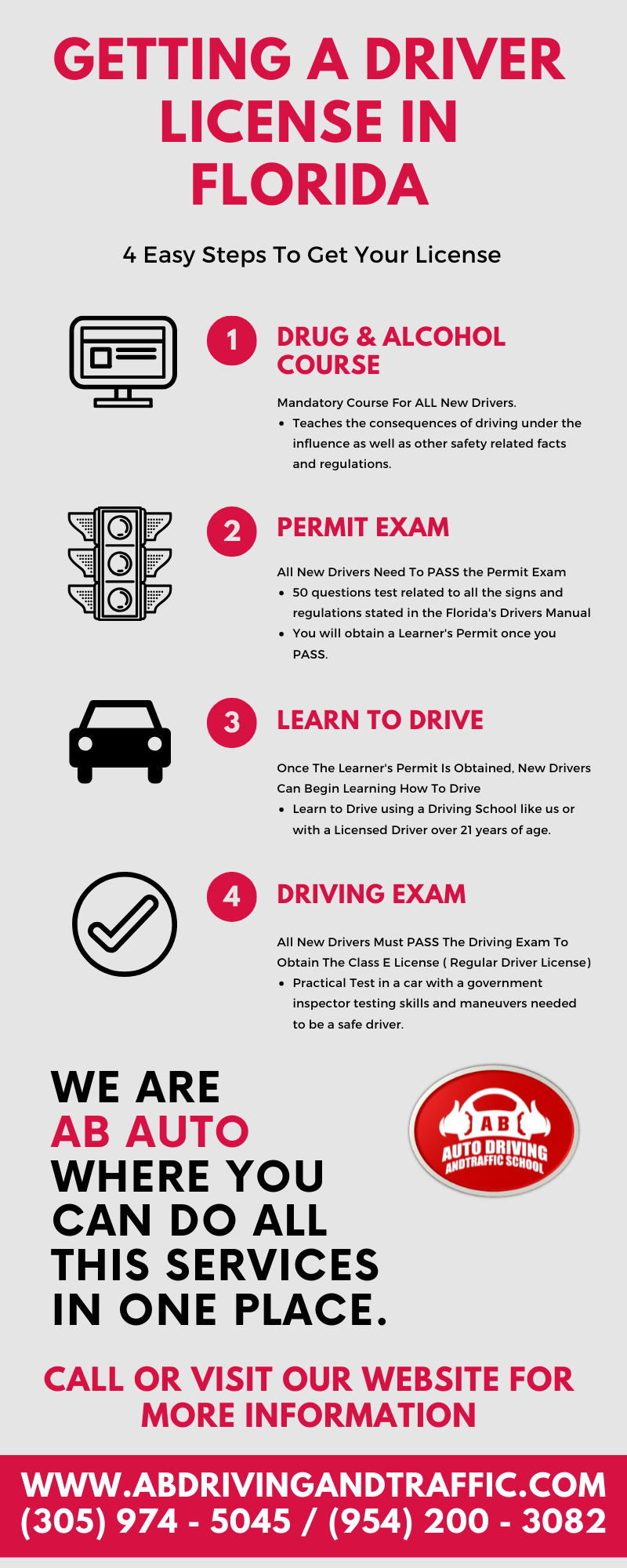
- Class E Knowledge Exam (Permit Test): This test consists of 50 multiple-choice questions covering traffic laws and road signs. You must answer at least 40 questions correctly (80%) to pass. The test can often be taken online through approved providers if you are under 18, or at the FLHSMV office. Thorough preparation using the official Florida Driver Handbook is highly recommended. This knowledge is fundamental for safe and efficient travel, allowing you to confidently navigate unfamiliar routes and busy tourist areas. Mastering these rules ensures a smooth and enjoyable journey as you explore local culture, food, and attractions.
The Application Process: Your Visit to the FLHSMV
With all your documents ready and tests passed, the final step before receiving your permit is to visit a FLHSMV service center.
It’s highly advisable to schedule an appointment online beforehand to minimize wait times. Walk-ins are often accommodated, but during peak tourist seasons or busy periods, wait times can be substantial, impacting your travel plans or daily schedule.
At the FLHSMV office, you will:
- Present all your required documents. Ensure they are original or certified copies.
- Have your photo taken for your learner’s license. This photo will be a part of your identification, essential for proving your identity during travel or any official interactions.
- Provide your thumbprint.
- Pay the required fee. The current fee for an initial Class E Learner’s License is typically around $48.00, though it’s always wise to check the official FLHSMV website for the most up-to-date pricing.
Once all steps are completed and approved, you will be issued a temporary learner’s license immediately. Your official laminated permit will then be mailed to your residential address within a few weeks. This temporary permit allows you to start supervised driving right away, opening up immediate opportunities for exploring your local area or preparing for a bigger adventure.
Embracing the Freedom: What Your Florida Permit Means for Travel and Lifestyle
Receiving your Florida driver’s permit marks a significant milestone, granting you a new level of independence. However, it’s crucial to understand the responsibilities and restrictions that come with a learner’s license before fully embracing the open road.
Understanding Driving Restrictions
The Class E Learner’s License is designed to allow new drivers to gain experience under supervision. Key restrictions include:
- Supervised Driving: You must always be accompanied by a licensed driver who is at least 21 years old and holds a valid Class E (or higher) driver’s license, occupying the front passenger seat. This supervision is invaluable for learning to navigate various road conditions, understanding traffic flow in bustling cities like Miami, and practicing safe driving techniques.
- Time Restrictions for Minors: For the first three months after issuance, you are only permitted to drive during daylight hours. After three months, you may drive until 10 p.m. These restrictions are in place to gradually introduce new drivers to different driving conditions, with reduced risk during nighttime hours.
- Practice is Paramount: The permit period is for learning. Take advantage of every opportunity to practice driving in various environments – city streets, highways, and different weather conditions. This practical experience is far more valuable than any textbook knowledge and prepares you for the diverse driving experiences Florida offers, from a leisurely drive along South Beach to navigating through theme park traffic.
The Road Ahead: From Permit to Full License
Your learner’s license is a stepping stone to a full, unrestricted Class E driver’s license.
- Minimum Holding Period: You must hold your learner’s license for at least 12 months without any traffic convictions.
- Driving Log: During this period, you must complete at least 50 hours of supervised driving, with 10 of those hours at night. This practice should be recorded on a log, which will need to be signed by your supervising driver.
- Scheduling the Driving Skills Test: Once you meet these requirements and are at least 16 years old, you can schedule your driving skills test at the FLHSMV. Passing this test will grant you a full Class E license, removing the supervision and time restrictions, and truly opening up the full spectrum of Florida travel and lifestyle opportunities.
Unlocking Florida’s Best: Travel and Tourism with Your Permit
Even with a learner’s permit, under proper supervision, the possibilities for exploring Florida become boundless. A car allows you to move beyond the confines of guided tours and truly experience local culture and attractions at your leisure.
- Theme Park Adventures: Drive to Orlando’s world-famous theme parks, such as the Walt Disney World Resort or Universal Orlando Resort. The convenience of having your own vehicle, even with a supervisor, allows for more flexible arrival and departure times, easier access to different park areas, and the freedom to choose accommodations that might be a short drive away, offering better value or unique amenities like a quiet villa rather than a bustling resort.
- Coastal Road Trips: Embark on breathtaking drives along the Florida Keys Overseas Highway, stopping at picturesque bridges, quaint towns, and hidden beaches. Explore the pristine white sands of the Gulf Coast, from Sarasota to Naples, discovering charming beachfront hotels or apartments that perfectly suit your travel style.
- City Explorations: Discover the vibrant nightlife and diverse culinary scene of Miami, from the historic architecture of its Art Deco District to the trendy restaurants of South Beach. Visit the ancient city of St. Augustine, exploring its Spanish colonial landmarks and unique local shops. A car provides the flexibility to hop between neighborhoods and experience the full spectrum of each city’s offerings.
- Natural Wonders: Journey to stunning natural landmarks like the Everglades National Park, where you can take an airboat tour and spot alligators, or the aquatic paradise of Biscayne National Park, perfect for snorkeling and kayaking. Having your own vehicle makes these natural escapes far more accessible, allowing you to plan your visit around optimal viewing times or less crowded periods.
- Accommodation and Lifestyle: With a permit, you gain independence to choose where you stay and how you live. Whether it’s a long-term apartment in a burgeoning city, a secluded villa for a luxurious getaway, or a budget-friendly hotel near a major attraction, driving opens up a world of accommodation choices previously constrained by public transport routes. This freedom also extends to everyday life – commuting to work or school, running errands, and pursuing hobbies becomes significantly easier, truly integrating you into the Florida lifestyle.
Insider Tips for a Smooth Journey to Your Florida Driver’s Permit
To make your permit application process as smooth and stress-free as possible, consider these additional tips:
- Preparation is Key: Do not underestimate the importance of studying the Florida Driver Handbook. Many online resources offer practice tests that simulate the actual Class E Knowledge Exam. Consistent study will build your confidence and increase your chances of passing on your first attempt.
- Double-Check Documents: Before heading to the FLHSMV, create a checklist and verify that you have all original or certified copies of your required documents. One missing document can mean a wasted trip and significant delays.
- Online TLSAE Course: Opting for an online Traffic Law and Substance Abuse Education course offers flexibility, allowing you to complete it at your own pace and schedule, fitting around your travel plans or daily commitments.
- Patience and Persistence: Sometimes, despite your best efforts, things can take longer than expected. Maintain a positive attitude, be patient with the process, and don’t hesitate to ask FLHSMV staff for clarification if you’re unsure about any step.
- Leverage Technology: Utilize the FLHSMV website for scheduling appointments, finding the nearest service center, and accessing official handbooks and forms. This can save you considerable time and effort.
Obtaining your driver’s permit in Florida is an empowering step towards greater independence and unrestricted exploration. By meticulously following these steps and preparing thoroughly, you’ll soon be on your way to experiencing the rich tapestry of destinations, attractions, and unique lifestyle opportunities that the Sunshine State proudly offers. Happy travels and safe driving!
LifeOutOfTheBox is a participant in the Amazon Services LLC Associates Program, an affiliate advertising program designed to provide a means for sites to earn advertising fees by advertising and linking to Amazon.com. Amazon, the Amazon logo, AmazonSupply, and the AmazonSupply logo are trademarks of Amazon.com, Inc. or its affiliates. As an Amazon Associate we earn affiliate commissions from qualifying purchases.