
Florida, often affectionately known as The Sunshine State, is a beacon for travelers, tourists, and entrepreneurs alike. Its vibrant culture, diverse landscapes, and year-round pleasant weather make it an unparalleled destination for everything from luxurious beach vacations to thrilling adventure tours. For those looking to tap into this thriving market, whether by investing in a vacation rental, operating a boutique hotel, or launching a unique tour experience, establishing a Limited Liability Company (LLC) is a strategic move. This guide delves into the specifics of forming an LLC in Florida, focusing on how this business structure can safeguard and elevate your ventures within the dynamic travel and hospitality sectors.
From the enchanting theme parks of Orlando to the Art Deco splendor of Miami’s South Beach, the tranquil shores of the Gulf Coast to the historic charm of St. Augustine, Florida’s appeal is undeniable. Its booming tourism industry, coupled with favorable business regulations, creates an ideal environment for growth. An LLC offers a blend of personal liability protection, tax flexibility, and operational simplicity that can be particularly advantageous for property owners, tour operators, and hospitality service providers. This guide will walk you through the essential steps and considerations, ensuring your foray into Florida’s exciting travel landscape is both secure and successful.
Why Choose an LLC for Your Florida Travel & Hospitality Venture?
The decision to form an LLC is more than just a bureaucratic step; it’s a foundational strategy for anyone serious about operating a business in Florida’s tourism or accommodation sectors. This business structure provides several key benefits that are especially pertinent to the unique challenges and opportunities within these industries.
Asset Protection for Your Sunshine State Investments
One of the most compelling reasons to form an LLC is the robust personal liability protection it offers. In the hospitality world, where interactions with guests, property maintenance, and service delivery carry inherent risks, this protection is invaluable. Imagine you own a charming villa in Naples that you rent out to vacationers, or perhaps you run a kayaking tour company in Key West. If a guest has an accident on your property, or a customer is injured during a tour, the LLC acts as a legal shield, separating your personal assets (your home, savings, personal investments) from your business liabilities. This means that creditors or plaintiffs typically cannot pursue your personal wealth to satisfy business debts or legal judgments. This peace of mind allows you to focus on delivering exceptional guest experiences without constant worry.
Moreover, if you are an investor looking to purchase multiple short-term rentals across different Florida cities like Sarasota or Fort Lauderdale, using separate LLCs for each property can provide an even greater layer of protection. This strategy, often referred to as “series LLC” (though Florida does not currently offer a statutory series LLC, a careful structuring can achieve similar separation), or simply using distinct LLCs, ensures that a liability issue at one property doesn’t jeopardize your other investments. This meticulous approach to asset protection is a cornerstone of smart business practices in the often litigious world of property ownership and guest services.
Tax Advantages and Operational Flexibility
An LLC provides remarkable flexibility when it comes to taxation. By default, the IRS treats an LLC as a “pass-through” entity, meaning the business’s profits and losses are passed through to the owners’ personal tax returns. This avoids the “double taxation” that corporations often face, where profits are taxed at the corporate level and again when distributed to shareholders. For sole owners of a bed & breakfast or a small travel agency, the LLC is taxed as a sole proprietorship. If there are multiple owners, it’s taxed as a partnership.
Furthermore, an LLC can elect to be taxed as an S corporation or a C corporation. Electing S corp status can be particularly beneficial for profitable travel and hospitality businesses, allowing owners to pay themselves a reasonable salary and take the remaining profits as distributions, which are not subject to self-employment taxes. This can lead to significant tax savings, especially as your business grows and your income increases from operating a chain of boutique hotels or managing a portfolio of luxury vacation villas along the Atlantic Coast. The operational flexibility extends to management as well; LLCs can be member-managed (owners run the business) or manager-managed (owners hire managers), adapting to the specific needs of your hospitality enterprise, whether it’s a hands-on family-run resort or an absentee-owned condo hotel.
Enhancing Your Brand and Credibility
Beyond legal and financial benefits, forming an LLC lends a professional aura to your business. Operating as “Florida Adventure Tours LLC” or “Miami Beach Rentals LLC” instantly conveys legitimacy and seriousness to potential guests, clients, and partners. In the highly competitive travel and hospitality sectors, trust and credibility are paramount. Guests are more likely to book with a professional entity than an individual, especially when dealing with significant expenditures like luxury accommodations or specialized travel packages.
This enhanced credibility can facilitate everything from opening a business bank account to securing commercial loans for expansion, forging partnerships with other local businesses in destinations like Amelia Island, and attracting talented staff. It also simplifies the process of establishing an online presence, registering with booking platforms like Airbnb, Vrbo, and Booking.com, and getting listed on review sites like TripAdvisor. A professional business structure signals reliability and commitment, which are crucial for success in an industry built on reputation and customer satisfaction.
Navigating the Steps to Form Your Florida LLC
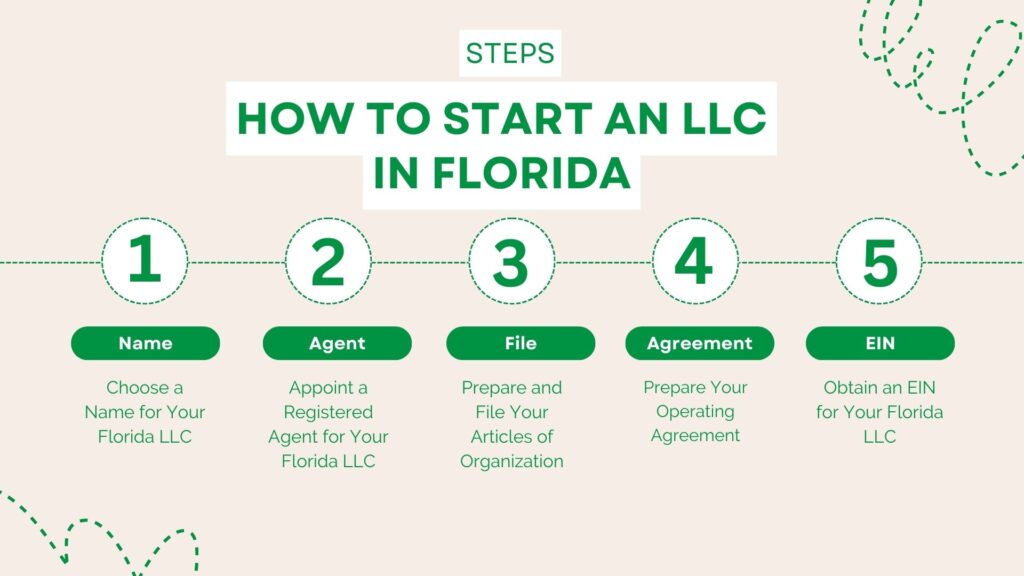
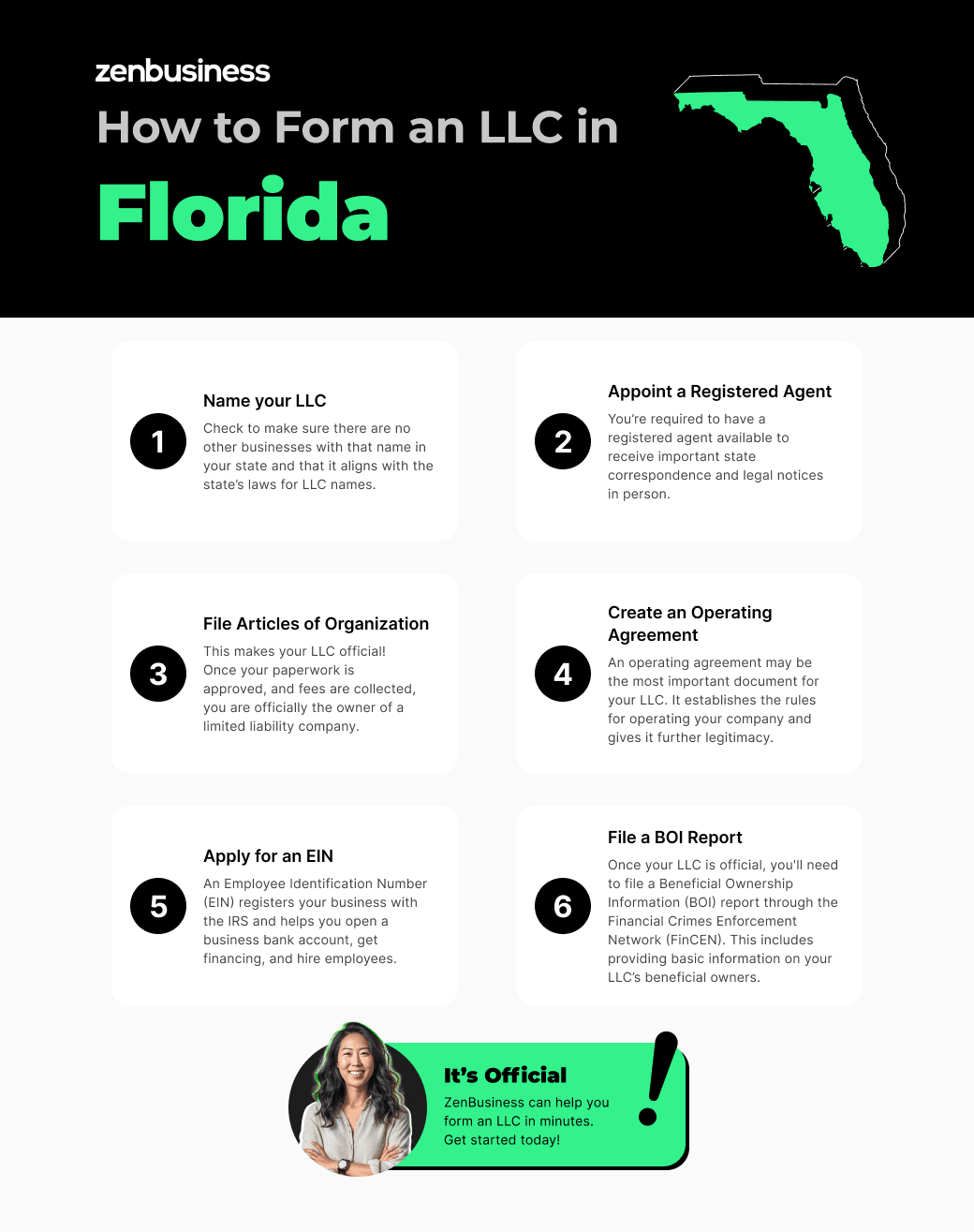
Establishing an LLC in Florida is a straightforward process, but meticulous attention to detail is required to ensure compliance with state regulations. For those eyeing opportunities in the booming travel and hospitality sectors, understanding each step is crucial for a smooth launch.
Choosing a Unique Name for Your Business
The first exciting step is selecting a name for your Florida LLC. This name should ideally reflect your business’s identity and appeal to your target clientele, whether you’re managing luxury suites in South Florida or organizing eco-tours near Everglades National Park. Your chosen name must be distinguishable from other registered entities in Florida and must include “Limited Liability Company,” “LLC,” or “L.L.C.” You can check for name availability on the Florida Department of State’s Division of Corporations website. It’s wise to select a few alternatives in case your first choice is already taken. For a travel-related business, consider names that evoke Florida’s unique charm, such as “Key Largo Reef Adventures LLC” or “Orlando Magic Stay LLC.” Don’t forget to also check for corresponding domain name and social media handle availability, as your online presence is vital for attracting modern travelers.
Appointing a Registered Agent
Every Florida LLC is legally required to appoint a Registered Agent. This individual or entity must have a physical street address in Florida (not a P.O. box) and be available during regular business hours to accept legal documents and state correspondence on behalf of your LLC. For out-of-state investors or digital nomads planning to operate their vacation rental business remotely, a registered agent service is an invaluable resource. These services ensure that you never miss important legal notices, maintaining your LLC’s good standing with the state, which is crucial for continued operation, especially if you manage multiple resorts or tour operations across different time zones. A reliable registered agent provides a layer of administrative convenience and legal compliance, allowing you to focus on the operational aspects of your hospitality venture.
Filing Your Articles of Organization with the Florida Department of State
The official formation of your LLC begins by filing the Articles of Organization with the Florida Department of State. This document is relatively simple and includes essential information such as your LLC’s name, principal address, mailing address, the name and address of your registered agent, and the names of the members or managers. While you can file this document yourself online, many entrepreneurs opt to use a professional service to ensure accuracy and promptness. Once filed and approved, the state will issue a Certificate of Status, officially recognizing your LLC. This step is the legal birth of your business, enabling you to begin operating your travel guide service or boutique hotel under the protective umbrella of an LLC.
Crafting an Operating Agreement
Although not legally required in Florida for single-member LLCs, an Operating Agreement is a critical document that outlines the ownership structure, management responsibilities, and operational procedures of your LLC. For multi-member LLCs, such as partners co-owning a luxury resort or a fleet of rental boats, it is absolutely essential. This agreement details how profits and losses will be allocated, how decisions will be made, what happens if a member leaves or wants to sell their share, and protocols for dispute resolution. A well-drafted Operating Agreement prevents future misunderstandings and legal disputes among members, providing a clear roadmap for your business’s governance. Think of it as the internal constitution for your travel or hospitality enterprise, ensuring smooth sailing even through unforeseen circumstances.
Obtaining an EIN from the IRS
An Employer Identification Number (EIN), also known as a Federal Tax Identification Number, is like a Social Security number for your business. It is required for LLCs that have more than one member, plan to hire employees (even if it’s just a part-time cleaner for your vacation rental or a seasonal tour guide), or elect to be taxed as a corporation. Even single-member LLCs that don’t employ others often obtain an EIN to simplify banking and build business credit. You can apply for an EIN for free directly through the IRS website. This number is essential for opening a business bank account, filing federal and state taxes, and applying for necessary licenses and permits, making it a pivotal step in your journey to become a legitimate player in Florida’s tourism economy, whether managing a motel in Kissimmee or an adventure park in Tampa.
Essential Considerations for Your Florida Hospitality LLC
Once your LLC is officially formed, the journey doesn’t end there. Operating a successful travel or hospitality business in Florida requires continuous attention to local regulations, industry-specific licensing, and effective market strategies.
Licensing and Permits for Tourist-Related Businesses
Florida has specific licensing requirements for various types of businesses, especially those in the hospitality and tourism sectors. Depending on your specific venture, you may need to obtain state, county, and city-level licenses. For instance, if you operate a hotel, motel, or vacation rental, you’ll likely need a public lodging establishment license from the Florida Department of Business and Professional Regulation (DBPR). Restaurants and food tours will require food service licenses. Tour operators might need specific permits depending on the nature of their tours, especially if they involve state parks, waterways, or protected areas.
It’s crucial to research the exact requirements for your specific business type and location within Florida. A business operating a fishing charter in Key West will have different needs than a historic walking tour company in St. Augustine or a luxury resort in Palm Beach. Utilizing resources from the Florida Department of State, local chambers of commerce, and the Small Business Administration (SBA) can help you navigate these often complex requirements, ensuring your LLC remains compliant and operational. Neglecting these permits can lead to hefty fines and even forced closure, jeopardizing your investment in The Sunshine State’s vibrant market.
Understanding Florida’s Vacation Rental Regulations
For those specifically entering the vacation rental market, Florida has a dynamic regulatory landscape that requires careful attention. While the state generally supports vacation rentals, many counties and municipalities have enacted local ordinances that govern their operation. These can include restrictions on minimum stay lengths, occupancy limits, noise regulations, and specific zoning requirements. For example, some areas in Miami Beach have strict rules regarding short-term rentals in residential zones, while others near Walt Disney World in Kissimmee are more permissive due to high tourist demand.
Additionally, Florida imposes sales tax and tourist development tax (also known as resort tax or bed tax) on vacation rental income. Your LLC will be responsible for collecting and remitting these taxes to the appropriate state and county authorities. Understanding these tax obligations and local zoning laws is paramount to avoid legal issues and ensure the profitability of your accommodation business. Consulting with a local real estate attorney or a specialized property management firm can provide invaluable guidance, helping your LLC operate smoothly within the specific nuances of Florida’s diverse rental markets, from the upscale resorts of Palm Beach to the family-friendly villas of Orlando.
Building Your Network and Marketing Your Venture
Beyond the legal and regulatory framework, the success of your Florida travel or hospitality LLC hinges on effective networking and marketing. Engage with local tourism boards, chambers of commerce, and industry associations. These connections can provide insights into local trends, partnership opportunities, and community support. For example, connecting with the Orlando Visitors Bureau if your LLC operates a guesthouse near Universal Studios can open doors to broader marketing campaigns.
Leverage the power of digital marketing to reach a global audience. Create a professional website, optimize it for search engines with relevant keywords like “luxury Florida resorts” or “affordable Key West tours,” and maintain an active presence on social media platforms showcasing the beauty and experiences your business offers. Utilize online travel agencies (OTAs) and review sites like TripAdvisor to manage your online reputation, responding promptly and professionally to guest feedback. Consider collaborating with local travel bloggers or influencers to showcase your unique offerings, whether it’s a culinary tour in Tampa or a serene spa retreat in Sarasota. By consistently promoting your LLC and fostering strong relationships within the industry, you can ensure sustained visibility and growth in Florida’s competitive yet rewarding travel and hospitality landscape.
Forming an LLC in Florida for your travel or hospitality venture is a strategic decision that offers substantial benefits, from personal asset protection and tax flexibility to enhanced credibility. While the process involves several distinct steps and ongoing compliance, the rewards of operating within The Sunshine State’s dynamic tourism economy are immense. By diligently navigating the formation process, understanding local regulations, and committing to effective marketing, your Florida LLC can thrive, allowing you to contribute to and benefit from one of the world’s most vibrant travel destinations. Whether you’re dreaming of a boutique resort on the Gulf Coast or a unique adventure experience in Central Florida, an LLC is your essential foundation for success.
LifeOutOfTheBox is a participant in the Amazon Services LLC Associates Program, an affiliate advertising program designed to provide a means for sites to earn advertising fees by advertising and linking to Amazon.com. Amazon, the Amazon logo, AmazonSupply, and the AmazonSupply logo are trademarks of Amazon.com, Inc. or its affiliates. As an Amazon Associate we earn affiliate commissions from qualifying purchases.