
Florida, the Sunshine State, beckons with its vibrant cities, pristine beaches, and endless opportunities for exploration and relaxation. Whether you’ve embraced the luxurious South Florida lifestyle, explored the family-friendly attractions of Orlando, or enjoyed the laid-back charm of the Florida Keys, circumstances often arise where selling a vehicle becomes a necessary step. Perhaps you’re relocating for a new adventure, upgrading to a car better suited for coastal drives, or simply optimizing your assets as you transition to a car-free urban existence in Miami or Tampa.
Selling a car in Florida isn’t just a transactional process; it’s often intertwined with significant lifestyle changes, travel plans, or accommodation adjustments. For visitors who enjoyed extended stays or digital nomads who called Florida home for a season, understanding the state-specific procedures is crucial for a smooth departure or transition. This comprehensive guide will walk you through the essential steps, regulations, and best practices for selling your vehicle in Florida, ensuring you can focus on your next journey or new chapter with peace of mind.

Navigating Florida’s Automotive Landscape: Essential Preparations and Regulations
Selling a car can be a straightforward process, but it requires careful attention to detail, especially regarding legal requirements. In Florida, the process is governed by the Florida Department of Highway Safety and Motor Vehicles (DHSMV), which sets the rules for vehicle titles, transfers, and registrations. Familiarizing yourself with these regulations before listing your car will save you time and prevent potential headaches.
Understanding Key Documentation and Legal Requirements
The bedrock of any car sale is proper documentation. Without the correct paperwork, a legal transfer of ownership simply cannot occur. The primary document you’ll need is the vehicle’s title.
- Vehicle Title (Certificate of Title): This is the ultimate proof of ownership. Ensure your title is free of any liens. If you financed your car and haven’t fully paid off the loan, the lienholder (typically a bank or credit union) will hold the title or be listed on it. You will need to obtain a lien satisfaction from them once the loan is paid off. The title must be accurately filled out, showing the seller’s signature and the buyer’s information. Any errors can lead to delays at the DHSMV office.
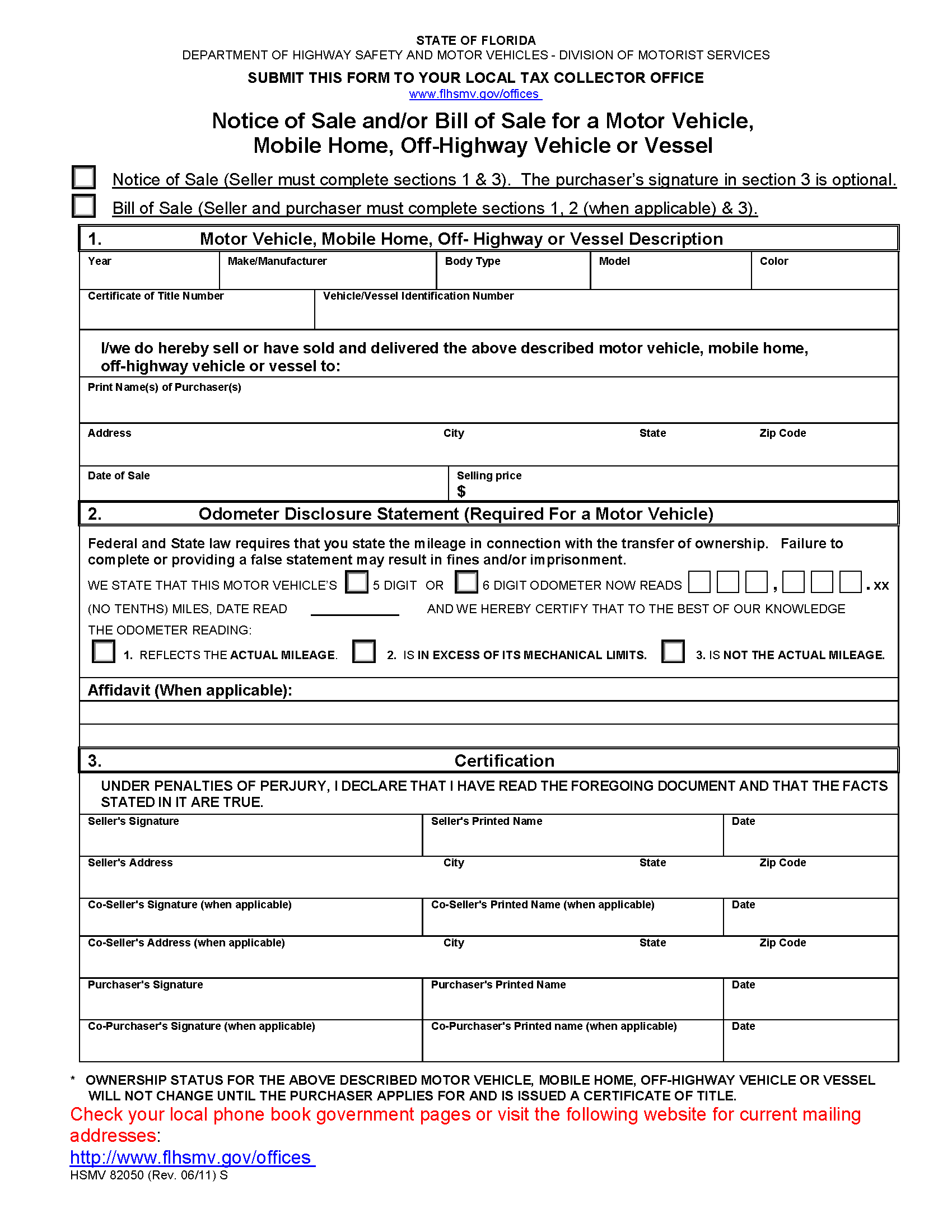
- Odometer Disclosure: Federal and state laws require sellers to disclose the vehicle’s odometer reading. This is usually done directly on the title certificate or a separate DHSMV form. It’s crucial that this reading is accurate, as misrepresentation can lead to legal penalties.
- Bill of Sale: While not strictly required by Florida law for a title transfer, a Bill of Sale is highly recommended for both buyer and seller. This document provides a written record of the transaction, including the sale price, date of sale, and identifying information for both parties and the vehicle. It serves as proof of the transaction and can protect both parties in case of future disputes. You can find generic templates online or through the DHSMV website.
- Lien Release: If there was a lien on the vehicle (e.g., from an auto loan), you must obtain a lien satisfaction or release from the lienholder. This document proves that the loan has been paid in full and the vehicle is free of any financial encumbrances. Without it, the buyer cannot obtain a clean title in their name.
Florida DHSMV Procedures: What Sellers Need to Know
The DHSMV outlines specific steps for vehicle sellers to ensure a lawful transfer of ownership and to protect themselves from liability for the vehicle once it’s sold.
- Signing Over the Title: When you find a buyer, you will sign over the title to them. This typically involves signing in designated areas for the seller(s) and filling in the buyer’s name and address, the sale date, and the selling price.
- Removing License Plates: In Florida, license plates belong to the seller, not the vehicle. You must remove your license plate(s) before handing over the car to the buyer. You can either transfer your plate to a new vehicle you purchase, or surrender it to a local DHSMV or tax collector’s office. Failure to do so could result in tolls or infractions associated with the old plate being attributed to you.
- Notice of Sale: This is a critical step for your protection. After selling your vehicle, you should file a “Notice of Sale” (Form HSMV 82050) with the DHSMV. This form formally notifies the state that you are no longer the owner of the vehicle. Filing this notice helps to remove your liability for any future accidents, parking tickets, or toll violations involving the car. It’s often referred to as a “release of liability” and should be completed as soon as possible after the sale. You can submit this form online or via mail.
Understanding these regulatory nuances ensures that your car-selling journey in Florida is as smooth as a drive down Ocean Drive in Miami Beach.
Preparing Your Vehicle for Sale: Maximizing Appeal in the Sunshine State
In a competitive market like Florida, where a diverse array of vehicles caters to varying lifestyles – from luxury cruisers for Palm Beach residents to robust SUVs for Everglades National Park adventurers – presentation is everything. Maximizing your car’s appeal can significantly impact its selling price and the speed of the sale.
Detailing and Minor Repairs: Showcasing Florida-Ready Quality
First impressions matter, and this is especially true for selling a car. A well-maintained and clean vehicle not only attracts more buyers but also justifies a higher asking price.
- Thorough Cleaning and Detailing: Consider a professional detailing service, or dedicate a weekend to a meticulous clean yourself. This involves washing, waxing, vacuuming, cleaning upholstery, and polishing interior surfaces. In Florida’s humid climate, mold and mildew can be issues, so ensure the interior smells fresh and clean. Pay attention to tires, wheel wells, and engine bay for a truly impressive look.
- Addressing Minor Cosmetic Flaws: Small dings, scratches, or faded paint can deter buyers. Consider touch-up paint for minor chips, paint correction for light scratches, or even a headlight restoration kit if your headlights appear foggy from sun exposure – a common issue in Florida. These minor fixes can drastically improve perceived value.
- Mechanical Check-up and Minor Repairs: While you don’t need to overhaul the engine, addressing small mechanical issues can prevent buyers from using them to negotiate a lower price. This includes replacing worn wiper blades (essential for Florida’s sudden rain showers), topping off fluids, ensuring all lights work, and checking tire pressure. If you have maintenance records, gather them. A car with a documented service history is a major selling point.
- Addressing “Florida-Specific” Wear: Due to the intense sun and heat, Florida cars often show wear on dashboards, seats, and exterior plastics. If feasible, address these issues. A sunshade or dash cover used regularly can be mentioned as proof of care.
Pricing Strategies: Tapping into Florida’s Diverse Market Dynamics
Setting the right price is a delicate balance. Price too high, and your car will sit; price too low, and you leave money on the table.
- Research the Market: Use online valuation tools like Kelley Blue Book, Edmunds, or NADA Guides, entering your specific vehicle details, mileage, and condition. These tools provide estimated trade-in, private party, and dealer retail values. Remember that Florida’s market might have regional variations – for example, convertibles might command a premium in Sarasota or Fort Lauderdale compared to, say, Tallahassee.
- Analyze Local Listings: Browse popular online marketplaces (e.g., Autotrader, CarGurus, Facebook Marketplace) for similar cars in your area. This will give you a real-time sense of the competitive landscape. Pay attention to how long similar vehicles have been listed and if prices have been adjusted.
- Consider Your Car’s Condition and Features: Be honest about your car’s condition. A car in excellent condition with low mileage and desirable features (like navigation, sunroof, or premium audio, often favored by those enjoying the Florida lifestyle) can fetch a higher price.
- Factor in Seasonality: While less pronounced than in colder climates, certain times of the year might see higher demand for specific vehicle types. For instance, families moving to Orlando for extended stays might be looking for larger, reliable vehicles before school starts.
- Leave Room for Negotiation: Most buyers expect to negotiate. Setting your initial price slightly above your absolute minimum allows for some wiggle room, making both you and the buyer feel like you got a fair deal.
By presenting a well-prepared vehicle and strategically pricing it, you increase your chances of a quick and profitable sale, leaving you more time and resources for your next Florida adventure or lifestyle pursuit.
Selecting Your Sales Channel: Private Sale vs. Dealership Convenience
Deciding where and how to sell your car in Florida significantly impacts the amount of effort required, the potential profit, and the speed of the transaction. Two primary avenues exist: a private sale or selling/trading in to a dealership. Each has distinct advantages and disadvantages, especially for those with busy travel schedules or specific lifestyle needs.
Private Sale: Maximizing Profit and Control
A private sale involves selling your car directly to another individual. This method generally yields the highest return, as you cut out the middleman (the dealership’s profit margin). However, it also requires more effort and time on your part.
- Advertising Your Car: Florida offers numerous platforms to reach potential buyers.
- Online Marketplaces: Websites like Autotrader, CarGurus, and Craigslist are popular, as are local Facebook Marketplace groups. When creating your listing, include high-quality photos (especially showing off the clean interior and exterior in Florida’s abundant sunshine), a detailed description of the car’s features, condition, mileage, and any recent maintenance. Mentioning its suitability for Florida driving – perhaps a convertible for the scenic coastal roads or an SUV for family trips to Walt Disney World – can attract specific buyers.
- Local Classifieds: Newspaper classifieds in cities like Jacksonville or St. Petersburg can still be effective, particularly for reaching older demographics.
- “For Sale” Sign: A simple “For Sale” sign with your contact information placed clearly on your car can attract local buyers, especially if you live in a high-traffic area.
- Communicating with Buyers: Be prepared to answer questions, send additional photos, and schedule test drives. Safety is paramount during test drives. Always meet in a public place, and ideally, have a friend accompany you. You can also take a photo of the potential buyer’s driver’s license before they drive off.
- Negotiation: Be ready to negotiate on price. Having done your market research will give you confidence in your asking price and help you determine your lowest acceptable offer.
- Paperwork: As discussed earlier, correctly filling out the title, completing a Bill of Sale, and filing the Notice of Sale are crucial steps to protect yourself.
A private sale is ideal for those who have the time and patience to manage the process and are looking to maximize their profit. It’s often chosen by individuals who are transitioning out of Florida after an extended stay, or those who are financially savvy and wish to put more money towards their next adventure or luxury experience.
Trading In or Selling to a Dealership: Convenience for Busy Lifestyles
For many, especially those with tight travel schedules, relocating, or simply preferring a hassle-free transaction, selling or trading in a car to a dealership is an attractive option.
- Simplicity and Speed: Dealerships offer the most convenient and quickest way to sell a car. You drive in, they appraise your vehicle, and you walk out with a check or credit towards a new purchase, often within hours. This is particularly appealing for busy professionals, frequent travelers, or those managing complex relocations.
- No Advertising or Negotiation with Private Buyers: You avoid the time and effort of creating listings, answering inquiries, scheduling test drives, and negotiating directly with numerous individuals. The dealership handles all subsequent marketing and sales.
- Tax Savings (Trade-in): In Florida, when you trade in your old vehicle toward the purchase of a new one, you only pay sales tax on the difference between the new car’s price and your trade-in value. This can result in significant savings, often making the slightly lower trade-in offer more financially advantageous than a private sale where you pay full sales tax on the new vehicle.
- Less Profit: The trade-off for convenience is usually a lower sale price compared to a private sale. Dealerships need to make a profit, so they will offer you less than the car’s market value to account for reconditioning costs, inventory holding, and their profit margin.
- Where to Go: You can approach new car dealerships (they often buy used cars of all makes) or dedicated used car dealerships. Many larger dealer groups in cities like Orlando, Miami, and Fort Myers have specific divisions for buying used vehicles outright. Online services like Carvana or Vroom also offer convenient remote appraisals and pickups, which can be useful if you’re already planning your exit from Florida.
Choosing between a private sale and a dealership depends on your priorities: maximum profit versus maximum convenience. For those embracing a transient lifestyle or needing to quickly liquidate an asset before embarking on an international trip or moving into an urban Florida apartment that doesn’t require a car, the dealership option often aligns better with their lifestyle.
Finalizing the Sale: Ensuring a Smooth Transition of Ownership
Once you’ve found a buyer and agreed on a price, the final steps of transferring ownership are critical to protect both parties and ensure legal compliance. This phase is about dotting the “i”s and crossing the “t”s, allowing you to move forward confidently with your post-car-sale plans, whether they involve enjoying the amenities of a luxury resort or embarking on a cross-country adventure.
The Transaction: Money and Title Exchange
The exchange of money and the vehicle’s title should be handled carefully to prevent fraud or disputes.
- Payment Method: For a private sale, cash is king as it’s immediate and undeniable. However, for larger sums, a cashier’s check from a reputable bank is a secure option. Avoid personal checks, as they can bounce. If using a cashier’s check, consider meeting at the buyer’s bank so you can verify the check’s authenticity with a teller. Digital payment apps are less common for large transactions due to limits and potential for chargebacks, but may be acceptable for smaller deposits if thoroughly vetted.
- Exchange Location: Always conduct the transaction in a safe, public place. Meeting at a local DHSMV office or a notary public is ideal, as they can oversee the title transfer and witness signatures, adding an extra layer of security. This is especially true if you’re in a busy tourist destination like Miami or Orlando where you might encounter buyers from various backgrounds.
- Title Endorsement: Carefully and accurately fill out the back of the Florida Certificate of Title. This includes:
- Your signature(s) as the seller(s).
- The buyer’s full legal name and address.
- The exact odometer reading at the time of sale.
- The date of sale.
- The sale price.
- Ensure all fields are legible and correct. Once signed and transferred, the title is the buyer’s responsibility to present to the DHSMV for a new registration.
- Bill of Sale (Again): Even if you’ve done this earlier, have a final Bill of Sale ready for both parties to sign at the time of payment and title exchange. This document serves as a receipt and proof of the terms of sale. It should include the vehicle’s VIN, make, model, year, sale price, date, and contact information for both buyer and seller. Each party should receive an original signed copy.
Post-Sale Responsibilities: Protecting Yourself from Liability
Your responsibilities don’t end the moment the buyer drives away. Several crucial post-sale steps are necessary to protect you from any legal or financial repercussions related to the vehicle.
- File Your Notice of Sale (Release of Liability): This is perhaps the most important step for the seller. As previously mentioned, file Form HSMV 82050, “Notice of Sale,” with the Florida DHSMV as quickly as possible. This notifies the state that you are no longer the owner and releases you from liability for parking tickets, traffic violations, or accidents that occur after the sale date. You can do this online through the DHSMV website, which is the fastest and most convenient method, especially if you’re preparing for immediate travel.
- Remove Your License Plates: Remember, Florida license plates stay with the owner, not the vehicle. Remove your plate(s) before the buyer takes possession of the car. You have a few options for your plate:
- Transfer to a New Vehicle: If you’re purchasing another vehicle in Florida, you can typically transfer your existing plate to the new car, saving on registration fees.
- Surrender the Plate: If you are not replacing your vehicle or are moving out of Florida, you must surrender your license plate to a local DHSMV office or tax collector’s agency. You can also mail it in, but always obtain proof of surrender.
- Cancel Your Auto Insurance: Contact your insurance provider immediately after the sale to cancel the policy on the sold vehicle. Keeping it insured unnecessarily wastes money, and cancelling it confirms your non-ownership status. If you are transferring coverage to a new vehicle, ensure this process is handled smoothly with your agent.
By meticulously following these final steps, you ensure a clean break from your old vehicle, preventing any lingering responsibilities or liabilities. This allows you to fully embrace your next phase in Florida or wherever your travels may take you, free from automotive concerns.
Selling a car in Florida doesn’t have to be a daunting task. By understanding the state’s specific regulations, preparing your vehicle meticulously, choosing the right sales channel for your lifestyle, and diligently completing the post-sale procedures, you can achieve a smooth and successful transaction. Whether you’re freeing up capital for a dream vacation, simplifying your life for an extended stay in a Florida resort, or making a permanent move, a well-executed car sale ensures you can focus on enjoying the vibrant Florida lifestyle and all the adventures it has to offer.
LifeOutOfTheBox is a participant in the Amazon Services LLC Associates Program, an affiliate advertising program designed to provide a means for sites to earn advertising fees by advertising and linking to Amazon.com. Amazon, the Amazon logo, AmazonSupply, and the AmazonSupply logo are trademarks of Amazon.com, Inc. or its affiliates. As an Amazon Associate we earn affiliate commissions from qualifying purchases.