
Florida, a sun-drenched haven renowned for its pristine beaches, vibrant cities, and a lifestyle that beckons travelers from across the globe, is often viewed as a place of freedom and relaxation. From the theme park thrills of Orlando to the Art Deco charm of Miami Beach and the historic streets of St. Augustine, it’s a dream destination for romantic getaways, family adventures, and even those contemplating a more permanent move. However, amidst all the allure of its attractions and accommodations, a crucial legal question often arises for couples planning a trip or considering cohabitation: Is Florida a common law marriage state? The simple answer, which might surprise many, is no.

This article delves into the nuances of common law marriage in the Sunshine State, exploring its historical context, current legal standing, and the implications for couples traveling to, residing in, or planning a future in Florida. Understanding these legalities is not just a matter for lawyers; it’s a vital piece of information for anyone navigating lifestyle choices, travel plans, or long-term stays within this popular destination. For those envisioning a luxurious escape or a budget-friendly family trip, knowing the legal landscape ensures peace of mind, allowing visitors to fully immerse themselves in the local culture and myriad experiences Florida offers without unforeseen legal entanglements.
The Evolution of Marriage Laws in Florida: A Look Back
To fully grasp Florida’s current stance on common law marriage, it’s essential to understand its legal history. Like many other states in the United States, Florida once recognized common law marriages. This form of marriage, rooted in ancient English common law, allowed couples to be legally married without a formal ceremony or marriage license, provided they met specific criteria. Typically, these criteria included an agreement between the parties to be married, holding themselves out to the public as husband and wife, and cohabiting.
For decades, common law marriage was a valid institution in Florida, often arising organically from couples who shared a life, built a home, and raised families without the official trappings of a state-issued certificate. This recognition provided legal protections and rights to partners who might not have had the means, opportunity, or even the inclination for a traditional wedding. However, as society evolved and legal frameworks became more standardized, many states began to reconsider the practicality and potential complexities associated with common law marriages.
The Abolition of Common Law Marriage in Florida
The pivotal moment for Florida came on January 1, 1968. On this date, the state officially abolished common law marriage. This legislative change was significant, marking a clear shift towards requiring formal procedures for legal unions. The intent behind this reform was primarily to eliminate ambiguities and potential disputes that often arose from proving the existence of a common law marriage. Without a formal record, issues such as inheritance, property division, and spousal support could become incredibly challenging to resolve in court, leading to lengthy and emotionally taxing legal battles.
The abolition aimed to streamline the process of establishing marital status, ensuring that couples who wished to be legally recognized as married would need to obtain a marriage license and participate in an authorized ceremony. This change brought Florida in line with a growing number of states that favored formal marriage processes for legal clarity and public policy reasons.
Grandfathered Rights: A Critical Exception
While Florida no longer permits new common law marriages to be formed within its borders, there’s a crucial exception that often leads to confusion: “grandfathered” common law marriages. If a common law marriage was legally established in Florida before January 1, 1968, it remains valid today. This means that couples who met the common law marriage requirements and considered themselves married before that date are still legally recognized as married in the Sunshine State.
For instance, a couple who began living together and holding themselves out as married in Tampa in 1960 would still be legally married in Florida in the present day, with all the rights and responsibilities that entail. This grandfather clause is vital for understanding why some older residents of Florida might still claim to be in a common law marriage, despite the general abolition of the practice. It’s a testament to respecting previously established legal relationships, even as the law evolves.
The Modern Landscape: What Does No Common Law Marriage Mean for You?
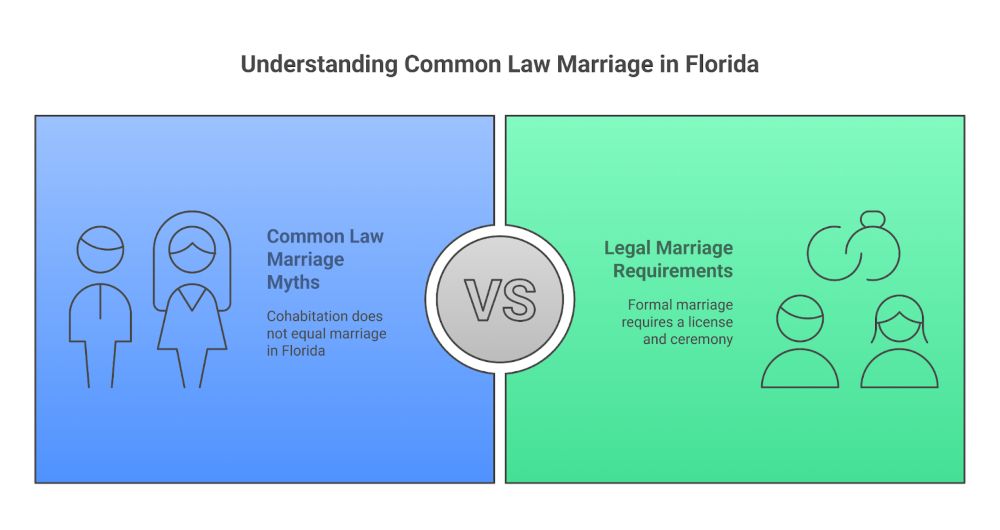
For the vast majority of couples visiting or moving to Florida today, the implication is straightforward: you cannot enter into a common law marriage within the state. This means that merely living together, even for many years, sharing finances, and presenting yourselves as a married couple, will not automatically confer legal marital status under Florida law.
This legal reality has significant implications that touch upon various aspects of life, from travel and accommodation to long-term residency and estate planning. Couples planning a romantic getaway to a luxurious resort in Palm Beach or a quaint apartment in Key West should be aware that their legal status will not change by virtue of their cohabitation in Florida.
Implications for Travelers and New Residents
For couples who are not formally married but are considering an extended stay or a permanent move to Florida, understanding this law is paramount. Imagine a couple from Colorado (a common law marriage state) who are legally common law married. If they move to Florida, their common law marriage remains valid in Florida because it was legally contracted in a state that recognizes it. Florida respects valid marriages performed in other jurisdictions, regardless of whether Florida itself would allow such a marriage to be formed.
However, if an unmarried couple from a state that does not recognize common law marriage moves to Florida, they will not become common law married simply by living together in Florida. This distinction is critical for matters such as:

- Property Rights: Without legal marriage, joint property ownership might require specific agreements.
- Inheritance: Spouses have automatic inheritance rights; unmarried partners do not.
- Medical Decisions: Legal spouses have rights to make medical decisions for incapacitated partners.
- Tax Benefits: Many tax benefits are reserved for married couples.
- Spousal Support (Alimony): In the event of separation, unmarried partners generally have no right to alimony.
These points highlight the importance of formalizing relationships through traditional marriage if couples desire these protections, or by establishing alternative legal agreements. For those dreaming of a long-term stay in a villa overlooking the Gulf Coast or a vibrant condo in Fort Lauderdale, knowing these legal distinctions helps in proper planning and ensures the lifestyle they desire is legally secure.
The Role of Domestic Partnerships and Cohabitation Agreements
While Florida does not recognize common law marriage, it offers alternative legal frameworks for unmarried couples seeking some level of protection and recognition.
Domestic Partnerships
Some local governments and employers in Florida offer domestic partnership registries. These registries provide limited legal recognition to unmarried couples, granting certain rights and benefits, particularly at the local level. These benefits can include visitation rights in hospitals, participation in employer-sponsored health plans, and other local perks. It’s crucial to understand that these domestic partnerships are typically governed by local ordinances and do not confer the statewide rights and responsibilities of a legal marriage.
For example, a couple residing in Miami might register as domestic partners, which could allow them certain benefits within the city limits. However, this registration would not grant them marital status under Florida state law for purposes like state income tax or broader inheritance rights. These options are particularly appealing for couples who appreciate the local culture and community engagement but prefer not to pursue traditional marriage.
Cohabitation Agreements
For unmarried couples in Florida who wish to define their rights and responsibilities without getting married, a cohabitation agreement (sometimes called a “palimony agreement”) is a powerful legal tool. This written contract, drafted by attorneys, can outline various aspects of the couple’s shared life, including:
- Financial arrangements: How expenses will be shared, joint accounts, and individual assets.
- Property ownership: How real estate, vehicles, and other valuable possessions are owned, whether jointly or individually.
- Debt responsibility: Clarifying who is responsible for specific debts.
- Support: Whether one partner will provide financial support to the other in the event of separation.
- Estate planning: Provisions for inheritance and medical decision-making (though these may also require separate wills and powers of attorney).
These agreements are legally binding contracts that can offer a degree of security and clarity similar to what a marriage provides, tailored specifically to the couple’s unique circumstances. They are an excellent solution for couples who are enjoying the Florida lifestyle, perhaps retired and seeking a serene long-term stay in a St. Petersburg hotel or an active life near Disney World, but wish to manage their financial and personal lives without formal marriage.
The Journey to Marital Bliss in Florida: Formalities and Planning
Given Florida’s requirement for formal marriage, couples wishing to tie the knot in the Sunshine State will need to follow a straightforward process. This usually involves:
- Obtaining a Marriage License: Couples must apply for a marriage license at a Clerk of Court office in any Florida county. There is typically a three-day waiting period between applying for the license and it becoming effective, though this can be waived for non-Florida residents or if premarital counseling is completed.
- Performing a Ceremony: The marriage must be solemnized by an authorized person (e.g., an ordained minister, priest, rabbi, judicial officer, or notary public). The ceremony can be a grand affair in a luxurious resort in Naples, a simple gathering on a Sarasota beach, or an intimate moment in a local courthouse. Many couples choose Florida as a destination wedding location, leveraging its stunning landmarks and diverse accommodations to create unforgettable experiences.
- Returning the License: The officiant must return the completed marriage license to the Clerk of Court within a specified timeframe (usually 10 days).
This structured approach ensures legal clarity and provides couples with a definitive record of their union, offering all the legal protections and benefits associated with marriage. For those planning a romantic tour of the Florida Keys or a tranquil escape to an apartment on Amelia Island, understanding this process is part of planning a seamless and joyful journey, whether that journey includes saying “I do” or simply enjoying the state’s countless wonders together.
Conclusion: Travel, Lifestyle, and Legal Clarity in the Sunshine State
In conclusion, while Florida once recognized common law marriage, it officially abolished the practice on January 1, 1968. The only exceptions are common law marriages legally established in Florida prior to that date or those validly contracted in another state that are then recognized in Florida. For any new relationships formed within the state today, a formal marriage license and ceremony are required for legal recognition.
This legal distinction is crucial for anyone engaging with Florida, from a couple planning a romantic trip to South Beach to individuals considering a permanent move to a luxury travel destination like Boca Raton. Understanding these laws not only prevents potential legal headaches but also empowers couples to make informed decisions about their relationships, finances, and futures in the Sunshine State.
Whether your lifestyle involves exploring the natural beauty of the Everglades, soaking up the vibrant tourism scene in Jacksonville, or settling into a long-term accommodation in Tallahassee, having legal clarity allows you to fully enjoy all the destinations, attractions, and unique experiences that Florida so generously offers. Planning is key, and knowing the legal landscape ensures that your Florida journey, whatever its purpose, is as smooth and carefree as the state’s famous sunny skies.
LifeOutOfTheBox is a participant in the Amazon Services LLC Associates Program, an affiliate advertising program designed to provide a means for sites to earn advertising fees by advertising and linking to Amazon.com. Amazon, the Amazon logo, AmazonSupply, and the AmazonSupply logo are trademarks of Amazon.com, Inc. or its affiliates. As an Amazon Associate we earn affiliate commissions from qualifying purchases.