
For nurses seeking professional flexibility, diverse career opportunities, and the chance to explore new destinations, the concept of a compact state is incredibly significant. The Nurse Licensure Compact (NLC) has revolutionized how registered nurses (RNs) and licensed practical/vocational nurses (LPN/VNs) practice across state lines in the United States. It grants eligible nurses the ability to practice in multiple compact states with a single license issued from their primary state of residence. This level of professional mobility is not just a career advantage; it’s a lifestyle enhancer, opening doors to travel, new experiences, and the vibrant culture of different regions.

Historically, navigating state-specific licensing requirements could be a bureaucratic hurdle, especially for travel nurses or those considering relocation. Each move meant applying for a new license, enduring waiting periods, and often repeating background checks. The NLC streamlines this process, allowing nurses to seamlessly transition between assignments, pursue temporary roles, or even make a permanent move to a new state without the burden of obtaining a new license each time. This freedom directly aligns with a lifestyle that values exploration, flexibility, and a healthy work-life balance – themes central to many travel enthusiasts and professionals. For nurses, especially those with a passion for travel, understanding which states participate in the NLC is paramount. And for those drawn to the sunny beaches, theme parks, and diverse communities of the Sunshine State, the question “Is Florida a compact state for nursing?” holds particular weight.
Understanding the Nurse Licensure Compact (NLC): A Gateway to Professional Mobility
The NLC is more than just an agreement; it’s a testament to the evolving needs of the healthcare industry and the professionals who serve it. It recognizes that in an increasingly mobile world, healthcare providers need the flexibility to move where their skills are most needed, whether for career advancement, personal reasons, or even disaster relief efforts. This framework directly impacts the lifestyle and travel opportunities available to nurses, making it an essential topic for anyone interested in combining their profession with a desire for exploration.
What Exactly is the NLC?
At its core, the Nurse Licensure Compact allows a nurse to hold one multi-state license, issued by their primary state of residence, and practice in any other state that is a member of the compact. This means that instead of applying for a new license in each state they wish to work in, a nurse with a multi-state license from a compact state can simply begin practice in another compact state, provided they meet certain criteria. The compact is overseen by the National Council of State Boards of Nursing (NCSBN), which sets the standards and facilitates the agreement among participating jurisdictions.
The primary requirement for obtaining a multi-state license is that the nurse’s primary state of residence (PSOR) must be a compact state. This is typically determined by where the nurse holds a driver’s license, votes, or pays federal income tax. If a nurse lives in a non-compact state, they must apply for licensure by endorsement in each state where they wish to practice. The NLC significantly reduces administrative burden, accelerates the deployment of nursing staff, and provides a broader scope of practice for nurses. For those considering a life of travel nursing, this convenience translates directly into more time exploring destinations and less time mired in paperwork. It truly transforms the profession into a launching pad for a lifestyle rich with travel and diverse experiences.
The Benefits of a Compact License for Nurses
The advantages of holding a compact nursing license extend far beyond mere administrative convenience. They touch upon career growth, personal freedom, and the ability to integrate professional life with a desired lifestyle.
- Expanded Career Opportunities: With a multi-state license, nurses gain access to a wider array of job openings across various compact states. This is particularly beneficial for travel nurses, who can more readily accept assignments in sought-after destinations without delays. It also allows nurses to explore different healthcare systems, specialties, and patient populations, enriching their professional experience.
- Flexibility and Mobility: The NLC offers unparalleled flexibility. Nurses can move for personal reasons, such as accompanying a spouse, being closer to family, or simply fulfilling a desire to live in a new city or state. For those with a passion for travel, this means being able to accept short-term contracts in popular tourist areas, experience local culture, and embark on new adventures while still pursuing their nursing career.
- Disaster Relief: In times of national emergency or natural disaster, the NLC facilitates the rapid deployment of nursing staff to affected areas. This ability to cross state lines without immediate licensing hurdles is crucial for providing timely and effective care when and where it’s most needed. It allows nurses to contribute their skills in critical situations, often in destinations they might not otherwise experience.
- Reduced Administrative Burden: No more multiple applications, background checks, and fees for each state. A single license simplifies the entire process, freeing up nurses’ time and resources that can instead be dedicated to travel planning, exploring local attractions, or simply relaxing after a demanding shift. This ease of movement makes a travel-oriented lifestyle much more attainable.
Florida’s Journey into the NLC: What Nurses Need to Know
For years, Florida stood as a highly desirable, yet non-compact, state for nurses. Its vibrant cities, world-class attractions, and burgeoning healthcare industry made it a magnet for nursing professionals. However, the process of obtaining a Florida license could be a barrier for those accustomed to the NLC’s ease. This changed, marking a significant milestone for the state’s healthcare landscape and the nurses who serve within it.
Florida’s Current Status in the Compact
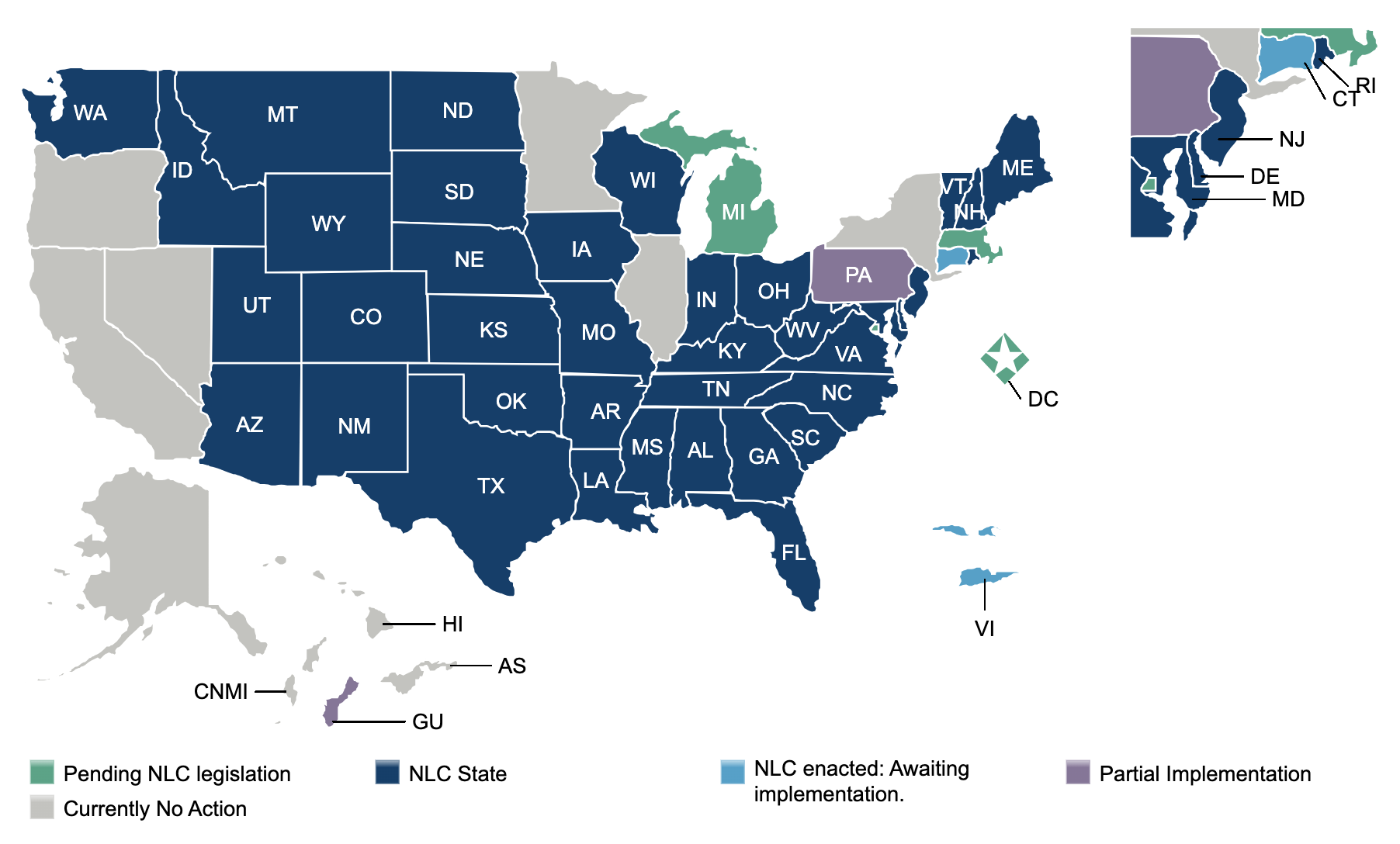
The long-awaited news arrived: Yes, Florida is officially a compact state for nursing. Florida joined the Nurse Licensure Compact on January 19, 2018, when Governor Rick Scott signed the NLC into law. The effective date for nurses to begin practicing under the compact was July 1, 2019. This was a pivotal moment for nurses across the United States who had their sights set on working in the Sunshine State.
What this means is that if your primary state of residence is a compact state and you hold a multi-state license, you can now practice nursing in Florida without applying for a separate Florida license by endorsement. This greatly simplifies the process for travel nurses, military spouses, and those considering relocating to Florida. The Florida Board of Nursing is the regulatory body responsible for overseeing nursing licensure and practice within the state, ensuring that all compact and non-compact licensees adhere to Florida’s specific nursing laws and regulations.
Implications for Nurses Working in or Relocating to Florida
Florida’s entry into the NLC has profound implications for various categories of nurses:
- For Nurses with a Multi-State License from another Compact State: If your primary state of residence is a compact state, and you hold a multi-state license, you are eligible to practice in Florida under that license. This opens up a wealth of travel nursing assignments and relocation opportunities. You can arrive in Florida and begin working much more quickly, allowing you more time to settle into your new environment and explore local attractions, from the vibrant nightlife of Miami to the magical theme parks of Orlando.
- For Nurses Whose Primary State of Residence is Florida: If Florida is your primary state of residence and you meet the licensure requirements, you can apply for a Florida multi-state license. This license will then allow you to practice in other compact states without obtaining additional licenses. This is a game-changer for Florida nurses looking to explore travel nursing opportunities outside the state or even relocate to another compact state in the future, providing a seamless transition.
- For Nurses from Non-Compact States: If your primary state of residence is not a compact state, you will still need to apply for licensure by endorsement with the Florida Board of Nursing. While Florida’s compact status doesn’t directly simplify the process for you to gain an initial Florida license, it does mean that once you hold that Florida license (and Florida is your PSOR), you can then utilize it as a multi-state license to practice in other compact states.
This change drastically impacts the ease of movement for nurses, transforming career planning into a more fluid and less restricted process. It enables a lifestyle where professional growth and personal wanderlust can truly coexist.
Embracing the Florida Lifestyle: Travel, Opportunities, and Accommodation for Nurses
With Florida now firmly in the Nurse Licensure Compact, the state has become an even more attractive destination for nursing professionals. This compact status doesn’t just benefit their careers; it opens up a world of lifestyle choices, travel possibilities, and accommodation options that cater to their unique needs. From its stunning beaches to its bustling cities, Florida offers a backdrop for an exciting life both inside and outside the hospital.
Unlocking Travel Nursing Adventures in the Sunshine State
Florida has always been a top destination for travel nurses, but its NLC status has amplified its appeal. Nurses can now quickly take on assignments in some of the most sought-after locations, combining their professional duties with incredible travel experiences.
- Diverse Destinations: Travel nurses can choose from a wide range of environments. They can work in the bustling urban centers of Miami and Fort Lauderdale, experiencing vibrant nightlife, rich cultural scenes, and world-class dining. For those drawn to family-friendly fun and entertainment, Orlando offers endless opportunities near Walt Disney World Resort and Universal Studios Florida. The historic charm of St. Augustine, the laid-back vibes of the Gulf Coast cities like Tampa and Sarasota, or the natural beauty of the Florida Panhandle provide different flavors of the Sunshine State.
- Career Growth and Specialization: Florida’s expansive healthcare system includes leading hospitals and specialized medical centers. Travel nurses can gain exposure to various specialties, from trauma and critical care in large metropolitan hospitals to pediatrics at renowned children’s hospitals or geriatric care in its numerous retirement communities. This broad experience is invaluable for career advancement.
- Year-Round Recreation: One of Florida’s biggest draws is its climate. Travel nurses can enjoy year-round access to beaches, water sports, outdoor activities, and national parks like Everglades National Park. This allows for a lifestyle where work-life balance isn’t just a concept but a daily reality, enabling nurses to truly immerse themselves in their temporary home.
Finding Your Home Away From Home: Accommodation in Florida
For travel nurses or those relocating, finding suitable accommodation is a key part of the experience. Florida’s diverse landscape offers a variety of options to fit every need and budget, catering to both short-term assignments and longer stays.
- Extended Stay Hotels and Suites: Many cities in Florida offer extended-stay hotels and suites that are perfect for nurses on temporary assignments. These often come with kitchenettes, laundry facilities, and amenities like fitness centers, providing a comfortable and convenient “home away from home.” Brands like Homewood Suites by Hilton, Residence Inn by Marriott, and Embassy Suites are popular choices, offering more space and flexibility than a standard hotel room.
- Corporate Apartments and Furnished Rentals: For longer assignments (e.g., 3-6 months), corporate housing or furnished apartment rentals can be an ideal solution. These provide a more residential feel, often with full kitchens, separate living areas, and the privacy of an apartment. Many travel nursing agencies assist with finding such accommodations, or nurses can use platforms specializing in long-term stays.
- Vacation Rentals and Airbnb/VRBO: In popular tourist areas like Miami Beach, Orlando, or Key West, vacation rentals through platforms like Airbnb or VRBO offer unique options. While sometimes pricier, they can provide a more local and personalized experience, especially for nurses traveling with family or pets. It’s crucial to consider location, amenities, and proximity to the hospital.
- Hotel Comparisons and Reviews: When booking accommodation, comparing options, reading reviews, and considering factors like safety, neighborhood, and access to public transportation or parking are essential. Websites that offer detailed comparisons and user reviews can be invaluable tools for nurses making these decisions.
Exploring Florida: Beyond the Hospital Walls
Florida’s appeal for nurses extends far beyond its compact status and job market. The state is a global tourism hub, offering a myriad of attractions and activities that can enrich a nurse’s off-duty hours and contribute to a well-rounded lifestyle.
- World-Class Attractions: From the magic of Walt Disney World Resort, Universal Studios Florida, and SeaWorld Orlando in Orlando to the natural wonders of the Everglades National Park and the pristine beaches of the Atlantic and Gulf Coasts, there’s no shortage of things to see and do. Nurses can explore the historical sites of St. Augustine, dive into the vibrant art scene of Wynwood in Miami, or enjoy the laid-back charm of Key West.
- Local Culture and Food: Each region of Florida boasts a unique culture. Nurses can savor fresh seafood, explore Cuban influences in Miami, enjoy Southern hospitality in the Panhandle, or discover the vibrant arts districts in cities like St. Petersburg and Sarasota. Engaging with local communities, trying regional delicacies, and attending festivals offer a rich cultural experience.
- Outdoor Activities: The warm climate encourages an active outdoor lifestyle. Nurses can enjoy swimming, surfing, paddleboarding, kayaking, fishing, hiking, and biking year-round. Many parks and nature preserves offer opportunities for wildlife viewing, birdwatching, and simply enjoying the natural beauty of the state.
Integrating these experiences into a nursing career transforms it from just a job into a fulfilling lifestyle adventure, perfectly embodying the spirit of travel, exploration, and discovery.
Navigating the NLC: Key Considerations for a Seamless Nursing Career
While Florida’s compact status significantly eases the professional journey for many nurses, it’s crucial to understand the nuances of the Nurse Licensure Compact to ensure a seamless and compliant career path. Adhering to the compact’s rules and staying informed are key to maximizing its benefits, whether you’re a long-term resident or a temporary visitor.
Maintaining Your Primary State of Residence
The cornerstone of the NLC is the concept of a primary state of residence (PSOR). A nurse holds a multi-state license issued by their PSOR. This means:
- You can only hold one multi-state license at a time. It must be from your PSOR.
- Your PSOR is typically defined by your legal residency. This is often where you hold a driver’s license, vote, or file your federal income taxes. It is not necessarily where you are currently working.
- If you move your PSOR from one compact state to another compact state, you must apply for a new multi-state license in your new home state. Your previous multi-state license will convert to a single-state license in your former state of residence. You can practice on your former license for a period (usually 30-90 days, depending on the state) while your application for the new multi-state license is processed.
- If you move your PSOR from a compact state to a non-compact state, your multi-state license will convert to a single-state license valid only in your former compact state. You will then need to apply for licensure by endorsement in your new non-compact state if you wish to practice there.
- If you move your PSOR from a non-compact state to a compact state (like Florida), you can then apply for a multi-state license in your new compact PSOR.
Understanding and correctly identifying your PSOR is critical for maintaining a valid multi-state license and avoiding any compliance issues. It’s a fundamental aspect that impacts a nurse’s ability to travel and work without interruption.
Keeping Up-to-Date with NLC Regulations
The NLC, like any regulatory framework, is subject to updates and changes. Furthermore, while the compact provides a unified licensing mechanism, individual state boards of nursing retain the authority to regulate practice within their borders.
- Jurisprudence Exams: Some compact states may require nurses to pass a jurisprudence exam specific to that state’s nursing laws and regulations before practicing. While your license is multi-state, knowledge of local regulations is sometimes still expected. Always check the specific requirements of the state you plan to work in, even if it’s a compact state.
- Continuing Education: Continuing education (CE) requirements are determined by the state that issues your multi-state license (your PSOR). However, it’s always wise to be aware of the CE requirements in the state where you are practicing, as some facilities might have internal policies that align with local standards.
- Disciplinary Actions: Disciplinary action taken against a nurse’s license in one compact state will be recognized by all other compact states. This interconnectedness ensures accountability and patient safety across the compact.
- Staying Informed: The best way to stay informed is to regularly visit the official website of the National Council of State Boards of Nursing (NCSBN) and the website of the Florida Board of Nursing (or the board of your PSOR). These resources provide the most current information regarding compact status, application processes, and regulatory updates.
For nurses embracing a travel-oriented lifestyle, proactive engagement with these resources is essential. It ensures that their professional mobility remains uninterrupted, allowing them to focus on delivering quality care and enjoying the diverse experiences that their career, enhanced by the NLC, affords them.

Conclusion: Florida as a Premier Destination for Compact Nurses
The answer to “Is Florida a compact state for nursing?” is a resounding yes, a fact that has significantly reshaped the landscape for nursing professionals. Since joining the Nurse Licensure Compact in 2019, the Sunshine State has become an even more accessible and attractive destination for nurses seeking to combine their impactful careers with a vibrant, travel-rich lifestyle.
For travel nurses, the compact status eliminates former licensing hurdles, opening up immediate opportunities in Florida’s thriving healthcare sector and its myriad of world-renowned destinations. Imagine taking an assignment in Miami, spending your days off exploring Miami Beach’s Art Deco architecture and vibrant nightlife. Or perhaps a contract in Orlando allows you to visit Walt Disney World Resort and Universal Studios Florida in your leisure time. Nurses relocating to Florida or those residing within the state now enjoy unparalleled professional mobility, able to move between compact states with greater ease, fostering career growth and personal freedom.
The ability to seamlessly transition between assignments and locations empowers nurses to curate a lifestyle that balances professional fulfillment with a passion for travel and exploration. From securing comfortable accommodation in extended-stay hotels or corporate apartments to immersing themselves in local culture, food, and attractions from Key West to Jacksonville, nurses in Florida have every opportunity to live life to the fullest.
However, a successful journey through the NLC always requires diligence. Understanding your primary state of residence and staying informed about regulatory updates from the National Council of State Boards of Nursing and the Florida Board of Nursing is paramount. By doing so, nurses can fully leverage the benefits of the compact, ensuring a seamless, compliant, and ultimately enriching career. Florida truly stands as a premier destination, offering not just a place to practice nursing, but a dynamic backdrop for a life lived out of the box.
LifeOutOfTheBox is a participant in the Amazon Services LLC Associates Program, an affiliate advertising program designed to provide a means for sites to earn advertising fees by advertising and linking to Amazon.com. Amazon, the Amazon logo, AmazonSupply, and the AmazonSupply logo are trademarks of Amazon.com, Inc. or its affiliates. As an Amazon Associate we earn affiliate commissions from qualifying purchases.