
Florida, often dubbed the “Sunshine State,” is a captivating tapestry of vibrant cultures, breathtaking natural beauty, and bustling urban centers. From the sun-drenched beaches of the Atlantic Coast to the tranquil Gulf Coast shores, and from the theme park thrills of Orlando to the Art Deco glamour of Miami, it presents a diverse array of experiences that draw millions of visitors and new residents each year. Yet, beyond its undeniable appeal as a premier destination for travel, tourism, and lifestyle, Florida often finds itself at the center of political discourse, prompting many to ask: “Is Florida a Democratic state?”
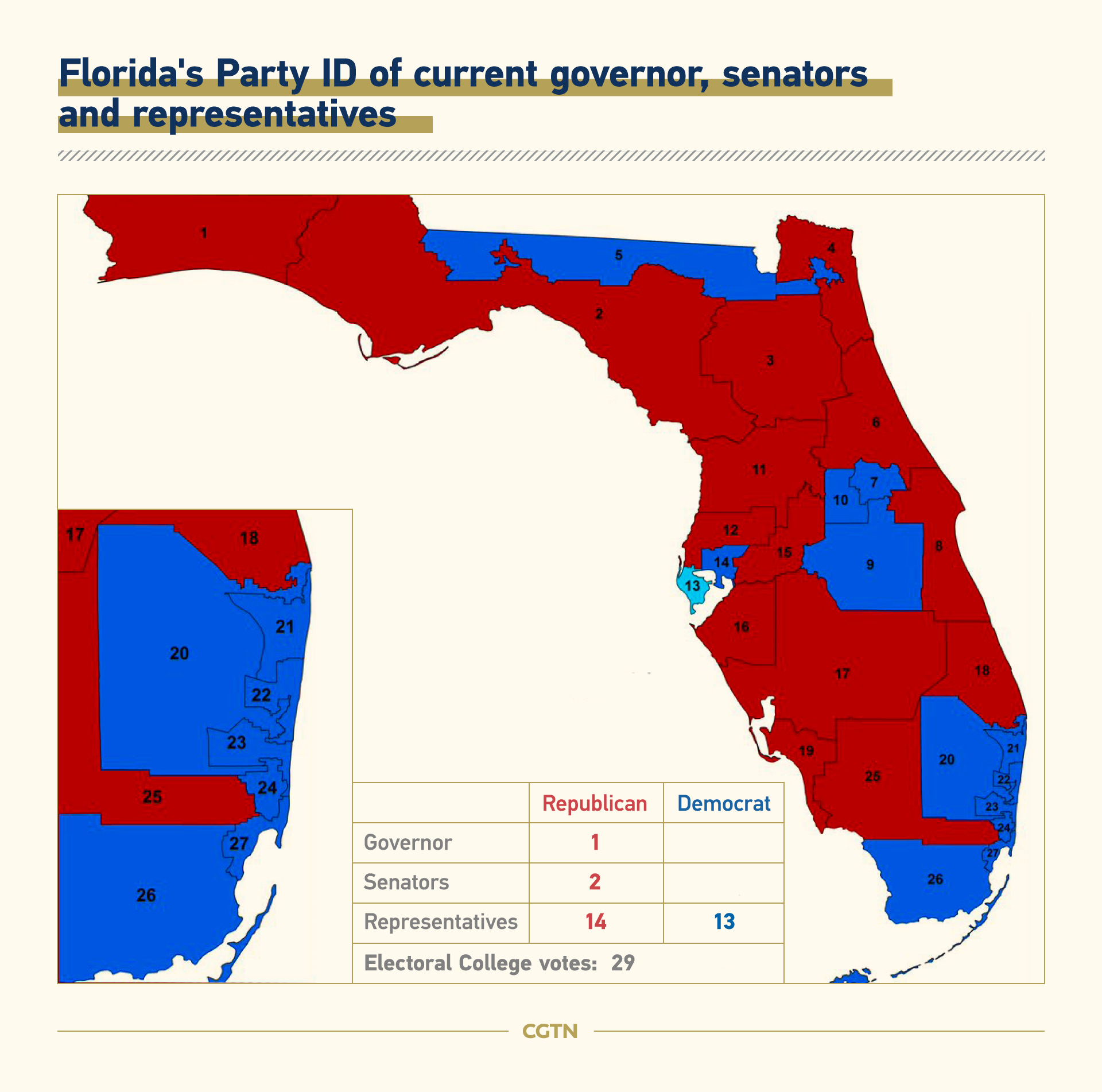
The question itself touches upon the multifaceted identity of this crucial state within the United States. While our focus at Life Out of the Box is primarily on exploring the world through the lens of travel, accommodation, landmarks, and lifestyle, understanding the general political perception and demographic shifts can provide valuable context for anyone planning a visit, considering a move, or simply curious about the underlying dynamics that shape the state’s character. It’s important to acknowledge that political identity often intersects with economic trends, demographic changes, and even the types of tourism and lifestyle choices that flourish in a region. In Florida, a state known for its fluctuating electoral outcomes, this question is particularly pertinent, as its political leanings have historically been a dynamic and evolving landscape, rather than a static one.
Beyond the Ballot Box: Understanding Florida’s Political Landscape
To truly grasp whether Florida leans Democratic, one must look beyond simple party affiliations and delve into the complexities of its demographics, historical voting patterns, and current political climate. The state is famously known as a swing state, often playing a pivotal role in national elections due to its large population and diverse electorate. This status has historically meant that both major parties invest significant resources in winning over Florida’s voters, leading to a vibrant and often hotly contested political environment.
A Diverse Electorate: The Shifting Sands of Florida Politics
Florida’s population is incredibly diverse, contributing significantly to its unpredictable political nature. Large populations of retirees, particularly in areas like the southwest coast around Naples and Sarasota, and the central Atlantic Coast cities, have historically leaned conservative. Conversely, major metropolitan areas such as Miami, Orlando, Tampa, and Jacksonville are characterized by younger, more diverse populations, including significant Hispanic and Black communities, whose voting patterns often tilt towards the Democratic Party.
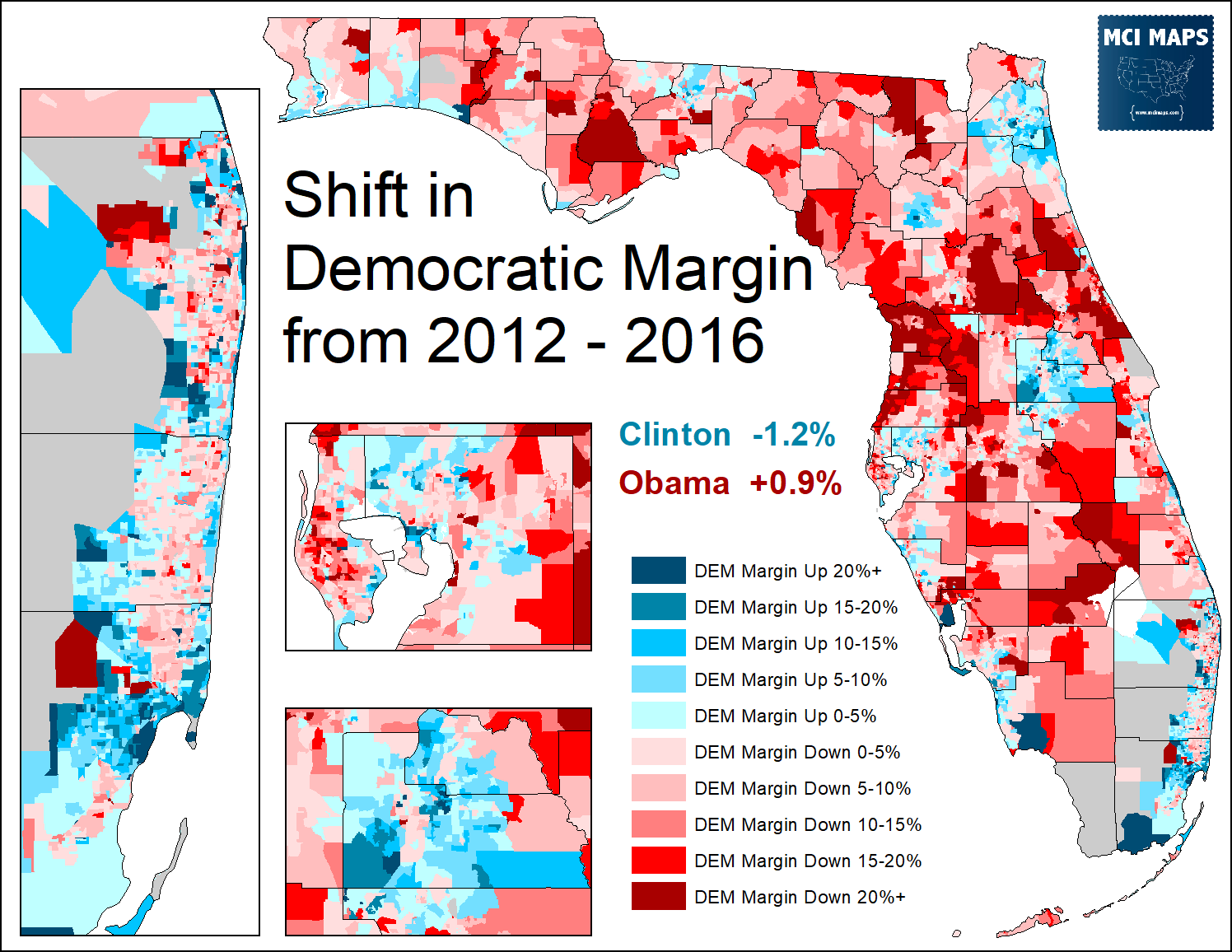
The influx of new residents from other states and countries also continuously reshapes Florida’s political map. Many moving to Florida seek its economic opportunities, favorable tax climate, and, of course, the pleasant weather and lifestyle. These newcomers bring their own political perspectives, creating a constantly shifting electorate that makes any definitive label challenging. Over recent years, particularly in the latter half of the 2010s and into the 2020s, Florida has shown a marked shift towards the Republican Party, moving from its traditional swing-state status to a more reliably red state in many analyses. This shift is attributed to various factors, including changing demographics, voter registration efforts, and the appeal of specific policies to a growing segment of the population. Therefore, while historically a battleground, current trends suggest Florida is not presently a Democratic state, but rather one that has moved decisively towards Republican dominance in recent election cycles.
How Political Perceptions Shape Travel and Lifestyle Choices
While the political affiliation of a state might seem tangential to travel, it can subtly influence perceptions and choices for both visitors and potential residents. For travelers, a state’s political climate can impact policies related to environmental protection, social issues, or even local regulations that affect tourism. For instance, policies concerning LGBTQ+ rights, environmental conservation of pristine areas like the Everglades National Park, or approaches to public health, might resonate differently with various demographics of travelers.
Similarly, for individuals considering a lifestyle change or a long-term stay, the political environment can be a significant factor. Those seeking to relocate might consider the state’s stance on education, healthcare, or economic policies. A state perceived as “business-friendly” might attract entrepreneurs, while one with robust social programs might appeal to others. Florida’s pro-business environment, coupled with no state income tax, has undoubtedly been a draw for many seeking economic opportunities and a particular lifestyle. Regardless of individual political leanings, understanding the prevailing political atmosphere helps paint a more complete picture of the “vibe” and practicalities of living or extensively visiting a region. Florida’s strong economic growth, driven in part by its robust tourism sector and favorable business climate, often aligns with conservative fiscal policies, further reinforcing its appeal to certain segments of the population looking for a specific quality of life.
Florida’s Unrivaled Allure: A Travel and Tourism Powerhouse
Leaving the political landscape aside, what remains undeniable is Florida’s immense and enduring appeal as a global travel and tourism powerhouse. Its natural beauty, diverse attractions, and welcoming atmosphere transcend political boundaries, drawing visitors from every corner of the globe.
Sun-Kissed Shores and Iconic Destinations: What Draws Millions?
Florida’s reputation as a premier vacation destination is built on a foundation of spectacular natural beauty and world-class attractions. The state boasts thousands of miles of coastline, offering an endless variety of beaches from the vibrant sands of South Beach in Miami Beach to the tranquil, shell-strewn shores of Sanibel Island on the Gulf Coast. Beyond the beaches, the unique ecosystems of the Florida Keys, including the southernmost point in the United States in Key West, offer unparalleled opportunities for snorkeling, diving, and boating in turquoise waters. Landmarks like the Castillo de San Marcos in St. Augustine, the oldest continuously inhabited European-established settlement in the United States, provide a rich historical dimension, contrasting with the modern marvels elsewhere.
Then there are the theme parks, which are perhaps Florida’s most famous draw. Orlando is home to the magical Walt Disney World Resort, encompassing Magic Kingdom, Epcot, Hollywood Studios, and Animal Kingdom, alongside the immersive experiences of Universal Studios Florida, which includes Islands of Adventure and Volcano Bay. Other major attractions include SeaWorld Orlando and Busch Gardens Tampa Bay, offering thrilling rides and incredible animal encounters. For those interested in space exploration, the Kennedy Space Center Visitor Complex near Cocoa Beach offers an inspiring look into NASA’s history and future. This incredible concentration of attractions ensures that there is an experience for every age and interest, solidifying Florida’s status as a global tourism leader. Beyond these, cultural hotspots like the Dali Museum in St. Petersburg or the Ringling Museum in Sarasota showcase the state’s vibrant arts scene.
A Spectrum of Accommodations: From Luxury Resorts to Boutique Stays
With such a high volume of visitors, Florida’s accommodation sector is incredibly diverse and competitive, catering to every budget and preference. From opulent five-star hotels and sprawling resorts to charming boutique inns, vacation rentals, and budget-friendly motels, the state offers an unmatched range of options.
Luxury travelers can indulge in the lavish amenities of properties like The Ritz-Carlton in Fort Lauderdale or Naples, or the Four Seasons in Miami and Orlando. These establishments often feature world-class dining, private beaches, championship golf courses, and rejuvenating spas, providing an unparalleled level of service and comfort. Mid-range travelers will find abundant choices from major brands such as Hyatt Regency, Marriott International, and Hilton, offering comfortable rooms, pools, and convenient access to attractions. For families or longer stays, vacation rentals, including apartments and villas, are hugely popular, offering more space, kitchen facilities, and a home-away-from-home experience, especially around the theme parks or along the coastal communities. Even unique stays like glamping tents near natural springs or eco-lodges in protected areas are growing in popularity, showcasing the state’s commitment to varied accommodation experiences. Booking platforms and comparison sites make it easy to find the perfect fit, whether you’re seeking a secluded island retreat on Amelia Island or a bustling city hotel in Downtown Miami.
Lifestyle in the Sunshine State: More Than Just a Vacation
Beyond its appeal as a temporary escape, Florida offers a compelling lifestyle that draws individuals and families seeking a permanent slice of paradise. The state’s diverse geography and economic opportunities support a wide array of living experiences, from vibrant urban centers to tranquil small towns.
Diverse Lifestyles: Family Fun, Urban Excitement, and Relaxed Retirement
Florida caters to an incredibly diverse range of lifestyles. For families, the presence of world-class theme parks, numerous state parks, and family-friendly beaches like those in Clearwater or Sarasota makes it an ideal place to raise children. Many communities offer excellent schools and a strong sense of community, blending suburban comfort with easy access to recreational activities.
Urban dwellers can thrive in cities like Miami, with its pulsating nightlife, dynamic arts scene in areas like the Miami Design District and Wynwood Walls, and diverse culinary landscape, particularly in neighborhoods like Little Havana. Tampa offers a blend of historic charm and modern amenities, with a growing tech scene and a revitalized waterfront. Jacksonville, the largest city by land area in the contiguous U.S., provides a bustling metropolitan experience with a relaxed, coastal feel.
For those seeking a more relaxed pace, Florida remains a perennial favorite for retirees. Communities across the state offer a high quality of life with abundant golf courses, community centers, and medical facilities, all benefiting from the warm climate. Areas like The Villages exemplify large, active adult communities designed for an enjoyable retirement lifestyle. Even in its quieter corners, such as Captiva Island or Anna Maria Island, a slower pace of life is embraced, focusing on nature and tranquility.
Economic Vibrancy and Community Spirit
Florida’s economy is robust and diversified, driven heavily by tourism, but also by agriculture, international trade, aerospace, and a growing technology sector. This economic vibrancy creates a multitude of job opportunities and fosters entrepreneurial spirit, attracting professionals and businesses. The state’s lack of a personal income tax is a significant draw for many, contributing to its reputation as a fiscally attractive place to live and conduct business.
Beyond economics, Florida fosters a strong sense of community. Whether through local festivals celebrating diverse cultures (like Calle Ocho in Miami or seafood festivals along the coast), organized recreational activities, or neighborhood gatherings, Floridians often exhibit a welcoming and engaged community spirit. This blend of economic opportunity, diverse recreational activities, and a pleasant social environment makes Florida not just a place to visit, but a place many choose to call home. The presence of major universities like the University of Florida in Gainesville, Florida International University in Miami, and the University of Miami also injects a youthful energy and intellectual vigor into various regions, further enriching the lifestyle options.
Navigating Florida: Tips for Visitors and Potential Residents
Whether you’re planning a week-long vacation or contemplating a permanent move, understanding Florida’s nuances can enhance your experience. Navigating the state effectively means appreciating its vastness and regional differences.
Exploring Florida’s Regions: North, Central, and South
Florida can broadly be divided into several distinct regions, each with its unique character.
North Florida, including the Panhandle, often feels more connected to the Deep South, with rolling hills, dense forests, and historic cities like St. Augustine and Tallahassee, the state capital. The beaches of the Panhandle, such as those near Destin and Panama City, are famed for their sugary white sand and emerald waters.
Central Florida is the heart of the theme park universe, home to Orlando and its myriad attractions. Beyond the parks, the region offers serene natural springs, expansive lakes like Lake Okeechobee, and charming towns like Mount Dora. The space coast around Cape Canaveral also offers unique experiences related to space exploration.
South Florida is perhaps the most famous, known for its vibrant Latin influence, glamorous beaches, and subtropical climate. Cities like Miami, Fort Lauderdale, and West Palm Beach offer a cosmopolitan flair, while the Florida Keys provide a laid-back, island paradise. This region also includes the unique wilderness of the Everglades National Park, a critical habitat for diverse wildlife. Each region offers distinct cultural, historical, and recreational experiences, underscoring the state’s incredible diversity.
Practicalities: Planning Your Florida Experience
When planning your trip or move, consider the time of year. Florida’s peak tourist season typically runs from late fall through spring, when the weather is mild and pleasant. Summers can be hot and humid, with a higher chance of afternoon thunderstorms and the occasional hurricane threat, particularly from June to November. However, summer also brings lower prices and fewer crowds, especially at the beaches.
Transportation is generally car-dependent, though major cities offer some public transport options and ride-sharing services. For longer distances, flying into one of Florida’s many international airports (like Miami International Airport, Orlando International Airport, or Tampa International Airport) is efficient. Accommodation should be booked in advance, especially during peak seasons or for popular events. Research local culture, particularly in diverse areas like Miami where Spanish is widely spoken, to enhance your experience. Embrace the outdoor lifestyle, but always be prepared for the elements – sun protection and hydration are key.
Florida’s Enduring Appeal, Regardless of Political Stripes
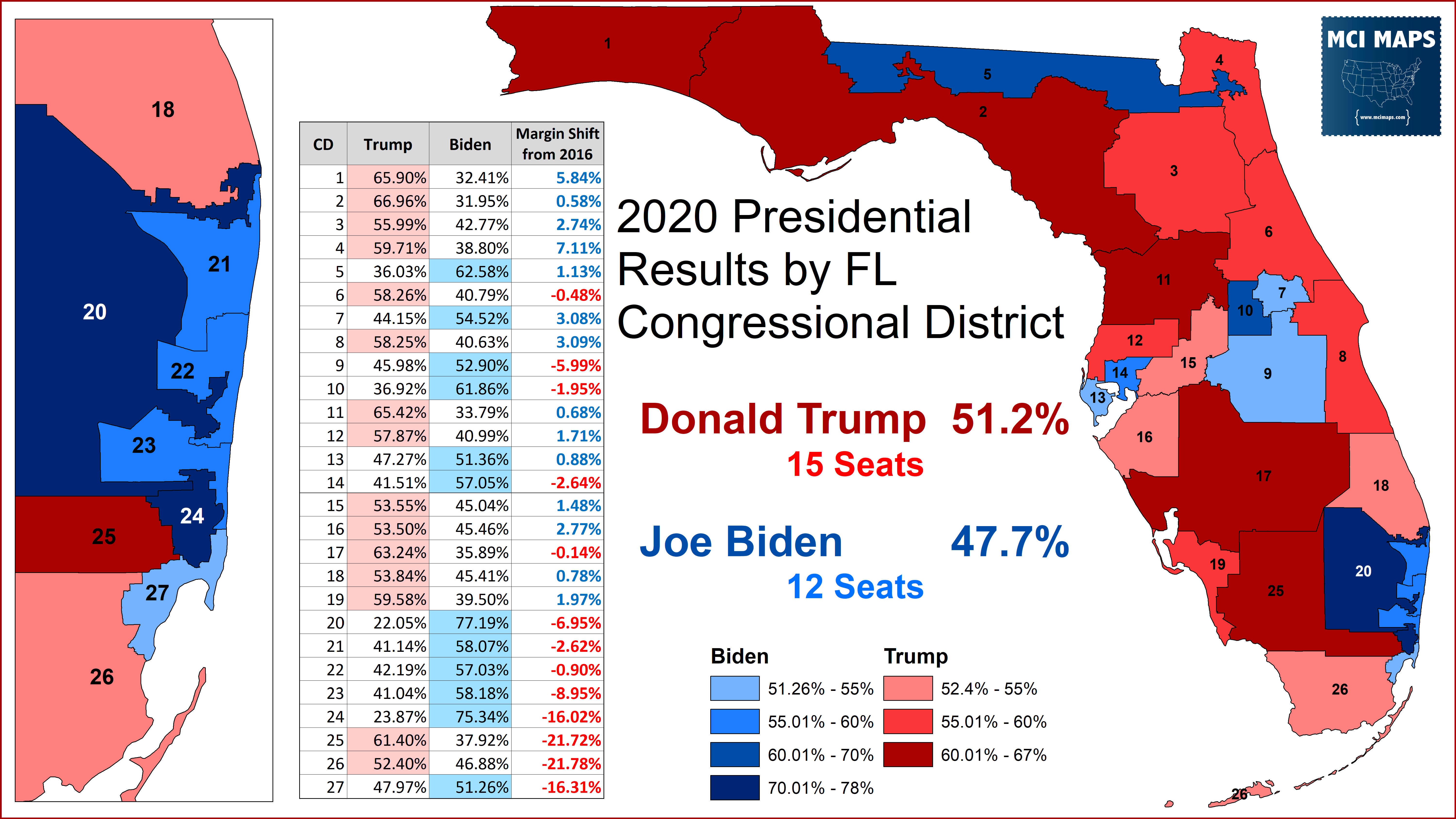
So, is Florida a Democratic state? Recent trends and electoral outcomes suggest it has increasingly leaned Republican, moving away from its traditional swing-state identity. However, focusing solely on this political label risks overlooking the rich tapestry of experiences and opportunities the state offers. Florida is, above all, a state defined by its extraordinary natural beauty, its dynamic economy, its diverse population, and its unparalleled appeal as a destination for travel, tourism, and lifestyle.
Whether you’re drawn by the magic of Walt Disney World Resort, the pristine beaches of the Florida Keys, the vibrant culture of Miami, or the prospect of a sun-filled retirement, Florida offers something for everyone. Its political landscape is just one facet of a complex and captivating identity. For travelers and prospective residents alike, the enduring allure of the Sunshine State lies in its ability to transcend political labels, offering a warm welcome and an unforgettable experience, regardless of where one stands on the political spectrum. It’s a place where diverse communities thrive, iconic landmarks stand tall, and lifestyle options abound, making it a truly unique and desirable corner of the world.
LifeOutOfTheBox is a participant in the Amazon Services LLC Associates Program, an affiliate advertising program designed to provide a means for sites to earn advertising fees by advertising and linking to Amazon.com. Amazon, the Amazon logo, AmazonSupply, and the AmazonSupply logo are trademarks of Amazon.com, Inc. or its affiliates. As an Amazon Associate we earn affiliate commissions from qualifying purchases.