
Florida, often dubbed the “Sunshine State,” is a destination that captivates millions with its vibrant culture, stunning natural beauty, and endless recreational opportunities. From its pristine beaches and world-renowned theme parks to its bustling cities and tranquil natural reserves, Florida offers a lifestyle that appeals to a diverse range of individuals. But beyond the allure of a vacation, the question remains: is Florida truly a great place to live? This article delves into the various facets of life in Florida, exploring its unique advantages and challenges, and ultimately providing a comprehensive perspective for those considering making it their permanent home.
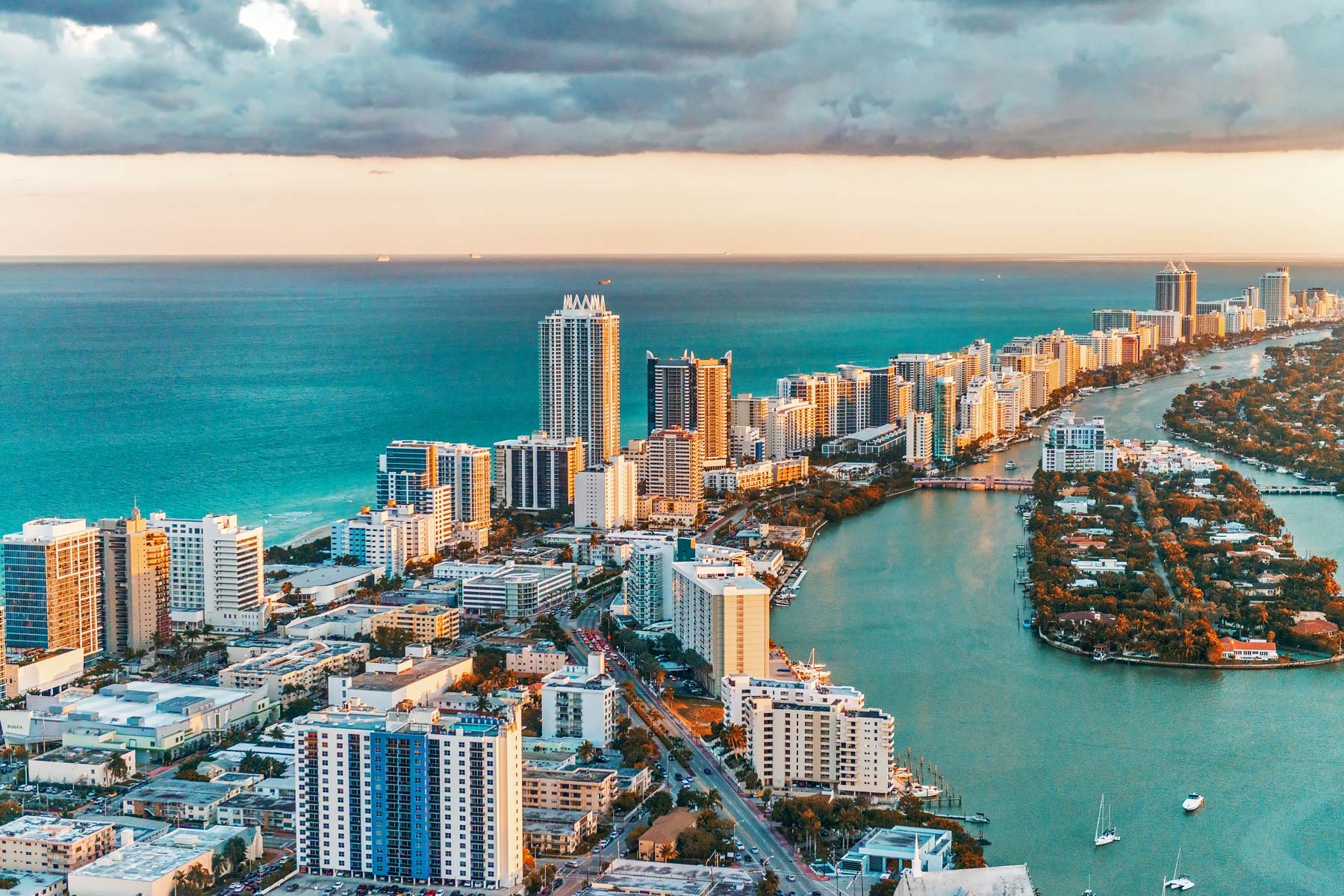
The state’s appeal as a residential choice is multifaceted, drawing in retirees seeking warmth, families looking for entertainment, and professionals eager for new opportunities. Its expansive coastline along both the Atlantic Coast and the Gulf Coast provides a diverse array of beach experiences, from the lively shores of Miami Beach to the serene, powdery sands of Siesta Key Beach and Clearwater Beach. Beyond the sand and surf, Florida boasts a rich tapestry of ecosystems, including the unique wetlands of Everglades National Park and the crystal-clear springs scattered throughout the state.
The state’s robust tourism industry is a double-edged sword: it fuels the economy and creates jobs, but also contributes to crowded attractions and infrastructure strain in popular areas. When considering a move, it’s crucial to look beyond the picture-postcard images and understand the practicalities of daily life, from the cost of living and job market to healthcare, education, and transportation. Our exploration will touch upon these vital aspects, offering insights into what one can truly expect when choosing to call the Sunshine State home.
The Allure of the Sunshine State: Climate, Culture, and Lifestyle
Florida’s magnetic appeal largely stems from its enviable climate, a vibrant cultural mosaic, and a lifestyle that prioritizes outdoor living and leisure. These elements combine to create an environment unlike any other in the United States, making it a dream destination for many, and a delightful reality for its residents.
Embracing the Tropical Climate
One of the most significant drawcards of Florida is its climate. Characterized by warm, sunny weather almost year-round, the state enjoys a tropical to subtropical climate that banishes the harsh winters found in most other parts of the country. This perpetual warmth means that outdoor activities are a daily possibility, from a morning stroll on the beach to an afternoon round of golf. The consistent sunshine is not just a mood booster; it underpins the entire outdoor-centric lifestyle.
However, the climate comes with its own set of characteristics. Summers are hot and humid, often accompanied by daily afternoon thunderstorms that, while intense, usually pass quickly. These rains are vital for the state’s lush vegetation and unique ecosystems. More importantly, Florida is situated in a hurricane zone. The hurricane season, typically from June to November, requires residents to be prepared for potential storms, which can range from minor disruptions to significant events. This reality necessitates careful planning and robust home preparedness, a critical consideration for any prospective resident. Despite this, the overwhelming majority of days are bright and beautiful, making it a haven for those who thrive in warmth.
A Mosaic of Cultures and Activities
Florida is a melting pot of cultures, particularly evident in cities like Miami, where a strong Latin American influence creates a distinct cultural vibrancy. This diversity is reflected in the state’s cuisine, music, art, and festivals, offering residents a rich tapestry of experiences without ever leaving home. From Cuban cafes in Little Havana to Caribbean rhythms pulsing through South Florida neighborhoods, the cultural landscape is endlessly fascinating.
For recreation, Florida is unparalleled. It is home to some of the world’s most famous theme parks, including Walt Disney World and Universal Orlando Resort, which are major destinations for families and thrill-seekers alike. Beyond the magic of the parks, the state offers an incredible array of water sports – from paddleboarding and kayaking in serene estuaries to deep-sea fishing and scuba diving in vibrant coral reefs. Golf enthusiasts will find an abundance of championship courses, making it a premier golfing destination. Nature lovers can explore the wild beauty of the Everglades National Park, observe manatees in natural springs, or discover the historical charm of St. Augustine, the nation’s oldest continuously inhabited European-established settlement. The Kennedy Space Center Visitor Complex offers a glimpse into the wonders of space exploration, adding another layer to the state’s diverse attractions. Each of these unique experiences contributes to Florida’s identity as a dynamic and engaging place to live.
The Florida Lifestyle: From Luxury to Leisure
The lifestyle in Florida caters to a wide spectrum of preferences, encompassing everything from opulent luxury to laid-back leisure. For those seeking a high-end experience, areas like Palm Beach, Naples, and Boca Raton offer exclusive resorts, gourmet dining, designer boutiques, and lavish accommodations. Here, luxury travel is not just a vacation option but a daily reality for many residents. Private villas, opulent suites, and five-star amenities are readily available, whether for short-term stays or long-term living.
Conversely, for those on a budget or seeking a more relaxed pace, numerous towns and cities offer affordable living with access to the same natural beauty and outdoor activities. Family trips often revolve around the theme parks, but budget-friendly options abound, from camping in state parks to enjoying free beach access. The emphasis on outdoor activities – boating, fishing, hiking, cycling – promotes a healthy and active lifestyle that is accessible to all income levels. Florida’s commitment to tourism means there are always new experiences to discover, from local culture festivals to culinary tours, making it an exciting place for residents and visitors alike.
Navigating the Practicalities: Economy, Infrastructure, and Services
Beyond the sun and fun, making a home in Florida requires understanding the practical aspects of daily life, including economic conditions, public services, and how to get around. These elements play a crucial role in the overall quality of life for residents.
Unpacking the Cost of Living and Job Market
The cost of living in Florida is a mixed bag, largely dependent on location. Desirable metropolitan areas such as Miami, Orlando, Fort Lauderdale, and Naples often see housing prices and rental costs significantly higher than the national average. Property taxes can vary, and insurance, particularly homeowner’s insurance, can be expensive due to hurricane risks. However, a major financial advantage for residents is the absence of a state income tax, which can lead to significant savings for individuals and families. The sales tax rate is generally competitive, further offsetting some of the other costs.
The housing market, especially in popular coastal cities, is highly competitive, with strong demand leading to rapid appreciation in property values. This can be beneficial for homeowners but challenging for first-time buyers or those seeking affordable rentals.
Florida’s job market is robust and diversified, largely driven by its massive tourism and hospitality industries. These sectors provide a wealth of opportunities, from hotel management to attraction operations. However, the state has also seen significant growth in other key areas: aerospace, particularly around the Space Coast; technology, with expanding tech hubs in Tampa and Orlando; agriculture, a long-standing pillar of the state’s economy; and healthcare, fueled by the large retiree population. While opportunities are growing, competition can be stiff in certain specialized fields. The state’s pro-business environment and population growth continue to attract new companies and investments, creating a dynamic employment landscape.
Healthcare and Education: Key Considerations
For any potential resident, access to quality healthcare and education is paramount. Florida boasts an extensive network of hospitals, clinics, and specialized medical facilities, particularly in its major metropolitan areas. The quality of healthcare is generally high, with many facilities offering state-of-the-art treatments and services. However, due to the substantial number of retirees and overall population growth, demand for healthcare services is consistently high, which can sometimes lead to longer wait times or challenges in securing appointments with specialists. Residents often find that major cities like Tampa, Orlando, and Miami offer the most comprehensive healthcare options.
The public education system in Florida is varied, with school quality often correlating with local property values. Parents should research specific school districts when considering where to live. The state also has a strong university system, featuring highly-ranked institutions such as the University of Florida in Gainesville and Florida State University in Tallahassee, along with numerous other public and private colleges and universities. For those seeking alternatives, a wide array of private schools and robust homeschooling options are also available across the state.
Getting Around: Transportation in Florida
Florida is predominantly a car-dependent state. While major cities like Miami and Orlando have some limited public transportation options, including bus systems and commuter rail services, these are generally not comprehensive enough to replace personal vehicles for daily commuting. The vastness of the state and the dispersed nature of its communities mean that owning a car is almost a necessity for most residents.
The state’s road network is extensive, but traffic can be a significant issue, especially during peak tourist seasons and rush hours in metropolitan areas. Toll roads are common throughout Florida, particularly around its major economic hubs and for quick access to popular destinations. These tolls can add up, so residents often invest in electronic toll passes for convenience and potential savings.
For air travel, Florida is exceptionally well-served by numerous international airports, including Miami International Airport (MIA), Orlando International Airport (MCO), and Tampa International Airport (TPA). These major hubs provide extensive domestic and international connections, making travel to and from the state highly convenient for both business stays and personal travel. Smaller regional airports also dot the landscape, offering additional options for domestic flights.
Weighing the Good with the Bad: Pros and Cons of Florida Living
Like any place, Florida presents a unique balance of benefits and drawbacks. Understanding these helps paint a realistic picture for anyone considering a move, allowing for informed decisions based on personal priorities and lifestyle preferences.
The Sunshine State’s Irresistible Advantages
The list of pros for living in Florida is compelling and often why people choose to relocate there. The weather is undeniably a top draw; consistent warmth and sunshine contribute to a generally pleasant outdoor lifestyle year-round. This allows for frequent enjoyment of the state’s magnificent beaches, which offer diverse experiences from tranquil sunbathing to vibrant water sports. The lack of a state income tax is a significant financial advantage, putting more money back into residents’ pockets.
Beyond the climate and financial benefits, Florida is a hub of attractions and outdoor activities. World-class theme parks like Walt Disney World and Universal Orlando Resort offer endless entertainment, while natural wonders such as the Everglades and numerous state parks provide opportunities for hiking, kayaking, and wildlife viewing. The diverse culture, especially prominent in South Florida, enriches daily life with a blend of traditions, cuisines, and languages. For those who love an active lifestyle, the opportunities for fishing, boating, golfing, and cycling are virtually limitless, aligning perfectly with a desire for healthy, engaging living.
Understanding the Challenges and Trade-offs
Despite its many advantages, living in Florida comes with its own set of challenges. The most significant natural concern is the hurricane season. While many storms pass without incident, the threat of hurricanes requires preparedness, adds to insurance costs, and can disrupt daily life. The intense humidity during the summer months can be uncomfortable for some, contributing to high air conditioning bills and making outdoor activities challenging in the middle of the day.
The high cost of living in certain desirable areas, particularly along the coasts and in major cities, can be a deterrent for those on tighter budgets. Housing, in particular, can be expensive and competitive. Traffic is another common complaint, especially in tourist hotspots and during peak hours, which can make commuting frustrating and time-consuming. Lastly, the sheer popularity of Florida means that crowded tourist spots are a frequent reality, particularly during school breaks and holidays. While residents learn to navigate these periods, it can detract from the tranquility of certain areas.
Where to Plant Your Roots: Top Cities to Consider
Choosing the right city in Florida is crucial, as each offers a distinct flavor and lifestyle. The state’s geography, from its bustling urban centers to its laid-back coastal towns, provides a wide array of options to suit different preferences, whether for family trips, luxury travel, or a quiet retirement.

Coastal Gems and Urban Hubs
-
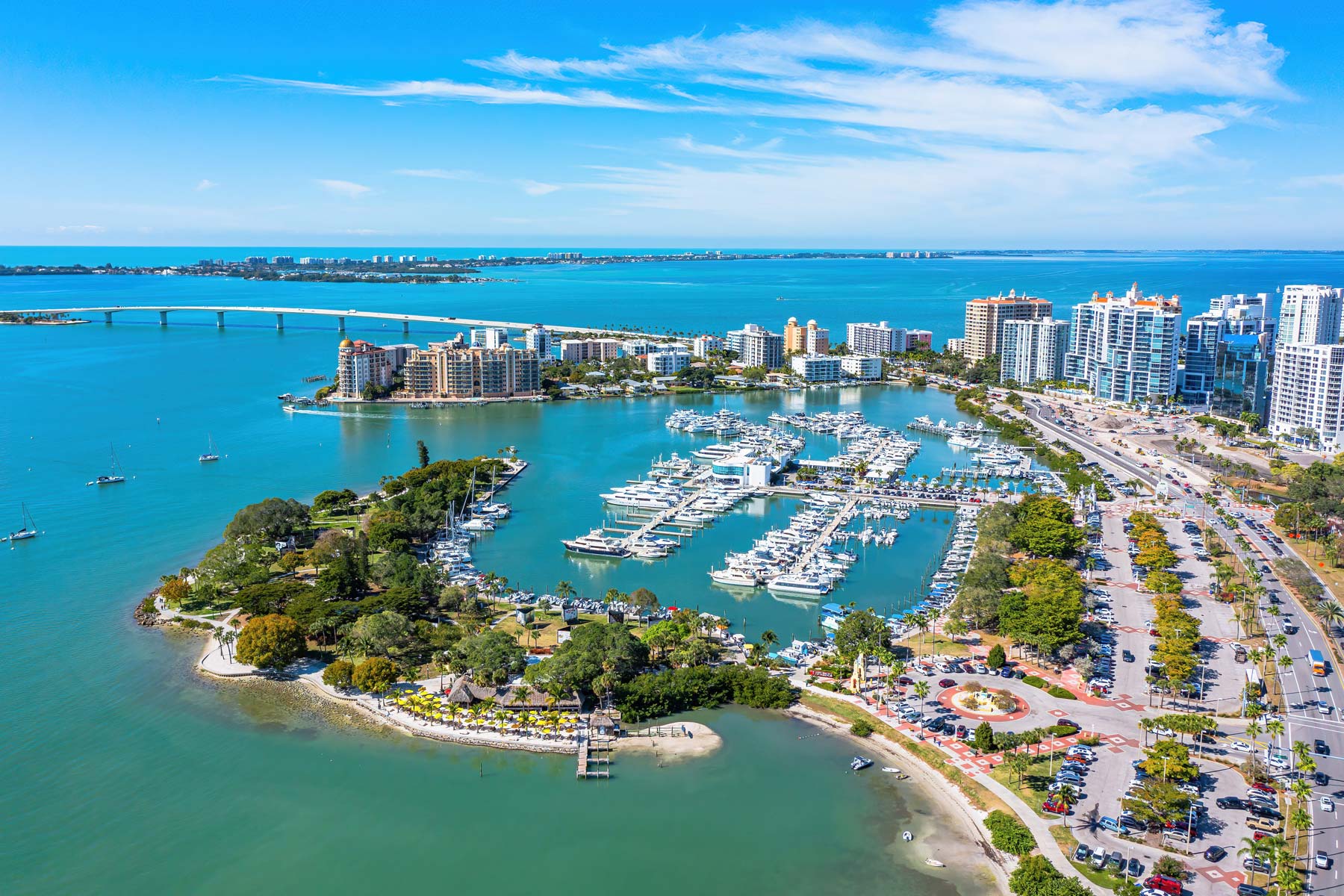
Sarasota: Located on the Gulf Coast, Sarasota is renowned for its vibrant arts and culture scene, beautiful beaches (including Siesta Key Beach), and a relaxed yet sophisticated atmosphere. It’s popular with retirees and families seeking a high quality of life with excellent amenities. Accommodation options range from luxury villas to charming apartments.
-
Naples: Further south on the Gulf Coast, Naples is synonymous with luxury. It offers upscale shopping, fine dining, pristine beaches, and world-class golf courses. It’s an ideal spot for those seeking an exclusive, high-end lifestyle amidst natural beauty.
-
Tampa: A dynamic city on Florida’s Gulf Coast, Tampa is a rapidly growing urban hub with a strong job market, diverse culinary scene, and lively nightlife. It balances metropolitan conveniences with easy access to beaches and outdoor activities, making it attractive to young professionals and families. It’s also home to major professional sports teams and offers a variety of hotels and resorts.
-
Orlando: While famous for its theme parks like Walt Disney World and Universal Orlando Resort, Orlando is also a thriving city with a growing tech industry, diverse communities, and a wealth of entertainment options. It’s an energetic place, offering a family-friendly environment with constant tourism activities and a wide range of accommodation choices.
-
Fort Lauderdale: Often called the “Venice of America” due to its extensive canal system, Fort Lauderdale offers beautiful beaches, a vibrant boating culture, and a bustling downtown area. It’s a great choice for those who enjoy a lively social scene, proximity to Miami, and a cosmopolitan vibe. Many hotels and resorts cater to both short-term visitors and those seeking long-term stays.
-
Miami: A global metropolis, Miami is a hub of international finance, culture, and entertainment. Its vibrant Latin American influence, stunning beaches, art deco architecture, and world-renowned nightlife make it an exciting and energetic place to live. It’s ideal for those seeking a fast-paced, diverse urban experience with luxurious amenities and a multitude of cultural activities.
-
Jacksonville: The largest city in Florida by land area, Jacksonville on the Atlantic Coast offers a more laid-back feel than South Florida cities. It boasts extensive parks, beautiful beaches, a growing job market, and a more affordable cost of living compared to its southern counterparts. It’s an excellent choice for families and those who appreciate a balance of urban amenities and natural beauty.
Other notable cities include St. Petersburg for its arts scene and waterfront parks, Gainesville for its university-town atmosphere, Key West for its unique island charm and bohemian lifestyle, and Daytona Beach for its racing heritage and sandy shores. Cities like Destin and Panama City Beach in the Panhandle offer stunning white sand beaches and emerald waters, popular for family vacations and beach tourism. Each city offers its own blend of amenities, local culture, and lifestyle, ensuring that there’s a perfect fit for almost any preference.
In conclusion, Florida offers a compelling package for potential residents, blending an appealing climate with a diverse range of activities, cultural experiences, and economic opportunities. While the challenges of hurricanes, traffic, and cost of living in certain areas are undeniable, for many, the benefits far outweigh the drawbacks. The decision of whether Florida is a great place to live ultimately depends on individual priorities, but with its endless sunshine and vibrant lifestyle, it certainly holds a unique appeal.
LifeOutOfTheBox is a participant in the Amazon Services LLC Associates Program, an affiliate advertising program designed to provide a means for sites to earn advertising fees by advertising and linking to Amazon.com. Amazon, the Amazon logo, AmazonSupply, and the AmazonSupply logo are trademarks of Amazon.com, Inc. or its affiliates. As an Amazon Associate we earn affiliate commissions from qualifying purchases.