
The question “Is Florida The South?” sparks a perennial debate, inviting contemplation on geography, history, culture, and the ever-evolving identity of one of America’s most visited states. Geographically, there’s no denying Florida’s position squarely within the Southeastern United United States. However, cultural identity is far more nuanced than lines on a map. While the Sunshine State undoubtedly shares a border and historical ties with its Southern neighbors, its unique demographic tapestry, economic drivers, and diverse lifestyle offerings often lead visitors and residents alike to question how deeply it truly embodies the traditional “Southern” archetype.
Florida is a land of fascinating contradictions, a place where antebellum mansions sit just a few hours’ drive from futuristic theme parks, and where traditional Southern comfort food coexists with vibrant Latin American cuisine. From the Spanish colonial roots of St. Augustine, America’s oldest continuously inhabited European-established settlement, to the Art Deco glamour of Miami Beach, the state presents a kaleidoscope of experiences. Understanding Florida’s Southernness, or lack thereof, requires delving into its distinct regions, each with its own character and influences that shape its overall appeal as a travel destination and a place to live.

Geographic Roots and Historical Echoes
To truly grasp Florida’s Southern identity, one must first look to its northern reaches, particularly the Florida Panhandle and the state’s capital corridor. Here, the echoes of the traditional South resonate most profoundly, offering a stark contrast to the bustling metropolises and international flair found further south.
Deep Southern Heritage in North Florida
North Florida, particularly the cities of Jacksonville, Tallahassee, and Pensacola, presents the most undeniable argument for Florida’s Southern roots. Here, the landscape transitions from the subtropical palms of the lower peninsula to the pine forests and rolling hills more characteristic of Georgia and Alabama. This region was deeply intertwined with the agrarian economy of the old South, relying on cotton and tobacco plantations worked by enslaved people. The legacy of this era is evident in historical landmarks, preserved antebellum homes, and the distinct cultural patterns that persist today.
In Tallahassee, the capital city, you’ll find magnificent historic districts filled with grand oak trees dripping with Spanish moss, stately mansions, and a slower pace of life that harkens back to earlier times. The city’s connection to Southern history is profound, serving as the only Confederate capital east of the Mississippi River not captured by Union forces during the Civil War. Visitors interested in history can explore sites like the Knott House Museum or the Florida Historic Capitol Museum, offering insights into the state’s past.
The culinary scene in North Florida also strongly reflects Southern traditions. Here, menus frequently feature classic dishes such as fried chicken, collard greens, grits, and pecan pie. The hospitality, too, often aligns with the courteous and welcoming demeanor typically associated with the South. This region is a treasure trove for those seeking an authentic Southern experience within Florida, making it a key destination for travelers interested in local culture, historical landmarks, and traditional food.
The Panhandle’s Unmistakable Southern Charm
Extending westward from Tallahassee along the Gulf Coast to the Alabama border, the Florida Panhandle is arguably the most “Southern” part of the state. It’s often referred to as “LA” (Lower Alabama) due to its strong cultural and economic ties to its neighboring state. Towns like Pensacola, DeFuniak Springs, and Marianna exude a small-town Southern charm, characterized by community events, local festivals, and a strong sense of heritage.
Pensacola, one of the oldest cities in Florida, boasts a rich history shaped by Spanish, French, British, and American influences, but its Southern character remains prominent. The historic downtown area, with its beautiful architecture and vibrant arts scene, offers a glimpse into its past. The National Naval Aviation Museum and the pristine beaches of the Gulf Islands National Seashore are major attractions, drawing visitors who appreciate both history and natural beauty.
Accommodation in the Panhandle ranges from charming bed and breakfasts in historic homes to modern resorts along the coast, catering to diverse preferences, including budget-friendly options and more luxurious stays. The region’s tourism thrives on its relaxed pace, family-friendly beaches, and opportunities to experience local culture and traditional Southern hospitality.
A Melting Pot: The Central and South Florida Transformation
As one travels south from the Panhandle and North Florida, the traditional Southern identity begins to blur, giving way to a more cosmopolitan and diverse cultural landscape. This transformation is largely a result of significant migration patterns and the state’s evolution into a global tourism hub.
The Influence of Migration and Tourism
Central and South Florida have experienced immense population growth over the past century, largely driven by internal migration from the Northeast and Midwest of the United States, as well as international immigration. This continuous influx has created a demographic mosaic that is distinctly different from the historical population of the Southern states. Retirees, families seeking warmer climates, and professionals looking for new opportunities have all contributed to Florida’s unique blend of cultures.
Cities like Orlando, the undisputed theme park capital of the world, exemplify this shift. Home to global attractions such as Walt Disney World Resort and Universal Orlando Resort, Orlando caters to an international audience, and its culture is heavily influenced by the tourism industry. Here, the emphasis is on modern entertainment, global cuisine, and a fast-paced, often transient, lifestyle that bears little resemblance to traditional Southern living. Accommodation options are vast, from sprawling resorts with extensive amenities to budget-friendly hotels and vacation villas, all designed to serve millions of visitors annually.
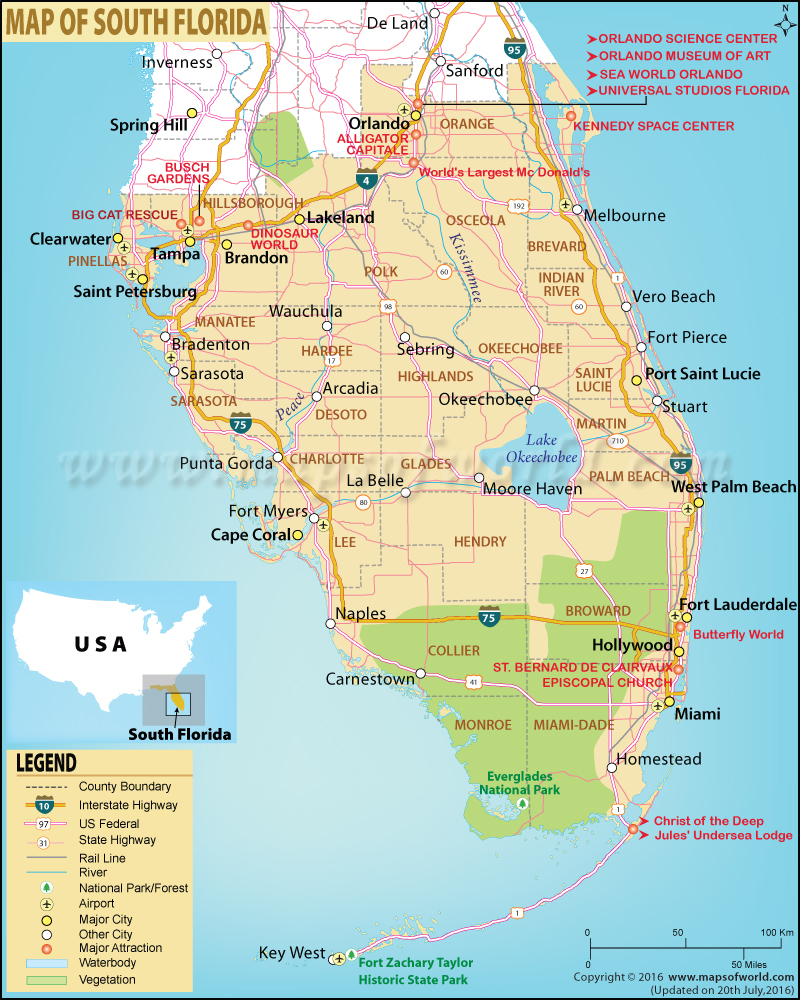
Similarly, the Gulf Coast cities like Tampa, St. Petersburg, and Sarasota have also seen significant growth. These areas attract a diverse population seeking beautiful beaches, vibrant arts scenes, and a relaxed, sun-drenched lifestyle. While they retain some underlying Southern charm, their modern identity is shaped more by their roles as major metropolitan areas and popular tourist destinations.
Latin American and Caribbean Rhythms
Nowhere is Florida’s departure from a purely Southern identity more evident than in South Florida, particularly in Miami and its surrounding areas like Hialeah and Fort Lauderdale. These regions are profoundly influenced by their proximity to Latin America and the Caribbean, resulting in a vibrant, multicultural atmosphere that often feels more akin to a Caribbean island or a Latin American metropolis than a traditional American Southern city.
Miami is a global hub, often referred to as the “Gateway to the Americas.” Its culture is predominantly shaped by Cuban, Haitian, Colombian, Venezuelan, and other Latin American communities. This rich tapestry is reflected in every aspect of life: the dominant languages (Spanish is widely spoken), the music (salsa, merengue, reggaeton), and especially the food. From authentic Cuban sandwiches and strong cafecitos to fresh ceviche and Caribbean spices, Miami’s culinary landscape is a celebration of international flavors.
The lifestyle in South Florida is distinctly unique. The pace is energetic, the nightlife is legendary, and the fashion and art scenes are cutting-edge. The iconic Art Deco architecture of Miami Beach, the colorful murals of Wynwood Walls, and the bustling street life of Little Havana all contribute to an atmosphere that feels decidedly non-Southern. For tourists, exploring Miami offers an immersive cultural experience, a chance to explore diverse neighborhoods, enjoy world-class dining, and dance to Latin rhythms, all while basking in the South Florida sunshine.
Lifestyle and Visitor Experience: Beyond Southern Stereotypes
The distinct regional differences within Florida create a myriad of lifestyle choices and travel experiences, allowing visitors to tailor their journeys to preferences that may or may not align with traditional Southern stereotypes.
Diverse Accommodation and Travel Styles
Florida’s extensive range of accommodation options caters to virtually every travel style and budget, reflecting its diverse identity. For those seeking luxury travel, the state offers some of the most opulent resorts and hotels in the world. Iconic establishments like The Breakers Palm Beach provide a lavish experience with exquisite dining, championship golf courses, and private beach access. In places like Naples and Boca Raton, upscale villas and boutique hotels cater to discerning travelers looking for refined comfort and personalized service.
On the other hand, budget travel is equally accessible, especially around major attractions and coastal towns. Numerous chain hotels, vacation rentals, and campgrounds provide affordable options for families and solo adventurers. Key West, for example, offers a mix of charming guesthouses and lively boutique hotels that capture its laid-back, bohemian spirit.
Family trips often center around the world-famous theme parks in Orlando, which are equipped with extensive family-friendly resorts offering everything from kids’ clubs to water parks. For those interested in eco-tourism and nature, the serene beauty of Everglades National Park or the crystal-clear springs of Central Florida offer unique experiences, often involving stays in rustic lodges or cabin rentals. The variety of choices means that visitors can find an accommodation and travel style that perfectly suits their vision of a perfect getaway, whether it’s a high-energy adventure or a tranquil retreat.
The Florida Vibe: Sunshine, Beaches, and Modernity
Regardless of its Southern ties, Florida’s dominant “vibe” is undeniably characterized by sunshine, stunning beaches, and a pervasive sense of leisure and modernity. The state boasts some of the world’s most beautiful coastlines, from the sugary white sands of Clearwater Beach and Siesta Key to the vibrant shores of South Beach in Miami. These natural assets, combined with a generally warm climate year-round, attract millions of visitors seeking relaxation, water sports, and outdoor activities.
The prevalent image of Florida in the global consciousness is less about moss-draped oak trees and quiet Southern towns, and more about bustling promenades, modern high-rises, and international cuisine. In its major urban centers, the lifestyle is often fast-paced, geared towards innovation, and heavily influenced by global trends in fashion, art, and technology. This contrasts sharply with the slower, more traditional rhythms often associated with “The South.”
Florida has successfully branded itself as a premier destination for travel and tourism, offering a unique blend of natural beauty, world-class entertainment, and a vibrant, multicultural environment. Whether one is exploring the historic districts of St. Augustine, snorkeling in the Florida Keys, or enjoying the nightlife in Miami, the overall experience is distinctly Floridian – a blend that often transcends, rather than conforms to, traditional Southern stereotypes.

Conclusion: A State of Nuance and Contradictions
So, is Florida “The South”? The answer is not a simple yes or no, but rather a complex acknowledgment of a state that embodies elements of Southern identity while simultaneously forging its own unique path. In its northern reaches and the Panhandle, Florida undeniably retains deep Southern cultural, historical, and culinary roots. Here, visitors can experience the traditional hospitality, historic landmarks, and classic comfort food that define the region.
However, as one moves south, Florida transforms into something else entirely. Influenced by massive internal migration and a vibrant influx of Latin American and Caribbean cultures, Central and South Florida have cultivated a distinct identity that is more global, more modern, and less traditionally Southern. The state’s booming tourism industry, with its world-class theme parks and luxurious resorts, further contributes to this unique character, attracting visitors from every corner of the globe.
Ultimately, Florida stands as a bridge between multiple worlds – a place where the charm of the Old South meets the dynamism of a global crossroads. It is a state of captivating nuance and intriguing contradictions, making it a endlessly fascinating destination for travel and exploration. Whether you seek historical depth, cultural immersion, thrilling adventures, or simply sun-drenched relaxation, Florida offers a mosaic of experiences that are truly its own, transcending simple geographic or cultural labels. It is, in essence, Floridian, and that is what makes it so uniquely compelling.
LifeOutOfTheBox is a participant in the Amazon Services LLC Associates Program, an affiliate advertising program designed to provide a means for sites to earn advertising fees by advertising and linking to Amazon.com. Amazon, the Amazon logo, AmazonSupply, and the AmazonSupply logo are trademarks of Amazon.com, Inc. or its affiliates. As an Amazon Associate we earn affiliate commissions from qualifying purchases.