
Florida, a beacon for travelers seeking sunshine, stunning beaches, and vibrant city life, is also a land rich in diverse ecosystems. From the bustling streets of Miami to the enchanting theme parks of Orlando and the serene shores of the Gulf Coast, the state offers an unparalleled array of destinations and experiences. Yet, amidst this tropical paradise, a feathered inhabitant often sparks debate and concern: the Muscovy duck. For residents, property owners, and even curious tourists, the question of managing these prolific birds often arises, culminating in the surprisingly common query: “Is it legal to kill Muscovy ducks in Florida?”

This question, seemingly simple, unravels a complex web of environmental regulations, ethical considerations, and practical challenges that impact local communities, property values, and the overall aesthetic of some of Florida’s most cherished areas. Understanding the legalities and the broader implications of Muscovy duck management is crucial for anyone living in or visiting the Sunshine State, especially for those considering property investments, long-term stays, or even just a serene holiday at a resort or villa. These birds, classified as an invasive, non-native species, pose unique challenges that touch upon various aspects of Florida life, from public health to the enjoyment of local attractions and the maintenance of pristine accommodations. Delving into this topic provides insight not just into wildlife laws, but also into the delicate balance between urban development, natural ecosystems, and sustainable tourism practices that Florida constantly strives to maintain.
Understanding Muscovy Ducks: An Unwanted Guest in Florida’s Landscape
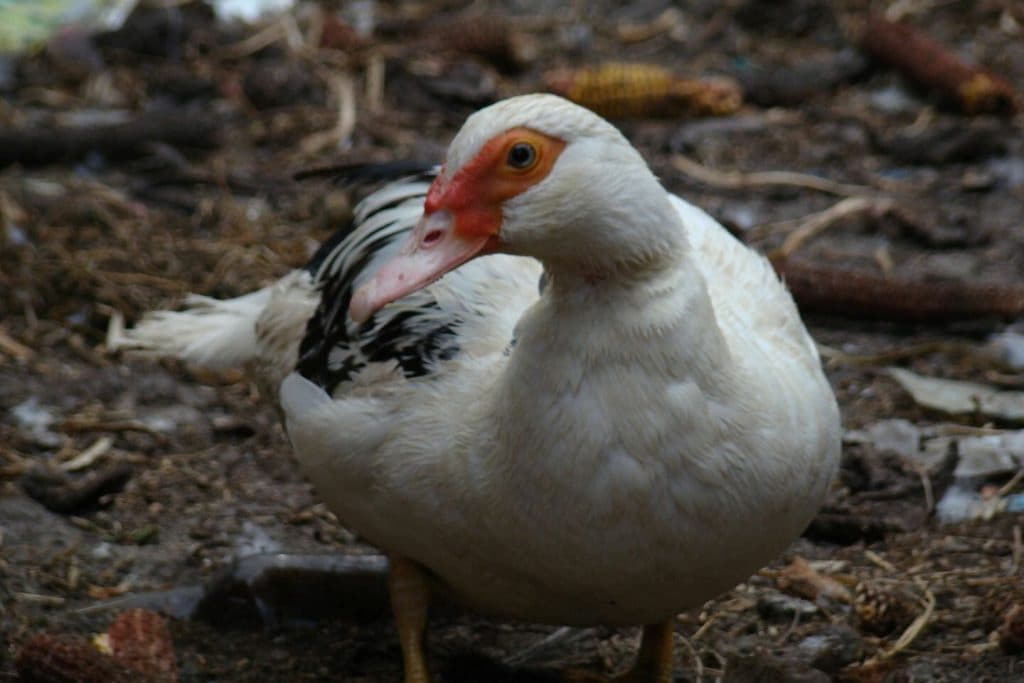
The Muscovy duck (Cairina moschata), with its distinctive warty face and often monochromatic plumage, is a sight that can be both striking and, for many Floridians, troublesome. Unlike the state’s beloved native waterfowl, these ducks are an exotic species, a fact central to understanding their legal status and the challenges they present.
Origin and Characteristics of the Muscovy Duck
Originally native to Central and South America and Mexico, Muscovy ducks were introduced to Florida centuries ago, primarily for agricultural purposes. Over time, escaped or released birds established feral populations, thriving in Florida’s warm climate and abundant water sources. They are easily recognizable by their large size, typically black and white (though other color variations exist), and the prominent, bumpy, red or black caruncles around their eyes and beak, especially on males. These birds are distinct from native ducks; they often perch in trees, have large, strong claws, and a more aggressive demeanor. Their reproductive rate is high, and they are remarkably adaptable, allowing their populations to expand rapidly in urban and suburban environments across Florida, including popular tourist destinations and residential communities. This adaptability, while a testament to their resilience, is precisely what contributes to their classification as a nuisance.
The Nuisance Factor: Why They’re Problematic
The primary reason Muscovy ducks are considered a nuisance stems from their impact on both the environment and human quality of life. For residents and visitors alike, these issues can significantly detract from the appeal of a location, whether it’s a luxury resort, a family-friendly park, or a quiet residential neighborhood.
One of the most significant complaints revolves around their droppings. Large flocks of Muscovy ducks can quickly contaminate public spaces like sidewalks, boardwalks, golf courses, and swimming pool areas. This not only creates an unsightly mess but also poses potential health risks due to bacteria like Salmonella. For hotels and resorts, maintaining pristine grounds is paramount to guest satisfaction and positive reviews. A constant battle against duck droppings can escalate operational costs and negatively impact the guest experience, making a beautiful poolside area or a serene garden less inviting. Imagine staying at a five-star resort in Naples, only to find the pathways consistently soiled – it certainly impacts the perceived luxury and cleanliness.
Beyond sanitation, Muscovy ducks are known for their aggressive behavior, particularly during breeding season. Males can be territorial, chasing and even attacking smaller birds, pets, and occasionally people, especially if they perceive a threat to their ducklings. This aggression can disrupt the natural balance of local ecosystems, displacing native wildlife and impacting the serene atmosphere often sought after by visitors exploring Florida’s natural attractions. Their presence can also deter families with young children or pets from enjoying public parks or open spaces within communities.
Furthermore, these ducks can cause considerable property damage. They forage extensively, often destroying landscaping, golf course greens, and gardens. Their constant activity in water bodies can lead to erosion along pond banks and canals, affecting the structural integrity of waterfront properties and the aesthetics of planned communities. For those considering long-term accommodation or even investing in property in Florida, the potential for property damage and the ongoing cost of mitigation measures related to Muscovy ducks can be a significant concern, influencing lifestyle choices and financial planning.
The Legal Framework: Can You Kill Muscovy Ducks in Florida?
Navigating the legal landscape concerning Muscovy ducks in Florida requires understanding both federal and state regulations. The answer to the question “Is it legal to kill Muscovy ducks?” is not a simple yes or no, but rather depends on specific circumstances and adherence to established guidelines.
Federal and State Regulations on Non-Native Species
The critical distinction for Muscovy ducks lies in their classification as a non-native, or exotic, species. This status exempts them from the protections afforded to native migratory birds under the Migratory Bird Treaty Act (MBTA), a federal law enforced by the US Fish and Wildlife Service. Essentially, because they are not native to the United States and are considered an invasive species, the federal government generally does not protect feral populations of Muscovy ducks.
However, while federal protection is absent for feral populations, state regulations still apply. In Florida, the primary authority overseeing wildlife management is the Florida Fish and Wildlife Conservation Commission (FWC). The FWC permits the removal of nuisance Muscovy ducks on private property without a permit, provided the birds are not native species and the methods used are humane and comply with local ordinances. It’s crucial to distinguish between feral Muscovy ducks and domestic or pet ducks, which might be protected by animal cruelty laws. The FWC emphasizes humane treatment even for nuisance animals.
Specific Rules for Removal and Control
For property owners dealing with nuisance Muscovy ducks, the FWC outlines specific guidelines. The most common and generally accepted method for removal is trapping. Ducks can be trapped and then humanely euthanized or relocated. However, relocation can be complicated, as releasing ducks into another area without permission can simply transfer the problem and may be illegal, especially if releasing them onto public lands or where they might interfere with native wildlife. Many professional wildlife removal services in Florida specialize in the humane capture and disposal of Muscovy ducks in accordance with FWC guidelines.
Lethal removal by shooting or other methods is generally permitted only in specific circumstances, often requiring consultation with the FWC and adherence to local firearm ordinances. Discharging firearms in residential areas or near tourist attractions like those in Kissimmee or St. Petersburg is almost universally prohibited. Therefore, for most private citizens and businesses, humane trapping and euthanasia remain the most viable and legally compliant options for population control.
It is absolutely illegal to poison ducks or use any method that could cause undue suffering or pose a risk to other wildlife, pets, or humans. Animal cruelty laws in Florida are strict and apply to all animals, regardless of their native status. This ethical consideration is not just a legal mandate but also reflects broader societal values, often important to visitors who expect high standards of animal welfare in their travel destinations.
For businesses like hotels, resorts, or apartment complexes in destinations like Fort Lauderdale or Sarasota, engaging licensed pest control or wildlife management professionals is the recommended course of action. These experts are knowledgeable about the specific regulations, have the necessary equipment for humane capture, and can advise on long-term deterrence strategies. This ensures compliance, minimizes public relations risks, and allows the establishment to focus on providing an excellent experience for guests.
The Broader Impact on Florida’s Ecosystem and Tourism
The presence and management of Muscovy ducks extend beyond mere nuisance, impacting Florida’s delicate ecological balance and influencing the state’s vital tourism industry.
Ecological Concerns
As an invasive species, Muscovy ducks pose several threats to Florida’s native wildlife and ecosystems. They compete with native waterfowl for food, nesting sites, and territory, potentially outcompeting species that are already facing habitat loss due to development. Their aggressive nature can harass and displace native birds, including more vulnerable species, disrupting natural breeding patterns and food chains. This competition is particularly concerning in sensitive areas like the edges of the Everglades or protected state parks, where the preservation of indigenous flora and fauna is a top priority for environmental agencies and eco-tourism operators.
Furthermore, Muscovy ducks can be carriers of various diseases, including avian influenza and Salmonella, which can spread to native bird populations and potentially to humans. While the risk to humans might be low with proper hygiene, the potential for disease transmission among bird populations is a significant ecological concern, especially in areas with high concentrations of both native and non-native waterfowl. These ecological disruptions, if unchecked, could subtly undermine the natural beauty and biodiversity that draw millions of tourists to Florida each year, affecting everything from birdwatching experiences to the health of pristine water bodies.
Tourist Experience and Property Value
The impact of Muscovy ducks is tangibly felt in the tourism and real estate sectors. For visitors, a relaxing vacation can quickly be marred by the constant presence of aggressive, defecating ducks. Imagine a family enjoying a picnic in a park in Boca Raton or strolling through the meticulously maintained grounds of a resort in Palm Beach, only to encounter unsanitary conditions or territorial birds. Such experiences can lead to negative reviews, diminish the perception of cleanliness and safety, and ultimately affect a destination’s appeal. Many hotels and resorts invest heavily in landscape design and maintenance, and persistent duck issues can undermine these efforts, impacting guest satisfaction and repeat bookings. The “lifestyle” aspect of luxury travel or family holidays often includes immaculate surroundings, and nuisance wildlife directly interferes with this expectation.
From a property and accommodation perspective, uncontrolled Muscovy duck populations can negatively influence property values. Homes and communities with significant duck problems can experience difficulties in property maintenance, increased costs for cleaning and landscaping, and a general decrease in aesthetic appeal. This is especially relevant in Florida’s competitive real estate market, where waterfront properties and well-maintained communities are highly valued. For individuals considering purchasing a villa for long-term stays or as an investment, the presence of a nuisance animal problem can be a significant deterrent. Real estate professionals often advise clients on potential wildlife issues, as they can directly impact the desirability and long-term value of an accommodation.
Furthermore, tourism in Florida is often tied to the state’s natural beauty and outdoor activities. Parks, nature preserves, and scenic waterfronts are major attractions. When these areas are overrun with an invasive species that disrupts the natural environment and creates sanitation issues, it can detract from the overall tourist experience, impacting the reputation of Florida as a premier travel destination. Effective management of these populations is therefore not just an ecological imperative but also an economic one, vital for sustaining the state’s booming tourism industry and supporting the vibrant lifestyle enjoyed by both residents and visitors.
Responsible Coexistence: Managing Muscovy Ducks Ethically
Given the legal complexities and the various impacts of Muscovy ducks in Florida, a responsible and ethical approach to their management is essential. The goal is to minimize their nuisance impact while adhering to humane practices and legal guidelines, fostering a better coexistence for everyone, from local residents to international travelers.
Prevention and Deterrence Strategies
The most effective long-term solution to Muscovy duck problems often starts with prevention and deterrence rather than just removal. A key factor in their proliferation in urban and suburban areas is human feeding. Never feed Muscovy ducks or any other wildlife. This is perhaps the single most important action individuals can take. Feeding ducks encourages them to congregate in specific areas, become dependent on human food, and lose their natural wariness, exacerbating nuisance issues. Many Florida cities and communities, from Tampa to Jacksonville, have ordinances prohibiting the feeding of wildlife for this very reason. Educational campaigns often target both residents and tourists to prevent this common, yet harmful, practice.
Beyond not feeding, property owners can implement habitat modification strategies. Reducing available nesting sites, such as dense shrubs or ground cover near water bodies, can discourage ducks from settling. Installing physical barriers like fences around ponds, gardens, or amenity areas can also limit their access. For hotels and resorts, landscaping choices can play a role; opting for plants that are less palatable to ducks or creating designs that make it harder for them to access certain areas can be effective. Visual deterrents, such as reflective devices or scarecrows, might offer temporary relief, though ducks are known to habituate to them over time. Maintaining clean environments, promptly removing fallen fruit or pet food, and securing trash receptacles also eliminate potential food sources that attract ducks.
Seeking Professional Help and FWC Guidance
For persistent or severe Muscovy duck issues, especially for large properties or communities, seeking professional assistance is highly recommended. Licensed wildlife removal specialists or pest control companies are equipped to handle duck problems humanely and legally. They can assess the specific situation, implement trapping programs, and provide expert advice on long-term management plans. These professionals understand FWC regulations and ensure all actions comply with state laws, mitigating legal risks for property owners.
The FWC itself is an invaluable resource. Their website provides detailed guidelines on managing nuisance wildlife, including specific information on Muscovy ducks. Property managers, homeowners’ associations, and individuals can contact the FWC for clarification on regulations, advice on humane methods, or referrals to licensed professionals. Their guidance is crucial for anyone contemplating active removal, ensuring that actions are both effective and legally sound, thereby protecting both the property owner and the animals involved.

Community and Personal Responsibility
Ultimately, the successful management of Muscovy ducks in Florida relies on a collective effort. Community associations, local governments, and individual residents and visitors all have a role to play. Educating oneself and others about the ecological impacts of invasive species, the legal framework for their management, and the importance of not feeding wildlife contributes significantly to the solution. Promoting responsible tourism practices, where visitors are encouraged to respect local wildlife and regulations, also helps maintain the ecological integrity and aesthetic appeal of Florida’s destinations.
For those enjoying a luxurious stay in a Florida resort, exploring the natural beauty of its parks, or considering a permanent move, understanding and participating in responsible wildlife management is part of embracing the unique Florida lifestyle. It ensures that the state remains a welcoming haven for both its human inhabitants and its native wildlife, allowing the charm and vibrancy of destinations like Key West or the pristine environments of its state parks to endure for future generations of travelers and residents alike. While the question of killing Muscovy ducks might initially seem stark, it opens up a broader conversation about sustainable living and ethical interaction with the natural world that forms such an integral part of the Florida experience.
LifeOutOfTheBox is a participant in the Amazon Services LLC Associates Program, an affiliate advertising program designed to provide a means for sites to earn advertising fees by advertising and linking to Amazon.com. Amazon, the Amazon logo, AmazonSupply, and the AmazonSupply logo are trademarks of Amazon.com, Inc. or its affiliates. As an Amazon Associate we earn affiliate commissions from qualifying purchases.