
Florida, often lauded as the Sunshine State for its pristine beaches, vibrant theme parks, and rich cultural experiences, attracts millions of visitors annually. For many, a trip to Florida is synonymous with relaxation, adventure, and perhaps a touch of luxury travel. As digital platforms continue to reshape various industries, the question of online sports betting legality frequently arises, especially among travelers and residents seeking to engage with their favorite sports in new ways. The intersection of Florida’s thriving tourism sector and the burgeoning interest in online wagering creates a complex and dynamic landscape.
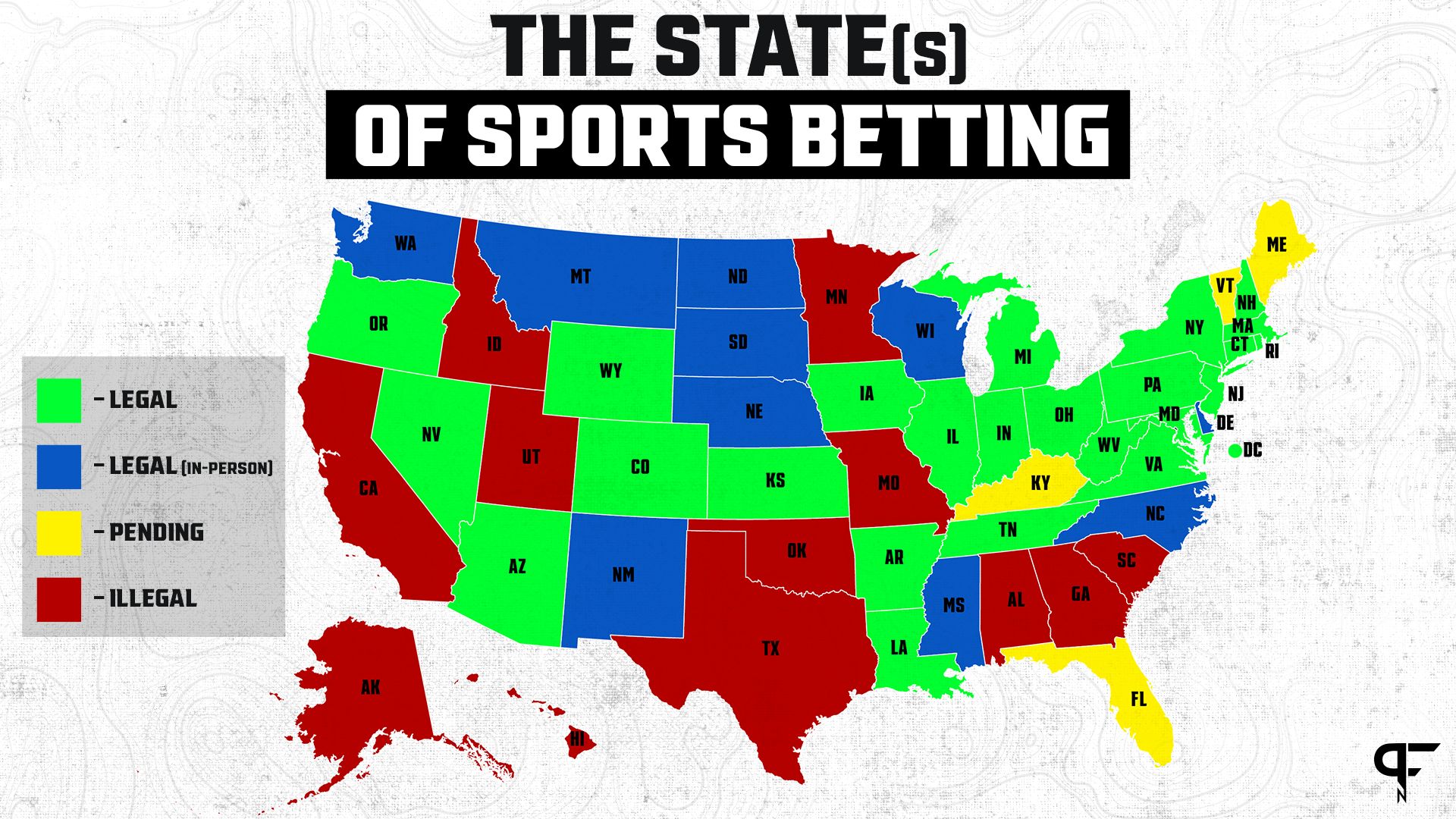
The legal status of online sports betting in Florida is not a straightforward ‘yes’ or ‘no’ answer. It has been a saga marked by legislative debates, tribal compacts, court challenges, and a fluctuating operational status that can be confusing for even the most informed observer. For those planning a stay in a Florida resort, considering a long-term rental, or simply living out their daily lifestyle in the state, understanding the intricacies of this legal environment is crucial. This article delves into the convoluted journey of online sports betting in Florida, exploring its past, present, and potential future, while also considering its broader implications for travel, tourism, and local lifestyle.
The Complex Legal Landscape of Sports Betting in the Sunshine State
Florida has a long and often contentious history with gambling. From horse racing and jai-alai to the rise of tribal casinos, the state has continuously grappled with how to regulate and benefit from various forms of wagering. This historical context is essential to understanding the current situation surrounding online sports betting, which represents the latest chapter in this ongoing narrative.
A Brief History of Gambling in Florida
Gambling in Florida dates back to the early 20th century with pari-mutuel wagering on horse and dog races. These activities were seen as legitimate forms of entertainment and revenue generation. Over the decades, the landscape evolved, with attempts to introduce lotteries and expand casino-style gambling often met with significant public and political resistance. The turning point came with the Indian Gaming Regulatory Act (IGRA) of 1988, a federal law that allowed Native American tribes to operate casinos on their lands, provided they entered into compacts with state governments.
This legislation paved the way for the Seminole Tribe of Florida to become a major player in the state’s gambling industry. Their ventures, particularly the Hard Rock Hotel & Casino chain, transformed the tourism and entertainment offerings across Florida, providing significant accommodation options and drawing visitors to destinations like Hollywood and Tampa. The success of these tribal casinos, offering everything from slots to table games, laid the groundwork for future discussions about expanding gambling options, including sports betting.
The Seminole Tribe and the Gaming Compact
The concept of a Gaming Compact between the State of Florida and the Seminole Tribe is central to the online sports betting saga. These compacts are legal agreements that outline the scope of gambling activities the tribe can offer and the revenue-sharing arrangements with the state. For years, negotiations over expanding the compact to include sports betting were complex, involving intense political maneuvering, economic considerations, and legal interpretations.
In 2021, a new Gaming Compact was signed between Governor Ron DeSantis and the Seminole Tribe of Florida, and subsequently ratified by the Florida Legislature. This landmark agreement granted the Seminole Tribe exclusive rights to offer sports betting throughout the state, including online. The compact proposed a “hub-and-spoke” model, where all online sports bets placed anywhere in Florida would technically be deemed to occur on tribal lands, specifically on the Seminole Tribe’s servers. This creative legal interpretation was designed to circumvent concerns that expanding gambling beyond tribal lands would require a statewide voter referendum, as mandated by Amendment 3, passed in 2018. The compact promised substantial revenue for the state, potentially billions of dollars over the coming decades, making it an attractive proposition for lawmakers eager to boost public coffers.
Current Status: A Rollercoaster Ride of Legal Battles
The journey of online sports betting in Florida since the 2021 compact has been anything but smooth. What began with optimism quickly descended into a series of legal challenges that have kept the industry in a state of flux.
The Initial Launch and Immediate Challenges
Following the ratification of the compact, the Seminole Tribe launched its online sports betting app, Hard Rock Bet, in November 2021. For a brief period, residents and visitors across Florida could legally place bets on their mobile devices. This period generated significant excitement, especially among sports enthusiasts and those looking for new forms of entertainment during their travels. The app was easily accessible, and the convenience of betting from anywhere – whether lounging by a resort pool in Miami, exploring the landmarks of St. Augustine, or enjoying a family trip near Orlando – was a clear draw.
However, this initial launch was short-lived. Almost immediately, legal challenges emerged. Two pari-mutuel operators, West Flagler Associates and Bonita-Fort Myers Corporation, filed lawsuits, arguing that the “hub-and-spoke” model violated the Indian Gaming Regulatory Act (IGRA) by allowing gambling off tribal lands without a statewide vote. They contended that the compact effectively authorized off-reservation gambling, which is not permitted under IGRA unless explicitly approved by the state’s voters.
The Federal Court’s Ruling and its Aftermath
The legal challenge gained traction, and in November 2021, a U.S. District Court judge in Washington D.C. ruled in favor of West Flagler Associates, invalidating the compact. The court determined that the “hub-and-spoke” model, which considered all bets placed within Florida as originating on tribal land, was a “fiction” that violated IGRA. The judge stated that the law “does not contemplate the gaming compact as a vehicle for authorizing betting off Indian lands.”
This ruling brought online sports betting in Florida to an abrupt halt. The Hard Rock Bet app ceased operations just weeks after its launch, leaving many users and industry observers in limbo. The Seminole Tribe appealed the decision, and the case moved through higher federal courts, including the U.S. Court of Appeals for the D.C. Circuit. In June 2023, the appeals court reversed the district court’s decision, ruling that the federal government (specifically the U.S. Department of the Interior, which approved the compact) did not exceed its authority under IGRA by allowing the compact to take effect. This reversal opened the door for online sports betting to potentially return to Florida.
What Does This Mean for Residents and Visitors?
The legal see-saw has created significant uncertainty. As of late 2023, the online sports betting landscape in Florida remains volatile. While the appeals court ruling was a victory for the Seminole Tribe, the pari-mutuel operators (West Flagler Associates) have continued their legal fight, filing requests for rehearing and potentially preparing to take the case to the U.S. Supreme Court. This means that despite the appeals court’s decision, the immediate legality of online sports betting outside of tribal lands is still subject to ongoing judicial review.
For residents and visitors, this translates to a current environment where online sports betting through the Hard Rock Bet app is not widely available or legally clear-cut across the state. While the Seminole Tribe has resumed operations in late 2023 after receiving a favorable ruling that cleared the path for them to operate, the underlying legal challenges from West Flagler Associates persist. Therefore, while the app might be functional, its long-term legal standing could still be challenged. When visiting Florida or considering accommodation for an extended stay, it’s always advisable to consult the most current legal information regarding gambling regulations. The Florida Gaming Control Commission is the primary regulatory body, and their official pronouncements provide the clearest guidance.
Navigating the Future of Online Sports Betting in Florida
The legal battles are far from over, and the future of online sports betting in Florida remains a topic of intense speculation and ongoing debate. Several pathways could determine its ultimate fate, each with its own set of challenges and implications.
Potential Scenarios and Legislative Efforts
One potential scenario involves the resolution of the current legal challenges. If the U.S. Supreme Court declines to hear the case, or rules in favor of the Seminole Tribe and the state, the compact would likely be affirmed, allowing the Seminole Tribe to operate online sports betting without further federal legal hurdles. This would bring much-needed stability to the market and allow both the tribe and the state to reap the promised financial benefits.
Another possibility involves legislative action. Even if the compact is affirmed, the Florida Legislature could revisit gambling laws, potentially seeking to expand sports betting beyond the Seminole Tribe’s exclusive control. However, any such move would likely face opposition from the Seminole Tribe and would almost certainly trigger a statewide voter referendum under Amendment 3, a process that proved challenging for similar initiatives in the past.
Finally, voter initiatives could play a role. Outside groups could attempt to gather enough signatures to place a constitutional amendment on the ballot, allowing for broader sports betting legalization. This path is arduous and expensive but could ultimately bypass the legislative and compact processes, putting the decision directly in the hands of Florida’s citizens. Each of these scenarios carries significant political, economic, and social implications for the state.
The Impact on Florida’s Tourism and Lifestyle
The legalization and stable operation of online sports betting could have a noticeable impact on Florida’s already robust tourism industry. For many visitors, particularly those from states where sports betting is legal, the ability to place bets while on vacation adds another layer of entertainment and engagement. Florida is a destination known for its diverse attractions, from the vibrant nightlife of Miami to the family-friendly appeals of Walt Disney World in Orlando. Integrating a popular lifestyle activity like online sports betting could make the state even more appealing to a wider demographic.
Furthermore, it could influence the types of accommodation and hotels that cater to tourists. Resorts and hotels might consider offering dedicated sports viewing areas or partnerships with betting platforms (if legally permissible beyond the tribe’s exclusive rights). The increased tax revenue generated from sports betting could also be reinvested into public services, infrastructure, or even tourism promotion, indirectly benefiting visitors and residents alike.
For Florida residents, stable online sports betting would offer a new form of entertainment, changing elements of their daily lifestyle. It would also potentially foster a greater sense of connection to local sports teams, from the Miami Heat to the Tampa Bay Buccaneers. However, alongside these potential benefits, there are also considerations regarding responsible gaming and the potential social impacts, which need careful management.
Responsible Gaming and Travel Considerations
While the allure of online sports betting can be strong, especially in a vibrant setting like Florida, it’s paramount to approach it responsibly. For both residents and visitors, prioritizing safety and ensuring that gambling remains a form of entertainment rather than a problem is key.
Ensuring a Safe and Enjoyable Experience
For those interested in online sports betting, whether they are enjoying a luxury stay in a South Florida hotel or exploring the historic landmarks of Pensacola, responsible gaming practices are essential. This includes setting personal limits on time and money spent, understanding the odds, and never betting more than one can afford to lose. Many platforms, including Hard Rock Bet when it was operational, offer tools for self-exclusion, deposit limits, and time-outs to help users manage their activity.
Florida already has resources in place to address problem gambling, primarily through the Florida Council on Compulsive Gambling. As the state navigates the future of online sports betting, an expansion of these resources and public awareness campaigns would be crucial to ensure that the economic benefits do not come at the expense of individual well-being. For travelers, it’s also important to be aware of the legal status in the specific location they are visiting, as laws can change and interpretations may vary.

Exploring Florida Beyond the Wagers
Regardless of the fluctuating legal status of online sports betting, Florida offers an unparalleled array of experiences that go far beyond wagering. For tourists planning their travel and accommodation, the Sunshine State is a treasure trove of destinations.
Consider a visit to Everglades National Park, a unique wetland landmark offering airboat rides and wildlife viewing. Explore the artistic lifestyle and vibrant streets of South Beach in Miami, perhaps staying in one of its iconic art deco hotels. For family fun, Orlando’s Universal Studios and Walt Disney World remain premier attractions. History buffs can delve into the nation’s oldest city, St. Augustine, with its ancient fort and charming colonial architecture. The Gulf Coast offers serene beaches and tranquil islands, perfect for a relaxing escape. From world-class dining in Tampa to the natural springs of North Florida, the state provides diverse activities for every kind of traveler.
Whether online sports betting ultimately achieves a stable legal footing or remains in a state of judicial limbo, Florida’s appeal as a top global destination for travel, tourism, and an extraordinary lifestyle remains undeniable. Its wealth of natural beauty, entertainment options, and diverse cultural offerings ensure that there is always something exciting to explore, bet or no bet.
LifeOutOfTheBox is a participant in the Amazon Services LLC Associates Program, an affiliate advertising program designed to provide a means for sites to earn advertising fees by advertising and linking to Amazon.com. Amazon, the Amazon logo, AmazonSupply, and the AmazonSupply logo are trademarks of Amazon.com, Inc. or its affiliates. As an Amazon Associate we earn affiliate commissions from qualifying purchases.