
Navigating the Sunshine State, whether for a fleeting vacation or a more extended stay, often hinges on the freedom and convenience that a driver’s license provides. For many visitors and new residents alike, obtaining a Florida driver’s license is a crucial step in fully experiencing the state’s offerings, from its sun-drenched beaches to its vibrant cities. This guide delves into the essential requirements, documentation, and procedures you’ll need to successfully secure your Florida driver’s license, ensuring your journeys across the diverse landscapes of Florida are as smooth as possible.
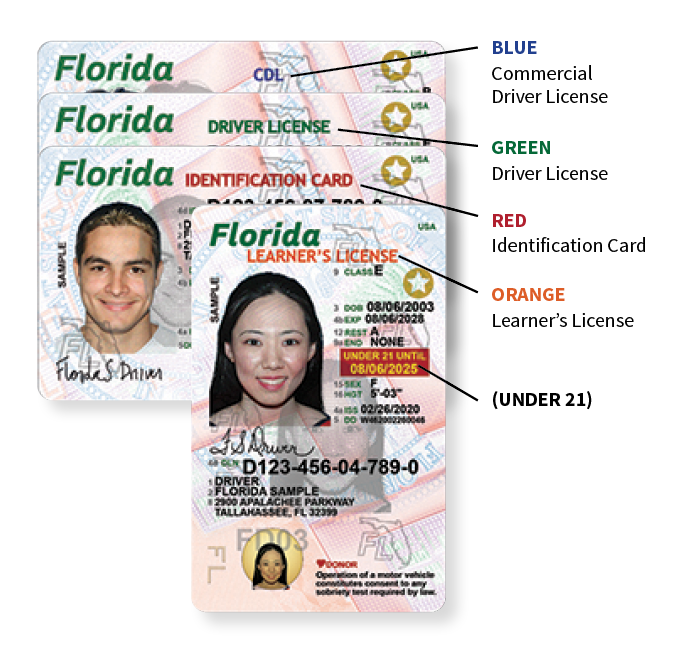
Understanding the Florida Driver’s License Landscape
The Florida Department of Highway Safety and Motor Vehicles (FLHSMV) oversees the issuance of all driver’s licenses within the state. The process and specific requirements can vary slightly depending on your residency status and the type of license you are seeking. This section outlines the fundamental categories of licenses and the general eligibility criteria.
Eligibility and Residency Requirements
To be eligible for a Florida driver’s license, you must meet certain age and residency criteria.
Age Qualifications
For a standard Class E driver’s license, the most common type for non-commercial driving, applicants generally must be at least 16 years old. However, there are specific provisions for younger drivers through a learner’s permit system.
- Learner’s Permit (Class E Permit): For individuals aged 15 to 17, a learner’s permit is the first step. To obtain this, you must have completed a traffic safety education course, passed a vision and a Class E knowledge exam. Permit holders must drive with a licensed driver at least 21 years of age occupying the front seat. There are also restrictions on nighttime driving and the number of passengers allowed.
- Restricted License (Age 16-17): At 16, you can apply for a restricted driver’s license after holding a learner’s permit for at least one year and passing a driving test. This license has limitations on driving between certain hours and with passengers under the age of 25, unless accompanied by a licensed adult.
- Full Class E License (Age 18+): Once you turn 18, you are eligible for an unrestricted Class E driver’s license, provided you meet all other requirements.
Proving Florida Residency
Establishing residency in Florida is a key component for obtaining a state-issued driver’s license. The FLHSMV requires proof of your intent to reside in the state, not just to visit. This can be demonstrated through various documents.
- Primary Identification: You will need to provide one proof of your identity. Acceptable documents include an original or certified copy of your birth certificate, a U.S. passport, or a certificate of naturalization.
- Proof of Social Security Number: A Social Security card is the most common document. If you do not have a Social Security card, other acceptable documents include pay stubs with your Social Security number or W-2 forms.
- Proof of Residential Address in Florida: This is where demonstrating your intent to reside is crucial. You’ll need two distinct documents that show your name and current residential address in Florida. Examples include:
- Utility bills (electricity, water, gas, landline phone, cable) in your name at your Florida address.
- Lease agreements or mortgage statements.
- Bank statements.
- Mail from government agencies.
- Property tax records.
- For non-U.S. citizens, a valid U.S. passport or other specific immigration documents will also serve as proof of identity and may contribute to residency proof.
It’s important to note that the FLHSMV has specific rules about what constitutes valid proof of residency, and documents must be current. Post office boxes are not accepted as proof of residential address.
The Application Process: Step-by-Step
Securing your Florida driver’s license involves a multi-step process that requires careful preparation and attention to detail. Understanding each stage will help you navigate the system efficiently.
Step 1: Gather Your Documentation
Before visiting a driver’s license service center, ensure you have all the necessary documents. This proactive approach will save you time and potential frustration. Refer to the list provided in the residency section above for your primary identification, proof of Social Security number, and proof of residential address.
Key Documents to Prepare
- Proof of Identity: Your primary identification document (e.g., birth certificate, U.S. passport).
- Proof of Social Security Number: Your Social Security card or equivalent.
- Proof of Residential Address (Two Documents): Ensure these are recent and clearly display your name and Florida address.
- Proof of Sight Screening: You will need to pass a vision test at the service center, but bringing a completed form from an authorized provider can expedite this.
Special Considerations for Non-U.S. Citizens
If you are not a U.S. citizen, you will need additional documentation to prove your lawful presence in the United States. This typically includes your passport and appropriate immigration documents (e.g., visa, I-94 form, Green Card). The FLHSMV has a comprehensive list of acceptable documents for non-U.S. citizens, which you should consult on their official website.
Step 2: Complete Required Courses and Exams
Depending on your age and prior driving experience, you may need to complete specific courses and pass written and driving examinations.
Driver Education and Traffic Law Substance Abuse Education (TLSAE)
- For First-Time Drivers Under 18: All individuals under 18 years of age are required to complete a Traffic Law Substance Abuse Education (TLSAE) course. This course covers topics such as substance abuse and its effects on driving abilities, traffic laws, and emergency procedures.
- Online and In-Person Options: These courses are available through licensed providers, both online and in-person. Upon completion, you will receive a certificate, which you must present when applying for your learner’s permit.
The Vision and Knowledge Tests
- Vision Screening: At the service center, you will undergo a vision screening to ensure your eyesight meets the minimum requirements for driving. If you wear glasses or contact lenses, you will be tested with them on, and a restriction will be placed on your license.
- Class E Knowledge Exam: This computer-based test assesses your understanding of Florida’s traffic laws, road signs, and safe driving practices. It consists of multiple-choice questions. Reviewing the Florida Driver Handbook is highly recommended to prepare for this exam. Passing this exam is necessary for obtaining a learner’s permit or a driver’s license.
Step 3: Visit a Driver’s License Service Center
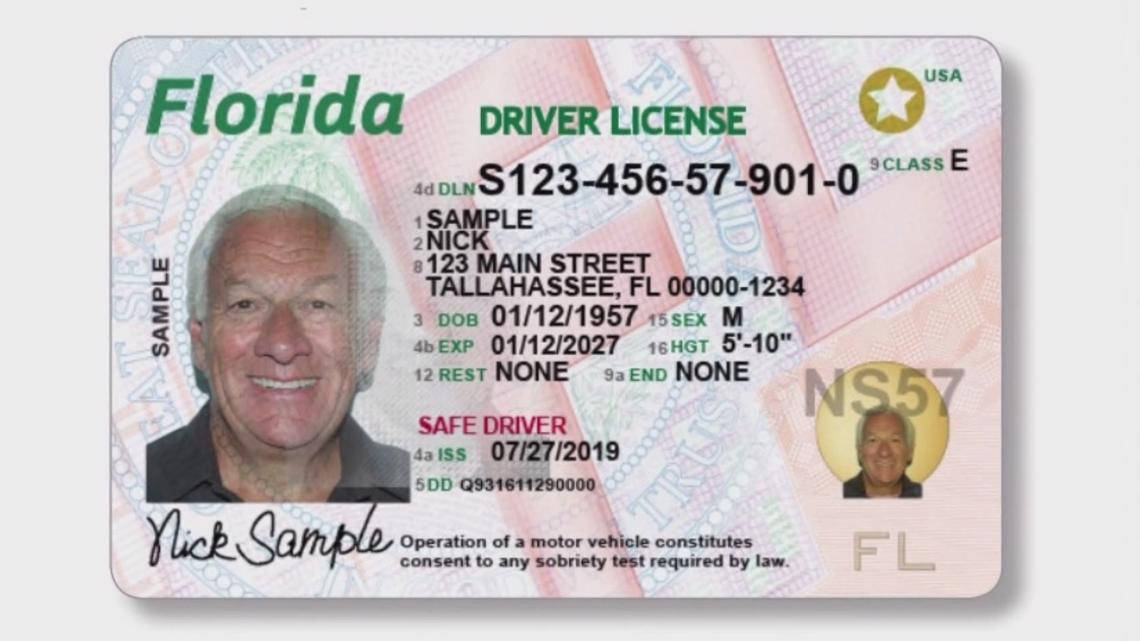
Once you have gathered your documents and completed any required courses, you will need to visit an authorized Florida Driver’s License Service Center.
Scheduling an Appointment and What to Expect
- Appointments Recommended: While walk-ins are sometimes accommodated, it is highly recommended to schedule an appointment online through the FLHSMV website to minimize wait times.
- Application Submission: At the service center, you will submit your application and all supporting documents.
- Biometrics: You will be required to provide your thumbprint.
- Photograph: A photograph will be taken for your driver’s license.
- Payment of Fees: There are fees associated with obtaining a driver’s license. The exact amount can vary, so it’s best to check the current fee schedule on the FLHSMV website. Payment is typically accepted in cash, check, or money order.
The Driving Skills Test (Road Test)
- For First-Time License Applicants: Unless you are transferring a valid out-of-state license, you will likely need to pass a driving skills test.
- Vehicle Requirements: You must provide a vehicle that is properly registered, insured, and in safe working condition for the road test. The examiner will check the vehicle’s lights, brakes, horn, and turn signals.
- Demonstrating Safe Driving: The test evaluates your ability to perform basic driving maneuvers safely, including turning, backing up, parking, and obeying traffic signals and signs. Familiarizing yourself with the driving test requirements and practicing these maneuvers is essential for success.
Navigating Specific Scenarios
The process of obtaining a Florida driver’s license can present unique considerations for different individuals. This section addresses common scenarios, such as transferring an out-of-state license and obtaining a license as a visitor.
Transferring an Out-of-State Driver’s License
If you hold a valid driver’s license from another U.S. state, you generally do not need to retake the written or driving tests when moving to Florida. However, you are required to transfer your license within a specified timeframe.
Requirements for Transfer
- Proof of Identity, Social Security Number, and Residency: You will need to present the same types of documents as a first-time applicant to prove your identity, Social Security number, and your new Florida residential address.
- Surrender Out-of-State License: You will need to surrender your valid out-of-state driver’s license.
- Vision Test: You will be required to pass a vision screening.
- Application and Fees: Complete the application form and pay the applicable fees.
- Timeframe: Generally, you have 30 days after establishing residency in Florida to obtain your state driver’s license.
Special Cases: Commercial Driver’s Licenses (CDLs)
If you are transferring a Commercial Driver’s License (CDL), the process may involve additional steps and medical certification requirements, as commercial driving regulations are more stringent.
Obtaining a License as a Visitor or Tourist
For individuals visiting Florida for a short period or who are not establishing residency, obtaining a full Florida driver’s license is typically not applicable. However, there are provisions for visitors.
International Drivers and Visitors
- Valid Foreign Licenses: Visitors from other countries may be able to drive in Florida using their valid, unexpired driver’s license from their home country, along with an International Driving Permit (IDP) if their home license is not in English.
- Length of Stay: There are limitations on how long a visitor can drive on a foreign license. If you plan to stay for an extended period or establish residency, you will need to obtain a Florida driver’s license.
- Applying for a Florida License as a Visitor: If a visitor intends to reside in Florida for an extended period (more than 180 days), they will be considered a resident and must apply for a Florida driver’s license. This requires meeting all the residency and documentation requirements outlined previously.
Non-Resident Identification Card
For those who do not intend to drive but need a state-issued identification document, Florida offers a Non-Resident Identification Card. This card serves as a valid form of identification for various purposes.
Maintaining Your Florida Driver’s License
Once you have successfully obtained your Florida driver’s license, it’s important to understand the responsibilities that come with it, including renewals and adhering to traffic laws.
License Renewal and Expiration
Your driver’s license will have an expiration date. It is your responsibility to renew your license before it expires to avoid penalties.
- Renewal Process: Renewals can often be done online, by mail, or in person at a service center. The FLHSMV will typically send out renewal notices.
- License Duration: Driver’s licenses in Florida are generally valid for 8 years for U.S. citizens and lawful permanent residents, and 5 years for other lawful permanent residents.

Traffic Laws and Violations
Driving in Florida requires adherence to all traffic laws. Familiarize yourself with state-specific regulations, speed limits, and traffic control devices.
- Points System: Florida employs a points system for traffic violations. Accumulating too many points can lead to license suspension.
- Consequences of Violations: Traffic violations can result in fines, increased insurance premiums, and in severe cases, license suspension or revocation. Always drive responsibly and safely.
By understanding these requirements and procedures, you can confidently navigate the process of obtaining your Florida driver’s license, unlocking the freedom to explore all that the beautiful state has to offer, from the bustling streets of Miami to the serene beauty of the Florida Keys.
LifeOutOfTheBox is a participant in the Amazon Services LLC Associates Program, an affiliate advertising program designed to provide a means for sites to earn advertising fees by advertising and linking to Amazon.com. Amazon, the Amazon logo, AmazonSupply, and the AmazonSupply logo are trademarks of Amazon.com, Inc. or its affiliates. As an Amazon Associate we earn affiliate commissions from qualifying purchases.