
Florida, often known as the Sunshine State, beckons travelers and new residents alike with its vibrant cities, pristine beaches, and world-renowned attractions. Whether you’re planning an extended vacation, relocating for work or retirement, or simply seeking a new adventure, having a car is often essential to truly experience all that Florida has to offer. From the magical theme parks of Orlando to the Art Deco splendor of Miami and the historic charm of St. Augustine, personal transportation provides the freedom and flexibility to explore at your own pace. However, before you hit the open roads, understanding the intricacies of car registration in Florida is crucial. This guide will walk you through everything you need to know, ensuring a smooth transition and uninterrupted enjoyment of your Florida lifestyle.
Understanding Florida Car Registration: A Traveler’s and New Resident’s Guide
Navigating the administrative aspects of a new state can sometimes feel overwhelming, but car registration in Florida is a straightforward process once you know the requirements. For those embracing the Florida dream, whether permanently or for an extended stay, registering your vehicle is not just a legal obligation but a gateway to a seamless experience.
Who Needs to Register a Car in Florida?
The question of who needs to register a car in Florida is fundamental. The rules primarily revolve around residency and the duration of your stay.
- New Residents: If you’re moving to Florida with the intent to establish permanent residency, you are generally required to register your vehicle within 10 days of becoming a resident or beginning employment in the state. This applies whether you’re relocating from another state or buying a car once you’ve arrived. This short grace period underscores the importance of prompt action to avoid potential penalties.
- Purchasing a Car in Florida: If you buy a car from a dealership in Florida, they will typically handle much of the initial paperwork for you, including temporary tags and submitting title applications. However, if you purchase from a private seller, the responsibility falls squarely on your shoulders to transfer the title and register the vehicle.
- “Snowbirds” and Seasonal Residents: Many individuals enjoy Florida’s warm winters, often referred to as “snowbirds.” If you spend more than 90 consecutive days in Florida or engage in employment, enroll your children in public schools, or register to vote, you are considered a resident for vehicle registration purposes. This is a critical distinction, as many seasonal visitors believe their out-of-state plates suffice indefinitely. Always check current regulations, as these rules can have exceptions, but generally, extended stays necessitate Florida registration.
Understanding these distinctions ensures that you comply with state laws, avoiding unnecessary complications and allowing you to fully immerse yourself in the Florida lifestyle without legal worries.
Why Florida Car Registration Matters for Your Lifestyle
Beyond legal compliance, proper car registration in Florida is integral to fully enjoying your time in the state, whether you’re a long-term resident or on an extended holiday.
- Freedom to Explore: Imagine road-tripping down the Florida Keys Scenic Highway to Key West, exploring the vibrant nightlife of Miami Beach, or discovering the natural beauty of the Everglades National Park. A properly registered vehicle provides the means to traverse the state effortlessly, accessing hidden gems and popular landmarks that public transportation simply cannot reach. This freedom is at the core of the Florida experience, enabling spontaneous adventures and curated itineraries alike.
- Access to Attractions and Amenities: From the enchanting Walt Disney World Resort and Universal Orlando Resort in Orlando to the pristine sands of Clearwater Beach and the cultural richness of Sarasota, a car is often the most practical way to commute to work, shop for groceries, or visit doctor’s appointments, especially if you’re settling in for an extended period.
- Peace of Mind: Knowing your vehicle is legally registered in Florida brings peace of mind. It prevents potential traffic stops, fines, or other legal entanglements that could disrupt your travel plans or daily routine. This allows you to focus on enjoying the sun, sand, and attractions, rather than worrying about administrative oversights. For those envisioning a life of leisure in a Florida retirement community or a dynamic career in a major city like Tampa or Jacksonville, a registered vehicle is an indispensable part of a functional and fulfilling lifestyle.
The Essential Documents and Steps for Florida Car Registration
The process of registering your car in Florida requires several key documents and a series of steps, primarily involving your local county tax collector’s office or a Department of Motor Vehicles (DMV) service center. Being prepared with all necessary paperwork will significantly expedite your visit.
Gathering Your Key Documents
Before heading to the tax collector’s office, compile the following essential documents:
- Proof of Ownership:
- Out-of-State Title: If your vehicle is currently titled in another state, you must surrender that original title. If there’s a lienholder (e.g., a bank), you’ll need their name and address, and they may need to send the title directly to Florida. It’s wise to contact your lienholder beforehand to inform them of your move.
- Manufacturer’s Certificate of Origin (MCO): For brand new vehicles purchased from a dealership, the MCO (sometimes called a Manufacturer’s Statement of Origin or MSO) serves as proof of ownership until a title is issued.
- Bill of Sale/Vehicle Purchase Agreement: If you purchased the vehicle from a private seller, you’ll need a bill of sale detailing the transaction.
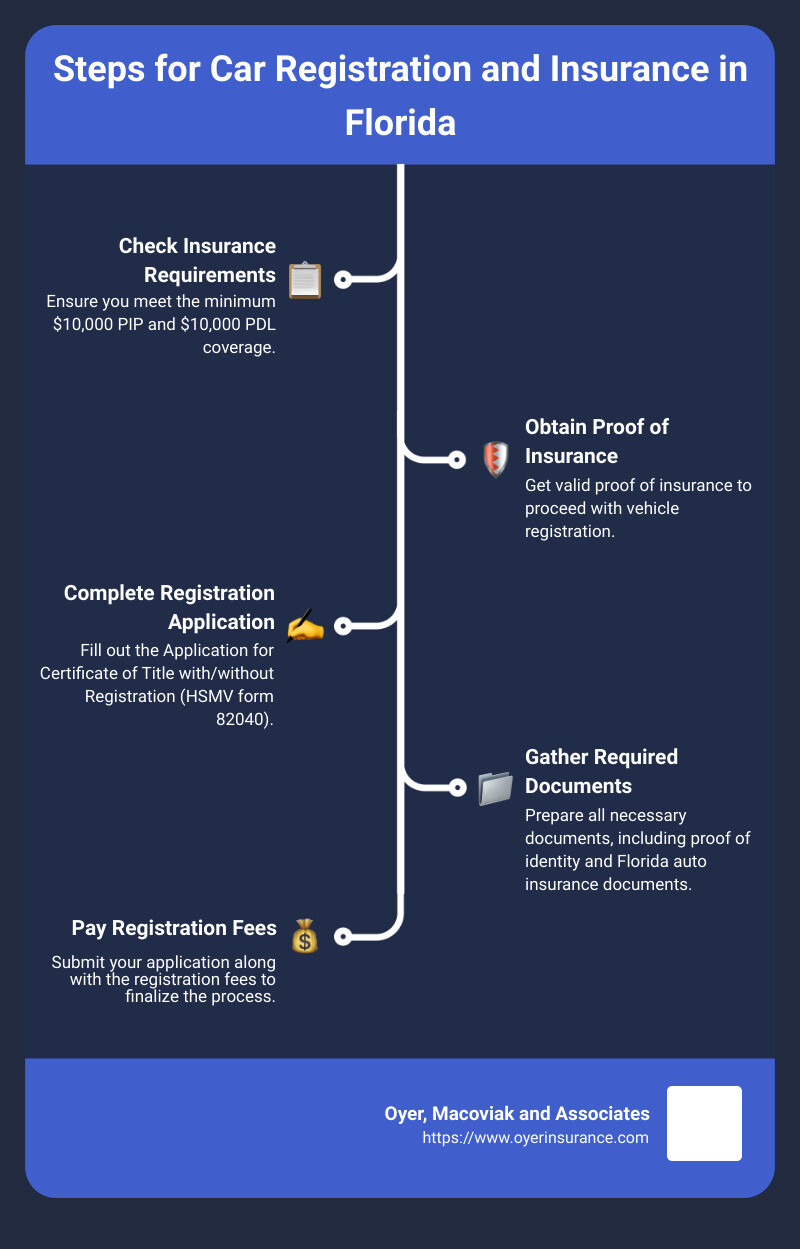
- Proof of Florida Insurance: Florida law requires all registered vehicles to carry Personal Injury Protection (PIP) in the amount of $10,000 and Property Damage Liability (PDL) in the amount of $10,000. You must obtain insurance from a company licensed to do business in Florida before you can register your vehicle. Your insurance card or policy declaration page will serve as proof.
- Proof of Identity: A valid driver’s license is required. If you’re a new resident, you’ll need to obtain a Florida driver’s license within 30 days of establishing residency. However, you can use your out-of-state license for vehicle registration purposes if you are within your initial residency window or are a seasonal resident not required to obtain a Florida license.
- Vehicle Identification Number (VIN) Verification: For all used vehicles coming from out of state, a VIN verification is mandatory. This confirms that the VIN on your vehicle matches the VIN on your title. This can be done by a Florida motor vehicle dealer, a law enforcement officer, or a Department of Motor Vehicles (DMV) compliance examiner. You’ll use form HSMV 82042 for this purpose.
- Odometer Reading: For vehicles less than 10 years old, the current odometer reading must be provided.
- Application for Certificate of Title With/Without Registration (Form HSMV 82040): This form is crucial for initiating the title and registration process. You can often find this form online on the Florida Department of Highway Safety and Motor Vehicles (FLHSMV) website or at the tax collector’s office.
Navigating the Registration Process
Once you have all your documents in order, the next steps involve submitting them and paying the necessary fees.
- Visit a Local Tax Collector’s Office or DMV: Florida car registrations are handled by your county tax collector’s office, which also often functions as a local DMV service center. You can find the nearest office by searching online for “county tax collector [your county name] Florida.” Wait times can vary, so it’s advisable to check if appointments are available or if certain days are less busy.
- Submit Documents and Pay Fees: At the office, a clerk will review your documents, verify your VIN (if applicable), and process your application. You will be required to pay several fees, which may include:
- Title Transfer Fee: For changing the vehicle’s ownership record to Florida.
- Initial Registration Fee: A one-time fee for new residents bringing an out-of-state vehicle to Florida.
- License Plate Fee: For the physical license plate itself.
- Registration Fee: Annual fee based on the vehicle’s weight and type.
- Sales Tax: If you bought the car recently, you may need to pay Florida sales tax (6%) if you haven’t already paid a comparable amount in another state.
- License Plate Issuance: Once everything is processed and fees are paid, you will be issued a Florida license plate and a registration sticker to display on your plate. You’ll also receive a temporary registration document until your permanent registration and title certificate are mailed to you.
- Renewals: Vehicle registrations in Florida are typically renewed annually or biennially, depending on the vehicle type. The FLHSMV sends renewal notices, and you can usually renew online, by mail, or in person. Many counties also offer kiosk services for quick renewals.

Specific Scenarios and Important Considerations
While the general process is outlined above, certain situations come with their own specific requirements, making it important to understand how they might affect your registration journey in Florida.
Registering a Car from Out of State
This is a common scenario for new residents moving to Florida. The key is the 10-day rule mentioned earlier. This means you have a limited window to get your vehicle titled and registered. The VIN verification is absolutely critical here, as it’s the state’s way of ensuring the vehicle entering their system is legitimate and matches its documentation. If your out-of-state title is held by a lienholder, you’ll need to notify them immediately. They will typically mail the title directly to the Florida Tax Collector’s Office upon request, which can add a few days or weeks to the process. Be prepared for potential sales tax implications; if you paid less than Florida’s 6% sales tax in your previous state, you may owe the difference to Florida when you register.
Buying a Car from a Dealership vs. Private Seller
The source of your vehicle significantly impacts the registration process:
- From a Dealership: Most Florida dealerships handle the bulk of the title and registration paperwork on your behalf. They will often provide you with a temporary tag, collect the necessary fees (including sales tax and registration fees), and submit everything to the proper authorities. This streamlines the process considerably, allowing you to drive off the lot with minimal immediate administrative burden. Always confirm what the dealership will handle and what you remain responsible for.
- From a Private Seller: When purchasing from a private party, you are responsible for initiating the title transfer and registration yourself. You’ll need the seller’s properly endorsed title, a bill of sale (recommended for proof of purchase price), and then you’ll follow the steps outlined in “The Essential Documents and Steps” section. This usually means a trip to the tax collector’s office with the seller’s title, proof of insurance, and identification.
Special Cases: Leased Vehicles, Military Personnel, and Snowbirds
- Leased Vehicles: If your car is leased, the leasing company (the lessor) typically holds the title. You’ll need to contact your leasing company to inform them of your move to Florida and request that they provide the necessary documentation to the Florida Tax Collector’s Office for registration. They will guide you through their specific requirements.
- Military Personnel: Active-duty military personnel and their dependents may have certain exemptions or special rules regarding vehicle registration in Florida, particularly if their home of record is another state. It’s crucial to check with the FLHSMV or your local base’s legal assistance office for the most current and specific information regarding military exemptions.
- Snowbirds and Seasonal Residents: As mentioned, if you maintain a residence in Florida for more than 90 days, you generally need to register your vehicle. However, the definition of “residency” can sometimes be nuanced. If you’re unsure, it’s always best to consult the FLHSMV website or your local tax collector’s office. Being proactive ensures that your seasonal stay in locales like Naples or Fort Lauderdale remains trouble-free.
Beyond Registration: Driving in Florida for Tourists and Residents
Once your car is officially registered in Florida, you’re ready to embrace the open road. However, a few additional considerations will enhance your driving experience and keep you compliant with local regulations.
Understanding Florida Driving Laws
Familiarizing yourself with Florida’s specific driving laws will ensure a safe and pleasant journey:
- Toll Roads: Florida has an extensive network of toll roads, especially around major cities like Orlando, Miami, and Tampa. The most convenient way to pay tolls is with an electronic transponder system like SunPass, which offers discounted rates. Visitors can often rent vehicles with transponders or opt for “Toll-By-Plate” services (which can be more expensive). For residents, a SunPass is almost a necessity.
- Right-on-Red: In Florida, you are generally permitted to turn right on a red light after coming to a complete stop, unless otherwise posted.
- Seatbelt Laws: Seatbelt use is mandatory for all drivers and front-seat passengers. Additionally, all passengers under 18 years of age must wear a seatbelt, regardless of their seating position.
- Speed Limits: Speed limits vary significantly but are generally 30 mph in business/residential areas, 55 mph on most highways, and up to 70 mph on certain interstates. Always pay attention to posted signs.
- Preparing for Florida Weather: Florida’s weather can be dynamic. Be prepared for sudden, heavy rain showers, which can cause hydroplaning. During hurricane season (June 1st to November 30th), stay informed about weather advisories and potential evacuation routes, especially if you’re in coastal areas like West Palm Beach or Daytona Beach.

Exploring Florida with Your Registered Vehicle
With your vehicle properly registered and an understanding of local driving norms, the Sunshine State truly opens up.
- Scenic Road Trips: Embark on an unforgettable journey along the Florida Keys Scenic Highway, marvel at the historic architecture of St. Augustine, or discover the serene beauty of Sanibel Island. Your car is your ticket to these diverse experiences, allowing you to discover charming coastal towns and vibrant city centers.
- Access to Natural Wonders: Drive to the awe-inspiring Everglades National Park for airboat tours, explore the pristine springs near Gainesville, or visit the Kennedy Space Center Visitor Complex on the Space Coast. A personal vehicle is often the only way to reach many of Florida’s state parks and natural preserves, offering unparalleled opportunities for hiking, kayaking, and wildlife viewing.
- Seamless Exploration of Regions: From the bustling metropolises of South Florida to the tranquil beaches of the Panhandle, your registered vehicle allows you to transition effortlessly between different regions, each offering its own unique attractions and cultural experiences. Whether you’re heading to the excitement of Busch Gardens Tampa Bay or a quiet retreat, proper registration ensures your journey is smooth.
Registering your car in Florida is a fundamental step towards fully experiencing the state, whether you’re a new resident or an extended visitor. While the process requires attention to detail and adherence to specific guidelines, the freedom and convenience that come with a properly registered vehicle are invaluable. By understanding the necessary documents, navigating the registration steps, and familiarizing yourself with Florida’s driving laws, you’ll be well-prepared to embark on countless adventures, explore iconic landmarks, and embrace the unique lifestyle that the Sunshine State so generously offers. Drive safely and enjoy your journey in beautiful Florida!
LifeOutOfTheBox is a participant in the Amazon Services LLC Associates Program, an affiliate advertising program designed to provide a means for sites to earn advertising fees by advertising and linking to Amazon.com. Amazon, the Amazon logo, AmazonSupply, and the AmazonSupply logo are trademarks of Amazon.com, Inc. or its affiliates. As an Amazon Associate we earn affiliate commissions from qualifying purchases.