
Planning a sun-drenched escape to the Sunshine State? Whether your dream vacation involves the thrilling theme parks of Orlando, the vibrant nightlife of Miami, the serene beaches of Sarasota, or the historic charm of St. Augustine, understanding the local financial landscape is as crucial as packing your sunscreen. One often-overlooked aspect that can impact your travel budget significantly is sales tax. Florida, a premier global destination for travel and tourism, has a specific sales tax structure that every visitor should be aware of, especially when planning for accommodation, dining, attractions, and shopping. This comprehensive guide will demystify the Florida sales tax rate, detailing how it applies to various aspects of your trip, from booking luxury suites and resorts to enjoying local cuisine and exploring famous landmarks. By understanding these nuances, you can budget effectively and ensure a seamless, enjoyable experience without any unexpected financial surprises.
Understanding Florida’s Sales Tax Landscape for Travelers
Florida’s sales tax system is relatively straightforward at its core, but it gains complexity when considering local variations and its specific application to the tourism and hospitality sectors. For any traveler, recognizing these different layers is key to accurate budgeting.
The Statewide Sales Tax Rate
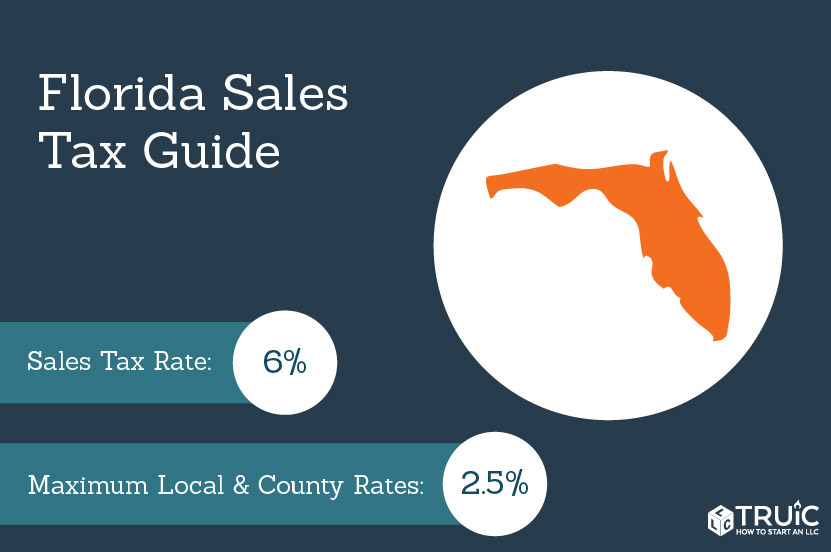
At the heart of Florida’s consumption tax structure is the statewide sales tax rate, which currently stands at 6%. This rate is applied to the sale of most goods and certain services throughout the state. From the moment you purchase a souvenir at Walt Disney World Resort or buy a new swimsuit for South Beach, this 6% will generally be added to your bill. This tax is a primary source of revenue for the state, funding various public services and infrastructure projects that indirectly benefit tourists and residents alike. Unlike some states that exempt certain necessities like clothing, Florida’s 6% sales tax applies broadly to most retail transactions. This means that whether you’re buying a simple snack, a piece of artwork, or a new camera, you’ll be paying this foundational rate.
Beyond the Basics: Local Option Surtaxes
While the 6% statewide rate is universal, it’s just one piece of the puzzle. Many counties in Florida have implemented what are known as “local option surtaxes,” which are additional sales taxes levied on top of the state rate. These surtaxes vary by county, ranging from 0.5% to 1.5%, bringing the total sales tax rate higher in specific areas. These local taxes are typically earmarked for county-specific projects, such as transportation, infrastructure, or public education.
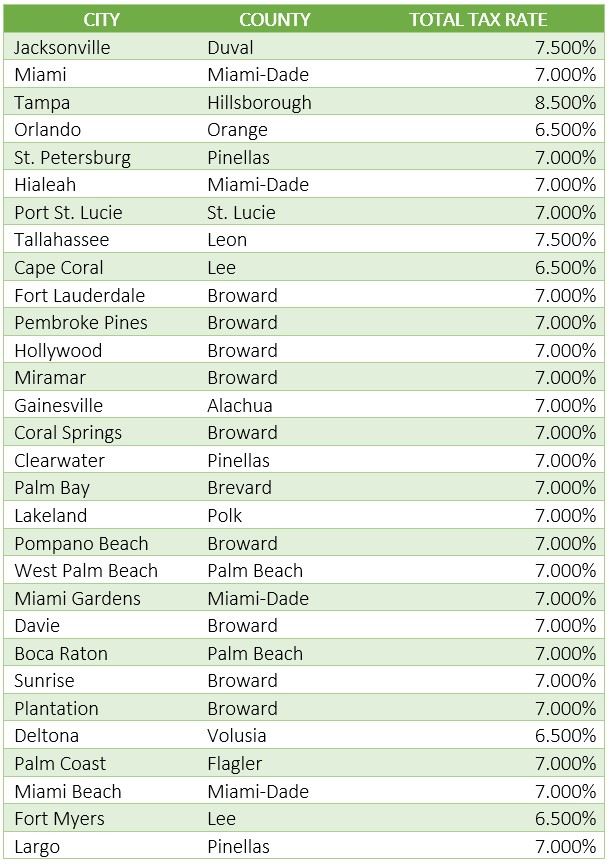
For instance, a traveler in Miami-Dade County will encounter a combined sales tax rate of 7%, while visitors to Pinellas County, home to destinations like St. Petersburg and Clearwater Beach, will pay 7%. In contrast, counties like Collier County, where Naples is located, have a 6.5% total rate. This means that a purchase made in Tampa (Hillsborough County, 7.5%) will have a higher sales tax applied than an identical purchase in Fort Myers (Lee County, 6.5%).
It’s crucial for travelers to understand that the sales tax they pay will depend on the specific county where the transaction occurs. This variability underscores the importance of checking the local rates for your chosen destination within Florida, especially when planning significant purchases or estimating accommodation costs. A quick search for the county you’re visiting can prevent surprises on your receipts.
How Sales Tax Impacts Your Florida Vacation
The sales tax rate in Florida isn’t just an abstract number; it’s a tangible factor that affects nearly every aspect of a traveler’s expenditure. From where you sleep to what you eat and the attractions you visit, understanding its application helps you manage your vacation finances more effectively.
Accommodation: Hotels, Resorts, and Vacation Rentals
Perhaps the most significant impact of sales tax for travelers comes in the form of accommodation costs. When you book a hotel room, a suite in a luxury resort, or a vacation rental through platforms like Airbnb or Vrbo, you’re not just paying the advertised nightly rate. You’ll also be subject to the statewide 6% sales tax plus any applicable local option surtaxes. This means your accommodation bill will typically have a sales tax component ranging from 6.5% to 8% depending on the county.
However, the story doesn’t end there. Florida counties are also permitted to levy an additional tax specifically on transient rentals, commonly known as the Tourist Development Tax (TDT), local option transient rental tax, or simply “bed tax” or “resort tax.” This tax is separate from the sales tax and is applied solely to short-term rentals (typically six months or less). TDT rates can range from 1% to 6% and are imposed on top of the sales tax. For example, in Orange County, home to the majority of Orlando’s theme parks, the TDT is 6%, on top of the 6.5% combined sales tax (6% state + 0.5% local surtax). This means a hotel stay could incur a total of 12.5% in taxes before any resort fees are even considered.
These combined taxes can significantly inflate the actual cost of your stay. A $200 per night hotel room in Kissimmee (Osceola County), for instance, might incur around $26 in taxes per night ($13 for combined sales tax and $12 for TDT, both 6.5% and 6% respectively). When budgeting for a week-long stay, these additional charges quickly add up, making it essential to factor them into your overall accommodation budget from the outset. Many booking platforms or hotel websites will list these taxes separately, but it’s always wise to confirm the total price including all taxes and fees before finalizing your reservation.
Dining and Entertainment
Your culinary adventures and entertainment choices across Florida will also be subject to sales tax. Whether you’re indulging in fresh seafood in the Florida Keys, enjoying a gourmet meal in Miami Beach, or grabbing a quick bite near Universal Orlando Resort, the applicable sales tax (state + local surtax) will be added to your restaurant bill. The same applies to alcoholic beverages purchased at bars or restaurants.
Beyond food, the cost of most entertainment options is also taxed. This includes tickets to major theme parks like Busch Gardens Tampa Bay, admission to museums, aquariums, zoos, concerts, sporting events, and even movie tickets. If you’re planning a visit to the Kennedy Space Center Visitor Complex or taking an airboat tour through Everglades National Park, expect sales tax to be added to the ticket price. This is a crucial point for travelers focused on experiences, as these taxes can collectively add a considerable amount to their activity budget over the course of a trip.
Shopping and Souvenirs
No Florida vacation is complete without a bit of retail therapy or picking up mementos to remember your trip. From high-end fashion in Palm Beach to quirky souvenirs in Key West, sales tax will be applied to most of your purchases. This includes clothing, electronics, jewelry, artwork, and any other tangible goods you buy.
One notable exception to general sales tax application in Florida concerns groceries. Unprepared food items sold at supermarkets and grocery stores are generally exempt from sales tax. This means if you’re staying in a vacation rental with a kitchen and plan to cook some of your meals, you can save a bit on the cost of your ingredients. However, prepared foods, deli items, and restaurant meals are always taxed. Keep this distinction in mind if you’re looking for small ways to trim your budget during your stay.
Navigating Exemptions and Special Considerations
While sales tax is pervasive across many tourist-related expenses in Florida, there are specific situations and types of purchases that either qualify for an exemption or have unique tax implications. Being aware of these can further refine your budgeting strategy.
What’s Generally Exempt?
As mentioned, unprepared food items are a significant exemption. If you buy fresh produce, meat, dairy, or packaged groceries at a supermarket to prepare meals yourself, you won’t pay sales tax on these items. This is a common strategy for budget-conscious travelers staying in accommodations with kitchen facilities, allowing them to save on dining costs.
Other notable exemptions include prescription drugs and certain medical services. Over-the-counter medications are generally taxed, but anything requiring a prescription is exempt. Additionally, specific professional services (like medical, dental, or legal services) are typically not subject to sales tax in Florida. While these may not be primary concerns for the average tourist, it’s good to know for any unexpected situations. Public transportation fares (e.g., bus, train) are also typically exempt from sales tax.
Understanding Resort Fees and Other Charges
A common point of confusion and frustration for travelers relates to “resort fees” or “destination fees” levied by many hotels and resorts, particularly in popular tourist areas like Orlando and Miami Beach. These fees, which can range from $20 to $50 or more per night, are often mandatory and cover amenities such as Wi-Fi, fitness center access, pool towels, or shuttle services. Critically, these resort fees are also subject to both sales tax and the Tourist Development Tax. This means that the total percentage of taxes you pay on your accommodation will apply not just to the room rate but to these additional mandatory charges as well. Always look closely at the “total price” breakdown when booking to see if a resort fee is included and how it impacts the final taxed amount.
Similarly, for vacation rentals, cleaning fees, administrative fees, or pet fees imposed by the host or platform are generally considered part of the rental transaction and thus also subject to sales tax and TDT. Transparency can vary, so it’s always best practice to scrutinize the detailed breakdown of charges before confirming your booking.
Tax Holidays and Special Events
On occasion, Florida implements statewide sales tax holidays designed to provide relief for specific purchases. The most common are “back-to-school” sales tax holidays, typically in August, which exempt certain school supplies, clothing, and sometimes even computers up to a specific price point. There are also “hurricane preparedness” sales tax holidays, usually in May or June, which exempt items like batteries, flashlights, and generators.
While these holidays are primarily aimed at residents, opportunistic travelers visiting during these periods could potentially benefit, especially if they need to purchase clothing, electronics, or supplies that fall under the exemption criteria. However, relying on these for major savings on a general tourist trip is usually not practical, as the eligible items are quite specific. It’s more of an added bonus if your travel dates happen to coincide.
Budgeting for Sales Tax on Your Florida Trip
Effective financial planning is a cornerstone of a stress-free vacation. When visiting Florida, accurately accounting for sales tax and other local levies is paramount to avoiding budgetary surprises.
Planning Ahead for Hidden Costs
The most crucial step in budgeting for sales tax is to understand that the advertised price for hotels, attractions, or even retail items often does not include taxes. When you see a $150 hotel room, it’s rarely $150 out the door. Depending on the county, that room could cost you anywhere from $160 to $170+ per night once state sales tax, local surtaxes, and the Tourist Development Tax are added, not to mention any resort fees which are also taxed.
Before you finalize any major bookings, always perform a quick mental calculation or use online tools to estimate the total cost including all taxes and fees. For accommodation, try to find the combined sales tax and TDT rate for your specific county. For most other purchases, assume the state’s 6% plus your destination county’s surtax (e.g., 7% or 7.5% in many popular areas). Over the course of a week-long trip, these percentages can easily add hundreds of dollars to your overall expenses, making a significant dent in an unplanned budget.
Tips for Smart Spending
With a clear understanding of Florida’s sales tax, here are some practical tips to help you manage your spending and potentially save a few dollars:
- Check County-Specific Rates: Before booking your accommodation, quickly look up the combined sales tax and Tourist Development Tax rates for your destination county. Websites for county tax collectors or the Florida Department of Revenue usually have this information readily available. Knowing these exact percentages for cities like Fort Lauderdale, Jacksonville, or Hollywood will allow for more precise budgeting.
- Consider All-Inclusive Options Carefully: Some resorts offer “all-inclusive” packages. While these might seem to simplify budgeting, always read the fine print. Often, the advertised price may include some taxes, but sometimes resort fees or specific premium services might still incur additional charges or taxes. Ensure clarity on what “all-inclusive” truly entails regarding taxes.
- Utilize Kitchen Facilities in Rentals: If you’ve opted for a vacation rental in places like Siesta Key or a resort apartment, take advantage of the kitchen. Buying groceries (tax-exempt) and preparing some meals can significantly reduce your food budget, as restaurant meals are fully taxed.
- Look for Bundled Deals: Sometimes attractions offer multi-park passes or bundled experiences. While the total price will still be taxed, these bundles often provide a discount on the base price per attraction, which means the tax applied to that discounted base price will also be slightly lower than if you bought individual, full-price tickets.
- Factor Tax into “Shopping Money”: When setting aside money for souvenirs or impulse buys, remember to add an extra 7-8% for sales tax. A $100 souvenir will likely cost you $107 or $108. It’s a small detail that, when overlooked across multiple purchases, can lead to overspending.
By being proactive and informed about Florida’s sales tax structure, you empower yourself to make smarter financial decisions throughout your trip. This preparation allows you to focus less on unexpected costs and more on enjoying the incredible destinations, attractions, and experiences that Florida has to offer. Understanding these details transforms a potential financial headache into a simple budgeting line item, ensuring your journey through the Sunshine State is as smooth and carefree as possible.
LifeOutOfTheBox is a participant in the Amazon Services LLC Associates Program, an affiliate advertising program designed to provide a means for sites to earn advertising fees by advertising and linking to Amazon.com. Amazon, the Amazon logo, AmazonSupply, and the AmazonSupply logo are trademarks of Amazon.com, Inc. or its affiliates. As an Amazon Associate we earn affiliate commissions from qualifying purchases.