
For many planning a memorable trip or even considering a longer stay in the United States, the question of state income tax might seem a purely financial detail, far removed from the thrill of exploring new destinations. However, understanding the fiscal landscape of a state like Colorado can significantly impact your travel budget, accommodation choices, and overall lifestyle considerations, whether you’re a luxury traveler, a budget explorer, or someone eyeing a potential relocation. From the majestic peaks of the Rocky Mountains to the vibrant urban tapestry of Denver, Colorado offers an unparalleled array of experiences. Delving into its tax structure provides a clearer picture of the real cost of living and adventuring in this captivating state.
Understanding Colorado’s Tax Landscape for Travelers and Residents
Before diving into the myriad attractions and the unique lifestyle that Colorado offers, it’s crucial to address the core question directly. The answer to “Does Colorado have state income tax?” is unequivocally yes. However, the simplicity of that answer belies a more nuanced reality that is generally favorable compared to many other states in the United States. This flat-rate system is a defining feature of Colorado’s financial environment, influencing everything from the cost of accommodation to the overall economic vitality that supports its booming tourism industry.
The Straight Answer: Yes, Colorado Does Have State Income Tax
Colorado imposes a statewide income tax on individuals and corporations. Unlike many states that employ a progressive tax system with varying rates based on income brackets, Colorado stands out with its flat income tax rate. This means that, for most taxpayers, a single percentage is applied to their taxable income, regardless of how much they earn. This straightforward approach is often viewed as a positive by both residents and businesses, contributing to a predictable financial environment. For visitors, while state income tax doesn’t directly apply to their tourist spending, it underpins the state’s economic health, which in turn affects the quality and availability of infrastructure, services, and attractions.
How Colorado’s Flat Tax Rate Compares
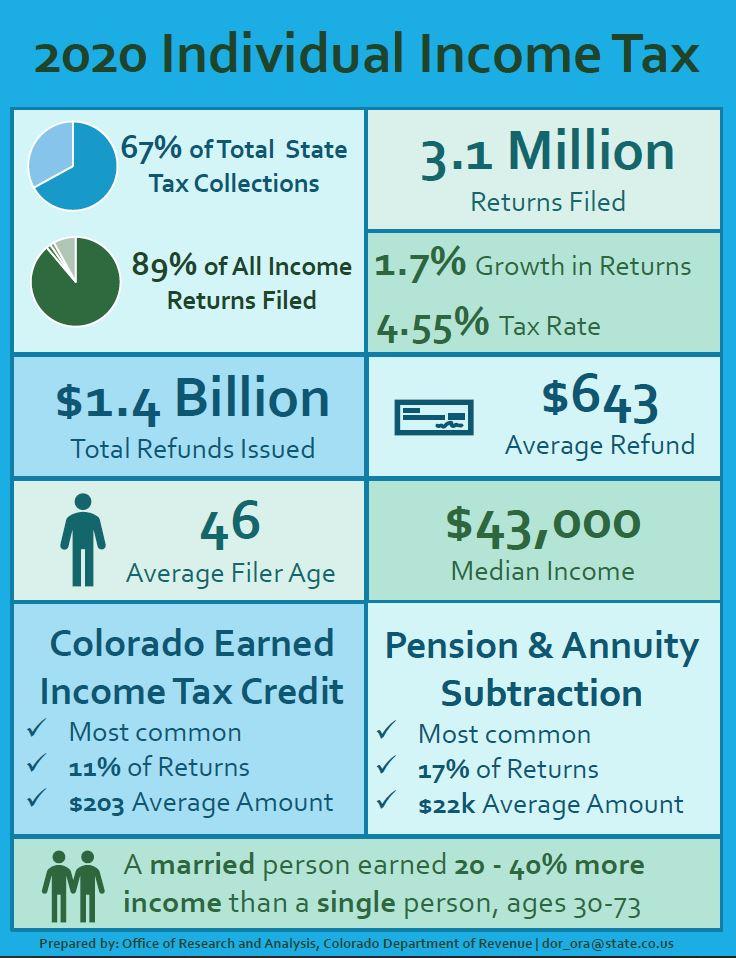
Historically, Colorado’s flat income tax rate has been among the lowest in the nation for states that do impose an income tax. While the exact percentage can see minor adjustments through legislative action or voter referendums, it typically hovers around 4.40% to 4.55%. This contrasts sharply with states that have high progressive income tax rates, where top earners might pay upwards of 10% or more. For those considering a long-term stay, remote work, or even relocation to Colorado, this flat tax rate is a significant factor in evaluating the overall cost of living and financial planning. It can translate into greater disposable income for residents, which often fuels local economies and supports small businesses, including those in the hospitality and tourism sectors.
Sales Tax and Local Levies: What Visitors Need to Know
While the state income tax is primarily for residents and businesses, visitors will encounter other forms of taxation that directly impact their travel budget: sales tax and various local levies. Colorado has a state sales tax, which applies to most goods and services purchased within the state. However, the total sales tax rate you pay will vary significantly depending on the city and county you are in, as local jurisdictions can add their own sales taxes. For example, a purchase in Denver might incur a higher combined sales tax than one in a smaller, rural town.
Additionally, many cities and counties impose specific tourism-related taxes, such as lodging taxes on hotel stays. These taxes are crucial for funding local tourism initiatives, marketing, and infrastructure improvements that benefit visitors, from maintaining public parks to supporting cultural events. When booking accommodation, whether it’s a luxury suite in Aspen, a resort in Vail, or a cozy apartment in Boulder, always account for these additional taxes, as they can add a notable percentage to your total bill. Understanding these various taxes allows travelers to budget more accurately for their Colorado adventure, preventing any unwelcome surprises.

Beyond Taxes: Why Colorado Attracts So Many
With the tax details covered, it’s time to shift focus to the undeniable allure of Colorado that draws millions of visitors and new residents each year. The state’s appeal extends far beyond its favorable tax structure, rooted deeply in its breathtaking natural beauty, vibrant culture, and an active lifestyle that is truly infectious. For the lifeoutofthebox.com audience, this is where the magic happens – where travel dreams take shape amidst towering mountains and sun-drenched plains.
A Lifestyle Defined by Adventure and Natural Beauty
The quintessential Colorado lifestyle is synonymous with the outdoors. Life here is often lived under open skies, with access to an incredible array of activities year-round. Summers invite hiking in Rocky Mountain National Park, mountain biking on scenic trails, white-water rafting down rushing rivers, and exploring geological wonders like Garden of the Gods near Colorado Springs. The crisp autumn air signals the arrival of stunning fall foliage, particularly captivating in areas like the Western Slope. Winters transform the landscape into a snowy paradise, making Colorado a world-renowned destination for skiing and snowboarding, with legendary resorts such as Vail, Aspen, Breckenridge, and Telluride.
This active, outdoor-centric lifestyle contributes significantly to the state’s healthy and vibrant atmosphere. People travel to Colorado not just for sightseeing, but to actively participate in these experiences, to challenge themselves, and to connect with nature in a profound way. For family trips, there are endless opportunities for bonding in the great outdoors. For those seeking luxury travel, world-class resorts offer unparalleled access to these adventures with all the comforts imaginable. Even business stays often incorporate elements of this lifestyle, with morning hikes or evening ski runs after meetings.
Premier Destinations and Attractions Worth Every Penny
Colorado is home to an impressive roster of destinations and attractions that consistently rank among the best globally.
- National Parks: Beyond Rocky Mountain National Park, which mesmerizes with its alpine tundra and abundant wildlife, visitors can explore the unique sand dunes of Great Sand Dunes National Park and Preserve or the ancient cliff dwellings of Mesa Verde National Park. Each park offers distinct experiences, providing deep dives into nature, history, and adventure.
- Mountain Towns & Ski Resorts: Iconic towns like Aspen, Vail, Breckenridge, Steamboat Springs, and Telluride are not just about skiing; they offer year-round charm with upscale dining, boutique shopping, art galleries, and lively cultural scenes. They also host numerous festivals and events throughout the year, drawing diverse crowds.
- Urban Centers: Denver, the state capital, is a dynamic metropolis blending urban sophistication with a laid-back, outdoor-loving vibe. Its vibrant neighborhoods, acclaimed culinary scene, craft breweries, and cultural institutions like the Denver Art Museum make it a destination in itself. Boulder, nestled at the foothills of the Rocky Mountains, is famed for its health-conscious community, outdoor recreation, and intellectual atmosphere centered around the university. Colorado Springs offers a gateway to majestic landmarks such as Pikes Peak and Garden of the Gods.
- Cultural Landmarks: From the unparalleled natural acoustics of Red Rocks Amphitheatre to historic mining towns and artistic districts, Colorado has a rich tapestry of cultural landmarks and historical sites.

These destinations, supported by the state’s economic framework (including tax revenues), are meticulously maintained and continuously developed to ensure a world-class experience for every visitor.
The Economic Impact on Tourism and Infrastructure
The state’s tax revenues, including income tax, play a vital role in sustaining and enhancing Colorado’s robust tourism industry. These funds contribute to infrastructure development, such as improved roads to national parks, better public transportation options in cities, and maintenance of public lands and recreational facilities. This direct investment ensures that Colorado remains accessible and enjoyable for all types of travelers. Furthermore, tax policies can influence business investment, encouraging the development of new hotels, resorts, restaurants, and attractions that cater to a diverse range of preferences and budgets. The healthy competition fostered by a thriving economy often translates into better services and more competitive pricing for consumers, enhancing the overall value proposition for visiting Colorado.
Budgeting for Your Colorado Adventure: A Holistic View
Planning any trip involves careful budgeting, and a visit to Colorado is no exception. While state income tax doesn’t directly affect a casual tourist’s daily spending, understanding its economic impact, combined with sales and lodging taxes, is crucial. For those contemplating extended stays or even relocation, the income tax becomes a more personal calculation.
Accommodation Choices and Their Cost Implications
Colorado offers an incredibly diverse range of accommodation options, from opulent five-star resorts in ski country to charming boutique hotels in Denver, cozy cabins near Rocky Mountain National Park, and budget-friendly apartments for long-term stays. The prices for these will vary wildly based on location, season, and luxury level. What’s often overlooked, however, are the additional taxes and fees. Beyond the nightly rate, travelers must factor in:
- State and Local Sales Tax: Applies to many services, including potentially some accommodation fees.
- Lodging Tax: Specific taxes imposed on overnight stays, which vary by city and county. These can significantly increase the total cost, especially for longer bookings or luxury properties.
- Resort Fees: Many resorts, particularly in popular areas like Vail or Aspen, charge mandatory daily resort fees that cover amenities like Wi-Fi, fitness center access, and shuttle services. These are separate from taxes and can add $20-$100+ per night.
When comparing hotels or considering booking apartments for a longer visit, it’s essential to look at the “all-in” price to get a true sense of the cost. Using comparison sites and reading reviews can also help identify any hidden fees. For budget travelers, exploring options in less touristy towns, booking during the off-season, or considering vacation rentals outside city centers can yield significant savings.
Dining and Entertainment: Savvy Spending Tips
Colorado’s culinary scene is as diverse as its landscape, offering everything from farm-to-table fine dining to casual food trucks and world-class craft breweries. Similar to accommodation, sales tax will be added to your dining and entertainment bills. Here are some tips for managing costs:
- Eat Like a Local: Explore local eateries and markets rather than always opting for high-end tourist traps. Denver’s RiNo Art District or Boulder’s Pearl Street Mall offer a range of options for various budgets.
- Brewery Tours: Colorado is a mecca for craft beer. Many breweries offer tastings at reasonable prices, providing a fun and authentic cultural experience.
- Outdoor Activities: Leverage the abundance of free or low-cost outdoor activities. Hiking, scenic drives (like those along the Front Range or over the Continental Divide), and exploring city parks are excellent ways to enjoy Colorado without breaking the bank.
- Look for Deals: Many attractions and tours offer discounts, especially for booking in advance or purchasing multi-attraction passes. Check local tourism websites for special promotions.
Long-Term Stays and Relocation Considerations
For individuals or families contemplating an extended stay or permanent relocation to Colorado, the state’s flat income tax rate becomes a central part of their financial calculus. Compared to states with no income tax, [Colorado](https://lifeoutofthebox.com/colorado] will represent a different budget line item. However, when weighed against states with higher or more complex progressive income tax structures, Colorado’s flat rate can be quite appealing.
Beyond income tax, potential residents should also consider property taxes (which vary significantly by county), vehicle registration fees, and the overall cost of living, which can be higher in popular urban centers and mountain towns like Denver, Boulder, Aspen, and Vail. However, for many, the quality of life, the access to unparalleled natural beauty, and the vibrant communities make these costs a worthwhile investment. Colorado often ranks high in terms of quality of life, economic opportunity, and outdoor recreation, making it a compelling choice for those seeking a change of pace or a new adventure.
Making the Most of Your Colorado Visit, Tax or No Tax
Ultimately, the question of state income tax is but one piece of the puzzle when experiencing the wonders of Colorado. The state’s true value lies in its unique blend of breathtaking landscapes, adventurous spirit, and welcoming culture. By understanding the financial aspects, you can better plan your trip and ensure a truly fulfilling experience.
Exploring Diverse Regions: From Mountains to Metropolises
Colorado is a land of incredible geographical diversity. From the plains of the eastern part of the state to the majestic Rocky Mountains that dominate the western landscape, every region offers a distinct charm.
- The Front Range, home to Denver, Boulder, Fort Collins, and Colorado Springs, is a bustling corridor of urban life, innovation, and direct access to mountain adventures.
- The high country and ski resorts offer unparalleled winter sports and stunning summer scenery, with towns like Breckenridge, Vail, Aspen, and Winter Park.
- The Western Slope, with its vineyards, fruit orchards, and access to unique desert landscapes and national monuments, provides a different, more laid-back vibe.
- Southern Colorado, including Durango and areas near Mesa Verde National Park, boasts rich history and rugged beauty.
Each region has its own character, local culture, and specific attractions, making it worthwhile to explore beyond just one destination. Whether you’re interested in historical landmarks, natural wonders, or vibrant city life, Colorado has something for everyone.
Seasonal Travel and Event Planning
The best time to visit Colorado depends entirely on your interests.
- Winter (December to March): Ideal for skiing, snowboarding, and other snow sports. Expect higher prices for accommodation and flights in popular ski towns.
- Spring (April to May): A transitional season, offering fewer crowds and lower prices, but weather can be unpredictable. Good for city breaks and early-season hiking in lower elevations.
- Summer (June to August): Peak season for hiking, rafting, mountain biking, and national park visits. Book accommodations well in advance, especially for popular destinations.
- Fall (September to November): Known for stunning aspen foliage, pleasant weather, and fewer crowds than summer. Excellent for scenic drives and photography.
Checking local event calendars for festivals, concerts at Red Rocks Amphitheatre, or cultural celebrations can also enhance your travel experience and potentially influence your travel dates. Smart planning around these seasons and events can often lead to better deals on hotels, flights, and activities, regardless of the underlying tax structure.
The Ultimate Colorado Experience: Value Beyond Dollars
While financial considerations are important, the true value of a Colorado experience transcends monetary figures. It’s about the feeling of standing atop a Fourteener (a mountain over 14,000 feet), the tranquility of a pristine alpine lake, the exhilaration of a ski run, the warmth of a hot spring soak in Glenwood Springs, or the joy of discovering a new craft beer in Denver. It’s the lifestyle, the adventure, and the memories created that truly define a trip to this incredible state.
By addressing the question of state income tax and then broadening the discussion to encompass the holistic travel experience, it becomes clear that Colorado offers immense value. Its tax structure contributes to a stable economy that supports the very attractions and infrastructure travelers enjoy. So, while Colorado does have a state income tax, it’s a small detail in the grand tapestry of experiences awaiting you in the Centennial State, a place where adventure truly lives out of the box.
LifeOutOfTheBox is a participant in the Amazon Services LLC Associates Program, an affiliate advertising program designed to provide a means for sites to earn advertising fees by advertising and linking to Amazon.com. Amazon, the Amazon logo, AmazonSupply, and the AmazonSupply logo are trademarks of Amazon.com, Inc. or its affiliates. As an Amazon Associate we earn affiliate commissions from qualifying purchases.