
Florida, the Sunshine State, beckons millions of visitors annually with its pristine beaches, world-class theme parks, vibrant cities, and diverse natural landscapes. From the magical enchantment of Walt Disney World Resort in Orlando to the Art Deco splendor of South Beach in Miami and the laid-back charm of the Florida Keys, there’s an experience for every traveler. Whether you’re planning a family vacation, a romantic getaway, or considering a long-term stay, understanding the local tax rates is a crucial, yet often overlooked, aspect of budgeting for your Florida adventure. While the allure of sun-drenched days and unforgettable experiences is strong, knowing what to expect in terms of taxes can help you better manage your expenses, from accommodation and dining to attractions and shopping. This guide will demystify the various tax rates you’re likely to encounter across the state, ensuring your trip planning is as smooth and transparent as possible.
Understanding Florida’s General Sales Tax
One of the most fundamental taxes visitors and residents alike will encounter in Florida is the sales tax. This tax applies to most goods and services purchased within the state, impacting everything from your souvenir shopping to your restaurant bills and even admission to some attractions.
State-Level Sales Tax
The statewide sales tax rate in Florida is 6%. This is a consistent rate applied across all counties for the purchase of tangible personal property and certain services. When you buy clothing, electronics, groceries (excluding most unprepared food items, which are exempt), dine out at a restaurant, or pay for many recreational activities, this 6% will be added to the price. For example, if you purchase a meal for $50 in Orlando, an additional $3 will be added for the state sales tax alone. This standard rate forms the baseline for calculating your everyday expenses and is a key factor to consider when budgeting for your travel and lifestyle in the Sunshine State. It’s important for travelers to factor this into their estimations for daily spending, ensuring that the sticker price isn’t the final price.
County-Specific Sales Tax Variations
While the state mandates a 6% sales tax, many counties in Florida have the authority to impose an additional local sales surtax, also known as a discretionary sales surtax. These county-specific surtaxes are added on top of the state’s 6%, leading to varying total sales tax rates across different regions. The funds generated from these local surtaxes are typically used for specific county-level projects, such as infrastructure improvements, public transportation, or school funding.
For instance, Orange County, home to many of Orlando’s major theme parks like Walt Disney World Resort and Universal Orlando Resort, currently imposes an additional 0.5% local sales surtax. This means that the total sales tax rate in Orange County is 6.5%. Similarly, Miami-Dade County, encompassing the bustling city of Miami and its popular beaches, has a 1.5% local surtax, bringing the total sales tax to 7.5%. Other counties, such as Pinellas County (home to St. Petersburg and Clearwater) and Hillsborough County (where Tampa is located), might also have their own rates, often 1.5% or 2.0%, leading to total rates of 7.5% or 8.0%.
It’s crucial for travelers and those considering relocation to be aware of these local variations, as they can impact the overall cost of living and vacation expenses. Always check the specific county’s sales tax rate when planning your budget, especially if you anticipate significant purchases or dining experiences in a particular area. The Florida Department of Revenue website is an excellent resource for checking the most current sales tax rates by county.
Navigating Accommodation and Tourism Taxes
Beyond the general sales tax, visitors to Florida will encounter specific taxes primarily aimed at the tourism sector. These taxes significantly impact the cost of hotels, vacation rentals, and even how you get around, making them essential knowledge for anyone planning their trip.
The Tourist Development Tax (TDT)
Perhaps the most significant tax for travelers booking accommodation in Florida is the Tourist Development Tax (TDT), often referred to as the “bed tax” or “lodging tax.” This tax is levied on the rental of transient accommodations, meaning any room or lodging occupied for six months or less. This includes hotels, motels, resorts, vacation rentals (such as those booked through platforms like Airbnb or VRBO), campgrounds, and even certain timeshare accommodations.
The TDT is a county-level tax, and its rate varies significantly from one county to another. The funds collected from the TDT are earmarked for tourism-related initiatives, such as promoting the county as a tourist destination, funding convention centers, supporting cultural events and museums, and maintaining public beaches and tourism infrastructure. This means your lodging tax directly contributes to enhancing the very attractions and amenities that draw you to Florida.
Typical TDT rates range from 2% to 6%, depending on the county. For example, Orange County and Osceola County (which also hosts parts of Walt Disney World Resort and Kissimmee’s attractions) both have a TDT of 6%. Miami-Dade County and Broward County (home to Fort Lauderdale) also impose a TDT, often around 6%. Monroe County, encompassing the Florida Keys and Key West, typically applies a TDT of 5%. It’s important to remember that this TDT is applied in addition to the state and local sales tax, meaning your total tax on a hotel room can be substantial. For a $200 per night hotel room in Miami-Dade County, for example, you would pay a 6% TDT ($12) plus the 7.5% sales tax ($15), totaling an additional $27 per night in taxes alone. This can quickly add up over several nights, underscoring the importance of checking the full cost, including all taxes, before booking your stay. Many booking platforms will show the estimated taxes, but it’s always wise to confirm the breakdown.
Rental Car Surcharges and Fees
For many visitors, especially those exploring Florida’s vast attractions beyond walking distance, renting a car is essential. Whether you’re driving from Orlando to Busch Gardens Tampa Bay or cruising down to the Florida Keys, be prepared for specific taxes and fees associated with vehicle rentals.
In Florida, a rental car surcharge of $2.00 per day is typically applied to each rental agreement for a passenger motor vehicle. This is a flat daily fee, regardless of the vehicle’s cost. This surcharge is in addition to the standard sales tax rate applicable in the county where you rent the car. So, if you rent a car for five days in Orange County, you’ll pay an additional $10 in surcharges, plus the 6.5% sales tax on the total rental cost.
Beyond this state-mandated surcharge, rental car companies may also impose various other fees, such as airport concession fees, vehicle licensing fees, energy surcharges, or drop-off fees if returning the car to a different location. While these aren’t strictly taxes, they are mandatory charges that significantly contribute to the final price of your rental. It’s crucial to review the total estimated cost, including all taxes and fees, when booking your rental car to avoid surprises at the counter. Understanding these additional costs is vital for accurate travel budgeting, especially when planning multi-city itineraries or exploring remote natural landmarks like Everglades National Park.
Beyond Taxes – Resort Fees and Other Charges
While not government-imposed taxes, resort fees (also known as amenity fees, facility fees, or destination fees) are a significant additional cost for many hotel and resort stays in Florida and deserve mention when discussing the true cost of accommodation. These mandatory daily charges are separate from the room rate and taxes and are supposed to cover amenities such as Wi-Fi, fitness center access, pool towels, local calls, or shuttle services.

Resort fees can range anywhere from $15 to $50 (or even more) per night and are applied per room, per night, regardless of whether you use the included amenities. Crucially, these fees are also often subject to the sales tax and Tourist Development Tax, further increasing your total expenditure. For example, a $30 resort fee in Miami-Dade County would incur an additional 7.5% sales tax and 6% TDT, adding roughly $4.05 in taxes on top of the fee itself.
When booking hotels or resorts, especially in popular tourist hubs like Orlando, Miami Beach, or Key West, always scrutinize the “fine print” or the final booking summary for any mention of resort fees. These fees can substantially inflate your accommodation costs and are a common point of frustration for travelers who aren’t prepared for them. Always budget for these additional charges, as they are non-negotiable once you’ve chosen a property that imposes them.
The Broader Tax Landscape: What Tourists and Residents Should Know
Understanding Florida’s tax environment goes beyond just sales and tourism taxes, especially if you’re considering a longer stay or even relocating. The state’s broader tax policies contribute to its appeal for both visitors and those seeking a new lifestyle.
The Advantage of No State Income Tax
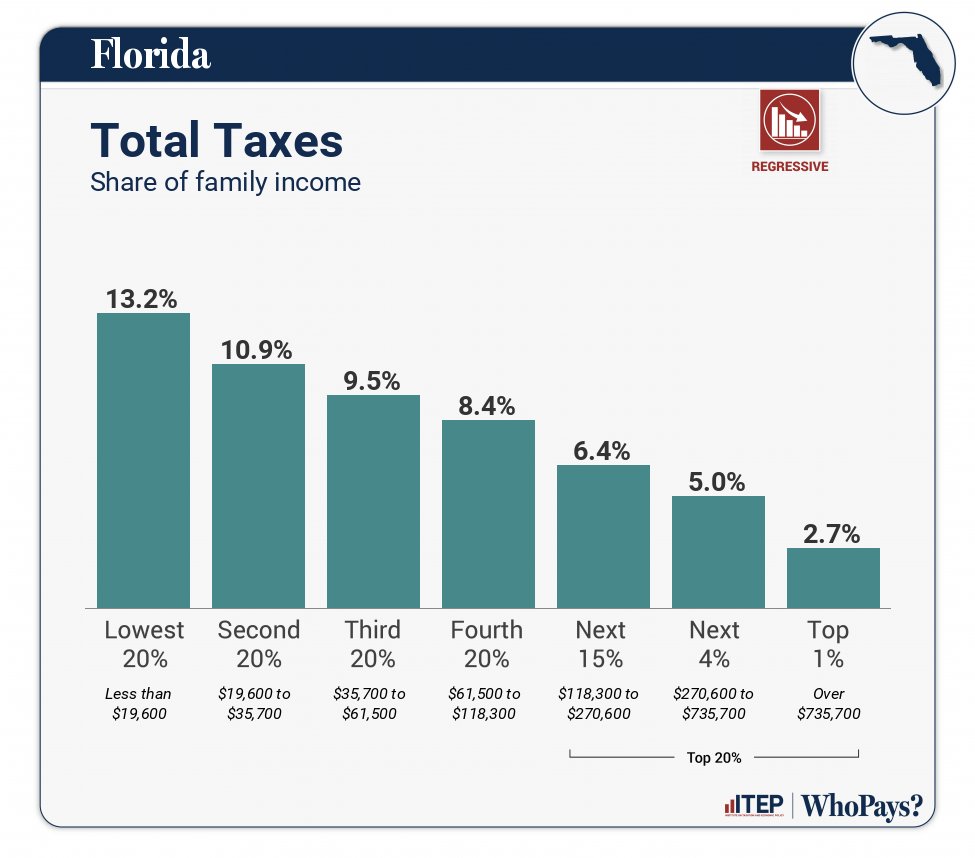
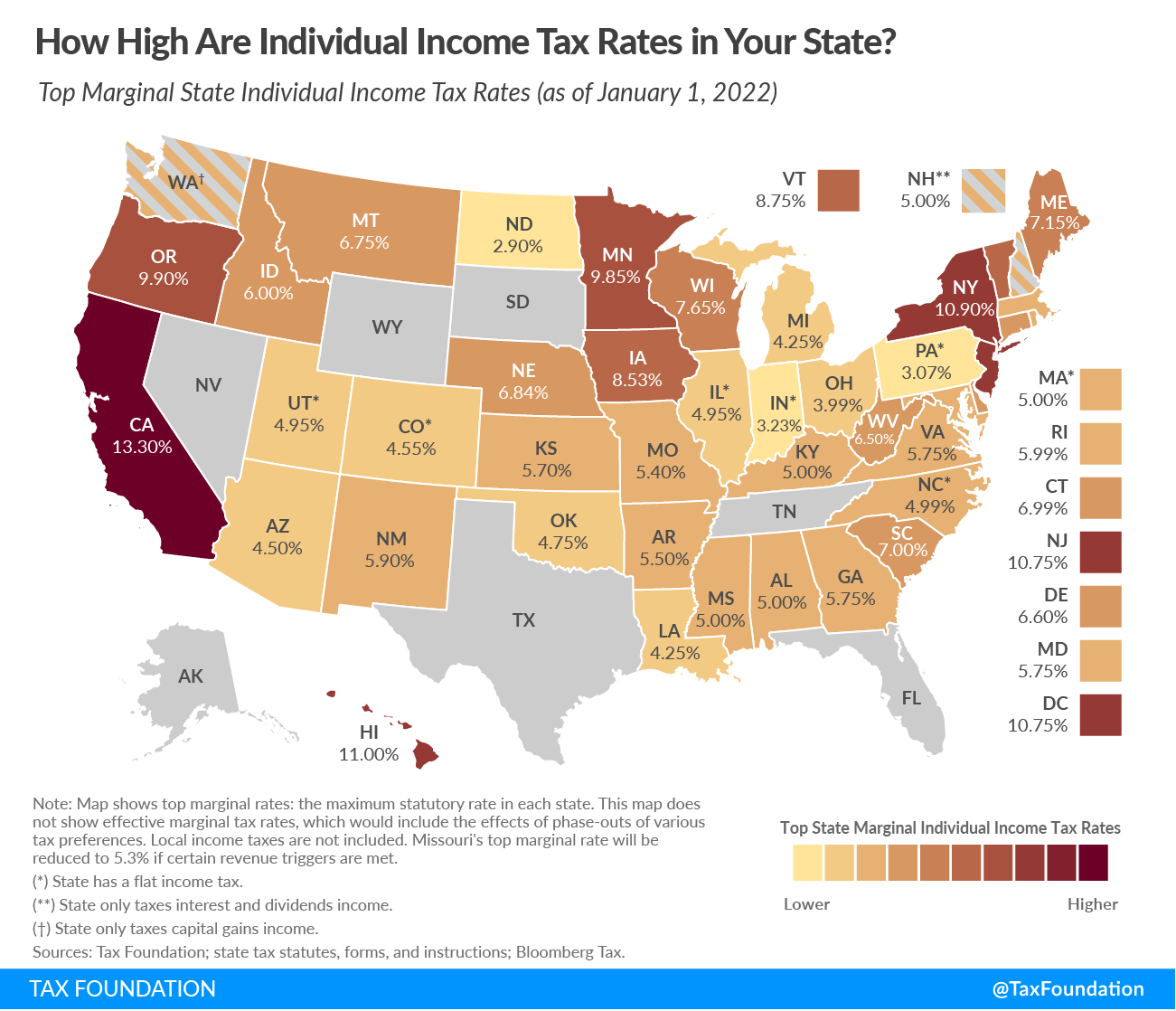
One of Florida’s most significant financial advantages, and a major draw for residents and businesses alike, is the absence of a state income tax. Unlike many other United States states that levy a tax on personal income, Florida does not. This means that residents keep more of their earnings, which can significantly impact personal finances and the overall cost of living.
While this doesn’t directly affect short-term tourists in the same way, it contributes to the state’s vibrant economy and potentially lower operating costs for businesses, which can indirectly influence pricing. For example, restaurant owners or small shop proprietors might face a different tax burden than their counterparts in states with income tax, potentially allowing them to price goods and services more competitively. This policy also supports a strong entrepreneurial spirit, contributing to the diverse array of attractions, dining experiences, and shopping opportunities that draw tourists to the state. For those considering a long-term stay or even residency in Florida, the lack of state income tax is often a compelling factor in the lifestyle decision, freeing up more disposable income for enjoying Florida’s many offerings.
Budgeting for Your Florida Adventure
Effective budgeting is crucial for any trip, and Florida’s varied tax rates make it especially important. When planning your travel, accommodation, dining, and activity expenses, remember to factor in not just the advertised prices but also the additional percentage and fixed taxes and fees.
Here’s a quick checklist to help you budget comprehensively:
- Sales Tax: Remember the base 6% plus any county surtax (e.g., 6.5% in Orange County, 7.5% in Miami-Dade County). Apply this to most purchases, restaurant meals, and tickets to attractions (unless otherwise specified).
- Tourist Development Tax (TDT): This is a critical addition for hotels, vacation rentals, and other transient accommodations. Confirm the specific county’s TDT rate (ranging from 2% to 6%) and factor it into your lodging costs per night.
- Rental Car Surcharge: Don’t forget the $2.00 per day surcharge on rental vehicles, in addition to sales tax on the rental cost itself.
- Resort Fees: These are non-negotiable extra charges at many hotels and resorts. Always check if they apply and what their daily rate is, remembering they’re also subject to sales and TDT taxes.
- Other Fees: Be mindful of airport fees, parking charges, service charges at restaurants (especially for large groups), and any other incidental costs that can add up.
By meticulously accounting for these various taxes and fees, you can create a more accurate budget, preventing unpleasant surprises and ensuring a smoother, more enjoyable Florida experience. Whether you’re exploring the historic St. Augustine or enjoying the theme parks of Orlando, an informed approach to your finances enhances your overall journey.
Local Nuances: Taxes in Popular Florida Destinations
The variation in local sales surtaxes and Tourist Development Taxes means that the total tax burden can differ significantly depending on where you choose to stay and spend your time in Florida. Understanding these regional differences is key to precise budgeting, especially when hopping between different destinations within the state.
Spotlight on Orlando, Miami, and Key West
These three iconic Florida destinations exemplify the varying tax landscapes tourists will encounter:
- Orlando (Orange County/Osceola County): As a global capital for theme parks, Orlando sees millions of visitors. In Orange County, the general sales tax is 6.5% (6% state + 0.5% county). The Tourist Development Tax is a notable 6%. So, on a $200 hotel room, you’d pay $13 in sales tax and $12 in TDT, totaling $25 in taxes. Attractions, dining, and shopping will all reflect the 6.5% sales tax. Areas like Kissimmee in Osceola County have a similar 7.5% sales tax and 6% TDT, making the total lodging tax environment very similar.
- Miami (Miami-Dade County): Miami, known for its vibrant nightlife, beautiful beaches, and Latin flair, has a higher general sales tax rate. In Miami-Dade County, the sales tax is 7.5% (6% state + 1.5% county). The Tourist Development Tax is also 6%. A $200 hotel room here would incur $15 in sales tax and $12 in TDT, for a total of $27 in taxes. The higher sales tax impacts all goods, services, and dining experiences throughout the bustling metropolis, from Miami Beach to Brickell.
- Key West (Monroe County): The laid-back paradise of Key West and the wider Florida Keys offer a different vibe and slightly different tax rates. In Monroe County, the general sales tax is 7.5% (6% state + 1.5% county). The Tourist Development Tax is typically 5%. For a $200 stay, you’d pay $15 in sales tax and $10 in TDT, totaling $25 in taxes. While the TDT is slightly lower than in Orlando or Miami, the overall sales tax on purchases is higher, which means daily expenses for food and souvenirs might cost a bit more.
These examples highlight why a general understanding of Florida’s tax structure, combined with specific knowledge of your chosen destination’s rates, is indispensable for accurate travel budgeting and ensuring a smooth, financially predictable trip.
Planning Your Stay in Specific Regions
Beyond these major hubs, Florida is segmented into numerous counties, each with its own local surtax and TDT rates. For instance, if you’re planning a tranquil beach vacation to Sarasota or Naples, or exploring the historic charm of St. Augustine, it’s advisable to look up the specific county’s tax rates.
For those venturing to the Gulf Coast cities like Tampa, St. Petersburg, or Clearwater, you would be looking at Hillsborough County or Pinellas County rates, which generally have a total sales tax of 8.5% and 7% respectively, often coupled with a 5-6% TDT. Further north, the Panhandle cities like Destin and Panama City Beach (in Okaloosa County and Bay County respectively) have their own specific local surtaxes and TDTs, usually around 6% for both.
Checking the exact rates for your specific destination can be easily done through the Florida Department of Revenue website or by simply searching online for “sales tax in [county name], Florida” and “Tourist Development Tax in [county name], Florida”. Being proactive in understanding these local nuances empowers you to make informed decisions about your accommodation, travel style, and overall budget, ensuring that your Florida experience is as delightful and stress-free as possible. From luxury resorts to budget-friendly apartments, knowing the full cost allows you to fully immerse yourself in the local culture, food, and activities without financial surprises.
In conclusion, while Florida offers an unparalleled travel and lifestyle experience, its intricate tax structure demands attention. From the statewide sales tax to county-specific surtaxes, Tourist Development Taxes, and additional fees like rental car surcharges and resort fees, these charges collectively influence the final cost of your trip. By understanding these various components and doing a bit of research for your specific destinations, you can effectively budget and enjoy all that the Sunshine State has to offer, from iconic landmarks to hidden gems.
LifeOutOfTheBox is a participant in the Amazon Services LLC Associates Program, an affiliate advertising program designed to provide a means for sites to earn advertising fees by advertising and linking to Amazon.com. Amazon, the Amazon logo, AmazonSupply, and the AmazonSupply logo are trademarks of Amazon.com, Inc. or its affiliates. As an Amazon Associate we earn affiliate commissions from qualifying purchases.