
Florida, often dubbed the Sunshine State, is synonymous with warm weather, pristine beaches, and endless opportunities for outdoor adventures. Yet, understanding “what is temperature in Florida” goes far beyond a simple sunny forecast. For travelers, hoteliers, and anyone considering a visit, comprehending the nuances of Florida’s climate is crucial for planning the perfect trip, choosing the right accommodation, and fully immersing oneself in the local lifestyle and tourism experiences. From the subtropical northern reaches to the tropical southern tip, temperatures vary significantly by region and season, influencing everything from what you pack to the best time to visit iconic landmarks and attractions. This guide delves into Florida’s diverse temperatures, offering insights to help you navigate its wonderful warmth throughout the year.
Understanding Florida’s Diverse Climate: More Than Just Sunshine
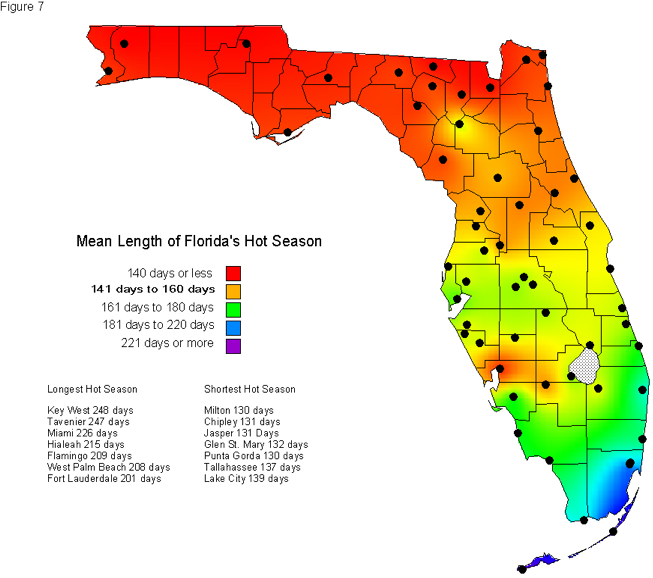
Florida’s unique geographical position, sandwiched between the Atlantic Ocean and the Gulf of Mexico, gives it a distinct climate characterized by abundant sunshine and mild winters, but also hot, humid summers. The state primarily falls into two climate zones: subtropical in the north and central regions, and tropical in the southern part. This distinction is critical when considering average temperatures and how they impact travel experiences across the state.
Florida’s Subtropical and Tropical Zones: Differentiating North, Central, and South Florida
The line between subtropical and tropical often divides Florida roughly around the area of Orlando or just south of it. North Florida, including cities like Jacksonville, St. Augustine, and Pensacola, experiences more defined seasons. Winters here can see occasional cold fronts, with temperatures sometimes dipping into the 30s°F (1-4°C) at night, though daytime highs usually remain mild, in the 50s-60s°F (10-20°C). Summers are hot and humid, similar to the rest of the state, with averages in the high 80s°F (30-32°C).
Central Florida, home to major theme parks and cities like Tampa and Orlando, enjoys milder winters than the north, with fewer significant cold snaps. Daytime temperatures in winter typically range from the 60s-70s°F (15-25°C). Summers are consistently hot and humid, with daily averages hovering around the low 90s°F (32-34°C), often accompanied by afternoon thunderstorms that provide temporary relief and are a common feature of the tropical climate.
South Florida, encompassing vibrant destinations like Miami, Fort Lauderdale, Naples, and the Florida Keys, boasts a truly tropical climate. This means distinct wet and dry seasons rather than four traditional seasons. Winters are remarkably warm and dry, with average temperatures in the 70s°F (21-26°C), rarely dipping below 60°F (15°C). Summers are hot, humid, and wet, with daily highs in the high 80s to low 90s°F (30-34°C) and frequent, heavy rainfall. The Florida Keys, particularly Key West, have the most consistently warm temperatures in the continental United States, with less temperature fluctuation than even mainland South Florida.
Seasonal Temperature Variations: A Month-by-Month Guide for Travelers
Understanding the monthly temperature patterns is key for any visitor planning their trip.
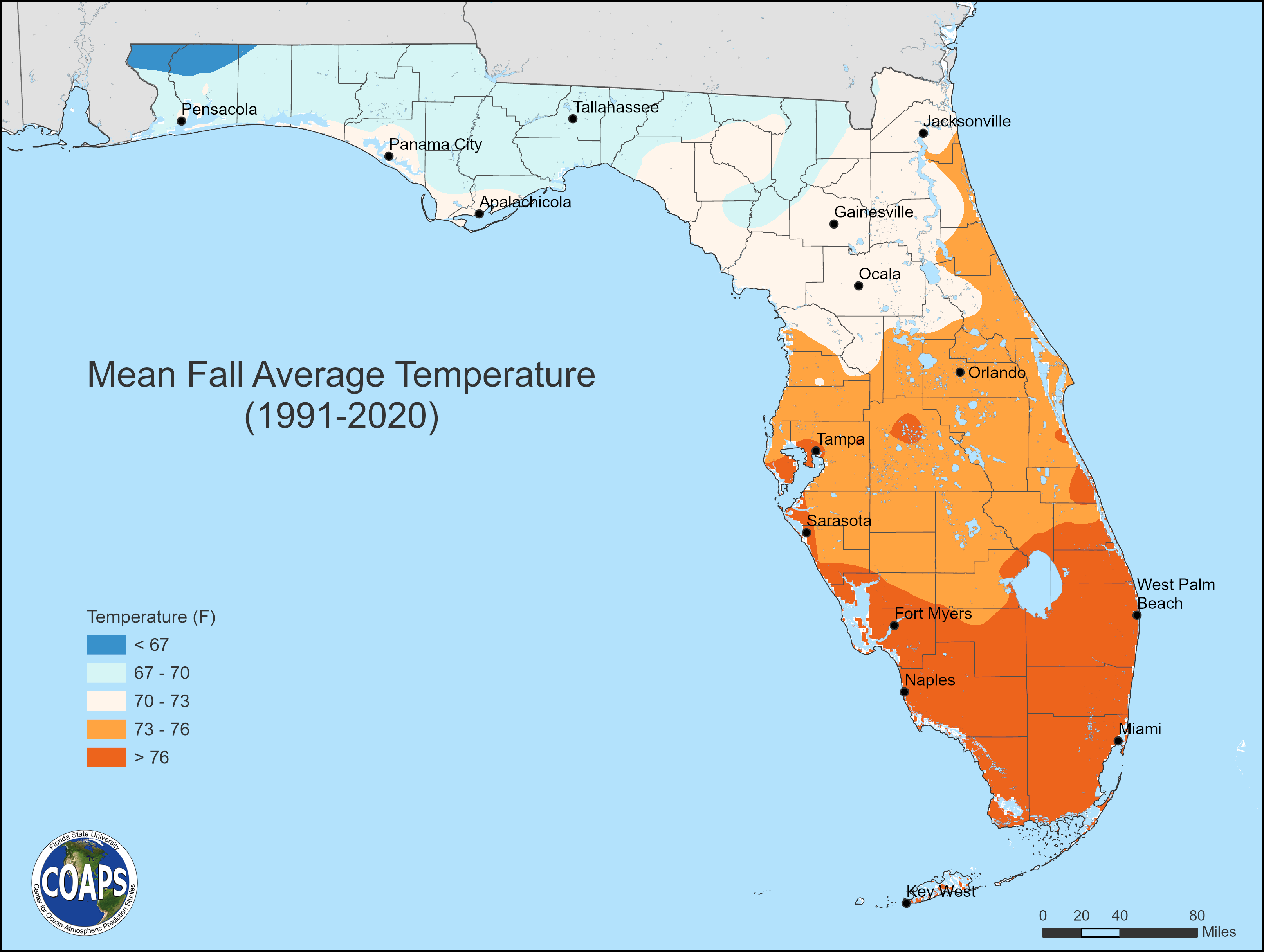
- December to February (Winter): This is Florida’s peak tourist season, especially for snowbirds escaping colder climates. Temperatures are delightful across the state. South Florida enjoys averages of 70-75°F (21-24°C), perfect for beach days. Central Florida hovers around 65-70°F (18-21°C), ideal for theme parks. North Florida is cooler, 55-65°F (13-18°C), with chilly mornings/evenings.
- March to May (Spring): Spring offers a beautiful transition. Temperatures steadily rise, becoming very pleasant statewide before the intense summer heat sets in. March and April are excellent for visiting, with comfortable warmth in the 70s-80s°F (21-29°C) across most regions. May sees temperatures climb into the mid-80s°F (29-32°C), particularly in the south, and humidity begins to increase.
- June to August (Summer): Prepare for heat and humidity. Daily highs are consistently in the high 80s to low 90s°F (30-34°C) across the entire state. The heat index can make it feel even hotter. Afternoon thunderstorms are common, providing a brief cool-down. This is also the start of hurricane season, though direct impacts are not an everyday occurrence.
- September to November (Autumn): Early autumn still feels very much like summer, with high temperatures and humidity through September and into October. By late October and November, temperatures gradually begin to cool, especially in North and Central Florida, offering relief from the summer intensity. November often provides some of the most pleasant weather, similar to late spring, with temperatures typically in the 70s°F (21-26°C) and lower humidity, making it an excellent time for a visit.
Planning Your Florida Getaway: Temperature-Driven Choices
The success of your Florida vacation hinges significantly on understanding and planning around the state’s temperatures. From selecting the optimal travel window to packing the right attire, temperature considerations are paramount for maximizing your experience and comfort.
The Best Time to Visit: Balancing Pleasant Temperatures with Crowds and Prices
For many, the ideal time to visit Florida is between late November and early May. During these months, the temperatures are generally mild to warm, the humidity is lower, and there’s less chance of rain. This makes it perfect for outdoor activities, beach visits, and enjoying attractions without the oppressive summer heat. However, this period also coincides with peak tourist season, meaning higher prices for flights and hotels and larger crowds at popular destinations like Walt Disney World Resort in Orlando or the vibrant streets of Miami Beach.
If avoiding crowds and finding better deals is a priority, consider the shoulder seasons: late April to May, or September to early November. While temperatures start to climb (or remain high), these periods offer a good balance. For budget travelers, summer (June-August) offers the lowest prices and fewer crowds at some non-beach destinations, but you must be prepared for intense heat and humidity.
Packing Essentials for Every Season: From Swimsuits to Light Jackets
Your packing list for Florida will depend heavily on the season and your specific destination:
- Winter (December-February): Even though it’s winter, swimsuits are still a must, especially for South Florida or resorts with heated pools. Layering is key: light pants/shorts, T-shirts for warm days, and a light jacket, sweater, or hoodie for cooler evenings and mornings, particularly in North and Central Florida.
- Spring (March-May): Focus on lightweight, breathable clothing like shorts, sundresses, and T-shirts. A light cardigan or jacket might be useful for cooler evenings in early spring. Sun protection (hat, sunglasses, high SPF sunscreen) is crucial as the sun becomes more intense.
- Summer (June-August): Think minimal and breathable. Lightweight, moisture-wicking fabrics are your best friend. Swimsuits, shorts, tank tops, and sandals are standard. Rain gear (a small umbrella or light poncho) is essential for afternoon downpours. Don’t forget bug spray, especially if venturing into natural areas.
- Autumn (September-November): Early autumn requires summer attire. As November approaches, you can gradually introduce light layers similar to what you’d pack for early spring or mild winter days, especially if traveling to the northern parts of the state.
Embracing the Heat: Summer Travel Tips
Traveling to Florida during the summer can still be incredibly rewarding if you plan accordingly.
- Hydration is paramount: Drink plenty of water throughout the day, even if you don’t feel thirsty.
- Seek shade and air conditioning: Plan your activities around the hottest parts of the day (mid-afternoon). Morning visits to outdoor attractions or theme parks are ideal, followed by indoor activities or a midday break back at your resort.
- Utilize water parks and pools: Florida’s numerous water parks, hotel pools, and beaches offer excellent ways to cool down.
- Dress appropriately: Loose-fitting, light-colored clothing made from natural or moisture-wicking fabrics will make a significant difference.
- Sun protection: Sunscreen, hats, and sunglasses are non-negotiables to protect against intense UV rays.
Temperature’s Influence on Florida’s Iconic Experiences
The variable temperatures across Florida directly shape the types of activities and experiences you can enjoy. Whether you’re a beach bum, an adrenaline junky, or a nature enthusiast, understanding the climate connection will enhance your trip.
Beaches and Water Activities: Ideal Temperatures for Swimming, Snorkeling, and Sunbathing
Florida’s beaches are a major draw, and water temperatures are just as important as air temperatures. In South Florida and the Florida Keys, ocean temperatures remain comfortable for swimming year-round, typically in the low to mid-70s°F (22-24°C) in winter and climbing to the mid-80s°F (29-30°C) in summer. The Gulf Coast waters, generally shallower, tend to be slightly warmer in summer and cooler in winter than the Atlantic Coast waters.
For optimal swimming, snorkeling, diving, or paddleboarding, the spring and autumn months offer a sweet spot with pleasant air and water temperatures without the intense summer heat or the occasional winter chill. Winter is still fantastic for sunbathing and enjoying the beach ambiance, but the water might feel a bit cool for extended dips, especially further north or after a cold front.
Theme Parks and Outdoor Adventures: Navigating the Heat
Florida is home to some of the world’s most famous theme parks, including Walt Disney World Resort and Universal Studios Florida in Orlando. These parks are predominantly outdoor experiences, making temperature a significant factor. The mild winter and spring months are prime time for theme park visits, with comfortable temperatures that allow for long days of walking and waiting in lines.
During the summer, visiting theme parks requires strategic planning. Arriving at opening, taking midday breaks, utilizing water rides, and seeking out air-conditioned shows and restaurants are essential tactics. Many parks also offer misters and shaded areas to help guests cope with the heat. Similarly, exploring natural wonders like the Everglades National Park is best done in cooler, drier months (November-April) to avoid the intense heat, humidity, and the peak mosquito season of summer. Kayaking, hiking, and wildlife viewing are far more enjoyable when temperatures are in the comfortable 70s°F (21-26°C).
Dining and Nightlife: Enjoying Outdoor Patios in Cooler Months
Florida’s vibrant culinary scene and lively nightlife are often best enjoyed outdoors. Many restaurants and bars, particularly in coastal cities like Miami, Fort Lauderdale, Sarasota, and St. Petersburg, feature expansive outdoor patios, rooftop bars, and waterside dining. These alfresco experiences are particularly delightful during the cooler, drier months from November to May when the evenings are pleasantly mild.
In summer, while outdoor dining is still an option, most people prefer air-conditioned interiors for comfort, or venues that offer significant shade and fans. Nightlife, however, can thrive outdoors even in summer, as evening temperatures drop slightly, and the atmosphere becomes more bearable. Resorts like the Ritz-Carlton, Naples or The Breakers Palm Beach beautifully integrate indoor and outdoor spaces, allowing guests to comfortably enjoy the Florida ambiance regardless of the temperature.
Accommodation and Lifestyle: Adapting to Florida’s Thermometer
The design and amenities of hotels, resorts, and other accommodations in Florida are intrinsically linked to its climate. Furthermore, the local lifestyle and the phenomenon of “snowbirds” are direct consequences of the state’s appealing temperatures.
Hotels, Resorts, and Villas: Essential Amenities for Comfort
Given Florida’s predominantly warm climate, air conditioning is a non-negotiable amenity in virtually all hotels, resorts, and villas. Beyond cooling, many accommodations offer pools—often heated—to ensure comfortable swimming even during cooler winter days or evenings. Properties might also feature shaded cabanas, outdoor misters, and indoor common areas designed for respite from the sun. Luxury suites and premium resorts often boast private plunge pools or balconies with ceiling fans, enhancing guest comfort in all temperatures. When booking, checking for these specific amenities can greatly impact your stay, especially if you’re sensitive to heat or plan to visit during the off-peak, hotter months.
Long-Term Stays and Snowbirds: The Allure of Florida’s Winter
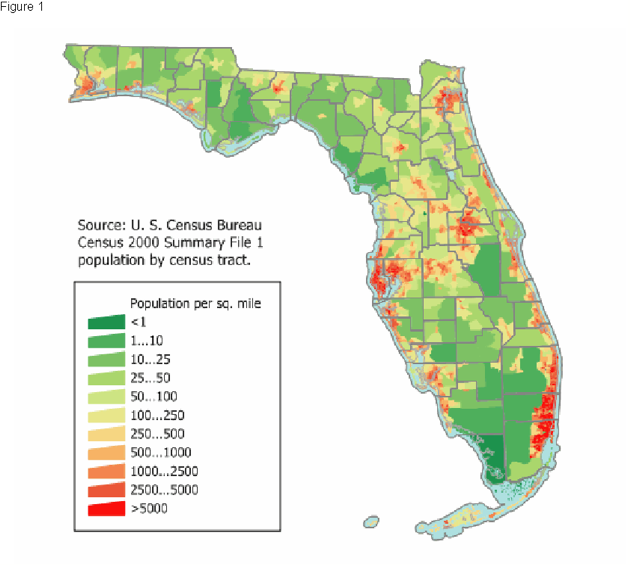
Florida’s mild winters are a powerful magnet for “snowbirds”—retirees and visitors from colder northern states and Canada who seek refuge from harsh winters. This demographic fuels a significant segment of Florida’s tourism and accommodation market, leading to an abundance of long-term stay options, from furnished apartments and condo rentals to RV parks. The lifestyle during these winter months revolves around outdoor activities like golf, tennis, fishing, and leisurely strolls on the beach, all made possible by the state’s comfortable temperatures. Communities like those around Fort Myers or Naples thrive on this seasonal influx, becoming vibrant hubs for those embracing the warm sunshine.
Local Culture and Activities: How Temperature Shapes Daily Life and Events
Florida’s temperature has deeply woven itself into the fabric of its local culture and daily life. Siestas or midday breaks are common during summer’s peak heat, and many outdoor festivals and events are strategically scheduled during the cooler spring, fall, or winter months. The state’s love affair with water sports, from boating and fishing to paddleboarding and surfing, is a direct result of the inviting warm waters. Even something as simple as the prevalence of outdoor patios, drive-through services, and indoor air-conditioned spaces speaks to an adaptation to the climate. Understanding these nuances allows visitors to not just experience Florida, but to live like a local and appreciate the rhythm of life dictated by the sun and the thermometer.
In conclusion, “what is temperature in Florida?” is a multifaceted question with answers that influence every aspect of a visit. From regional variations and seasonal shifts to the impact on activities and accommodation choices, temperatures play a starring role. By understanding these climatic dynamics, travelers can strategically plan their trips, ensuring maximum comfort and enjoyment as they explore the sun-drenched wonders of the Sunshine State.
LifeOutOfTheBox is a participant in the Amazon Services LLC Associates Program, an affiliate advertising program designed to provide a means for sites to earn advertising fees by advertising and linking to Amazon.com. Amazon, the Amazon logo, AmazonSupply, and the AmazonSupply logo are trademarks of Amazon.com, Inc. or its affiliates. As an Amazon Associate we earn affiliate commissions from qualifying purchases.