
Miami, Florida, often evokes images of sun-drenched beaches, swaying palm trees, and vibrant nightlife. While these scenes are certainly a reality, understanding the nuanced temperature patterns of this subtropical paradise is key to unlocking the best travel experiences, selecting the perfect accommodation, and truly immersing oneself in the local culture. Far more than just a number on a thermometer, Miami’s climate dictates everything from the types of activities visitors pursue to the seasonal shifts in tourism and hotel pricing. For anyone planning a trip, whether for leisure, business, or a long-term stay, delving into Miami’s temperatures is an essential part of the preparation. This guide will explore the city’s distinctive climate across the year, its impact on travel and tourism, and how to best navigate the heat and humidity to ensure a memorable Florida adventure.
Miami’s Tropical Allure: Understanding its Climate
Miami’s geographical location near the Tropic of Cancer, nestled between the Atlantic Ocean and the Everglades National Park, grants it a unique subtropical monsoon climate. This classification means it experiences warm, humid summers and mild, dry winters, with very little temperature variation throughout the year compared to cities further north in the United States. The influence of the warm Gulf Stream in the Atlantic Ocean plays a significant role, moderating temperatures and preventing extreme cold fronts from settling for long durations.
The Subtropical Climate Explained
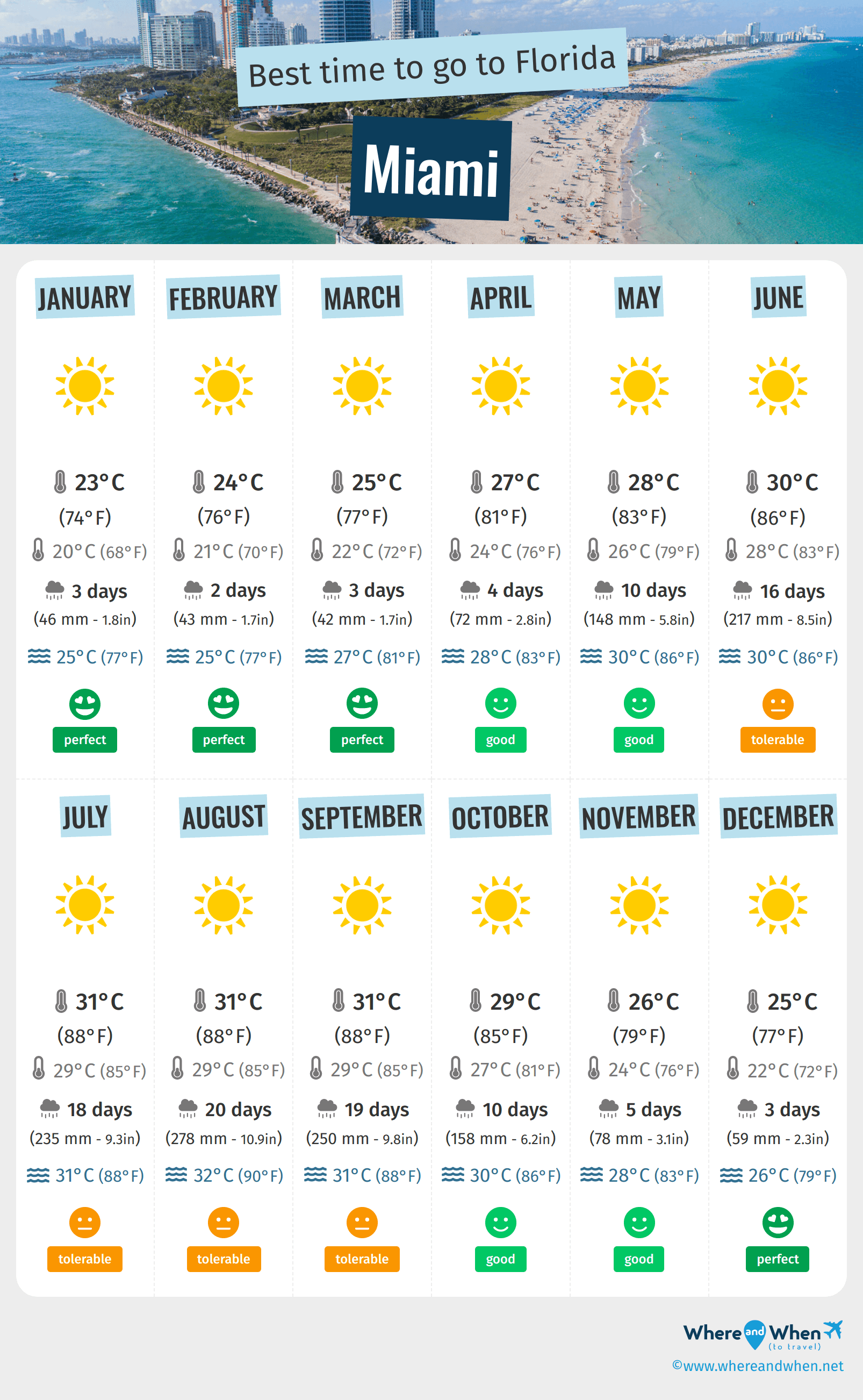
Unlike typical four-season climates, Miami essentially has two main seasons: the “dry season” and the “wet season.” The dry season, running roughly from November through April, is characterized by lower humidity, less rainfall, and pleasant, warm temperatures that rarely dip below 60°F (15°C) and often reach the mid-70s to low-80s°F (24-28°C). This period is undeniably the peak tourist season, attracting visitors from colder regions of the Northeast and Midwest seeking an escape from winter’s chill.
The wet season, spanning from May through October, sees a significant increase in both temperature and humidity. Daily high temperatures consistently reach the upper 80s°F (31-32°C) and often climb into the low 90s°F (33-34°C). The distinguishing feature of this season is the frequent afternoon thunderstorms, which, while often brief and intense, provide a temporary cooling effect. Rainfall during this time accounts for the majority of Miami’s annual precipitation, nourishing the lush tropical vegetation. This period also coincides with the official hurricane season in the Atlantic Ocean, typically from June 1st to November 30th, although direct hits are relatively infrequent.
Humidity: A Constant Companion
Perhaps more impactful than temperature alone in Miami is the persistent humidity. Even during the drier winter months, humidity levels remain relatively high compared to arid climates. However, it’s during the wet season that humidity truly becomes a defining characteristic. Levels often hover around 70-90%, making the “feels like” temperature significantly higher than the actual air temperature. This high humidity can make outdoor activities more strenuous and necessitates the prevalence of air conditioning in almost all indoor spaces, from luxury resorts to local diners. For travelers, understanding and preparing for the humidity, especially during summer, is crucial for comfort and enjoyment. This influences accommodation choices, where amenities like efficient AC systems and dehumidifiers are paramount, particularly for longer stays or for those seeking premium comfort in hotels like The Setai or Fontainebleau Miami Beach.
Navigating Miami’s Seasons: Best Times to Visit
Understanding Miami’s seasonal temperature shifts is vital for planning any trip, as it directly impacts crowd levels, pricing, available activities, and overall visitor experience. Each season offers a distinct flavor of the city, catering to different travel preferences and budgets.
Winter Wonderland (December – February): The Peak Season
Average Temperatures: Highs in the mid-70s°F (24°C), lows in the mid-60s°F (18°C).
This is arguably the most coveted time to visit Miami. With pleasant, dry conditions and comfortable warmth, it’s the perfect escape for those fleeing colder northern latitudes. The skies are generally clear, and humidity is at its lowest, making outdoor activities exceptionally enjoyable. Tourism is at its peak during these months, especially around holidays like Christmas, New Year’s, and events such as Art Basel.
- Travel & Tourism Impact: Expect higher prices for flights and accommodation. Resorts and hotels on South Beach and in Brickell are often fully booked. Attractions like the Art Deco Historic District, Vizcaya Museum & Gardens, and Bayside Marketplace are bustling. Book well in advance, especially if you’re looking for specific suites or family-friendly resorts.
- Lifestyle: Ideal for luxury travel experiences, beach relaxation, outdoor dining, and exploring cultural festivals. Budget travelers might find options, but they’ll need to search aggressively for deals or consider staying slightly outside prime areas.
Spring Break & Beyond (March – May): Pleasant Transitions
Average Temperatures: Highs in the low-80s°F (27°C), lows in the upper-60s to low-70s°F (20-22°C).
As winter fades, spring brings slightly warmer temperatures and a gradual increase in humidity, though it largely remains comfortable. March and April continue to be very popular, particularly with the influx of college students for Spring Break and families on Easter vacations. May sees the beginnings of the wet season, with occasional afternoon showers becoming more common.
- Travel & Tourism Impact: Still a very popular time, though crowds might thin slightly after April. Hotel rates remain strong but might dip slightly towards late May. It’s an excellent time for water sports and enjoying the beaches before the intense summer heat. Consider booking boutique hotels or apartments in areas like Miami Beach for a more authentic local culture experience.
- Lifestyle: Great for those who enjoy a lively atmosphere without the intense peak season crowds. Excellent for exploring Little Havana or the Wynwood Walls before the midday sun becomes too strong.
Summer’s Embrace (June – August): Hot, Humid, and Vibrant
Average Temperatures: Highs in the upper-80s to low-90s°F (31-34°C), lows in the mid-70s°F (24°C).
Summer in Miami is characterized by high heat, intense humidity, and daily afternoon thunderstorms. While challenging for some, this season offers a different kind of vibrant energy. The rain showers are often quick, clearing the air and making way for spectacular sunsets.
- Travel & Tourism Impact: Fewer crowds than winter, leading to lower prices for flights and accommodation. This is an excellent time for budget-conscious travelers. Many resorts, such as Loews Miami Beach Hotel, offer summer deals. Indoor attractions like museums and shopping in the Miami Design District become more appealing during the hottest parts of the day.
- Lifestyle: Focus shifts to water-based activities like swimming, snorkeling, and boat tours. Nightlife truly comes alive as the temperatures cool slightly after dusk. Families can find great value, and the slightly less crowded beaches offer a more relaxed experience.
Autumn’s Gentle Fade (September – November): Hurricane Season & Mild Relief
Average Temperatures: Highs in the mid-80s°F (29°C), lows in the low-70s°F (22°C).
This period marks a gradual transition from summer’s intensity back to the pleasant winter conditions. September and October are still part of the wet season and the peak of hurricane season, which can deter some travelers. However, by November, humidity begins to drop significantly, and temperatures become very pleasant.
- Travel & Tourism Impact: Often the best time for deals, especially in September and October, due to the hurricane season risk. Travelers might consider trip insurance. By November, prices begin to climb as the winter season approaches. This is a great time for those seeking value without extreme cold or heat. Mandarin Oriental or Hyatt Regency Miami might offer competitive rates.
- Lifestyle: Excellent for exploring local culture and food festivals without the peak crowds. It’s a great time for long-term stays where one can experience the transition from intense summer to mild winter.
Temperature’s Influence on Miami Experiences
The consistent warmth and high humidity of Miami profoundly shape the activities and attractions available, making it a destination uniquely suited for certain types of experiences year-round.

Outdoor Activities & Attractions
Miami’s climate is its greatest asset for outdoor enthusiasts. Beaches, from the iconic sands of South Beach to the quieter shores of Key Biscayne, are central to the Miami experience. While enjoyable year-round, the winter months offer the most comfortable conditions for sunbathing, beach volleyball, and long walks along the shore. During summer, many prefer to limit direct sun exposure to early mornings or late afternoons, opting for shaded areas or frequent dips in the ocean.
Beyond the beaches, exploring the Everglades National Park on an airboat tour is an exhilarating experience, though summer visitors should prepare for intense heat and mosquitoes. The urban green spaces like Bayfront Park in Downtown Miami or the numerous golf courses across Florida are best enjoyed in the cooler months. Cycling along the South Beach boardwalk or exploring the colorful murals of Wynwood Walls is also more comfortable when humidity levels are lower. For history buffs, a leisurely stroll through the Art Deco Historic District is a delight in winter, whereas summer visits might necessitate starting early or ending late.
Culinary Delights & Nightlife
Miami’s culinary scene, with its strong Caribbean and Latin influences, is deeply intertwined with its climate. Outdoor dining is a celebrated part of the local culture, with countless restaurants offering patio seating. This is particularly pleasant during the dry season, allowing diners to enjoy the balmy evenings. During the summer, restaurants with powerful air conditioning or covered, fan-cooled patios become highly sought after. Refreshing dishes, cold beverages, and tropical fruits are popular choices year-round.
The nightlife in Miami thrives regardless of temperature. From the chic rooftop bars of Brickell to the pulsating clubs of South Beach, the evening energy is contagious. Most venues are indoors and air-conditioned, providing a cool sanctuary from the outdoor heat and humidity. This makes Miami a prime destination for those who enjoy late-night entertainment, as the cooler evening temperatures provide a welcome reprieve after a warm day.
Water-Based Adventures
Given Miami’s coastal location, water-based activities are a year-round staple. The Atlantic Ocean water temperature rarely drops below 70°F (21°C), even in winter, making it suitable for swimming, snorkeling, and paddleboarding. During the summer, the ocean acts as a perfect natural cooling system, with water temperatures often reaching the mid-80s°F (29°C), ideal for extended swims or jet skiing. Yacht charters, fishing trips, and cruises to nearby destinations like the Bahamas or Cuba are popular choices, with many opting for air-conditioned boats during the warmer months. These activities are central to Miami’s appeal for thrill-seekers and those looking to maximize their time on or near the water.
Planning Your Miami Getaway: Accommodation & Tips
Strategic planning around Miami’s temperatures can significantly enhance your travel experience, particularly when it comes to booking accommodation and packing.
Hotel & Resort Choices for Every Season
The type of accommodation you choose should align with the season and your comfort preferences. During the peak winter season, luxury resorts like SLS South Beach or boutique hotels that offer exceptional amenities, including heated pools and top-tier air conditioning, are highly sought after. Booking well in advance is essential, and expect premium pricing. Many high-end establishments focus on creating an oasis that allows guests to fully embrace the mild outdoor conditions while providing luxurious indoor retreats.
In contrast, during the summer, when temperatures and humidity are high, the emphasis shifts to properties with robust air conditioning, refreshing pools, and perhaps even shuttle services to minimize outdoor walking. Vacation rentals and apartments can offer more space and flexibility, often at better rates than hotels, making them ideal for families or long-term stays. Websites specializing in accommodation comparison are useful for finding good deals during the off-peak seasons. Regardless of the season, consistently high-rated air conditioning is a critical amenity to look for in reviews. Properties offering suites with private balconies are also popular, allowing guests to enjoy the fresh air during cooler parts of the day.
Packing Essentials for Miami’s Climate
Lightweight, breathable fabrics like cotton, linen, and moisture-wicking materials are essential year-round. Even in winter, a light jacket or sweater is usually sufficient for cooler evenings. For summer, expect to pack multiple changes of clothes due to the humidity. Swimsuits are a must, along with sun protection (hats, sunglasses, high SPF sunscreen). Comfortable walking shoes are advisable, but also consider waterproof sandals or flip-flops for beach and pool areas. An umbrella or light rain jacket is a good idea during the wet season, as afternoon showers can pop up quickly. For those combining a business stay with leisure, ensure your professional attire is suitable for warm conditions, opting for lightweight suits or smart casual options.
Budgeting and Booking Strategies
Travel costs in Miami fluctuate dramatically with the seasons. The winter dry season commands the highest prices for flights, hotels, and even some attractions. If you’re traveling on a budget, consider visiting during the shoulder seasons (late spring, early fall) or the summer. While the weather is hotter, the savings on accommodation and flights can be substantial, allowing you to allocate more towards experiences or dining. Many hotels, including major chains like Omni Hotels, offer promotional rates during these times. For the best deals, especially during peak season, booking several months in advance is crucial. Conversely, last-minute deals can sometimes be found during the off-peak summer and early fall months, though this carries a higher risk of limited availability. Always check for packages that might include hotel stays with attraction passes or dining credits to maximize value.
Living the Miami Lifestyle, Rain or Shine
The temperature in Miami doesn’t just dictate what you do; it shapes the very lifestyle, influencing everything from the pace of daily life to the city’s unique blend of luxury and casual charm.
Luxury vs. Budget Travel in the Tropics
Miami effortlessly blends opulent luxury with accessible budget travel, and the climate plays a role in how each is experienced. Luxury travelers often visit during the peak winter season, indulging in high-end resorts, private yacht charters, and exclusive dining experiences. These establishments are meticulously designed to provide climate-controlled comfort, whether guests are lounging poolside or enjoying a gourmet meal. For them, the temperate winter weather allows for seamless enjoyment of all Miami has to offer, from shopping in the Miami Design District to world-class spas.
Budget travelers, on the other hand, might find the summer months more appealing due to lower costs. While the heat is more intense, they can still enjoy Miami’s free beaches, explore public parks, and utilize budget-friendly public transport or ride-shares to navigate the city. Many hostels and more affordable hotels or apartment rentals become accessible, providing a comfortable base with essential air conditioning. The key for budget travel in Miami is adapting to the climate by scheduling activities during cooler parts of the day, embracing water activities, and taking advantage of indoor cultural attractions during peak heat.

Family Fun and Business Travel Considerations
For families, Miami’s consistent warmth makes it an appealing year-round destination, but planning around the temperature is vital. During winter, families can comfortably enjoy outdoor attractions, theme parks in nearby cities like Orlando, and extended beach days. In summer, water parks, hotel pools, and indoor children’s museums become essential for keeping cool. Family-friendly resorts often boast extensive pool complexes and kids’ clubs, perfect for escaping the midday sun.
Business travelers to Miami, often attending conferences in Downtown Miami or Brickell, will find that business attire needs to be climate-appropriate. Lightweight fabrics are essential, and the reliance on air-conditioned taxis or ride-shares between venues is common. Even in the height of summer, professional environments maintain a cool indoor temperature. Many business hotels, like the Hyatt Regency Miami, are designed with climate comfort in mind, offering amenities that cater to both work and a quick cool-down session by the pool. For those extending their business trip for leisure, knowing the seasonal temperatures helps in packing versatile clothing for both professional meetings and relaxed evenings.
In conclusion, understanding “What is temperature in Miami, Florida?” is about more than just knowing the daily forecast. It’s about recognizing the city’s subtropical rhythm, which influences travel patterns, accommodation choices, local activities, and the overall visitor experience. By embracing Miami’s unique climate – from its pleasant winter warmth to its vibrant, humid summers – travelers can tailor their trips to perfectly suit their preferences, ensuring a comfortable and unforgettable journey to this dynamic South Florida gem.
LifeOutOfTheBox is a participant in the Amazon Services LLC Associates Program, an affiliate advertising program designed to provide a means for sites to earn advertising fees by advertising and linking to Amazon.com. Amazon, the Amazon logo, AmazonSupply, and the AmazonSupply logo are trademarks of Amazon.com, Inc. or its affiliates. As an Amazon Associate we earn affiliate commissions from qualifying purchases.