
Planning a trip to the Sunshine State? Whether you’re dreaming of the pristine beaches of Miami, the enchanting theme parks of Orlando, or the historic charm of St. Augustine, understanding the local financial landscape is crucial for a smooth and enjoyable Florida experience. One of the key elements every traveler needs to factor into their budget is the sales tax. Beyond the sticker price, sales tax can add a significant amount to your overall expenses for accommodation, dining, shopping, and attractions. This comprehensive guide will break down Florida’s sales tax rate, explain how it applies to various aspects of your trip, and offer tips for budgeting effectively. Knowing what to expect empowers you to plan a fantastic vacation without any unwelcome financial surprises, allowing you to focus on creating unforgettable memories.
Unpacking Florida’s Statewide Sales Tax
At its core, Florida operates with a state-level sales tax that forms the foundation of its revenue system. This tax applies to a wide range of goods and services, directly impacting almost every transaction a tourist might make during their stay. Understanding this base rate is the first step in demystifying your travel budget.
The Standard Rate and What It Covers
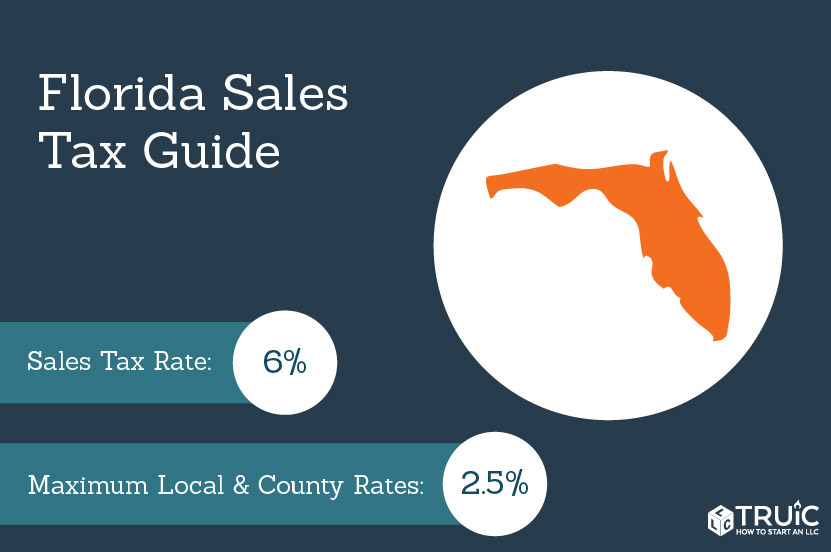
The statewide sales tax rate in Florida is 6%. This rate is consistent across all 67 counties, meaning that whether you’re buying a souvenir in Key West or a meal in Jacksonville, the state portion of the sales tax remains the same. This 6% applies to the sale, lease, or rental of most goods, as well as certain services.
For travelers, this means you can expect to pay an additional 6% on:
- Retail Purchases: From sunscreens and beach towels to designer clothing and unique souvenirs, nearly all tangible goods purchased from retail stores will be subject to this tax. This includes everything you might buy at souvenir shops near Walt Disney World Resort or boutique stores in South Beach.
- Restaurant Meals and Prepared Food: Dining out is a quintessential part of any travel experience, and in Florida, your restaurant bills will include sales tax. This applies whether you’re enjoying a gourmet meal in Naples, a casual lunch in Tampa, or grabbing a quick bite at a theme park. This also extends to prepared foods bought from grocery stores, delis, or convenience stores.
- Admissions to Attractions and Entertainment: Tickets to theme parks like Universal Orlando Resort, museums, concerts, sporting events, boat tours, and other entertainment venues are generally subject to the 6% sales tax. This is a significant consideration, especially for families planning multiple attraction visits.
- Rental of Tangible Personal Property: This includes popular tourist necessities such as rental cars, bicycles, golf carts, and even equipment like kayaks or paddleboards for enjoying Florida’s abundant waterways.
It’s important to remember that this 6% is usually added at the point of sale, meaning that the price displayed on a menu or a price tag typically does not include the sales tax. Always factor this additional percentage into your calculations to avoid any surprises when you reach the checkout. This is a common practice across the United States and is essential for budgeting.
Key Exemptions for Travelers
While sales tax seems ubiquitous, there are several key exemptions that travelers should be aware of, which can sometimes help manage costs:
- Groceries (Unprepared Food): Perhaps one of the most significant exemptions for travelers looking to save money is on most unprepared food items purchased at grocery stores. Staples like fresh produce, meats, dairy products, and pantry items are generally exempt from sales tax. This makes self-catering a viable and often more economical option, especially for longer stays in vacation rentals or apartments. However, as mentioned, prepared foods (hot deli items, pre-made sandwiches, rotisserie chickens, etc.) are usually taxable.
- Prescription Medications and Medical Services: Essential healthcare items and services, including prescription drugs and most medical services, are exempt from sales tax. While hopefully not a major part of your vacation, it’s good to know this if the need arises.
- Certain Services: Generally, professional services like dry cleaning, haircuts, or car repairs are not subject to sales tax in Florida, as the tax primarily applies to tangible goods. However, if a service involves the sale of a tangible product (e.g., car repair including parts), the product portion would be taxable.
- Residential Leases Over Six Months: If you’re planning an extended stay in Florida, such as snowbirds seeking warmth for the winter, residential leases for longer than six months are exempt from sales tax. This is a significant financial benefit for long-term accommodation. For shorter stays, the rules are different and often involve both sales tax and a tourist development tax, which we will discuss further.
Understanding these exemptions can help you make informed choices, from deciding whether to dine out every night or prepare some meals at your accommodation, to planning extended stays that might qualify for tax benefits.
Beyond the State: Understanding Local Surtaxes
While the 6% statewide sales tax is a constant, it’s not the only tax you’ll encounter in Florida. Many counties levy an additional local option sales tax, often referred to as a “surtax.” These surtaxes vary significantly from county to county and are crucial for tourists to understand, as they directly impact the final price of goods and services in different destinations.
How County Surtaxes Impact Your Stay
County surtaxes are imposed by individual county governments, usually to fund specific local projects like infrastructure improvements, transportation initiatives, or schools. These surtaxes are added on top of the 6% state sales tax, increasing the total sales tax rate you pay.
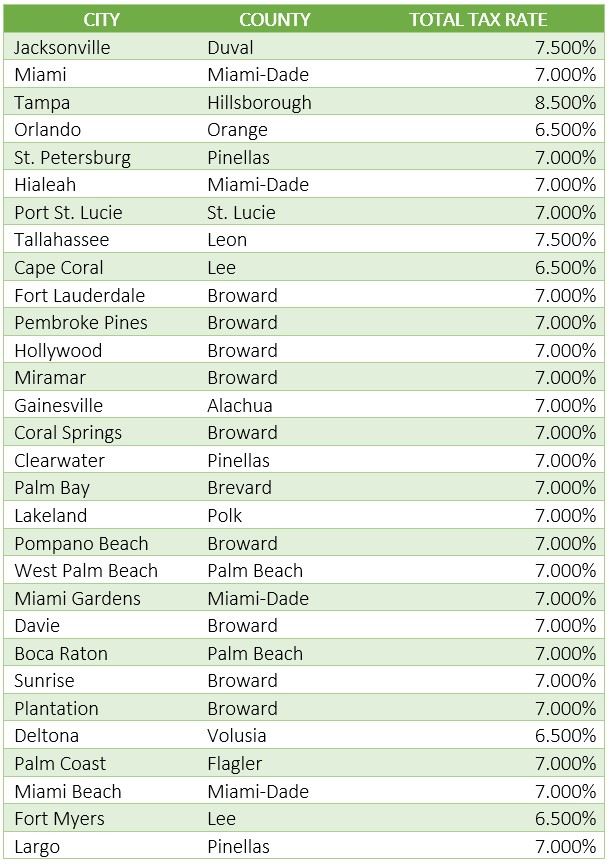
The combined sales tax rate (state + county surtax) in Florida can range from 6% to 8%, depending on the county. For instance:
- Miami-Dade County and Hillsborough County (where Tampa is located) have a surtax, bringing their total sales tax rate to 7%. This means your purchases in Miami or Tampa will be taxed at 7%, not just 6%.
- Orange County (home to Orlando’s major theme parks) also has a surtax, resulting in a 6.5% total sales tax rate.
- Other counties, like Monroe County (the Florida Keys), have a 7.5% sales tax rate due to their local surtax.
- Some counties, typically smaller or more rural ones, may not have a local surtax, meaning the sales tax rate there remains at the base 6%.
This variation means that the same item purchased in different counties across Florida could have a slightly different final price. For travelers, especially those planning a multi-city tour of the state, being aware of these local differences is vital for accurate budgeting. A small difference of 0.5% or 1% might seem negligible on a single item, but it can add up significantly over a week-long vacation with multiple purchases, meals, and activities. This directly impacts your travel lifestyle, influencing whether you can splurge on an extra experience or need to stick to a tighter budget.
Planning for Local Tax Variations Across Florida
To effectively budget for your Florida trip, it’s advisable to check the specific sales tax rate for each county you plan to visit. Resources like the Florida Department of Revenue website provide up-to-date lists of county sales tax rates. This foresight allows you to accurately estimate costs for different destinations, whether you’re heading to the bustling cities of South Florida, the family-friendly attractions of Central Florida, or the tranquil shores of the Panhandle.
When booking accommodations, car rentals, or tours online, verify whether the quoted price includes all applicable taxes or if taxes will be added later. Many booking platforms will break down the taxes during the checkout process, making it easier to see the total cost. For in-person purchases, assume the advertised price does not include tax, and always check your receipt. Understanding these local nuances ensures that your trip remains within your financial comfort zone, enhancing your overall tourism experience.
Sales Tax in Action: What Tourists Pay For
For the average tourist, the sales tax isn’t just an abstract number; it’s a tangible cost that appears on various bills throughout their journey. From where you sleep to what you eat and how you get around, sales tax (and sometimes additional tourist taxes) will be a part of your spending.
Accommodation Taxes: Sales Tax vs. Tourist Development Tax
When it comes to accommodation, such as hotels, suites, resorts, apartments, villas, and even some campgrounds, travelers in Florida encounter two primary types of taxes:
- State Sales Tax: The standard 6% state sales tax (plus any applicable county surtax) applies to the rental amount of transient accommodations. This means your hotel room or vacation rental will always have the general sales tax added to its price.
- Tourist Development Tax (TDT) / Resort Tax / Bed Tax: This is an additional local tax specifically levied on transient rentals (typically stays of six months or less). The TDT is imposed by individual counties, and its rate varies widely, usually ranging from 1% to 6% on top of the sales tax. This tax is specifically designed to fund tourism-related infrastructure, marketing, and cultural programs. For example, Orlando’s Orange County has a 6% TDT, while Miami-Dade County has a 6% TDT, and Monroe County (the Florida Keys) has a 5% TDT in most areas.
So, for a hotel stay in Orlando, you’d pay the 6% state sales tax, a 0.5% Orange County surtax (totaling 6.5% sales tax), plus a 6% TDT. This combined rate can lead to a significant percentage added to your accommodation bill, sometimes totaling over 12% or 13% on top of the room rate. It’s vital to check the total tax rate when booking hotels or other accommodations to get a clear picture of the final cost. This often contributes to the overall cost of a luxury travel experience or even a budget travel plan, making it a critical aspect of accommodation planning.
Dining, Shopping, and Entertainment
Beyond accommodation, the sales tax makes its presence felt in almost every aspect of your daily activities:
- Dining: As previously mentioned, all prepared food and beverages purchased at restaurants, cafes, bars, and food stalls are subject to the combined state and county sales tax. This includes alcoholic beverages. Remember to factor this in when budgeting for your meals and tipping, as tips are typically calculated on the pre-tax total. From a casual seafood shack on the Gulf of Mexico to an upscale restaurant in Palm Beach, the tax will apply.
- Shopping: Whether you’re hunting for deals at outlet malls, browsing unique boutiques, or simply picking up forgotten essentials at a drugstore, the sales tax will be applied to most tangible goods. This also includes purchases at gift shops within tourist attractions or landmarks. If you plan to do significant shopping, these taxes can quickly accumulate.
- Entertainment and Attractions: Your tickets to theme parks, zoos, aquariums, sporting events, concerts, museums, boat rentals, and other recreational activities will all have sales tax added. For example, a family visiting Orlando could spend hundreds or thousands on attraction tickets, making the 6.5% sales tax a notable addition to their total expenditure. This is a key consideration for families planning trips, as these costs are often substantial.
Transportation and Rental Services
Getting around Florida is another area where sales tax applies:
- Rental Cars: Vehicle rentals are subject to the 6% state sales tax plus any applicable county surtax. Additionally, rental cars often have various fees and surcharges, some of which are also taxable. Always review the detailed breakdown of charges from rental car companies to understand the full cost, as it can be considerably higher than the base daily rate. This is especially true at major airports in Fort Lauderdale, Orlando, and Miami.
- Other Rentals: If you rent bicycles, scooters, kayaks, paddleboards, jet skis, or other recreational equipment, these rentals will also be subject to sales tax. This is common for many outdoor activities along Florida’s vast Atlantic Ocean and Gulf of Mexico coasts.
- Public Transportation and Ride-Shares: Generally, fares for public transportation (buses, trains) and ride-share services like Uber or Lyft are not directly subject to sales tax. However, taxes may be incorporated into their service fees, so it’s always good to check the final fare details provided by the service.
Understanding where and how these taxes apply allows you to anticipate costs and avoid any unpleasant surprises, ensuring your travel experiences align with your financial plans.
Navigating Florida Sales Tax for a Seamless Trip
Successfully navigating Florida’s sales tax system is all about preparation and awareness. By integrating these tax considerations into your overall trip planning, you can ensure a smoother and more enjoyable vacation, free from unexpected expenses.
Budgeting Tips for Tax-Conscious Travelers
For those looking to manage their travel budget effectively, here are some actionable tips:
- Build a Buffer: Always add a buffer of 10-15% to your estimated expenses for dining, shopping, and activities to account for sales tax and potential tourist development taxes, especially in high-tourism areas like Orlando or Miami. This buffer provides flexibility and prevents you from going over budget.
- Check All-Inclusive Pricing: When booking hotels or packages, inquire if the quoted price is “all-inclusive” or if taxes and resort fees will be added separately. Many hotels, especially resorts, might have additional fees beyond the basic room rate and taxes, which can significantly increase the total cost.
- Factor in Food Costs: If dining out frequently, remember that your total bill will be higher than the menu prices due to sales tax. Consider purchasing some groceries (exempt from sales tax) for breakfast or snacks, especially if your accommodation has kitchen facilities. This is a common strategy for family trips or those on a budget.
- Research County Rates: Before finalizing your itinerary, quickly check the combined sales tax and TDT rates for each county you plan to visit. This is particularly important if you’re traveling across different regions of Florida, from St. Petersburg to Sarasota.
- Keep Receipts: Review your receipts to ensure that taxes are correctly applied. While errors are rare, it’s good practice to verify, especially for larger transactions.
- Consider Long-Term Stays: If your travel lifestyle allows for it, planning a stay longer than six months can exempt your accommodation from sales tax and TDT, offering substantial savings. This is an excellent option for snowbirds or those looking for an extended escape from colder climates.
Where to Find More Information
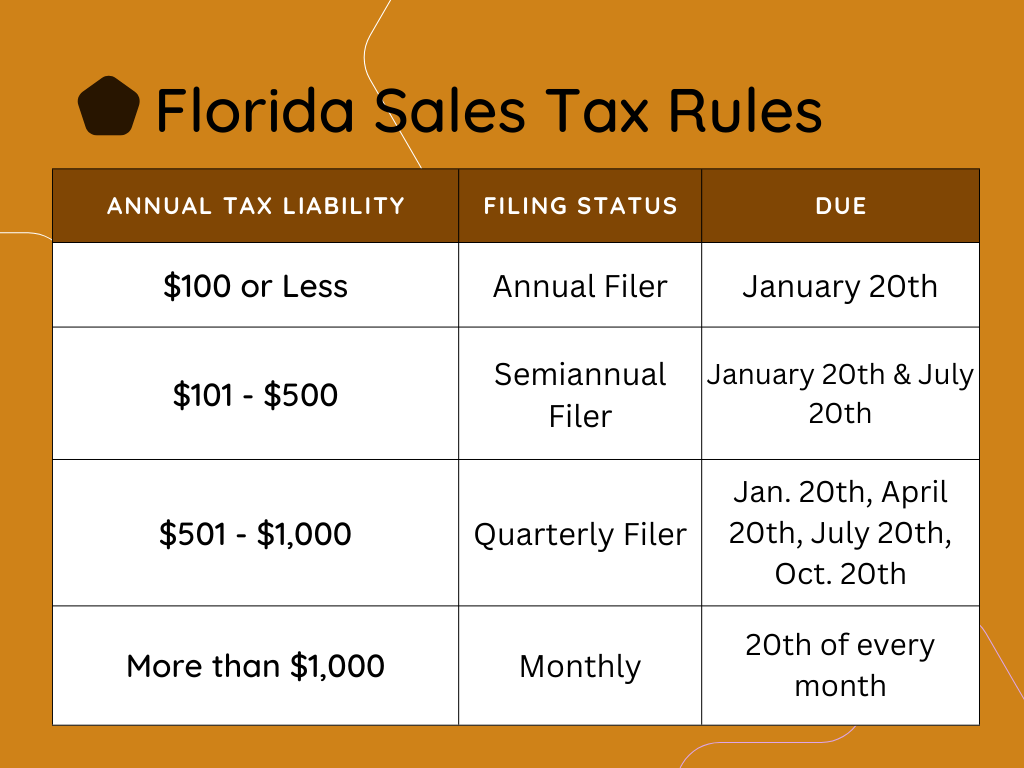
The most authoritative source for up-to-date information on Florida’s sales tax rates, exemptions, and regulations is the Florida Department of Revenue (FDOR). Their official website provides detailed guides, county-specific rates, and FAQs that can clarify any specific questions you may have. Looking up this information can be particularly useful if you have unique circumstances or are planning a trip with specialized needs.
In conclusion, the statewide sales tax rate in Florida is 6%, but this is almost always complemented by county surtaxes and, for accommodations, the Tourist Development Tax. These additional taxes mean that the final price you pay for goods, services, and especially lodging will likely be higher than the advertised price. By understanding these various components and integrating them into your budget, you can navigate the financial aspects of your Florida vacation with confidence, allowing you to fully immerse yourself in the destinations, attractions, and unique lifestyle the Sunshine State has to offer. Enjoy your trip, and may your experience be as bright as the Florida sun!
LifeOutOfTheBox is a participant in the Amazon Services LLC Associates Program, an affiliate advertising program designed to provide a means for sites to earn advertising fees by advertising and linking to Amazon.com. Amazon, the Amazon logo, AmazonSupply, and the AmazonSupply logo are trademarks of Amazon.com, Inc. or its affiliates. As an Amazon Associate we earn affiliate commissions from qualifying purchases.