
Nestled between the Atlantic Ocean and the Gulf of Mexico, Florida is a land of vibrant ecosystems, sun-drenched beaches, and a rich tapestry of natural wonders. From the bustling theme parks of Orlando to the tranquil, iridescent waters of the Florida Keys, the Sunshine State offers an unparalleled array of experiences for every type of traveler. Amidst the allure of its famous attractions and diverse landscapes, one particular resident stands out, not just for its beauty, but for its captivating song and resilient spirit: the Northern Mockingbird. This unassuming avian marvel holds the distinguished title of Florida’s state bird, a symbol deeply woven into the state’s natural identity and cultural fabric.

For visitors planning a trip to Florida, understanding the state’s natural heritage, including its official symbols, adds a profound layer of appreciation to their travel experiences. Whether you’re a seasoned birdwatcher, a family looking for educational activities, or simply someone who enjoys the serene backdrop of nature during your stay, encountering the Northern Mockingbird can be a highlight. This article delves into the fascinating world of Florida’s state bird, exploring its characteristics, cultural significance, and where best to spot it, offering a unique lens through which to plan your next Florida adventure.
The Northern Mockingbird: Florida’s Melodious Emblem
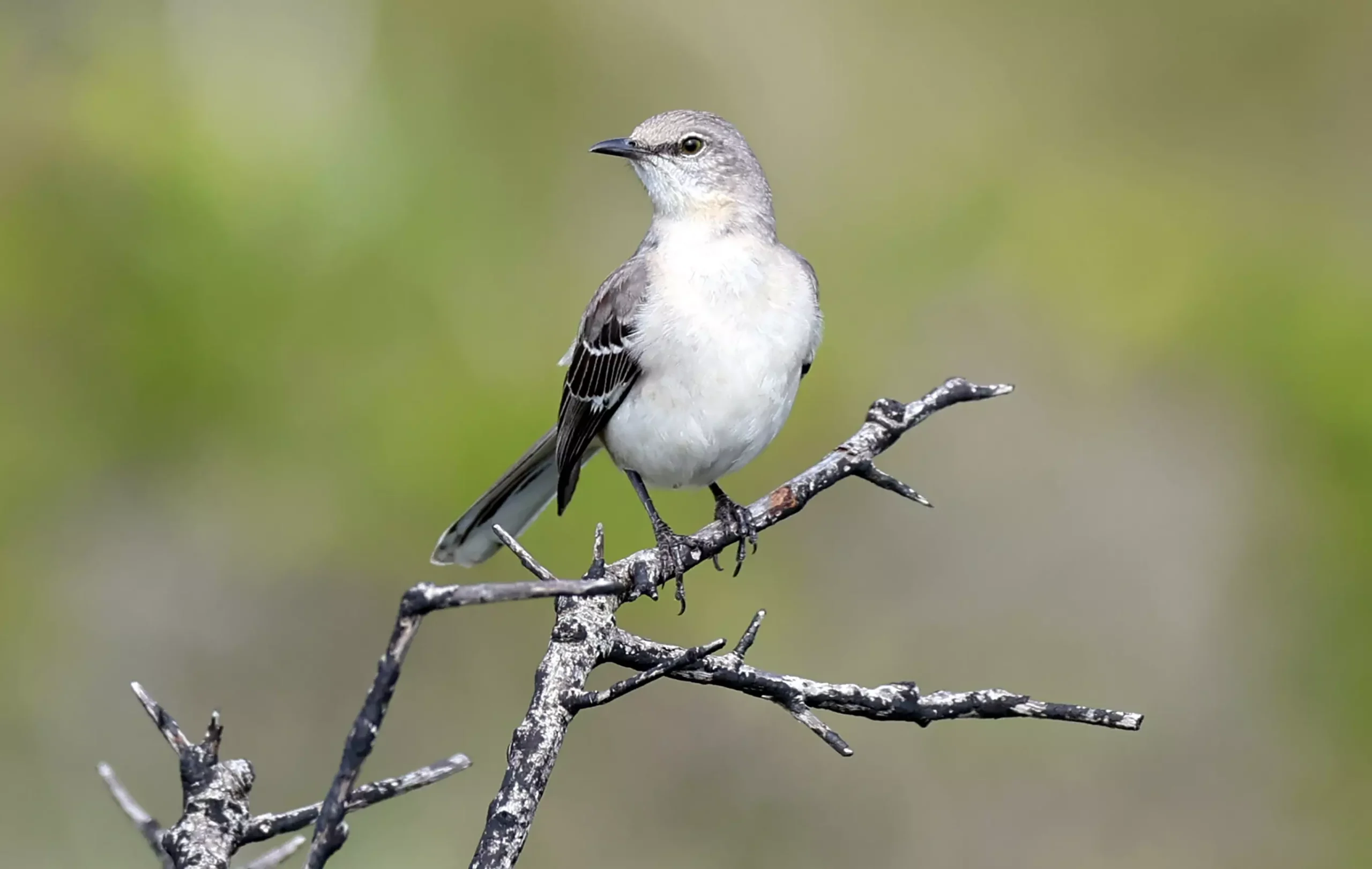
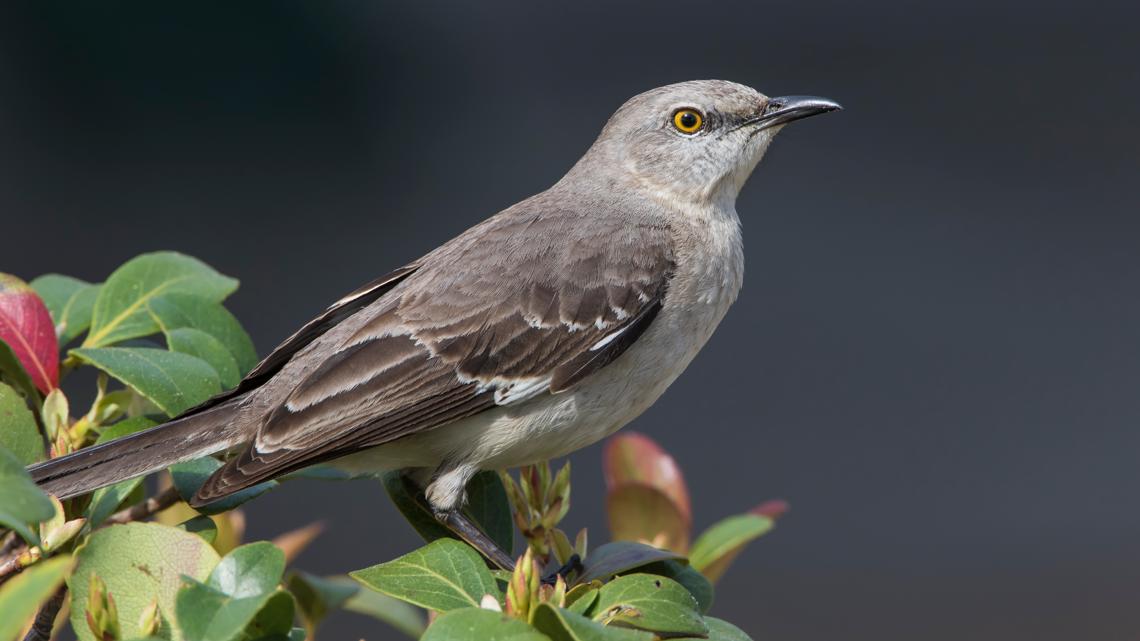
The official state bird of Florida is indeed the Northern Mockingbird (Mimus polyglottos). It was designated as such in 1927, a testament to its prevalence, distinctive song, and beloved status among residents. This remarkable bird is not only Florida’s avian symbol but also holds the same honor in Arkansas, Mississippi, Tennessee, and Texas, highlighting its broad appeal across the southern United States. Its name, “polyglottos,” is Greek for “many-tongued,” a fitting description for a bird renowned for its extraordinary vocal repertoire.
Characteristics and Unique Behaviors
The Northern Mockingbird is a medium-sized songbird, typically measuring about 9-11 inches in length with a wingspan of 12-15 inches. Its plumage is a subtle blend of gray and white, with lighter underparts and darker wings that feature prominent white patches, especially noticeable in flight. Its long tail, often flicked expressively, is another distinguishing feature. While its appearance is relatively understated, it’s the mockingbird’s behavior and song that truly captivate.
What makes the Northern Mockingbird truly special is its incredible ability to mimic the calls of other birds, animals, and even artificial sounds. A single mockingbird can reportedly reproduce the songs of up to 40 different species in its lifetime, weaving them into complex, lengthy melodies that can last for minutes without repetition. It’s not uncommon to hear calls of jays, sparrows, thrushes, or even frogs and car alarms emanating from a single mockingbird perched on a branch. Males, particularly during breeding season, sing most frequently, often from prominent perches both day and night, marking their territory and attracting mates. This incessant singing is a defining characteristic and a delightful soundscape element for anyone exploring Florida’s natural surroundings.
Beyond its vocal prowess, the Northern Mockingbird is known for its bold and often territorial nature. They are fiercely protective of their nests and foraging areas, readily chasing off perceived threats, including much larger birds, cats, and even humans. This feisty attitude, combined with their striking intelligence, makes them a fascinating subject for observation. They are highly adaptable, thriving in a variety of habitats from suburban gardens and urban parks to dense scrublands and forest edges, making them a common sight throughout Florida.
Experiencing Florida’s Natural Beauty: Where to Spot the Mockingbird and Beyond
For travelers seeking an authentic connection with Florida’s environment, birdwatching offers a rewarding experience. While the Northern Mockingbird is ubiquitous, certain destinations provide enhanced opportunities not just for spotting the state bird, but for immersing oneself in the broader avian diversity of the region. Integrating birdwatching into your itinerary can transform a typical vacation into an enriching exploration of the Sunshine State’s living landscapes.
Top Florida Birdwatching Destinations
Florida is a premier birdwatching destination, owing to its diverse ecosystems—from coastal mangroves to pine flatwoods and freshwater marshes—and its position as a major migratory pathway. While you can often find mockingbirds in any backyard or park, these locations offer exceptional opportunities to see a wider array of species, including the state bird:
- Everglades National Park: A UNESCO World Heritage Site, the Everglades is a vital habitat for a multitude of bird species, including wading birds like roseate spoonbills, great white herons, and anhingas. Mockingbirds are common in the drier areas and around visitor centers. Airboat tours and walking trails, such as the Anhinga Trail, provide excellent viewing platforms.
- Ding Darling National Wildlife Refuge (on Sanibel Island): Located on the Gulf Coast, this refuge is world-renowned for its migratory bird populations. Drive the four-mile Wildlife Drive for incredible photographic opportunities of various shorebirds, raptors, and, of course, mockingbirds in the surrounding shrubbery.
- Corkscrew Swamp Sanctuary (near Naples): Home to the largest remaining old-growth bald cypress forest in North America, Corkscrew features a 2.25-mile boardwalk that winds through various habitats. It’s an excellent spot for seeing woodland birds, wading birds, and is a stronghold for the endangered wood stork, with mockingbirds often heard and seen in the drier edges.
- St. Marks National Wildlife Refuge (near Tallahassee): This refuge on the Florida Panhandle is crucial for migratory birds, especially during the fall and spring migrations. Its diverse habitats include salt marshes, tidal flats, and pine forests, making it a hotspot for various species, including the Northern Mockingbird.
- Merritt Island National Wildlife Refuge (near Titusville): Sharing a boundary with the Kennedy Space Center, this refuge boasts one of the highest numbers of endangered and threatened species in the United States. It’s a fantastic place to observe wading birds, shorebirds, and raptors, alongside a healthy population of mockingbirds.
Birdwatching as a Florida Lifestyle Experience
Birdwatching is more than just a hobby; it’s a lifestyle choice for many, offering tranquility, intellectual stimulation, and a deep connection to nature. In Florida, this activity can be seamlessly integrated into various travel styles:
- Family Trips: Introduce children to the wonders of nature. Many state parks and refuges offer junior ranger programs or guided walks perfect for all ages. Spotting a Northern Mockingbird and listening to its diverse songs can be an exciting educational moment.
- Budget Travel: Birdwatching is often a low-cost activity. Many parks and preserves have minimal or no entry fees, offering incredible value for a day out. Pack a picnic, binoculars, and a field guide for an affordable and enriching experience.
- Luxury Travel: For those seeking exclusive experiences, consider booking private eco-tours or staying in luxury resorts that offer nature excursions. Imagine waking up to the melodious sounds of the mockingbird from your private villa overlooking a nature preserve, perhaps near Sarasota or Naples.
- Solo Exploration: The peace and solitude of birdwatching make it an ideal activity for solo travelers looking for introspection and a quiet escape.
Planning Your Florida Nature Trip: Accommodation and Essentials
To truly make the most of your Florida birdwatching adventure, careful planning, especially regarding accommodation and essential gear, is key. Florida’s diverse tourism infrastructure means you can find everything from opulent resorts to quaint eco-lodges, perfect for any traveler.
Choosing the Right Accommodation
Your choice of accommodation can significantly enhance your nature-focused trip. When planning to observe the Northern Mockingbird and other avian life, consider options that place you closer to their natural habitats:
- Hotels and Resorts near Parks: Many Florida cities, like Miami, Fort Lauderdale, Tampa, or St. Augustine, are close to natural areas. Look for hotels that are a short drive from state parks, national wildlife refuges, or protected preserves. Some may even have significant green spaces within their own grounds where mockingbirds and other birds frequent.
- Eco-lodges and Boutique Hotels: For a more immersive experience, seek out eco-lodges or boutique hotels specifically designed for nature enthusiasts. These often offer guided tours, proximity to wild areas, and a focus on sustainable practices.
- Vacation Rentals (Villas, Apartments): Renting a villa or apartment in areas like Kissimmee (for access to central Florida preserves) or near the Keys can provide more space and a home-away-from-home feel, perfect for families or longer stays. Look for rentals with gardens or those bordering natural greenbelts, increasing your chances of spotting a mockingbird right outside your window.
- Campgrounds: For the most adventurous and budget-conscious, Florida state parks and national forests offer excellent camping facilities, allowing for round-the-clock immersion in nature’s symphony.
When researching accommodations, check reviews for mentions of nature, quiet surroundings, or proximity to hiking trails and birding spots. Many booking platforms allow filtering for amenities like balconies or garden access, which can enhance your birdwatching from your lodging.
Essential Birdwatching Gear and Tips
To fully appreciate Florida’s avian wonders, including the Northern Mockingbird, a few essentials will greatly enhance your experience:
- Binoculars: A good pair of binoculars (e.g., 8×42 or 10×42) is indispensable for observing birds without disturbing them.
- Field Guide: A regional field guide specific to Florida or the southeastern United States will help you identify the myriad species you encounter. Apps like Merlin Bird ID by the Cornell Lab of Ornithology are also excellent digital resources.
- Notebook and Pen: For recording your sightings, behaviors, and the unique songs of the mockingbirds.
- Comfortable Clothing and Footwear: Lightweight, breathable clothing in neutral colors is best, along with sturdy, closed-toe shoes suitable for walking trails.
- Sun Protection: Florida sun is strong, so hats, sunglasses, and reef-safe sunscreen are a must.
- Insect Repellent: Especially important in wetlands and during warmer months.
Tips for Spotting the Northern Mockingbird:
- Listen Carefully: Their mimicry is their most distinguishing feature. Once you hear it, you’ll know.
- Look for Prominent Perches: Mockingbirds often sing from the highest points—treetops, utility wires, antennas.
- Observe Behavior: Watch for their characteristic tail-flicking and assertive territorial displays.
- Visit in the Early Morning or Late Afternoon: Birds are generally most active during these times.
By incorporating these tips and gear into your travel plans, you’ll be well-prepared to engage with Florida’s natural beauty, allowing the melodious calls of the Northern Mockingbird to become a memorable soundtrack to your journey.
Conclusion: The Enduring Charm of Florida’s State Bird
The Northern Mockingbird, with its unassuming appearance and extraordinary vocal talents, perfectly embodies the spirit of Florida—a state where natural beauty thrives amidst vibrant energy and diverse landscapes. As Florida’s official state bird, it serves as a daily reminder of the wild wonders that coexist with bustling cities and world-famous attractions.
Whether you are exploring the vastness of the Everglades, strolling through a historic district in St. Augustine, or simply relaxing in the garden of your Miami hotel, the distinctive calls of the Northern Mockingbird are never far away. Its presence adds a layer of authenticity and natural charm to any Florida experience, inviting travelers to pause, listen, and appreciate the intricate ecosystems that make the Sunshine State so unique.
By focusing on the state bird, visitors can gain a deeper appreciation for Florida’s commitment to preserving its natural heritage. So, on your next trip to this diverse and enchanting destination, keep an ear out for the Northern Mockingbird’s symphony—it’s a truly unforgettable part of the Florida experience, promising a melodic welcome from the heart of the United States’s southernmost gem.
LifeOutOfTheBox is a participant in the Amazon Services LLC Associates Program, an affiliate advertising program designed to provide a means for sites to earn advertising fees by advertising and linking to Amazon.com. Amazon, the Amazon logo, AmazonSupply, and the AmazonSupply logo are trademarks of Amazon.com, Inc. or its affiliates. As an Amazon Associate we earn affiliate commissions from qualifying purchases.