
Understanding the minimum wage in Florida is a fundamental aspect for both employees and employers, particularly for those involved in the vibrant and expansive tourism industry. This knowledge is crucial for budgeting, wage planning, and ensuring compliance with state labor laws. For visitors and residents alike, it sheds light on the economic landscape that supports a multitude of services, from hotel staff to tour guides, and impacts the overall cost of services and experiences across the Sunshine State.
The Foundation: Florida’s Minimum Wage Law
Florida’s minimum wage is not a static figure; it is subject to adjustments based on legislative action and economic indicators. The state adheres to a minimum wage that is generally higher than the federal minimum wage, reflecting a commitment to ensuring a baseline standard of living for its workforce. This policy has direct implications for the hospitality sector, which relies heavily on hourly labor.
Current Minimum Wage Rates
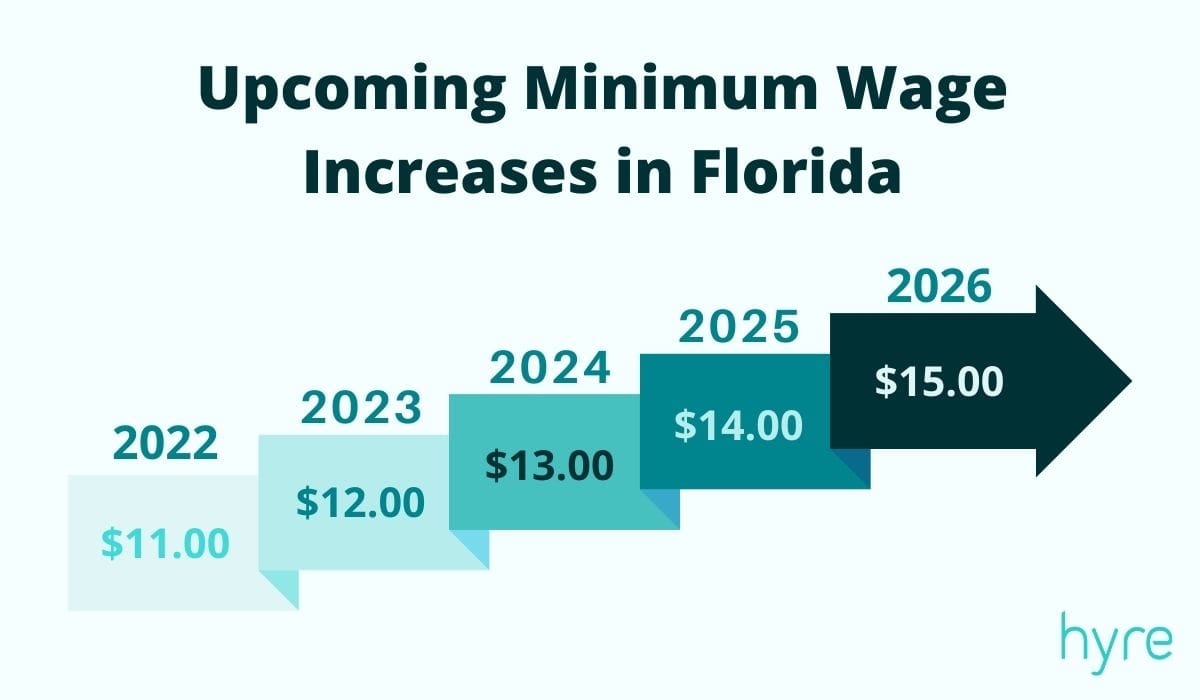
As of the latest legislative updates, Florida’s minimum wage is set at a specific hourly rate. This rate applies to most employees within the state, regardless of their industry. It’s important to note that these figures are typically reviewed and potentially adjusted annually, often tied to inflation or other economic metrics. Employers are legally obligated to pay at least this rate for all hours worked. For instance, a hotel in Orlando employing housekeeping staff or front desk agents must ensure their wages meet or exceed this benchmark.
Tipped Employees and Florida’s Minimum Wage
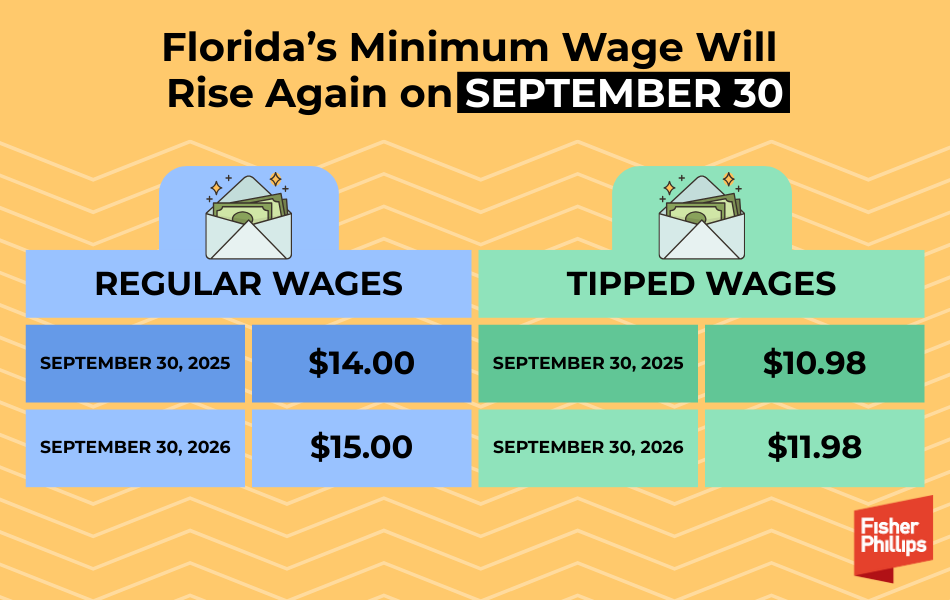
A significant aspect of Florida’s minimum wage law pertains to tipped employees. These are individuals who regularly receive more than $30 per month in tips. For these workers, Florida law allows employers to pay a lower direct wage, provided that the tips earned, when combined with the employer’s contribution, reach the standard minimum wage. This is often referred to as the “tip credit” system. However, there are specific rules and limits on how much an employer can credit towards the minimum wage using tips. If an employee’s tips do not bring their total earnings up to the standard minimum wage, the employer must make up the difference. This is a critical consideration for restaurants, bars, and other service establishments within popular tourist destinations like Miami Beach.
Minimum Wage vs. Living Wage in Florida
While the minimum wage provides a legal floor for earnings, it is often a subject of discussion in relation to the concept of a “living wage.” A living wage is the theoretical amount of income needed for a worker to meet their basic needs, such as housing, food, healthcare, and transportation, without public assistance. In a state with a high cost of living, particularly in major tourist hubs and metropolitan areas like Tampa or Fort Lauderdale, the minimum wage may not always equate to a living wage for many individuals and families. This disparity can influence the affordability of services and the economic well-being of the workforce that underpins the state’s tourism economy.
The Impact on Florida’s Tourism Industry
Florida’s economy is profoundly shaped by its thriving tourism sector. The minimum wage directly influences the cost of labor for businesses that cater to millions of visitors annually. Understanding these wage structures provides insight into the operational dynamics of hotels, restaurants, theme parks, and attractions across the state.
Labor Costs for Hospitality Businesses
For hotels, resorts, and vacation rentals, labor is a substantial operational expense. From front desk staff and concierges to housekeepers and maintenance crews, these businesses rely on a significant hourly workforce. The minimum wage dictates the baseline cost for these positions. A rise in the minimum wage can lead to increased payroll expenses for establishments, potentially influencing pricing strategies for rooms and services. For example, a luxury resort like the Boca Raton Resort & Club must factor in these wage requirements when setting its rates and managing its operational budget.
Consumer Pricing and Service Quality
The impact of the minimum wage extends to consumers. When labor costs rise, businesses may pass some of these increased expenses on to customers through higher prices for goods and services. This could affect the cost of dining out at a restaurant in the Florida Keys, booking a tour, or even purchasing souvenirs. Conversely, a higher minimum wage can put more disposable income into the hands of local workers, potentially boosting local spending on tourism-related activities. The quality of service can also be influenced; while not directly tied to the hourly rate, adequate compensation can contribute to employee morale, retention, and motivation, which often translates into better guest experiences at attractions like Walt Disney World or Universal Orlando Resort.
Economic Considerations for Small Businesses
Small businesses within the tourism ecosystem, such as independent tour operators, family-owned restaurants, and boutique shops, can be particularly sensitive to changes in minimum wage laws. While larger corporations may have more flexibility to absorb increased labor costs, smaller enterprises might face greater challenges. This can lead to difficult decisions regarding staffing levels, operational hours, or the necessity of price adjustments. Ensuring a stable and predictable minimum wage policy is therefore crucial for fostering a healthy and diverse business environment across Florida.
Navigating Employment and Wages in Florida
For individuals seeking employment in Florida, understanding the minimum wage is a foundational step in evaluating job offers and negotiating compensation. For employers, meticulous adherence to these regulations is paramount to avoid legal penalties and maintain a positive reputation.
Employee Rights and Responsibilities
Employees in Florida have the right to be paid at least the state’s minimum wage for all hours worked. Employers are prohibited from retaliating against employees who inquire about their wages or report violations. It is advisable for employees to keep accurate records of their hours worked and to understand how tips are calculated and credited if they are in a tipped position. Resources are available through state labor departments for guidance on wage rights.
Employer Compliance and Best Practices
Employers must ensure that their payroll systems accurately reflect the current minimum wage requirements. This includes understanding any applicable exceptions or specific rules for different types of workers or industries. Posting the official minimum wage poster in a conspicuous place within the workplace is a common requirement. Beyond mere compliance, many businesses in competitive sectors like hospitality, including those in cities like Jacksonville or on the Gulf Coast, find that offering wages above the minimum can attract and retain skilled talent, contributing to a stronger overall operation and guest satisfaction at places like the Don CeSar Hotel. Staying informed about legislative changes and economic trends that might influence future wage adjustments is a proactive measure for all employers.
The Future of Minimum Wage in Florida
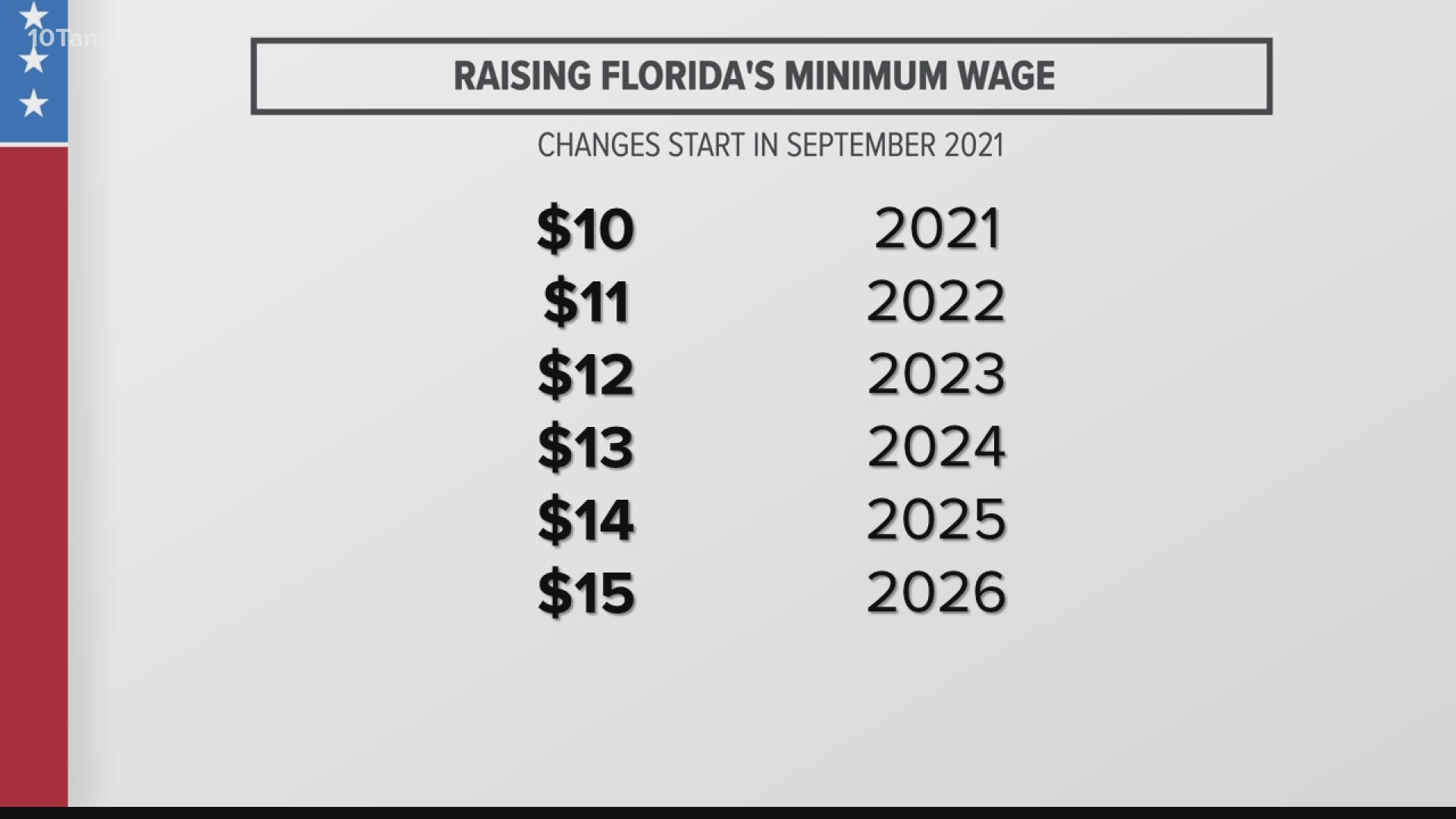
The discussion around minimum wage is often ongoing, with advocates for higher wages and those concerned about potential business impacts frequently engaging in debate. Future legislative sessions may bring further changes to Florida’s minimum wage. It is essential for both individuals and businesses to remain aware of these potential shifts and their implications for the state’s dynamic economy, particularly its vital tourism and hospitality sectors. Staying updated through official government channels or reputable economic news sources is key to navigating these evolving labor laws.
LifeOutOfTheBox is a participant in the Amazon Services LLC Associates Program, an affiliate advertising program designed to provide a means for sites to earn advertising fees by advertising and linking to Amazon.com. Amazon, the Amazon logo, AmazonSupply, and the AmazonSupply logo are trademarks of Amazon.com, Inc. or its affiliates. As an Amazon Associate we earn affiliate commissions from qualifying purchases.