
To label Colorado simply as a “blue” or “red” state is to overlook the rich tapestry of its landscapes, the diverse philosophies of its people, and the myriad of experiences it offers to travelers. While political leanings often serve as shorthand for a state’s general disposition, Colorado defies easy categorization, presenting a vibrant spectrum that influences everything from its thriving cities and quaint mountain towns to its unique culinary scene and expansive natural attractions. For anyone considering travel, accommodation, or a lifestyle experience within its borders, understanding this nuanced blend is far more insightful than a mere political label.
The truth is that Colorado has evolved into a fascinating purple state, characterized by significant “blue” urban centers and rapidly growing suburbs, contrasted with steadfast “red” rural areas that champion traditional values and a deep connection to the land. This blend creates a dynamic cultural environment, where innovation and tradition coexist, influencing tourism, local culture, and the very fabric of daily life.
Decoding Colorado’s Political Spectrum Through Its Landscapes and Lifestyles
The distinction between “blue” and “red” in Colorado is not just about voting patterns; it profoundly shapes the travel and lifestyle experiences available across the state. These political leanings often correlate with demographic shifts, economic drivers, and even the types of attractions and activities that flourish in different regions.
The Urban Blue: Progressive Hubs and Cultural Innovation
The metropolitan areas of Colorado, particularly along the Front Range, are the undisputed “blue” strongholds. Denver, the state capital and largest city, is a prime example. Here, you’ll find a vibrant, progressive culture that embraces diversity, sustainability, and innovation. The city boasts a booming tech industry, a thriving arts scene, and a culinary landscape that rivals major coastal cities. From craft breweries and farm-to-table restaurants to avant-garde art galleries and live music venues, Denver caters to a modern, cosmopolitan lifestyle.
Travelers to Denver can expect to find a wide array of accommodation options, from luxury hotels like the Grand Hyatt Denver and The Ritz-Carlton, Denver to stylish boutique hotels and apartment rentals, all reflecting a contemporary urban vibe. Attractions like the Denver Art Museum, Meow Wolf Denver Convergence Station, and the historic Larimer Square showcase the city’s commitment to culture and community. The focus on outdoor activity, even within the city, with extensive bike paths and proximity to the mountains, aligns with a health-conscious, environmentally aware lifestyle often associated with “blue” areas.

Further north, Boulder epitomizes this progressive spirit. Known for its stunning natural beauty at the foothills of the Rocky Mountains, its world-class university (University of Colorado Boulder), and its strong emphasis on outdoor recreation, environmentalism, and healthy living, Boulder consistently ranks among the happiest and healthiest cities in the U.S. Its pedestrian-friendly Pearl Street Mall offers a charming mix of unique shops, eateries, and street performers, reflecting a community-oriented and independent spirit. Accommodation here ranges from eco-lodges to upscale hotels, many with a focus on wellness and sustainability.
These urban “blue” centers are magnets for visitors seeking cultural immersion, gourmet dining, and access to outdoor adventures, all within a progressive, welcoming atmosphere.
The Rural Red: Embracing Heritage and the Great Outdoors
Venturing beyond the Front Range into Colorado’s vast eastern plains, southern valleys, and many of its picturesque mountain towns, one encounters the “redder” aspects of the state. These areas often lean more conservative, emphasizing agricultural heritage, self-reliance, and a deep appreciation for the state’s natural beauty and frontier history.
Colorado Springs, while a significant city, often serves as a bridge between these two worlds, possessing a strong military presence and a more conservative bent than Denver or Boulder. Yet, it boasts iconic landmarks like Pikes Peak and Garden of the Gods, attracting millions of visitors keen on outdoor exploration and patriotic sites like the U.S. Air Force Academy. Luxury hotels such as The Broadmoor offer a timeless elegance, often appealing to a demographic that values tradition and classic hospitality.
In the smaller towns and rural expanses, particularly in southern and western Colorado, the emphasis shifts to ranching, mining history, and a more rugged outdoor lifestyle. Destinations like Durango, Grand Junction, and the many charming agricultural towns showcase this side of the state. Here, visitors can explore historic railroads, engage in hunting and fishing, or delve into the ancient cultures of Mesa Verde National Park. Accommodations might include historic inns, dude ranches, or more rustic cabins, offering a different kind of authentic Colorado experience.
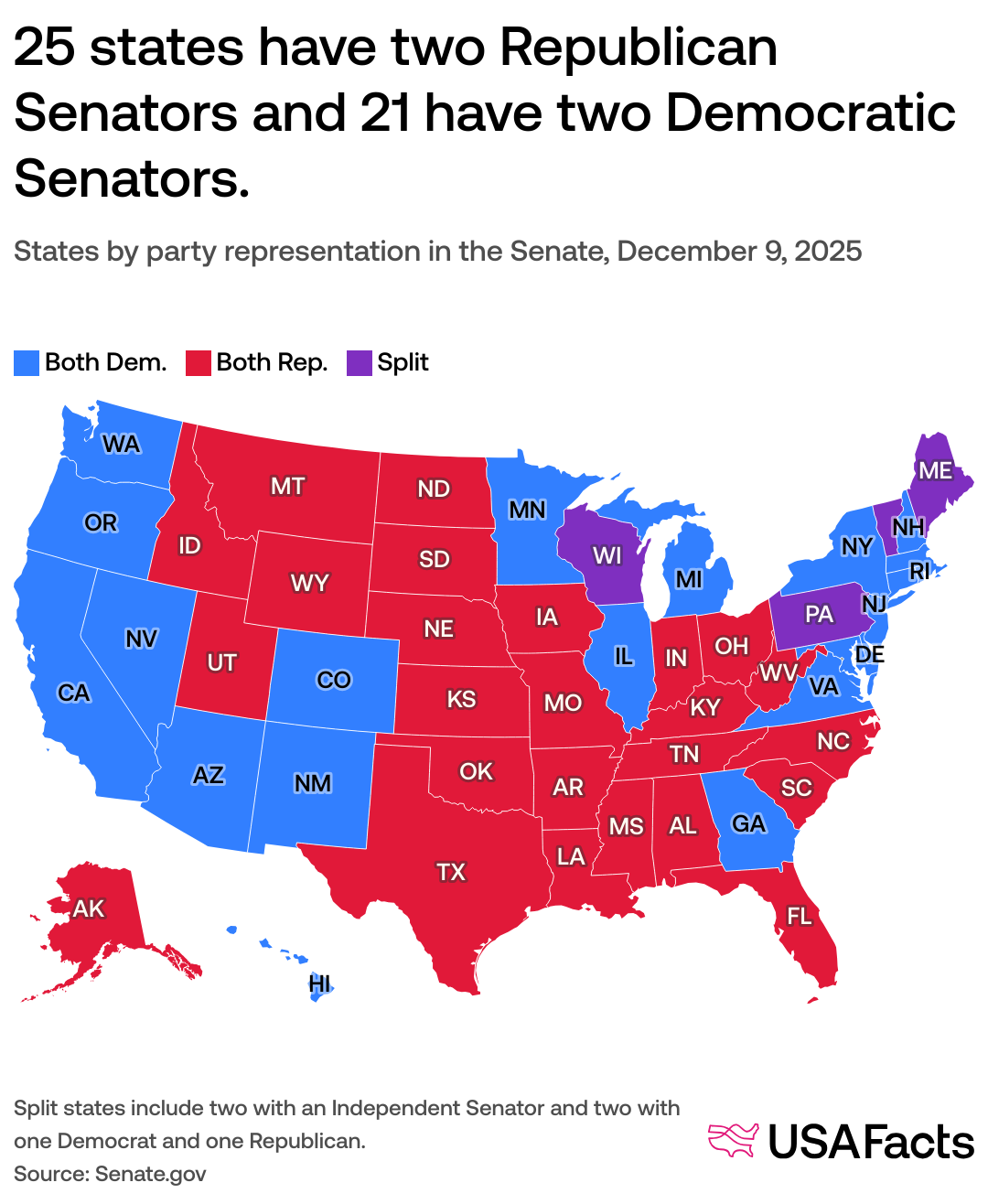
These “redder” areas draw travelers looking for a slower pace, a connection to the land, and an embrace of American heritage and the pioneering spirit. The focus is often on unspoiled nature, adventure sports, and a warm, community-driven atmosphere.
Travel and Tourism: A Spectrum of Experiences
The “purple” nature of Colorado is arguably its greatest asset for tourism. It means that whether a traveler seeks the sophistication of an urban metropolis or the solitude of a wilderness retreat, a luxurious resort stay or an adventurous camping trip, Colorado delivers. The state’s tourism industry masterfully caters to this broad spectrum of preferences, offering something for every type of visitor.
Majestic Mountains and Outdoor Adventures for Every Traveler
The Rocky Mountains are, without a doubt, Colorado’s crown jewel, attracting outdoor enthusiasts from across the globe. From the pristine wilderness of Rocky Mountain National Park to world-renowned ski resorts, the mountains offer a playground for all seasons.
Winter sports dominate in areas like Aspen, Vail, Breckenridge Ski Resort, Keystone Resort, Winter Park Resort, and Telluride. These resorts, while often located in more traditional mountain communities, have become international destinations, blending rustic charm with high-end amenities. Aspen, for instance, is famous for its luxury hotels like The Little Nell and the St. Regis Aspen Resort, attracting an affluent clientele that appreciates both extreme sports and refined dining. Such destinations embody a unique cross-section of cultures, where laid-back mountain living meets global luxury.
In warmer months, the mountains transform into havens for hiking, mountain biking, whitewater rafting, and rock climbing. Glenwood Springs offers therapeutic hot springs, while Ouray, known as the “Switzerland of America,” is a hub for mountaineering and jeep tours. Even the seemingly disparate “blue” and “red” demographics share a common reverence for Colorado’s natural beauty and the opportunities it provides for recreation and adventure.

Beyond the mountains, Colorado also boasts unique natural landmarks like Great Sand Dunes National Park and Preserve, offering sandboarding and a truly surreal landscape. These natural wonders are universally appealing, transcending political labels.
Cultural Hotspots and Culinary Delights
Colorado’s cultural scene is as varied as its geography. The “blue” urban centers lead with innovation. Denver’s Art District on Santa Fe buzzes with galleries, and the Denver Performing Arts Complex hosts Broadway shows and symphonies. Live music thrives at legendary venues like Red Rocks Amphitheatre, an iconic open-air venue carved into natural red rock formations, drawing diverse acts and audiences from across the country and the world.
The state’s culinary landscape also reflects its varied influences. In “blue” areas, you’ll find a strong emphasis on farm-to-table dining, vegan and vegetarian options, and experimental cuisine, often paired with an extensive selection of craft beers and locally produced spirits. Fort Collins, another vibrant Front Range city, is particularly renowned for its craft brewing scene.
In contrast, “redder” regions often celebrate hearty Western fare, traditional comfort food, and local ranch-to-plate experiences. Barbecue joints, steakhouses, and family-owned diners serving classic American dishes are prevalent. This culinary diversity ensures that whether you’re a foodie seeking the latest gastronomic trends or someone yearning for a taste of authentic Western hospitality, Colorado has a table waiting for you.
Local culture in Colorado also embraces its rich history, from ancient Ancestral Puebloan sites to gold rush towns. Festivals celebrating everything from hot air balloons in Snowmass to Renaissance Faires near Larkspur dot the calendar, offering glimpses into the state’s communal spirit.
Accommodation and Hospitality: Catering to Diverse Preferences
The diverse political and cultural landscape of Colorado directly translates into a wide array of accommodation options and hospitality styles, ensuring that every traveler can find a place that feels like home, or an exciting new experience.
From Luxury Resorts to Rustic Retreats
For those seeking the pinnacle of luxury travel, Colorado’s “blue-leaning” mountain resort towns and affluent urban areas offer unparalleled choices. Aspen, Vail, and Telluride are home to world-class hotels and resorts, complete with spa services, gourmet dining, and ski-in/ski-out access. Properties like The Sebastian Vail or Hotel Jerome, Auberge Resorts Collection in Aspen cater to those who appreciate opulent comfort and impeccable service. In cities like Denver, upscale hotels are plentiful, often located within vibrant downtown districts, providing easy access to cultural attractions and business centers.
Conversely, the “redder” and more rural parts of Colorado excel in offering unique, authentic experiences. Dude ranches in areas like Steamboat Springs or Granby invite guests to embrace cowboy culture, with horseback riding, cattle drives, and fireside storytelling. Historic inns, often found in former mining towns such as Georgetown or Silverton, provide a glimpse into the past with their preserved architecture and charming, personalized service. For the budget-conscious traveler or those seeking a deeper connection with nature, camping in one of Colorado’s numerous state parks or national forests, or staying in a simple cabin rental, offers an affordable and immersive alternative.
The state also champions sustainable tourism practices, particularly in its more progressive areas, with many hotels and lodges adopting eco-friendly policies. From solar-powered cabins to hotels that prioritize local sourcing for their restaurants, the commitment to preserving Colorado’s natural beauty is evident across the accommodation sector.
Planning Your Colorado Journey: Navigating the Blend
When planning a trip to Colorado, approaching it with an open mind to its diverse character will unlock the most rewarding experiences. Whether you identify with the “blue” or “red” aspects, or perhaps a unique blend of both, Colorado offers an expansive canvas for exploration.
Embracing Colorado’s Unique Charm
For travelers, the true magic of Colorado lies in its ability to offer a comprehensive range of experiences that cater to almost any interest. Want to immerse yourself in high-energy urban culture, catch a show at Denver’s Buell Theatre, and enjoy cutting-edge cuisine? The Front Range cities await. Dreaming of solitude amidst towering peaks, challenging hikes, and a peaceful evening under a blanket of stars? Head to one of the countless mountain retreats. Interested in history and geological wonders? Explore Dinosaur National Monument or the historic sites around Leadville.
The lifestyle in Colorado is a dynamic interplay of these forces. While the “blue” segments might prioritize sustainable living, technological advancement, and cultural liberalism, the “red” segments often champion individual freedoms, strong community bonds, and a deep respect for tradition and the outdoors. This juxtaposition creates a fascinating social fabric, where different perspectives often converge around a shared love for the state’s natural grandeur and independent spirit.
Ultimately, Colorado is neither purely blue nor red; it is a complex, beautiful, and ever-evolving purple state. Its political leanings are simply threads in a much larger tapestry that defines its identity, influencing its destinations, attractions, hotels, tourism offerings, and overall lifestyle. For visitors, this means a journey through Colorado is not just a vacation, but an opportunity to explore a state that truly embodies the diverse spirit of America, offering a spectrum of experiences that are as varied and breathtaking as its majestic landscapes.
LifeOutOfTheBox is a participant in the Amazon Services LLC Associates Program, an affiliate advertising program designed to provide a means for sites to earn advertising fees by advertising and linking to Amazon.com. Amazon, the Amazon logo, AmazonSupply, and the AmazonSupply logo are trademarks of Amazon.com, Inc. or its affiliates. As an Amazon Associate we earn affiliate commissions from qualifying purchases.