
Florida, often celebrated for its sun-kissed beaches, world-renowned theme parks, and vibrant cities, harbors a wilder, more enigmatic side that captivates the hearts of both residents and visitors alike. Beyond the bustling resorts and famous landmarks, a profound commitment to nature preservation thrives, embodied by an iconic, elusive creature that symbolizes the spirit of the Sunshine State. The answer to “What is the state animal for Florida?” is the majestic Florida Panther, a testament to the state’s rich biodiversity and ongoing conservation efforts. This article will delve into the significance of the Florida Panther, explore the natural wonders of Florida that serve as its habitat, and guide you on how to experience the state’s wild side while planning your next adventure.

The Florida Panther, a subspecies of puma (Puma concolor), holds a special place in the ecological and cultural tapestry of Florida. As a critically endangered species, its presence underscores the delicate balance of ecosystems and the vital importance of conservation in a rapidly developing world. Its official designation as the state animal not only highlights its ecological significance but also serves as a rallying cry for the protection of its dwindling habitat and population. Understanding this magnificent creature is key to appreciating the depth of Florida’s natural heritage, offering a unique perspective for those seeking travel experiences that go beyond conventional tourism. For anyone planning to explore the diverse attractions and natural beauty of the United States, particularly the biodiverse landscapes of the Southeast, understanding the natural icons like the Florida Panther can enrich their journey, connecting them more deeply with the local culture and environment.
The Majestic Florida Panther: A Symbol of Conservation
The designation of the Florida Panther as the state animal is not merely symbolic; it reflects a deep-seated recognition of its ecological importance and its perilous journey towards survival. This apex predator plays a crucial role in maintaining the health of its ecosystem, an indicator of the overall well-being of Florida’s natural environments. For eco-conscious travelers and nature enthusiasts, the story of the Florida Panther offers a compelling narrative, intertwining themes of wildlife, natural landmarks, and the imperative of responsible tourism.
The Elusive Cat and Its Critical Habitat
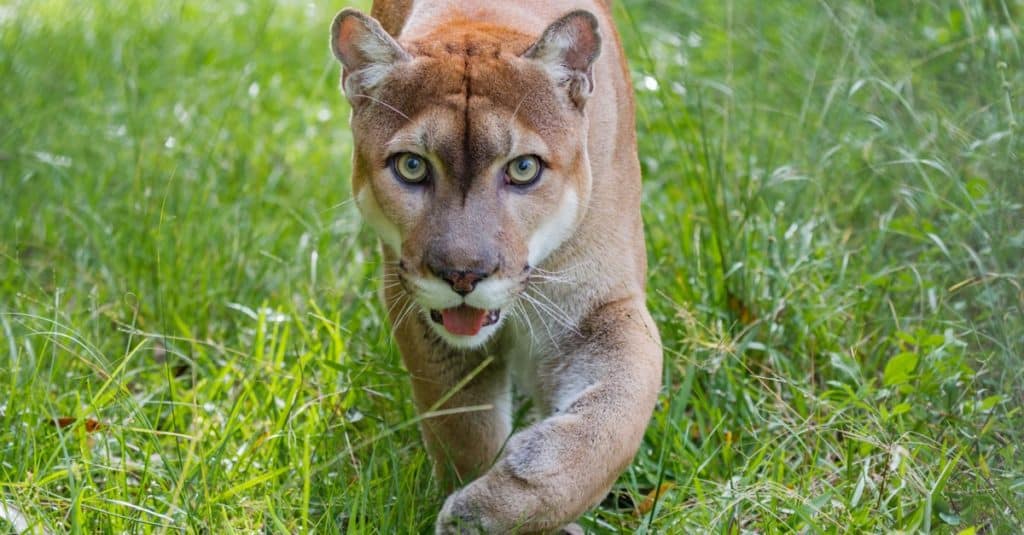
The Florida Panther is instantly recognizable by its tawny, unspotted coat and long tail. Averaging between 6 to 9 feet from nose to tail tip and weighing up to 160 pounds for males, these powerful cats are built for stealth and agility, perfectly adapted to their wetland and forest habitats. They are solitary creatures, requiring vast territories to hunt and thrive, primarily preying on white-tailed deer, feral hogs, and smaller animals. Their elusive nature makes sightings rare, even for dedicated wildlife observers, adding to their mystique and allure. This rarity, however, also underscores the immense pressure they face from habitat loss and fragmentation.
The primary habitat of the Florida Panther is concentrated in the southern tip of Florida, particularly within the vast and intricate ecosystems of the Everglades National Park, Big Cypress National Preserve, and the Florida Panther National Wildlife Refuge. These areas, characterized by cypress swamps, pine flatwoods, and freshwater marshes, are vital corridors for their survival. Everglades National Park, a UNESCO World Heritage Site, is not only a sanctuary for the panther but also a world-renowned landmark attracting millions of visitors each year. Its extensive network of wetlands provides an unparalleled opportunity for wildlife viewing, albeit with the understanding that a panther sighting is a rare privilege. Similarly, Big Cypress National Preserve offers a rugged landscape crucial for the panther’s continued existence, inviting adventurous travelers to explore its backcountry trails. The Florida Panther National Wildlife Refuge, established specifically for the panther, exemplifies dedicated conservation efforts. These natural landmarks are not just tourist attractions; they are living laboratories and critical havens for countless species, embodying the wild heart of Florida.
Why the Panther Resonates with Florida’s Identity
The Florida Panther embodies the wild, untamed spirit of Florida that often lies beneath the surface of its more commercialized attractions. In a state famous for the magical gates of Walt Disney World Resort in Orlando, the panther represents a different kind of enchantment – one rooted in the raw beauty and biodiversity of the natural world. Its story is one of resilience and hope, mirroring the state’s ongoing efforts to balance development with environmental preservation. For many, the panther serves as a powerful reminder that Florida is more than just beaches and amusement parks; it’s a dynamic ecosystem teeming with life, much of which is struggling to survive.
Tourism plays a critical role in supporting conservation initiatives for the Florida Panther. Ecotourism, in particular, channels funds and awareness towards protecting these habitats. Visitors seeking authentic experiences often gravitate towards the state’s natural parks and preserves, where they can learn about the panther and its ecosystem. This form of travel not only contributes to the local economy but also fosters a deeper appreciation for conservation. The panther’s plight has galvanized local culture, inspiring artists, educators, and environmental groups across Florida to advocate for its protection, embedding it deeply into the state’s identity and offering a rich narrative for those interested in local culture and responsible lifestyle choices.
Experiencing Florida’s Wild Side: Beyond the Beaches
While a direct encounter with a Florida Panther in the wild is extremely rare and unlikely for most tourists, experiencing its habitat and the broader ecosystem it represents is a rewarding journey. Florida offers myriad opportunities for immersive wildlife encounters, allowing travelers to connect with nature on a profound level and appreciate the diverse range of species that call this state home. Moving beyond the typical travel guides that focus solely on theme parks and coastal getaways, exploring Florida’s wild side unveils a landscape rich in history, natural beauty, and unparalleled biodiversity.
Immersive Wildlife Encounters and Natural Landmarks

The Everglades is arguably the most famous natural landmark associated with the Florida Panther and countless other species. Airboat tours, departing from various points near Everglades City and Miami, offer thrilling rides through the sawgrass prairies, providing up-close views of alligators, wading birds, and turtles. While airboats don’t typically venture into core panther territories, they offer an excellent introduction to the broader ecosystem. For a quieter, more intimate experience, kayaking or canoeing through designated trails in Everglades National Park or Big Cypress National Preserve allows for birdwatching and the chance to spot manatees in certain areas. Hiking trails within these preserves offer insights into the different forest and wetland environments, where you might encounter deer, raccoons, and a vast array of birdlife, all part of the panther’s food chain and habitat.
Cities like Naples and Fort Myers serve as excellent gateways to these wilderness areas in Southwest Florida. From Naples, travelers can easily access the Fakahatchee Strand Preserve State Park, known as the “Amazon of North America” for its incredible biodiversity and vast cypress swamps. While panther sightings are rare, the park is home to a spectacular collection of orchids and bromeliads, along with a diverse array of birds and other wildlife. Guided swamp walks are a unique way to explore this natural landmark. Additionally, other iconic Florida wildlife like the gentle manatees can be observed in various springs and coastal areas, while numerous birding trails across the state showcase its incredible avian diversity. From the coral reefs of Biscayne National Park to the historic fortifications and marine life of Dry Tortugas National Park, Florida offers an endless array of natural attractions that connect visitors to its unique ecosystems.
Planning Your Eco-Tourism Adventure
Embarking on an eco-tourism adventure in Florida requires thoughtful planning to ensure both an enriching experience and minimal impact on the environment. When selecting tours, prioritize those led by certified naturalists or eco-guides who emphasize responsible wildlife viewing practices. These guides often provide invaluable insights into the local ecosystem, culture, and conservation efforts. Look for operators that adhere to “leave no trace” principles and actively contribute to local conservation. This approach to travel aligns perfectly with a responsible lifestyle, where experiences are valued for their authenticity and positive impact.
Consider visiting during the cooler, drier months (November to April) when wildlife is often more active and the weather is more comfortable for outdoor activities. Pack essentials like insect repellent, sunscreen, binoculars, and a good camera. Always maintain a respectful distance from wildlife, never feed animals, and stay on marked trails to protect sensitive habitats. Many parks and preserves offer visitor centers with educational exhibits and rangers who can provide current conditions and specific tips for observing wildlife safely and responsibly. By choosing to explore Florida’s wild spaces thoughtfully, travelers contribute directly to the sustainability of these precious natural landmarks and the protection of species like the Florida Panther.
Accommodation and Travel: Your Base for Exploration
Planning your Florida adventure requires not only identifying the natural attractions but also securing suitable accommodation and understanding the travel logistics. Whether you seek luxury resorts after a day of exploration or cozy eco-lodges closer to nature, Florida offers a diverse range of options. The right base can significantly enhance your experience, providing comfort and convenience as you delve into the state’s natural wonders.
Hotels and Resorts Near Nature’s Doorstep
For those exploring the wilderness areas of Southwest Florida, cities like Naples, Fort Myers, and Everglades City offer a variety of accommodation choices. Naples, known for its upscale ambiance, boasts luxury resorts such as The Ritz-Carlton, Naples, offering exquisite amenities and a serene retreat after a day of adventure. These establishments often provide curated experiences or easy access to guided tours into the Everglades. In Fort Myers, properties like the Hyatt Regency Coconut Point Resort and Spa combine comfort with proximity to natural attractions, providing a perfect blend of relaxation and exploration. For a more immersive experience closer to the heart of the Everglades, you might find charming boutique hotels or rustic eco-lodges in smaller towns like Everglades City, offering a taste of local culture and direct access to airboat tours and fishing charters.
When choosing accommodation, consider what amenities are important for your trip. Many hotels and resorts in these areas cater to eco-tourists, offering services like kayak rentals, shuttle services to nearby parks, or information on local wildlife excursions. For longer stays or family trips, apartments or villas might offer more space and flexibility, allowing for self-catering and a more home-like experience. Reviews and comparison websites can be invaluable tools for finding the perfect place that matches your budget and lifestyle preferences, ensuring your stay complements your exploration of Florida’s natural heritage.
Navigating Florida: Travel Guides and Tips
Florida is a vast state, and efficient travel planning is essential, especially when venturing into its natural areas. Renting a car is often the most practical way to explore, providing the freedom to visit multiple parks, preserves, and attractions at your own pace. Major airports in Miami, Fort Myers, and Orlando offer numerous car rental options. For detailed guidance, consult comprehensive travel guides that cover the specific regions you plan to visit, focusing on natural attractions and eco-tourism opportunities. These guides often provide maps, trail information, and contact details for local tour operators.
When traveling within the Everglades region, be prepared for varying cell service and ensure you have offline maps or traditional paper maps. Always inform someone of your itinerary if you plan on embarking on extended hikes or paddling trips. Staying hydrated is crucial, especially during the warmer months. By following these practical tips and leveraging available resources, your travel experience through Florida’s wild landscapes will be seamless and enjoyable, allowing you to fully appreciate the profound beauty and ecological significance of the state animal and its incredible habitat.
In conclusion, the Florida Panther is much more than just the state animal; it is a living symbol of Florida’s commitment to preserving its natural beauty and diverse ecosystems. Its story is one of struggle and resilience, urging both residents and visitors to play a part in its survival. By exploring the magnificent natural landmarks like Everglades National Park and Big Cypress National Preserve, choosing responsible eco-tourism activities, and selecting accommodations that support sustainable practices, travelers can embark on a deeply rewarding journey that celebrates the wild heart of the Sunshine State. Florida offers a unique blend of adventure and relaxation, making it an ideal destination for those who seek to connect with nature, understand local culture, and make a positive impact through their travel choices. Discover the wonders of Florida beyond the familiar, and let the spirit of the Florida Panther inspire your next unforgettable adventure.
LifeOutOfTheBox is a participant in the Amazon Services LLC Associates Program, an affiliate advertising program designed to provide a means for sites to earn advertising fees by advertising and linking to Amazon.com. Amazon, the Amazon logo, AmazonSupply, and the AmazonSupply logo are trademarks of Amazon.com, Inc. or its affiliates. As an Amazon Associate we earn affiliate commissions from qualifying purchases.