
Embarking on a Florida vacation promises sun-kissed beaches, thrilling theme parks, and vibrant cities, but like any travel destination, understanding the local tax landscape is crucial for a smooth and budget-friendly trip. From the moment you book your accommodation to the last souvenir purchase, taxes will play a role in your overall expenses. For travelers planning their dream escape to the Sunshine State, navigating the various taxes, particularly sales tax and the ubiquitous tourist development tax, can feel a bit complex. However, with a little foresight, you can easily account for these costs and ensure your Florida vacation remains a delightful experience free of financial surprises.
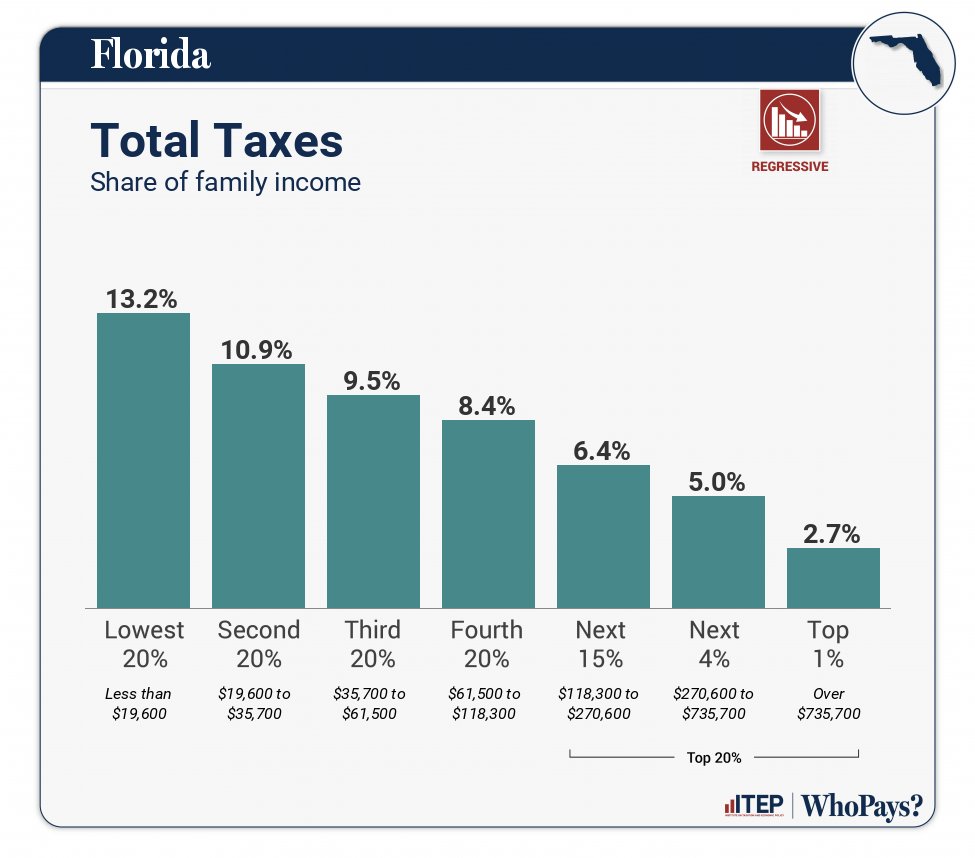
This comprehensive guide will break down the primary taxes you’ll encounter as a visitor, explaining how they apply to everything from your hotel stay and dining out to rental cars and attraction tickets. By understanding these essential details, you’ll be better equipped to budget effectively, compare prices, and fully enjoy all the incredible destinations and experiences Florida has to offer, whether you’re seeking luxury travel or planning a careful budget travel adventure.
Understanding Florida’s General Sales Tax
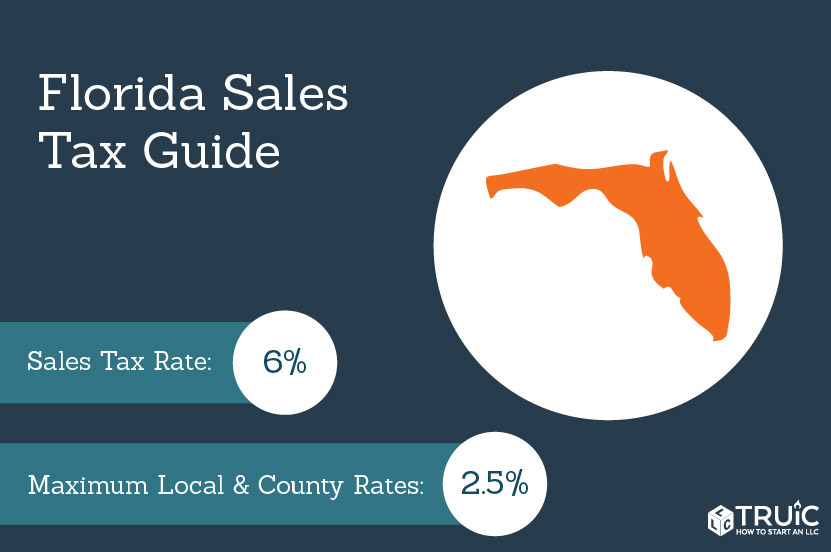
One of the most common taxes you’ll encounter throughout your travels in the United States, and certainly in Florida, is the general sales tax. This tax is levied on the sale of most goods and certain services. While the state of Florida mandates a statewide sales tax rate, individual counties have the authority to impose an additional “discretionary sales surtax,” often referred to as a county sales tax. This means the total sales tax rate you pay can vary slightly depending on the specific county you’re in.
The statewide sales tax rate in Florida is 6%. On top of this, counties can add anywhere from 0.5% to 1.5% (or occasionally more, depending on local ordinances) to fund specific local projects or services. For instance, a county might have a 1% surtax, making the total sales tax rate 7% in that area. This variation is why two identical items might have slightly different final prices if purchased in different counties, even just a short drive apart.
This sales tax applies to a wide array of purchases crucial for any traveler. When you’re picking up souvenirs from a gift shop at Walt Disney World Resort in Orlando, dining at a seafood restaurant in Miami, or buying beach essentials in Clearwater Beach, the sales tax will be added to your bill. It also applies to admission tickets for most attractions like Universal Studios Florida, SeaWorld Orlando, or historical sites in St. Augustine. Even purchasing non-alcoholic beverages and prepared foods from grocery stores falls under the sales tax umbrella, though most raw groceries are exempt.
The Impact on Your Daily Spending
For travelers, understanding the sales tax is key to accurately budgeting for daily expenses. Let’s consider how it affects your typical day in Florida. Imagine you’re exploring the vibrant Art Deco Historic District in Miami Beach and decide to grab lunch at a local cafe. Your meal, costing $25, will likely have an additional 7% to 7.5% sales tax added, bringing the total closer to $26.75 or $26.88 before tip. Similarly, if you’re shopping for new swimwear or beach gear in Sarasota, a $100 purchase could end up costing you $106 or $107, depending on the county’s surtax.
While the individual amounts might seem small, they can add up quickly over the course of a week-long family trip or an extended business stay. Budgeting an extra 7-8% on all your discretionary spending – from souvenirs and clothing to restaurant meals and entertainment – is a smart strategy to avoid going over budget.
It’s worth noting that certain items are exempt from Florida sales tax. Most unprepared food items purchased at grocery stores, medical services, and prescription medicines are typically exempt. So, if you’re planning to cook some meals in your vacation rental or apartment, buying ingredients from a supermarket will largely be tax-free. This can be a subtle way to save a bit, especially for those on a tighter budget travel plan. However, prepared foods, even from grocery delis, will be taxed. Always keep an eye on your receipt for the breakdown of charges.
Navigating the Tourist Development Tax (TDT) on Accommodation
Beyond the general sales tax, perhaps the most significant tax for visitors is the Tourist Development Tax (TDT), often referred to as the “resort tax,” “bed tax,” or “occupancy tax.” This tax specifically applies to short-term accommodations, meaning any rental period typically six months or less. The TDT is a local county-level tax, which means its rate and even its existence can vary significantly from one Florida county to another.
The primary purpose of the TDT is to fund tourism-related initiatives within the county where it’s collected. This often includes advertising and marketing campaigns to attract more visitors, maintenance and development of convention centers, sports facilities, cultural venues, and beach renourishment projects. Essentially, the TDT collected from tourists is reinvested into making the destination even more appealing for future tourists, creating a beneficial cycle for the local tourism economy.
The TDT applies to almost all forms of short-term lodging, including traditional hotels, motels, resorts, vacation rentals (like those found on Airbnb or VRBO), timeshares, and even campgrounds. The rates typically range from 1% to 6% on top of the room rate. It’s crucial to remember that this tax is in addition to the statewide 6% sales tax, meaning your total tax on lodging can easily climb to 10-13% or more in some popular destinations.
Key Counties and Their TDT Rates
The variation in TDT rates across Florida counties can significantly impact your accommodation costs. For instance, Orange County, home to Walt Disney World and Universal Orlando Resort, currently imposes a 6% TDT. This means a hotel room costing $200 per night will incur an additional $12 for the TDT, plus the 6.5% sales tax (6% state + 0.5% county surtax in Orange County), totaling around $26.50 in taxes per night before any other fees. In Miami-Dade County, which includes Miami and Miami Beach, the TDT also stands at 6%, leading to similar cumulative tax rates on lodging.
Other popular Florida destinations also have their own rates:
- Broward County (e.g., Fort Lauderdale): 5%
- Monroe County (e.g., Key West): 5%
- Pinellas County (e.g., St. Petersburg, Clearwater Beach): 5%
- Hillsborough County (e.g., Tampa): 6%
- Collier County (e.g., Naples): 5%
- Escambia County (e.g., Pensacola): 4%
- Volusia County (e.g., Daytona Beach): 4%
These examples highlight the importance of checking the specific tax rates for your chosen destination when booking your hotel, resort, or vacation rental. Most reputable booking platforms and direct hotel websites will display the estimated taxes and fees during the reservation process, but it’s always good to be aware of the underlying components.
Beyond the TDT: Understanding Other Accommodation Charges
While the TDT is a specific tax, it’s crucial to understand that many hotels and resorts in Florida also levy additional fees that can significantly increase your overall accommodation cost. These are not taxes but mandatory charges often applied per night or per stay.
- Resort Fees: These are perhaps the most common and often debated additional charges. Resort fees (or “destination fees” or “amenity fees”) are mandatory charges that hotels add on top of the room rate and taxes. They typically cover amenities like Wi-Fi, gym access, pool towels, local calls, or shuttle services. While presented as covering “amenities,” they are often mandatory regardless of whether you use the services, and they can range from $15 to $50 or even more per night at luxury resorts like the Fontainebleau Miami Beach or The Breakers Palm Beach. Always check the “fine print” when booking to see if a resort fee applies.
- Parking Fees: Many hotels in urban areas like Miami, Orlando, and Fort Lauderdale charge daily parking fees, which can range from $10 for self-parking to $40+ for valet services. If you’re renting a car, this is an important cost to factor in.
- Cleaning Fees: For vacation rentals (apartments, villas, homes), a one-time cleaning fee is almost always added to the total cost. This fee can vary widely depending on the size of the property and the length of your stay.
- Pet Fees: If you’re traveling with a furry friend, be prepared for additional pet fees, which can be a one-time charge or a per-night fee.
These charges, while not strictly “taxes,” contribute significantly to the total cost of your accommodation and are often added during the final stages of the booking process. Always look for the “total price” or “all-inclusive price” option when comparing different hotels or vacation rentals to get an accurate estimate.
Transportation and Activity Taxes for Travelers
Getting around Florida and enjoying its countless activities also involves various taxes and fees that travelers should consider. From picking up a rental car at Orlando International Airport to exploring Everglades National Park, these costs can add up.
The most notable tax related to transportation is the array of charges associated with rental cars. When you rent a vehicle in Florida, you’ll typically face a state rental car surcharge of $2.00 per day. In addition to this, the standard sales tax (state + county surtax) applies to the rental rate itself. Depending on the county, there might also be additional local surcharges or energy recovery fees. For example, if you rent a car for a week at $300, the $2/day surcharge would add $14, and then a 7% sales tax on the $314 total would add another $21.98, bringing the total to $335.98 before other potential fees like insurance or GPS. These charges can significantly inflate the advertised base rental price.
Gasoline purchases also include state and federal excise taxes, though these are typically baked into the pump price you see and are less about an “extra” charge for the traveler. However, for a long road trip covering the length of Florida, such as from Jacksonville to Key West, fuel costs, including these embedded taxes, will be a considerable part of your budget.
Admission to most attractions, as mentioned earlier, is also subject to the state and county sales tax. This includes tickets to major theme parks like Epcot, Magic Kingdom, Hollywood Studios, Animal Kingdom, Universal’s Islands of Adventure, Volcano Bay, Busch Gardens Tampa Bay, Legoland Florida Resort, Kennedy Space Center, or various museums and historical landmarks. When comparing ticket prices, remember to factor in that extra 6-7.5%.
The True Cost of Getting Around Florida
For travelers embarking on a comprehensive Florida adventure, budgeting for transportation and activities requires more than just looking at base prices. A road trip from North Florida down to South Florida along the Atlantic Coast or Gulf Coast involves not just fuel but also numerous tolls, especially around major metropolitan areas like Orlando, Miami, and Tampa. While not taxes, tolls are mandatory expenses that must be considered. Many rental car companies offer electronic toll payment systems, which add convenience but often come with an additional daily fee.
When calculating the total cost of a day at a theme park, remember to add not just the ticket price and its sales tax, but also parking fees (which can be $25-$30+ per day at major parks), and any sales tax on food, beverages, and merchandise purchased inside. Public transportation, while not as extensive as in some other global destinations, is available in larger cities such as Miami (Metromover, Metrobus, Metrorail) and Orlando (LYNX bus system). These services generally have fixed fares, making them a predictable and often more economical option, particularly for budget travel in dense urban areas, though they may not be ideal for accessing far-flung attractions or covering vast distances across the state.
Budgeting and Planning for a Tax-Savvy Florida Trip
Successfully navigating the tax landscape in Florida ultimately comes down to careful planning and a clear understanding of what you’re paying for. Being aware of the various taxes and fees before you travel will empower you to make informed decisions, compare accommodation options, and enjoy your trip without unexpected costs eating into your fun.
When you’re comparing hotels, resorts, or vacation rentals, always look for the “total price” that includes all taxes and fees. Many booking websites allow you to view the price with taxes upfront, which is invaluable for accurate comparisons. Don’t just focus on the base nightly rate; a cheaper room might end up being more expensive if it has higher taxes or hidden resort fees. For instance, comparing a stay at the Hyatt Regency Orlando versus a family-friendly Airbnb in nearby Kissimmee requires careful consideration of not just nightly rates, but also the total impact of TDT, sales tax, resort fees, and cleaning fees.
Information about specific county tax rates can usually be found on the county’s official tourism or tax collector websites. Reputable travel guides and tourism boards for Florida cities and regions, such as Visit Orlando or Miami and Beaches, often provide helpful breakdowns for visitors.
A general rule of thumb is to budget an extra 10-15% on top of your estimated base costs for accommodation, rental cars, and other taxable purchases. This buffer will comfortably cover most sales taxes, TDT, and potential additional fees. For travelers interested in long-term stays or extended visits, taxes on accommodation typically cease to apply after six months of continuous occupancy in the same unit, but this is less common for typical vacationers.
Maximizing Your Florida Vacation Budget
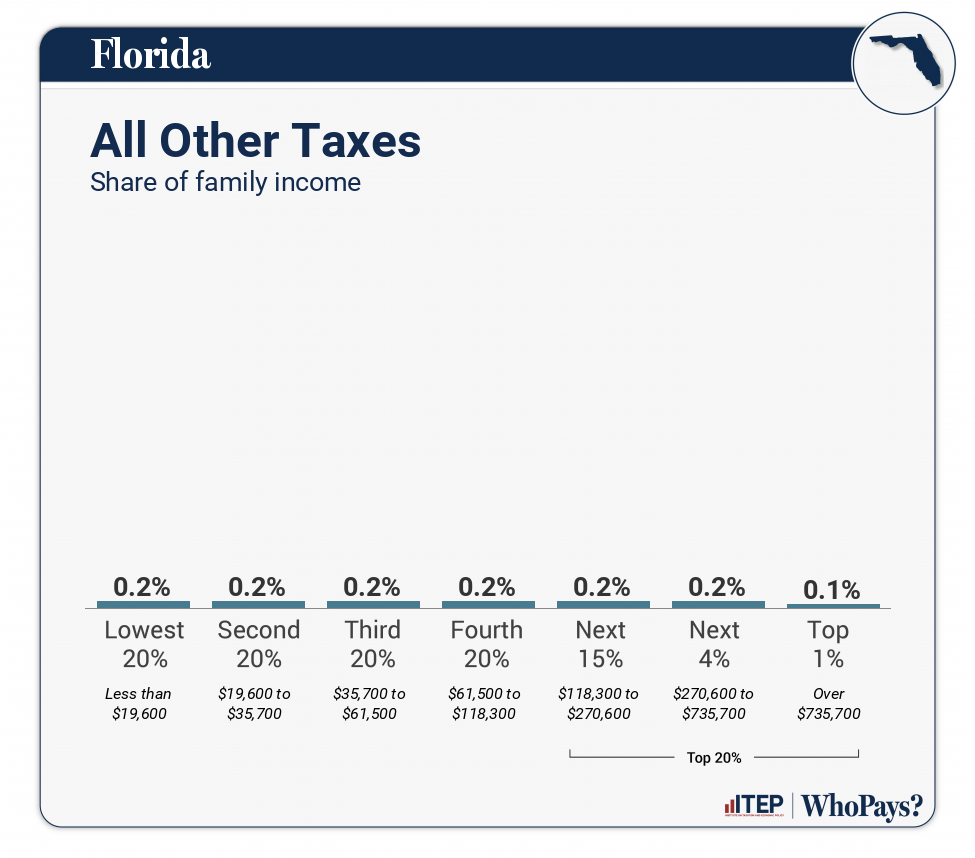
For those keen on maximizing their Florida vacation budget, strategic planning regarding taxes can make a difference.
- Booking in Advance: Often yields better base rates, leaving more room in your budget for taxes and fees. Many hotels and resorts, especially popular options like the Ritz-Carlton or Four Seasons in South Florida, offer discounts for early reservations.
- Comparing “All-Inclusive” Prices: When comparing different types of accommodation (e.g., a traditional hotel, an all-inclusive resort like a Margaritaville Beach Resort, or a vacation rental), ensure you’re looking at the true final price that includes all taxes and fees. Sometimes a slightly higher base price for an all-inclusive package can be more cost-effective if it bundles many services that would otherwise incur separate taxes and fees.
- Off-Season Travel: Visiting Florida during the off-season (e.g., late summer or early fall, outside of major holidays) often means lower base rates for hotels and flights. While the tax rates remain the same, applying them to a lower base price results in a lower absolute tax amount, saving you money.
- Consider Location: Choosing to stay slightly outside the immediate vicinity of major attractions (e.g., in Doral instead of Miami Beach, or Lake Buena Vista instead of inside Walt Disney World Resort) can sometimes result in lower nightly rates, and potentially even slightly different county tax rates, leading to overall savings.
Ultimately, understanding what is the tax in Florida is an integral part of responsible travel planning. While taxes are an unavoidable part of any journey, they don’t have to be a source of frustration. By familiarizing yourself with Florida’s sales tax, tourist development tax, and other common fees, you can approach your trip with confidence, ensuring your budget aligns with your expectations. This knowledge will allow you to focus on what truly matters: creating unforgettable memories amidst the captivating beauty and excitement of the Sunshine State. From the vibrant nightlife of Miami to the serene shores of Amelia Island, the stunning white sands of Destin to the historic charm of St. Augustine, and the family fun of Orlando to the Gulf Coast beauty of Fort Myers and Panama City Beach, every corner of Florida is within your reach with a well-planned budget.
LifeOutOfTheBox is a participant in the Amazon Services LLC Associates Program, an affiliate advertising program designed to provide a means for sites to earn advertising fees by advertising and linking to Amazon.com. Amazon, the Amazon logo, AmazonSupply, and the AmazonSupply logo are trademarks of Amazon.com, Inc. or its affiliates. As an Amazon Associate we earn affiliate commissions from qualifying purchases.