
The question “What is the zip code in Florida?” is a common one, especially for those planning a visit, considering a move, or simply curious about the logistics of the Sunshine State. However, the answer is not as simple as a single five-digit number. Just like any large and diverse state in the United States, Florida does not have one universal zip code. Instead, it is a vast network of hundreds of zip codes, each meticulously assigned to specific geographic areas by the United States Postal Service (USPS). These numerical identifiers are far more than just codes for mail delivery; they are fundamental to navigating the state’s intricate geography, planning seamless travel experiences, finding the perfect accommodation, and truly immersing oneself in the local culture and lifestyle.

For travelers, knowing the specific zip code of a destination can unlock a wealth of information, from pinpointing exact hotel locations to discovering nearby attractions and understanding local demographics. For those considering a longer stay or even relocation, zip codes offer insights into community character, housing costs, and access to essential services. This article delves into the fascinating world of Florida zip codes, exploring their crucial role in everything from tourism and accommodation to understanding the state’s vibrant and varied lifestyle.
Unraveling Florida’s Geographic Tapestry: The Role of Zip Codes
Florida’s unique geography, stretching from the temperate north to the tropical south, encompasses an incredible diversity of landscapes, cultures, and urban centers. This diversity is mirrored in its complex system of zip codes, which act as a precise geographic mapping tool, essential for residents and visitors alike.
More Than Just Numbers: The Function of Zip Codes in the Sunshine State
Zip codes, or Zone Improvement Plan codes, were introduced by the USPS in 1963 to streamline mail delivery. However, their utility has expanded far beyond this initial purpose. In Florida, these five-digit sequences serve multiple critical functions:
- Logistics and Navigation: When planning a trip or attempting to locate a specific address, a zip code is often more precise than a city name alone. For instance, a major city like Orlando spans numerous zip codes, each corresponding to distinct neighborhoods, commercial districts, or even specific attractions like Walt Disney World Resort or Universal Studios Florida. Knowing the exact zip code helps travelers use GPS systems, ride-sharing apps, and local public transport more efficiently, ensuring they arrive at their desired destination without confusion.
- Targeted Services and Information: Many online booking platforms for flights, hotels, or car rentals allow users to filter results by zip code, enabling a hyper-localized search for services. This is particularly useful in large metropolitan areas such as Miami or Tampa, where specific zip codes can signify proximity to beaches, business districts, or entertainment hubs. Local businesses, from restaurants to tour operators, also often target their services and promotions based on zip codes, providing visitors with relevant options tailored to their immediate vicinity.
- Emergency Services and Infrastructure: Beyond travel and tourism, zip codes are vital for emergency response coordination. First responders use them to quickly locate incidents, and utility companies use them for service provision and maintenance. Understanding this underlying infrastructure highlights the integral role zip codes play in the daily functioning of any Florida community.
A Mosaic of Destinations: Exploring Florida’s Diverse Regions Through Zip Codes
Florida can be broadly divided into several distinct regions, each boasting its own character, attractions, and, consequently, its own unique set of zip codes. Exploring these regions through the lens of their zip codes helps to appreciate the state’s immense variety.
- South Florida: Home to vibrant cities like Miami (e.g., South Beach often falls within 33139 or nearby codes for its specific area), Fort Lauderdale, and Palm Beach. This region is known for its glamorous lifestyle, diverse cultural influences, pristine beaches, and bustling nightlife. Zip codes here often reflect high-end resorts, luxury shopping, and a cosmopolitan atmosphere. Further south, the Florida Keys, including Key Largo, Islamorada, and Key West (with its distinct 33040 zip code), offer a laid-back, tropical escape, celebrated for their unique marine life and bohemian charm. The vast wilderness of Everglades National Park also falls within specific zip code boundaries, guiding nature enthusiasts to its various entry points and visitor centers.
- Central Florida: This region is synonymous with world-famous theme parks, primarily located around Orlando. Zip codes such as 32830 for Walt Disney World Resort and various 32819 or 32821 codes for the Universal Orlando Resort area are hotbeds for family tourism. Beyond the parks, Central Florida also offers historic towns, spring-fed rivers, and a thriving arts scene, each identifiable by its local zip codes.
- Gulf Coast: Stretching along the western edge of the state, the Gulf Coast features cities like Tampa (e.g., 33602 for downtown Tampa), Sarasota, Naples, and Clearwater Beach. Known for its stunning white-sand beaches, calm waters, and vibrant cultural scene, this region attracts visitors seeking relaxation, arts, and outdoor activities. Distinct zip codes like 34236 for Sarasota or 33767 for Clearwater Beach help define these unique coastal communities. Attractions like Busch Gardens Tampa Bay also have specific codes.
- Atlantic Coast (North/Central): Further north along the Atlantic Coast, St. Augustine (32084/32085), the nation’s oldest city, offers a rich historical experience, while Jacksonville (a sprawling city with numerous 322xx zip codes) combines urban amenities with natural beauty. Areas like Amelia Island (32034) provide a more tranquil, upscale retreat.
- Florida Panhandle: Extending westward, the Panhandle is famous for its “Emerald Coast” beaches in areas like Destin (32541) and Pensacola. Its distinct Southern charm and military presence shape its local character, easily navigated by its unique series of zip codes.
Each of these regions, and the specific locales within them, are characterized by their zip codes, making these numbers indispensable tools for understanding and exploring Florida’s incredibly diverse offerings.
Navigating Your Florida Adventure: Zip Codes for Seamless Travel & Accommodation
For any traveler, the success of a trip often hinges on efficient planning, especially when it comes to finding the right place to stay and the best attractions to visit. Florida’s extensive system of zip codes proves invaluable in streamlining these aspects of a journey, connecting travelers directly with their desired experiences.
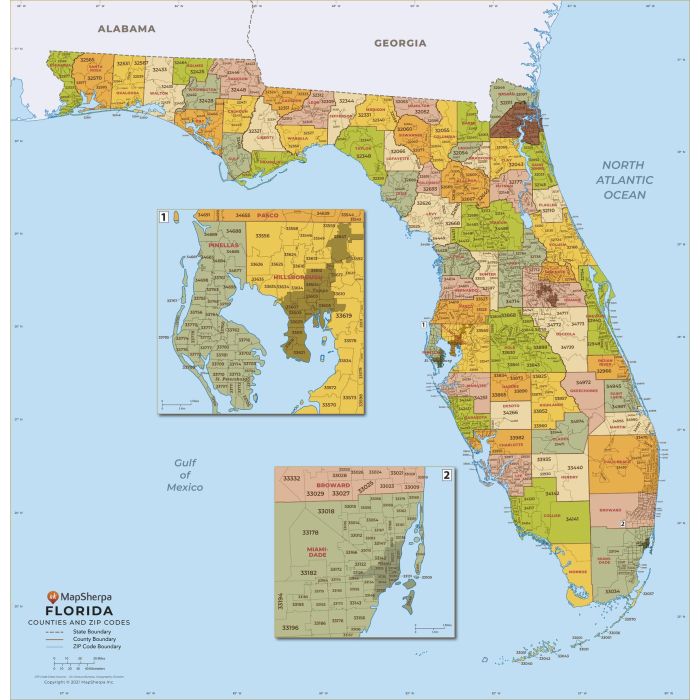
Pinpointing Your Perfect Stay: Hotels, Resorts, and Vacation Rentals
Accommodation is a cornerstone of any travel experience, and Florida offers an unparalleled range of options, from luxurious beachfront resorts to cozy budget-friendly apartments. Zip codes significantly simplify the process of finding and booking the ideal place to stay:
- Location, Location, Location: A zip code provides immediate clarity on a property’s geographic standing. Are you looking for a hotel directly on South Beach? Searching for 33139 will narrow down options to that specific, iconic stretch of sand. Seeking a family-friendly resort near the theme parks in Orlando? Zip codes like 32830 or 32821 will guide your search. This precision is critical for travelers who prioritize proximity to specific landmarks, beaches, or business centers.
- Diverse Accommodation Options: Florida’s accommodation landscape is incredibly varied. From opulent suites in landmarks like The Breakers Palm Beach (33480) or the Ritz-Carlton, Amelia Island (32034), to themed resorts like Loews Portofino Bay Hotel (32819) at Universal Orlando Resort, or chic boutiques such as W South Beach (33139), zip codes help categorize and present these choices effectively. Travelers can search for different types of lodging – hotels, suites, resorts, apartments, villas – within their preferred area.
- Amenities and Neighborhood Vibe: The zip code often correlates with the kind of amenities and neighborhood atmosphere one can expect. A zip code in an upscale area like Naples (e.g., 34102) might suggest luxury accommodations with golf course access and fine dining, while a code in a vibrant cultural district might point to boutique hotels surrounded by art galleries and eclectic eateries. Even searching for specific features like a pet-friendly stay or a hotel with extensive meeting facilities can be refined by using zip codes to filter options in suitable areas.
- Booking and Reviews: Reputable booking platforms utilize zip codes to provide accurate maps, calculate distances to attractions, and display relevant guest reviews. This allows travelers to make informed decisions, ensuring their accommodation choice aligns perfectly with their travel itinerary and expectations. For example, a family looking for easy access to Busch Gardens Tampa Bay might search for hotels within the 33612 or 33617 zip codes surrounding the park. The Hyatt Regency Orlando (32819) is a popular choice for convention-goers due to its location within a specific business district.
Exploring Local Culture and Attractions: The Zip Code Advantage for Tourism
Florida’s tourism appeal extends far beyond its famous theme parks and beaches. The state is rich in local culture, historical landmarks, diverse food scenes, and unique activities. Zip codes are instrumental in uncovering these treasures:
- Discovering Landmarks and Attractions: Many of Florida’s most celebrated landmarks and attractions are tied to specific zip codes. The Kennedy Space Center Visitor Complex (32899) offers a glimpse into space exploration. The Salvador Dalí Museum (33701) in St. Petersburg draws art enthusiasts. The historic Vizcaya Museum & Gardens (33129) provides a glimpse into Miami’s gilded age, while the Art Deco Historic District (primarily within 33139) on South Beach showcases iconic architecture. Further north, the ancient walls of Castillo de San Marcos (32084) in St. Augustine tell tales of centuries past. Knowing these zip codes makes it easy to add them to a travel itinerary and find nearby services.
- Immersive Cultural Experiences: Zip codes can serve as gateways to authentic local culture. For example, specific codes in Miami’s Little Havana (e.g., 33135) or Tampa’s Ybor City (33605) reveal vibrant districts rich with Cuban heritage, distinct cuisine, and traditional music. By focusing on these zip codes, travelers can discover local food markets, family-run restaurants, live music venues, and unique shops that offer a genuine taste of Florida’s diverse communities.
- Activity Planning and Guides: Many online travel guides and activity booking platforms allow users to search for activities by zip code. This enables travelers to find specific tours (e.g., airboat rides in the Everglades National Park region’s zip codes), water sports, eco-tours, or cooking classes that are conveniently located near their accommodation. It helps in creating a logically sequenced itinerary, minimizing travel time between attractions and maximizing enjoyment.
- Tips for Local Exploration: Understanding the zip code system allows travelers to delve deeper into local tips and recommendations. Locals often refer to areas by their zip code, and online forums or travel blogs might offer specific advice for exploring a 33706 (St. Pete Beach) or 34242 (Siesta Key) experience, from the best hidden restaurants to lesser-known beaches or parks.
Lifestyle and Long-Term Stays: Beyond the Tourist Trail
While most visitors focus on Florida for short-term getaways, the state is also a magnet for those seeking a change of lifestyle, whether for extended stays, seasonal living, or permanent relocation. Here too, zip codes offer invaluable insights, helping individuals find communities that align with their personal preferences, budget, and long-term goals.
From Luxury Escapes to Budget-Friendly Adventures: Tailoring Your Florida Lifestyle
Florida’s diverse appeal means it caters to a wide spectrum of lifestyles and budgets. Zip codes are often strong indicators of the prevailing lifestyle and cost of living in a particular area:
- Luxury Living: Certain zip codes in areas like Palm Beach (e.g., 33480 for the town of Palm Beach), Naples (e.g., 34102 for beachfront properties), or Miami Beach (e.g., 33139 for South Beach) are synonymous with luxury. These areas feature upscale villas, exclusive resorts, gourmet dining, and high-end shopping. Individuals seeking an opulent lifestyle, whether for a temporary retreat or a permanent move, can target these specific zip codes to find properties and services that match their expectations.
- Family-Friendly Communities: For families planning longer vacations or considering relocation, zip codes in suburbs surrounding major cities like Orlando or Tampa (e.g., 32789 in Winter Park or 33578 in Riverview) often highlight communities with excellent schools, family-oriented amenities, and parks. These areas offer a more relaxed pace of life while still providing access to the state’s attractions.
- Budget-Conscious Exploration: Florida is not exclusively for luxury travelers. Many areas offer more budget-friendly options for accommodation, dining, and activities. Searching zip codes slightly outside the most popular tourist hubs can often reveal more affordable hotels, vacation rentals, and local eateries, allowing travelers to experience the Sunshine State without breaking the bank. For example, while Miami Beach can be expensive, nearby areas like Sweetwater (33172) offer more economical choices.
- Digital Nomad and Long-Term Stay Considerations: For digital nomads, retirees, or those planning an extended stay, zip codes are crucial for researching internet service providers, local co-working spaces, healthcare facilities, and long-term rental options. Many communities, especially along the Gulf Coast or in Central Florida, cater to seasonal residents, with zip codes often indicating areas with a higher concentration of retirement communities or snowbird-friendly accommodations.
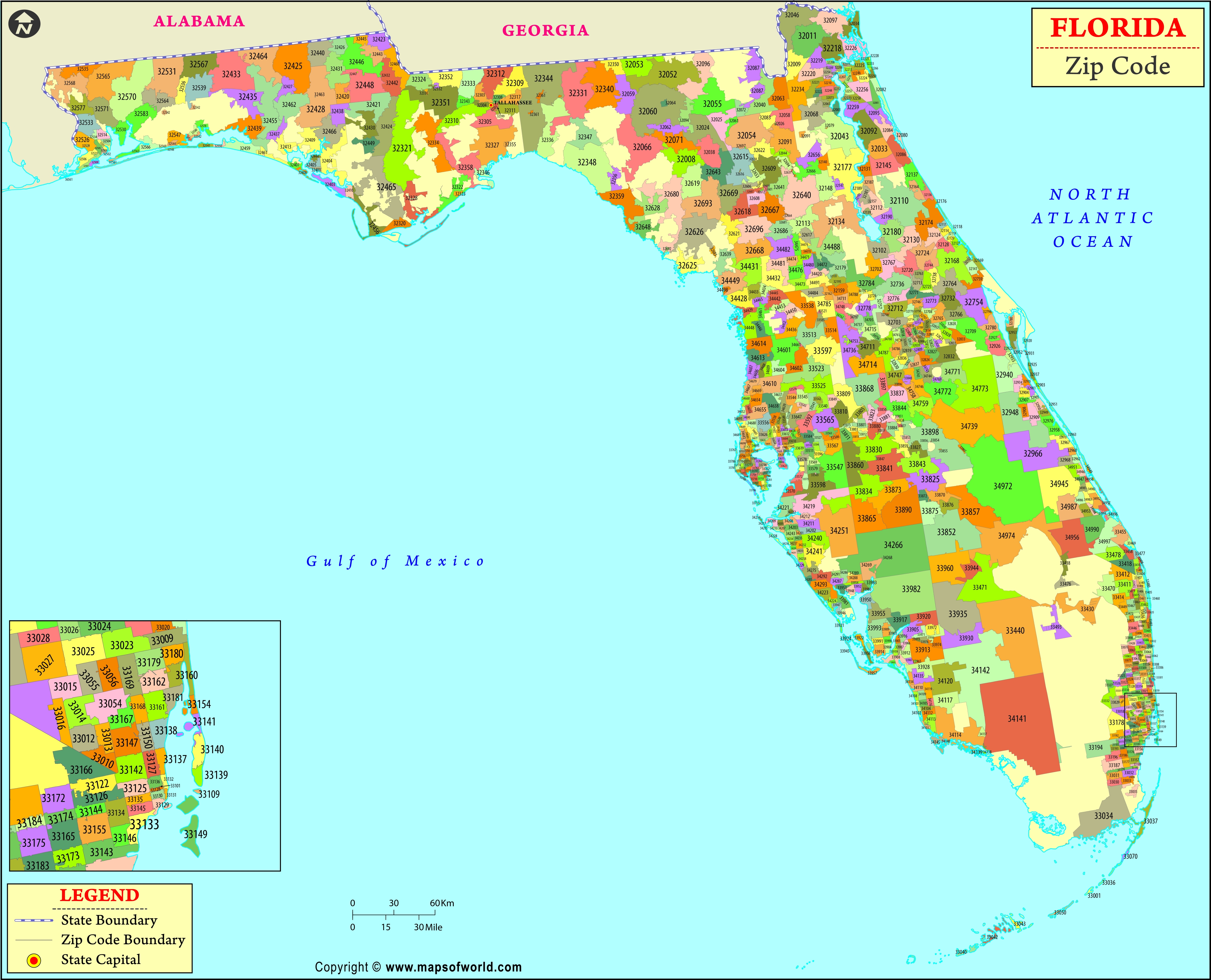
Practical Tips for Utilizing Florida Zip Codes
Mastering the use of Florida zip codes can significantly enhance any experience in the state. Here are some practical tips:
- Online Mapping Tools: Utilize online mapping services like Google Maps or the USPS zip code lookup tool. These resources allow you to enter an address and find its corresponding zip code, or enter a zip code to see its geographic boundaries and what lies within.
- Specific Searches: When booking accommodation or searching for local businesses, always try to include the zip code if you have a very specific area in mind. This will yield more relevant and accurate results.
- Real Estate and Demographics: For those considering a move, real estate websites often use zip codes to filter properties, provide neighborhood insights, and display demographic data, including average income, age ranges, and school district information. This helps in understanding the community before committing.
- Package Delivery and Correspondence: Naturally, for any mail or package delivery within Florida, including online shopping deliveries to your temporary or permanent address, providing the correct zip code is essential for timely and accurate service.
In conclusion, while there isn’t a single “zip code in Florida,” the state’s intricate network of these five-digit identifiers is a powerful tool for anyone looking to explore, stay, or live in the Sunshine State. From pinpointing a perfect beachfront resort to discovering a hidden culinary gem or choosing a community that aligns with a specific lifestyle, understanding and utilizing Florida’s zip codes transforms a journey from a general visit into a truly personalized and immersive experience. They are the silent guides that help unlock the full potential of your Florida adventure.
LifeOutOfTheBox is a participant in the Amazon Services LLC Associates Program, an affiliate advertising program designed to provide a means for sites to earn advertising fees by advertising and linking to Amazon.com. Amazon, the Amazon logo, AmazonSupply, and the AmazonSupply logo are trademarks of Amazon.com, Inc. or its affiliates. As an Amazon Associate we earn affiliate commissions from qualifying purchases.