
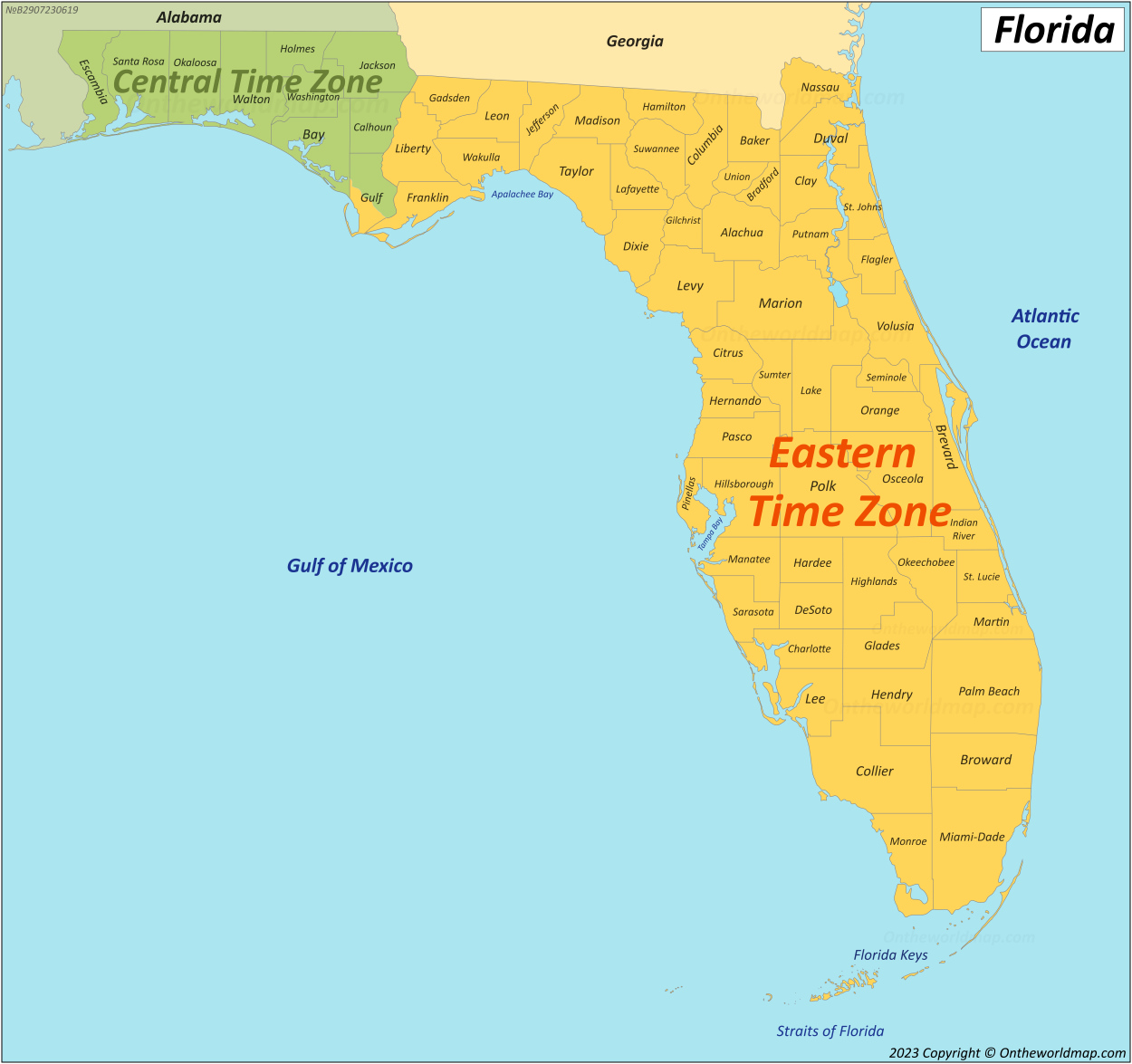
For anyone planning a trip to the Sunshine State, whether for a quick getaway or an extended stay, one of the first practical considerations often involves understanding the local time. Beyond the simple answer, delving into Florida’s time zones is crucial for seamless travel, from coordinating flight arrivals to scheduling unforgettable experiences. Florida, a vibrant and diverse state in the USA, primarily operates on Eastern Daylight Time (EDT) during the spring and summer months and Eastern Standard Time (EST) in autumn and winter. This encompasses major destinations like Miami, Orlando, Tampa, and the entire eastern coastline. However, there’s a significant exception: a portion of the Florida Panhandle, specifically counties west of the Apalachicola River, observes Central Daylight Time (CDT) and Central Standard Time (CST). This means a traveler moving from, say, Jacksonville to Pensacola will experience a one-hour time change, a detail that can impact everything from hotel check-ins to scheduled excursions. Understanding this geographical split is the first step in ensuring your Florida adventure unfolds without a hitch, allowing you to fully immerse yourself in the state’s incredible array of attractions and activities.

Navigating Florida’s Time Zones: An Essential for Travelers
The distinction between Eastern Time and Central Time in Florida might seem like a minor detail, but for travelers, it can have significant implications. Florida’s unique geographical stretch dictates this time zone split, creating a fascinating dynamic that savvy visitors need to be aware of.
Eastern Time vs. Central Time: Understanding the Divide
Most of Florida, including its bustling metropolitan areas, world-famous theme parks, and iconic coastal cities, falls within the Eastern Time Zone. This includes popular destinations such as Orlando, home to the Walt Disney World Resort and Universal Orlando Resort; the vibrant cultural hub of Miami with its famous South Beach and Art Deco Historic District; the historic charm of St. Augustine; and the tropical paradise of the Florida Keys, including Key West. During the warmer months, these areas observe Eastern Daylight Time (EDT), which is UTC-4. In the cooler months, they switch to Eastern Standard Time (EST), or UTC-5.
The exception to this rule is the western part of the Florida Panhandle. Counties like Escambia, Santa Rosa, Okaloosa, and Walton (and parts of Bay and Gulf counties) operate on Central Time. This region includes popular beach destinations like Pensacola and Panama City Beach. Here, Central Daylight Time (CDT) is observed during daylight saving, which is UTC-5, and Central Standard Time (CST) during standard time, at UTC-6. This means a one-hour difference compared to the rest of the state.
Planning Your Itinerary Across Time Zones
For travelers whose itineraries span both time zones, meticulous planning is essential. If you’re flying into Tallahassee International Airport (which is in Eastern Time) but driving west to visit Destin (in Central Time), remember to adjust your watches and schedules. This is especially crucial for booking accommodations, tours, and dining reservations. A hotel check-in at 3:00 PM Central Time might feel like 4:00 PM Eastern Time, potentially causing confusion if not anticipated. Similarly, coordinating meet-ups with friends or family across the state requires clarifying which time zone is being referred to. Most modern smartphones and travel apps automatically adjust to local time, but it’s always wise to double-check, particularly if you’re relying on paper itineraries or have set alarms manually. This foresight ensures smooth transitions and maximizes your enjoyment of every moment in Florida.
Why Florida’s Timeless Allure Beckons Travelers
Beyond the intricacies of time zones, Florida itself is a timeless destination, consistently drawing millions of visitors with its diverse offerings. From pristine beaches and thrilling theme parks to rich cultural experiences and breathtaking natural beauty, Florida offers something for every type of traveler. The state’s appeal transcends seasons, making it a year-round paradise.
Sun-Kissed Beaches and Coastal Paradises
Florida’s coastline is legendary, boasting thousands of miles of stunning beaches along both the Atlantic and Gulf of Mexico. Destinations like Miami Beach are synonymous with vibrant nightlife, exquisite dining, and the iconic pastel-hued buildings of the Art Deco Historic District. Fort Lauderdale, often called the “Venice of America,” offers charming canals and upscale resorts. On the Gulf Coast, the powdery white sands of Clearwater Beach and Sarasota provide a more serene, family-friendly atmosphere, perfect for sunbathing, swimming, and collecting seashells. The Florida Keys offer a unique island-hopping experience, leading to the bohemian charm of Key West, where sunsets are celebrated nightly at Mallory Square. Whether you seek lively shores or secluded coves, Florida’s coastal offerings are unmatched, providing endless opportunities for relaxation and water-based activities like snorkeling, diving, and paddleboarding.
Theme Park Thrills and Family Adventures
For many, Florida is synonymous with exhilarating theme parks. Orlando proudly holds the title of the “Theme Park Capital of the World,” home to the magical Walt Disney World Resort, encompassing Magic Kingdom, Epcot, Hollywood Studios, and Animal Kingdom. Nearby, the Universal Orlando Resort captivates visitors with its thrilling rides, immersive worlds like The Wizarding World of Harry Potter, and vibrant entertainment. Beyond Orlando, Tampa offers the African-themed adventure park Busch Gardens Tampa Bay, known for its roller coasters and animal encounters. SeaWorld Orlando combines marine life shows with exciting rides, ensuring a full day of family fun. These parks represent the pinnacle of entertainment, constantly evolving with new attractions and experiences that appeal to all ages, making them a cornerstone of Florida’s tourism industry.
Cultural Riches and Historic Charms
Florida’s history is as colorful as its landscapes. St. Augustine, the nation’s oldest continuously inhabited European-established settlement, offers a journey back in time with its cobblestone streets, historic forts like the Castillo de San Marcos, and Spanish colonial architecture. In Miami, the vibrant Cuban culture of Little Havana provides a sensory feast of music, food, and art. Ybor City in Tampa tells the story of cigar manufacturing and immigrant communities, with its historic brick buildings now housing lively restaurants and bars. The state also boasts a thriving arts scene, with museums like the Dalí Museum in St. Petersburg and countless galleries showcasing local and international talent. Embracing Florida’s cultural and historical sites offers a deeper understanding of its unique identity, moving beyond the beaches and theme parks to uncover its soul.
Nature’s Wonders and Outdoor Expeditions
Beyond the manufactured magic, Florida is a natural wonderland. The vast Everglades National Park, a UNESCO World Heritage Site, is a unique ecosystem teeming with wildlife, including alligators, crocodiles, and various bird species. Airboat tours offer an exhilarating way to explore its sawgrass prairies and mangrove forests. The Florida Keys are renowned for their incredible coral reefs, making them a prime destination for snorkeling and scuba diving in places like John Pennekamp Coral Reef State Park or Dry Tortugas National Park. Biscayne National Park, primarily an aquatic park, invites exploration of its vibrant underwater world. For those interested in space, the Kennedy Space Center Visitor Complex on Merritt Island provides a fascinating look into space exploration, including real rockets and astronaut encounters. The state’s numerous state parks and wildlife refuges offer opportunities for hiking, kayaking, bird watching, and experiencing the diverse flora and fauna that make Florida truly special.
Optimizing Your Florida Stay: Accommodation and Lifestyle Choices
Planning a trip to Florida goes beyond merely deciding when to go; it involves thoughtfully considering where to stay and how your travel style aligns with the state’s vast offerings. From luxurious beachfront resorts to charming boutique hotels and practical vacation rentals, the accommodation landscape in Florida is as diverse as its attractions.
From Luxury Resorts to Budget-Friendly Stays
Florida’s accommodation options cater to every budget and preference. For those seeking opulence, cities like Palm Beach, Naples, and Miami boast world-class luxury resorts offering lavish suites, private beach access, gourmet dining, and spa amenities. These establishments often provide curated experiences, from private yacht charters to exclusive golf course access. Upscale hotel brands like The Breakers Palm Beach or the Ritz-Carlton South Beach exemplify this high-end segment, promising an unforgettable, pampered stay.
Mid-range options are plentiful in virtually every tourist destination, offering a balance of comfort, convenience, and value. These might include well-known chains near theme parks in Orlando or comfortable hotels in vibrant downtown areas like St. Petersburg. For families or longer stays, vacation rentals, including apartments, villas, and beachfront homes, are an excellent choice. Platforms for booking these accommodations provide options with multiple bedrooms, fully equipped kitchens, and private pools, offering a home-away-from-home experience that can be more cost-effective for groups.
Budget travelers also have ample choices, from motels along scenic routes to hostels in larger cities and campgrounds within state parks. For those focused on experiencing the destination rather than extravagant lodging, these options provide a clean, safe, and affordable base from which to explore. When selecting accommodation, considering reviews, amenities, and proximity to desired attractions is key to finding the perfect fit for your Florida adventure.
Lifestyle Travel: Tailoring Your Florida Experience
Florida is uniquely positioned to accommodate various travel lifestyles.
- Luxury Travel: Beyond the resorts, Florida offers bespoke luxury experiences. Think private airboat tours of the Everglades, exclusive shopping in Bal Harbour Shops, or chartering a yacht to explore the Florida Keys. High-end dining, personal concierges, and secluded island getaways are all part of the luxury Florida experience.
- Budget Travel: Savvy travelers can enjoy Florida without breaking the bank. Free activities like enjoying the public beaches, exploring state parks (often for a small entrance fee), visiting free museums, or simply strolling through vibrant neighborhoods like Little Havana can fill an itinerary. Utilizing public transport, opting for self-catering accommodations, and taking advantage of happy hour deals can significantly reduce costs.
- Family Trips: Florida is a quintessential family destination, primarily due to its world-renowned theme parks. However, beyond Orlando, families can enjoy wildlife encounters at zoos and aquariums, interactive science museums, and gentle waves on the Gulf Coast beaches. Many resorts offer kid-friendly amenities, clubs, and activities, ensuring parents can also enjoy some relaxation.
- Business Stays: For professionals, Florida cities like Miami, Orlando, and Tampa are major convention and business hubs. Business-friendly hotels provide meeting facilities, reliable Wi-Fi, and convenient access to corporate centers. Many also offer amenities that allow business travelers to unwind after hours, from fitness centers to executive lounges.
- Adventure and Nature Travel: For the more adventurous, Florida offers unparalleled opportunities for outdoor activities. Kayaking through mangrove tunnels, paddleboarding in crystal-clear springs, cycling along scenic trails, or even attempting kiteboarding in coastal areas provides an adrenaline rush. The extensive network of national and state parks serves as a playground for nature lovers.
By aligning your accommodation and activity choices with your preferred travel lifestyle, you can craft a personalized and truly satisfying Florida experience, making the most of every precious moment.
Making the Most of Every Moment: Practical Tips for Your Florida Journey
Once the time zones are understood and your ideal travel style is defined, a few practical tips can elevate your Florida journey, ensuring you savor every moment in the Sunshine State.
Best Time to Visit and Local Insights
Choosing the “best” time to visit Florida depends heavily on your priorities. The peak season generally runs from late fall through spring (November to May), offering cooler temperatures, lower humidity, and less chance of rain. This period is ideal for exploring theme parks, enjoying outdoor activities, and relaxing on the beaches without intense heat. However, it also means larger crowds and higher prices for flights and accommodations.
Summer (June to October) brings hotter temperatures, higher humidity, and the rainy season, which typically involves afternoon thunderstorms. This is also hurricane season, so travelers should monitor weather forecasts closely. Despite this, summer offers lower prices and fewer crowds, especially at beaches, and it’s still perfectly feasible to enjoy most attractions, often with shorter wait times. Many indoor attractions and water parks are designed to beat the heat, making it a viable option for those on a budget or who don’t mind the warmth.
Local insights can significantly enhance your trip. Explore the local food scene beyond tourist traps; Florida boasts incredible fresh seafood, Latin-inspired cuisine, and diverse culinary experiences. From stone crab in Miami to Cuban sandwiches in Tampa, there’s a taste for every palate. Seek out local festivals and events, which celebrate everything from music and art to food and heritage, offering a glimpse into the state’s vibrant community spirit. Many smaller towns and neighborhoods have unique charm and attractions that often go overlooked by those sticking to the major tourist routes. Don’t be afraid to venture off the beaten path to discover hidden gems.
Getting Around and Staying Connected
Florida is a large state, and while some cities offer public transportation, renting a car is often the most convenient way to explore. This provides the flexibility to visit multiple destinations, access remote natural areas, and discover charming small towns at your own pace. Major airports like Orlando International Airport (MCO), Miami International Airport (MIA), and Tampa International Airport (TPA) have numerous car rental agencies. Ride-sharing services are also widely available in metropolitan areas.
Staying connected is easier than ever. Most hotels, attractions, and many public spaces offer free Wi-Fi. It’s advisable to download offline maps, translation apps (if needed), and local transportation apps before you arrive. For international travelers, consider purchasing a local SIM card or an e-SIM plan for affordable data and calls throughout your stay. Having a reliable internet connection will prove invaluable for navigation, checking attraction opening hours, making last-minute bookings, and, of course, sharing your amazing Florida moments with friends and family. Additionally, remember to pack essentials like sunscreen, insect repellent, and comfortable walking shoes, regardless of the season.
In conclusion, understanding what time it is in Florida extends beyond simply setting your watch. It’s the first step in unlocking a well-planned, enriching, and unforgettable journey through a state that truly has it all. From the energetic pulse of its cities to the tranquil beauty of its natural landscapes, Florida promises an adventure that, regardless of the time zone, will leave you with timeless memories.
LifeOutOfTheBox is a participant in the Amazon Services LLC Associates Program, an affiliate advertising program designed to provide a means for sites to earn advertising fees by advertising and linking to Amazon.com. Amazon, the Amazon logo, AmazonSupply, and the AmazonSupply logo are trademarks of Amazon.com, Inc. or its affiliates. As an Amazon Associate we earn affiliate commissions from qualifying purchases.