
Florida, often dubbed the Sunshine State, is a premier global destination, luring millions with its pristine beaches, vibrant cities, and world-class attractions. However, its unique geography, defined by a low elevation and extensive coastline, also makes it particularly susceptible to various forms of flooding. For travelers, understanding which parts of Florida might be affected by flooding is crucial for planning safe and enjoyable trips, ensuring their dream vacation doesn’t turn into a logistical nightmare. This guide aims to shed light on the regions most prone to inundation, the types of flooding experienced, and how these events can impact travel, accommodation, and the overall tourism experience, providing essential insights for those looking to explore this beautiful state.
Understanding Florida’s Vulnerability to Flooding
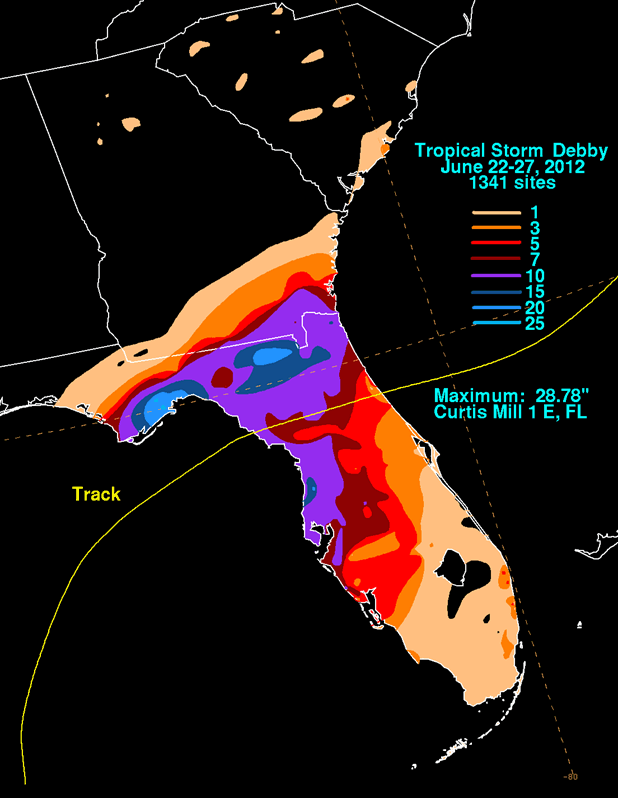
Florida’s landscape is a delicate balance of land and water, making it inherently vulnerable to flooding from multiple sources. From the seasonal heavy rainfall that can overwhelm urban drainage systems to the powerful impacts of tropical storms and hurricanes, and even the persistent challenge of king tides, understanding the state’s susceptibility is the first step in navigating its travel landscape responsibly. The types of flooding vary significantly, influencing different regions in distinct ways and demanding varied responses from both residents and the tourism industry.
Coastal vs. Inland Flooding: A Nuanced Perspective
The flooding narrative in Florida is often bifurcated into coastal and inland phenomena, each with its own set of causes and affected areas.
Coastal flooding primarily results from storm surges associated with hurricanes and tropical storms, rising sea levels exacerbated by climate change, and the increasingly prevalent king tides. These events typically impact low-lying areas directly on or near the coastline. Cities like Miami, Fort Lauderdale, Naples, and sections of the Florida Keys are frequently in the spotlight during such occurrences. For example, South Florida often experiences sunny-day flooding due to king tides, which can render roads impassable and disrupt access to businesses and homes, even without heavy rainfall. This poses unique challenges for hotels and resorts located along the beach, potentially affecting guest access and beachfront activities.
Inland flooding, on the other hand, is generally caused by excessive rainfall that overwhelms drainage systems, rivers, and lakes. This can occur hundreds of miles from the coast. Areas such as Central Florida, particularly around the Orlando metropolitan area, and even parts of North Florida, can experience significant inland flooding. Riverine flooding, where rivers overflow their banks, is another common inland issue, particularly after prolonged heavy rain. The impact on travel might involve flooded roads leading to major theme parks, or disruptions to agricultural tourism experiences. Understanding this distinction is vital for travelers, as a flood warning in one part of the state might not affect your planned destination miles away.
Recent Events and Their Geographical Impact
Florida’s history is punctuated by significant weather events that have reshaped its landscape and tested its resilience.
Hurricane Ian in 2022 serves as a stark example of widespread and devastating impact. The storm made landfall on the Gulf Coast near Fort Myers and Sanibel Island, causing catastrophic storm surge that inundated entire communities. Areas like Cape Coral and Punta Gorda experienced extreme flooding, leading to massive destruction of homes, businesses, and infrastructure, including many hotels and vacation rentals. The storm also brought significant freshwater flooding to inland areas as it traversed the state, affecting places as far inland as Orlando and the St. Johns River basin, where water levels remained high for weeks. This event underscored the dual threat of coastal and inland flooding from a single powerful system.
Prior to Ian, Hurricane Irma in 2017 similarly impacted a vast swath of the state, particularly the Florida Keys and the Southwest Florida coast, before moving up through the center of the state, causing widespread power outages and significant flooding in cities like Jacksonville due to storm surge in the St. Johns River. More recently, localized severe thunderstorms can also cause significant flash flooding, particularly in urbanized areas with extensive impervious surfaces. Miami-Dade County and Broward County regularly face challenges with street flooding during intense downpours, even outside of hurricane season. These incidents, while often short-lived, can disrupt daily life and travel plans. The state’s continued investment in infrastructure, such as improved drainage systems and sea walls, alongside enhanced forecasting, aims to mitigate these impacts, but preparedness remains key for anyone visiting or residing in the state.
Navigating Travel and Tourism Amidst Flood Events
When parts of Florida experience flooding, the implications for travel and tourism are immediate and far-reaching. From the closure of popular landmarks and attractions to significant disruptions in transportation and accommodation, travelers need to be well-informed and flexible. The Sunshine State’s tourism industry, a cornerstone of its economy, is adept at managing and recovering from these challenges, but individual travelers must still exercise caution and make informed decisions.
Impact on Iconic Destinations and Attractions
Florida’s reputation as a top travel destination is built on its diverse array of attractions, from the magical theme parks of Orlando to the pristine beaches of the Emerald Coast and the unique ecosystems of the Everglades.
During severe weather or flood events, many of these iconic destinations can be impacted. Theme parks like Walt Disney World Resort and Universal Studios Florida, while built with extensive drainage systems, can experience temporary closures or operational adjustments. For instance, attractions might shut down, or park hours might be reduced for the safety of guests and staff. This can be particularly disheartening for families who have planned their trips months in advance.
Coastal attractions, including many of Florida’s famous beaches and piers, are particularly vulnerable to storm surges and high tides. Beach access points can be closed, and water sports activities halted. The Florida Keys, a string of islands connected by the Overseas Highway, can face severe disruptions, including road closures, making travel to popular spots like Key West impossible. Natural landmarks such as national and state parks, including sections of the Everglades National Park and various springs, may close trails, visitor centers, or entire sections due to high water levels, fallen trees, or damaged infrastructure. Even historical sites or museums in affected cities could face temporary closures for assessment or repairs. It is always wise for travelers to check official park websites and local tourism board advisories before heading out.
Essential Advice for Travelers and Tourists
For anyone planning a trip to Florida, especially during hurricane season (June 1st to November 30th), preparedness is paramount.
- Monitor Weather Forecasts: Stay updated with information from reputable sources like the National Hurricane Center and local news channels. If a storm is brewing, reassess your travel plans.
- Travel Insurance: Invest in comprehensive travel insurance that covers trip cancellations, interruptions, and emergency evacuations due to weather-related events. Always read the policy carefully to understand what is covered.
- Flexible Bookings: Whenever possible, choose accommodations and flights with flexible cancellation or rebooking policies. Many hotels and airlines offer waivers during declared emergencies.
- Official Information Sources: Rely on official sources like Visit Florida, county emergency management websites, and the websites of specific attractions or hotels for real-time updates on closures, advisories, and recovery efforts. Avoid rumors or unverified social media posts.
- Emergency Kit: If you are already in Florida when a flood event occurs, ensure you have an emergency kit with essentials like water, non-perishable food, medications, a first-aid kit, and a battery-powered radio.
- Know Your Evacuation Zone: If staying in a coastal area, understand your evacuation zone and follow all local evacuation orders immediately.
- Prioritize Safety: Never drive or walk through flooded roads or standing water. “Turn around, don’t drown” is a critical safety message. Floodwaters can hide hazards like downed power lines, sharp debris, and strong currents.
By taking these proactive steps, travelers can significantly mitigate risks and make more informed decisions when visiting Florida, ensuring their experience remains as enjoyable and safe as possible, even when facing unexpected weather challenges.
Accommodation and Lifestyle: Adapting to Changing Landscapes
Flooding events in Florida inevitably bring significant changes and challenges to the accommodation sector and the lifestyle it supports. The state’s diverse range of lodging options, from luxury resorts to budget-friendly apartments and family villas, must adapt quickly to ensure guest safety and operational continuity. For travelers, this means understanding how to secure appropriate accommodation, navigating potential disruptions, and recognizing the long-term resilience of Florida’s vibrant tourism lifestyle.
Finding Safe and Suitable Stays
Securing safe and suitable accommodation during or after a flood event in Florida requires careful planning and quick decision-making.
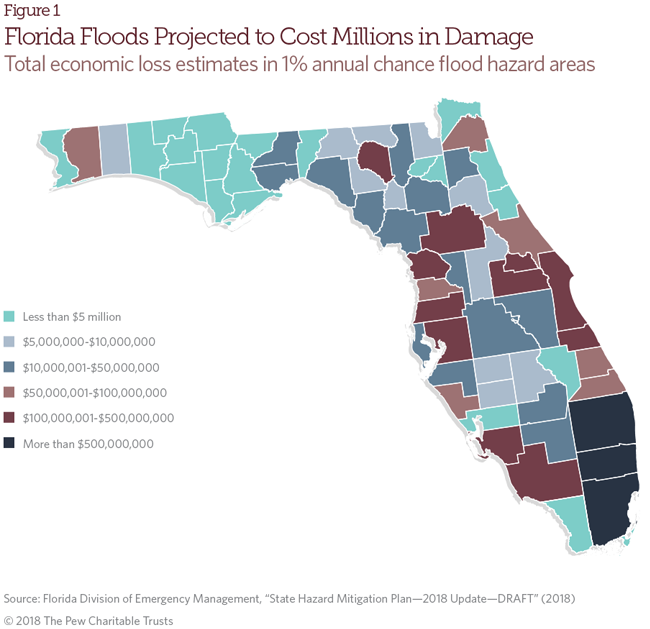
- Research Location Elevation: Before booking, especially during high-risk seasons, research the elevation of your chosen accommodation. Many hotels and resorts in coastal and low-lying areas are built to higher standards with flood mitigation features, but it’s always good to be aware. Websites like the FEMA Flood Map Service Center can provide valuable information.
- Contact Property Directly: If a storm is imminent or has recently passed, directly contact the hotel, resort, or vacation rental management to confirm their operational status, any damage, and specific advisories for guests. Online booking platforms might not always have the most up-to-date information.
- Consider Inland Alternatives: If coastal areas are heavily impacted, consider staying in slightly more inland cities or regions that offer good access to attractions but are less susceptible to storm surge. For example, if Fort Lauderdale beaches are affected, a stay in a West Palm Beach hotel might offer an alternative, or even heading further inland towards Orlando might be a safer bet for a short period.
- Verify Amenities and Services: Flood damage can affect more than just the physical structure; it can disrupt utilities, internet, and food services. Confirm that advertised amenities, like pools or on-site restaurants, are fully operational before arrival.
- Long-Term Stays and Relocation: For those seeking long-term accommodation, especially residents displaced by flooding, the options might be more limited. Websites specializing in apartment rentals and extended-stay hotels become crucial resources. It’s often necessary to consider temporary relocation to unaffected parts of the state. The demand for accommodation in unaffected areas can surge, leading to higher prices and limited availability, making early booking essential.
The accommodation sector in Florida is highly resilient. Many properties in vulnerable areas have implemented robust emergency plans and structural reinforcements. Luxury hotels and boutique resorts, in particular, often go above and beyond to ensure guest safety and comfort, even providing contingency plans for evacuation or in-house services during inclement weather.
The Long-Term Outlook for Florida Tourism
Despite the recurring challenges posed by flooding, Florida’s tourism industry consistently demonstrates remarkable resilience and a commitment to recovery.
- Rapid Rebuilding and Restoration: Following major events, there is a concerted effort by local communities, state agencies, and the private sector to rebuild and restore damaged areas quickly. Beaches are renourished, infrastructure is repaired, and attractions reopen their doors. The speed of recovery in places like Mexico Beach after Hurricane Michael or the Florida Keys after Hurricane Irma is a testament to this determination.
- Investment in Resilience: Florida continues to invest heavily in resilience projects, including improved stormwater management, sea-level rise adaptation strategies, and stricter building codes. These efforts not only protect residents but also safeguard the tourism infrastructure, ensuring the state remains an attractive and safe destination for future generations of travelers.
- Diversification of Tourism: While coastal tourism remains a major draw, Florida also boasts a rich array of inland experiences, from the cultural offerings of Tampa and St. Petersburg to the natural beauty of the Panhandle and the historical charm of St. Augustine. This diversification helps distribute tourist traffic and provides alternatives when certain areas are recovering.
- Marketing and Messaging: Visit Florida, the state’s official tourism marketing corporation, plays a critical role in communicating recovery efforts and assuring potential visitors that the state is open for business. Their campaigns often highlight the unique experiences available across the state, encouraging travelers to support local economies recovering from events.
The lifestyle of a Florida vacation is enduring. It’s about sunshine, relaxation, adventure, and creating unforgettable memories. While flood events present temporary setbacks, the spirit of Florida and its commitment to welcoming visitors remains undiminished. Travelers who approach their plans with awareness and flexibility will find that the state continues to offer exceptional experiences, embodying its slogan: “The Sunshine State of Mind.”
Planning Your Future Florida Getaway
Florida remains an incredibly appealing destination year-round, offering everything from serene beach escapes to thrilling theme park adventures. Planning your future getaway with an awareness of its unique climate and potential for flooding will ensure a smoother and more enjoyable experience. By leveraging available resources and adopting a flexible mindset, you can confidently explore the vast beauty and attractions that the state has to offer, while also contributing to its sustainable tourism efforts.
Resources and Preparedness for Travelers
Effective planning for a Florida trip involves tapping into reliable resources and understanding preparedness measures.
- Official Tourism Websites: Always start with official state and local tourism websites. Visit Florida provides comprehensive information on destinations, attractions, and real-time travel advisories. Individual city and county tourism boards (e.g., Miami, Orlando, Tampa Bay) also offer localized insights and updates.
- Emergency Management Agencies: For detailed information on flood risks and emergency preparedness, consult the Florida Division of Emergency Management and local county emergency management websites. These sites often provide specific flood maps, evacuation routes, and shelter information during active events.
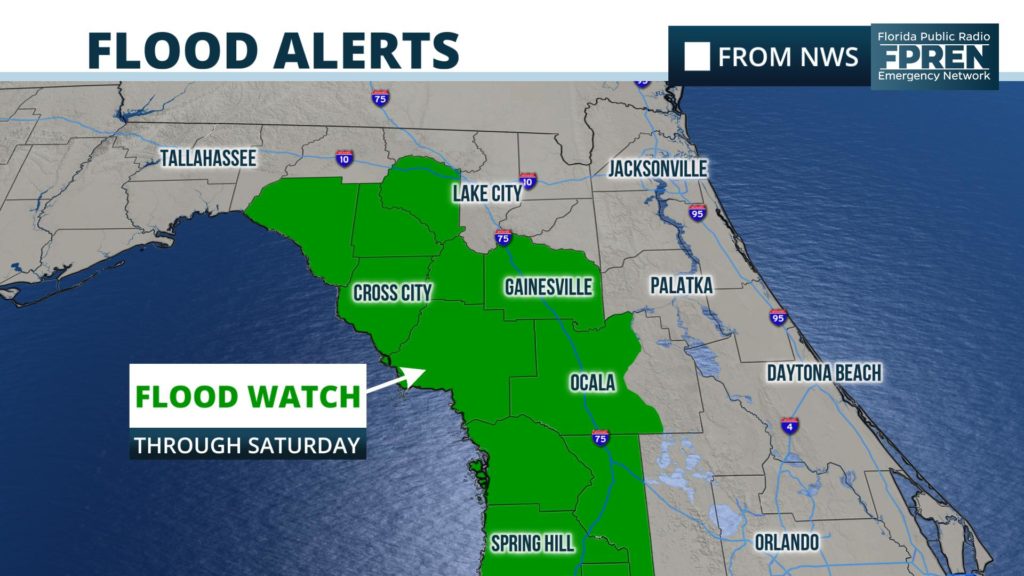
- Weather Apps and Alerts: Utilize reliable weather apps and sign up for local weather alerts once you’re in Florida. Apps like the National Weather Service or local news channels can provide real-time updates on rainfall, flood watches, and warnings.
- Airline and Hotel Policies: Before booking, familiarize yourself with the cancellation and rebooking policies of your chosen airline and accommodation providers. Many offer generous flexibility, especially if a named storm threatens your travel dates. Look for “book with confidence” or similar guarantees.
- Travel Advisories and News: Keep an eye on national and international travel advisories, and subscribe to major news outlets for updates on weather events that might impact your travel plans.
When preparing for your trip, consider packing essentials that can be useful in unexpected situations. Waterproof bags for electronics, quick-drying clothing, and even a compact first-aid kit can be valuable. If renting a car, ensure it has adequate clearance for potential puddles, though always avoid driving through standing water.
By proactively using these resources and integrating a degree of preparedness into your travel plans, you can navigate the dynamic environment of Florida with greater confidence. The state’s commitment to safety and recovery, combined with your informed choices, will ensure that your Florida vacation remains a source of joy and memorable experiences, regardless of what the weather might bring. The unparalleled natural beauty, vibrant culture, and world-class entertainment await, inviting you to discover why Florida continues to be a cherished destination for travelers worldwide.
LifeOutOfTheBox is a participant in the Amazon Services LLC Associates Program, an affiliate advertising program designed to provide a means for sites to earn advertising fees by advertising and linking to Amazon.com. Amazon, the Amazon logo, AmazonSupply, and the AmazonSupply logo are trademarks of Amazon.com, Inc. or its affiliates. As an Amazon Associate we earn affiliate commissions from qualifying purchases.