
Known as the Sunshine State, Florida is a vibrant mosaic of landscapes, cultures, and experiences, making it a perennial favorite for travelers worldwide. Beneath its famed beaches and theme parks, lies a rich botanical diversity, shaped by its unique climate and geographic position. Understanding Florida’s plant zones is not just for gardeners; it’s a key to unlocking a deeper appreciation for the state’s natural beauty, influencing everything from the lush resort landscaping to the local culinary scene and the very essence of its travel and lifestyle offerings. For anyone planning a trip, considering a long-term stay, or simply curious about the natural heart of this iconic destination, delving into its plant hardiness zones offers a fascinating perspective on what makes Florida truly special.
Understanding Florida’s Diverse Plant Zones
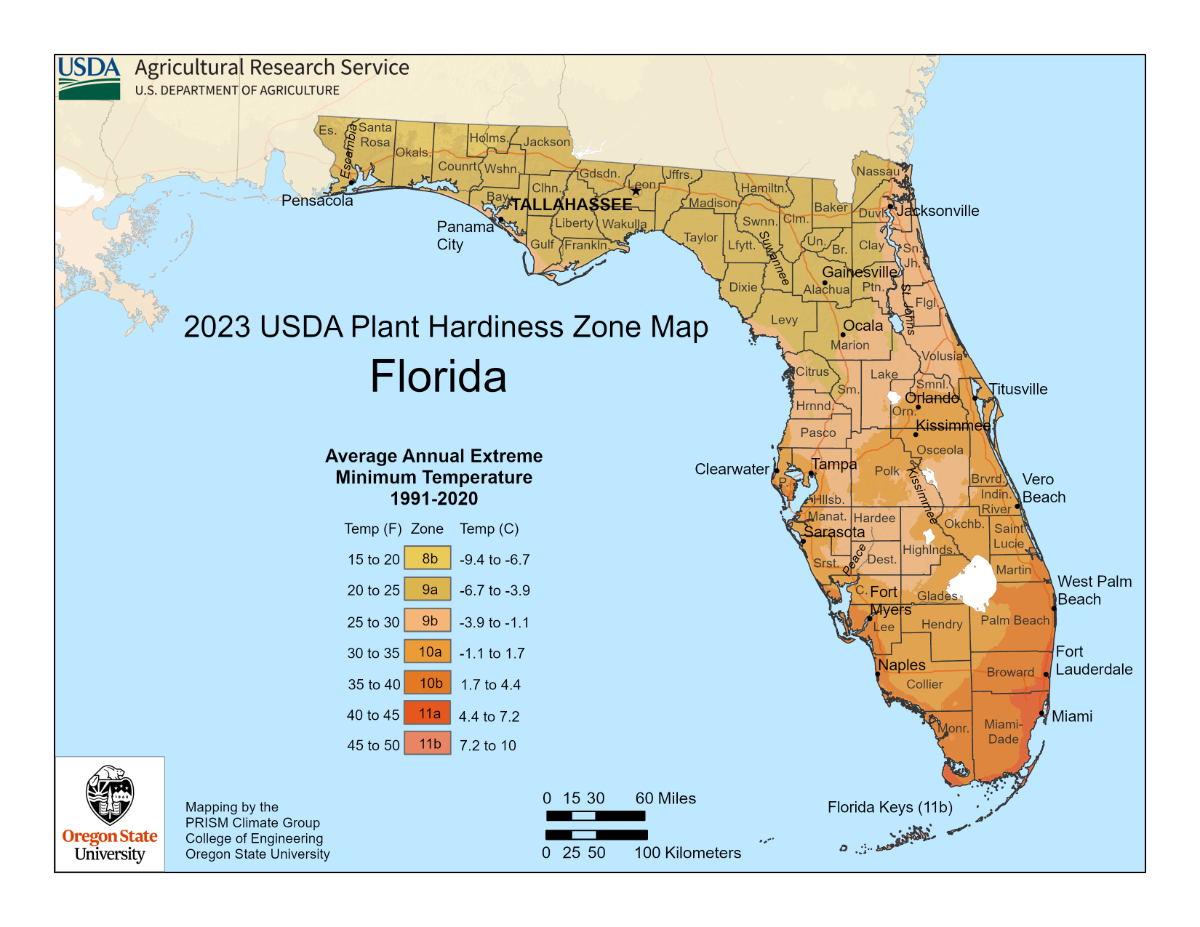
At its core, a plant zone refers to the USDA Plant Hardiness Zones map, a standardized system that divides North America into zones based on the average annual extreme minimum winter temperature. These zones help gardeners and horticulturists determine which plants are most likely to survive the winter in a given location. Florida, stretching over 450 miles from its northern border to its southernmost tip, exhibits an extraordinary range of these zones, reflecting its varied climate.
The USDA Plant Hardiness Zone System Explained
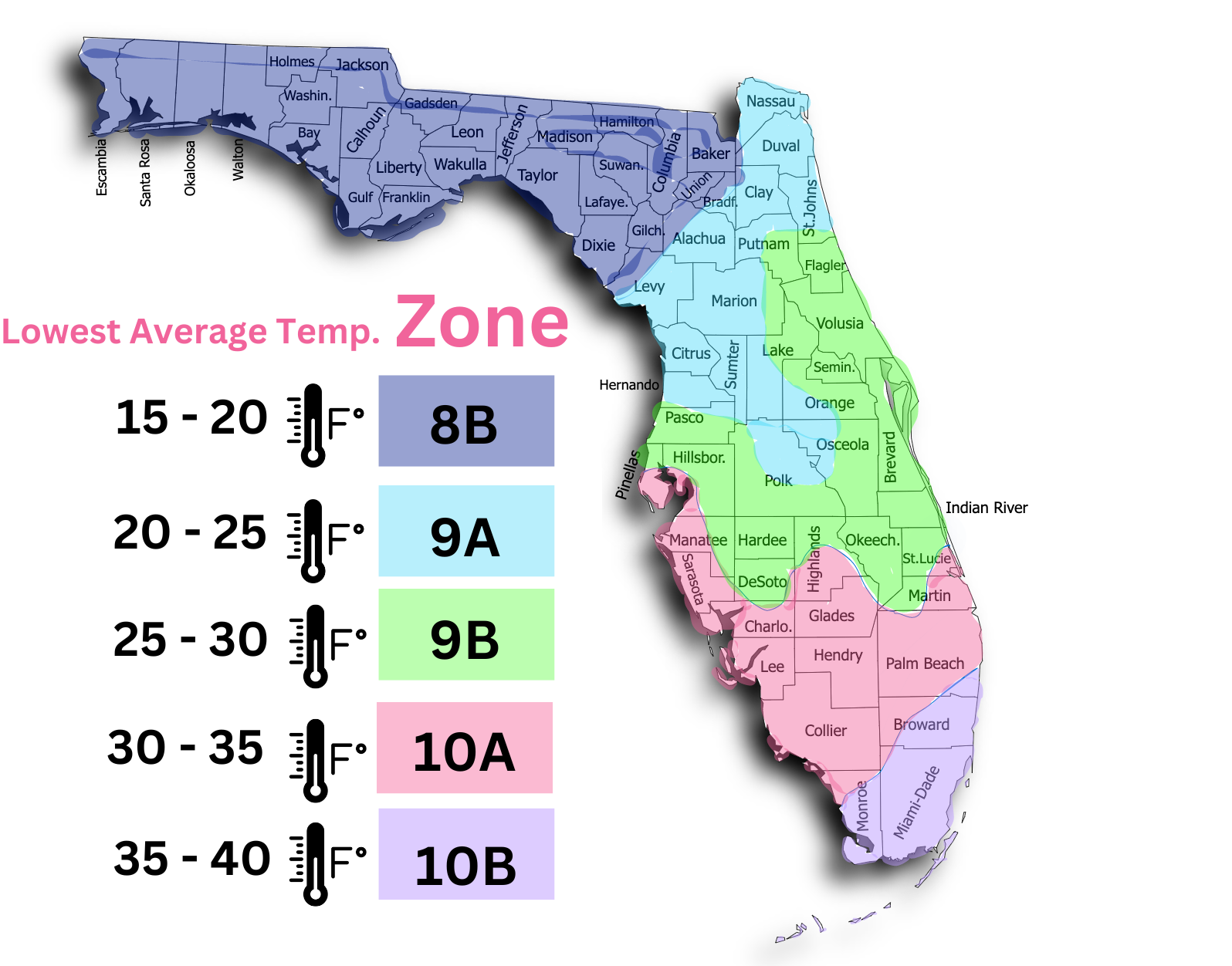
The USDA Plant Hardiness Zones are crucial for understanding which plants will thrive. Each zone represents a 10-degree Fahrenheit range, further divided into ‘a’ and ‘b’ subzones, which represent a 5-degree range. For instance, Zone 9a has an average annual extreme minimum temperature of 20 to 25 degrees Fahrenheit, while 9b ranges from 25 to 30 degrees Fahrenheit. This granular detail is vital when selecting plants for commercial landscaping, personal gardens, or simply appreciating the flora native to a specific region. In a state like Florida, where tropical, subtropical, and temperate climates meet, these zones dictate the very fabric of its natural and cultivated environments.
Florida’s Unique Climatic Spectrum
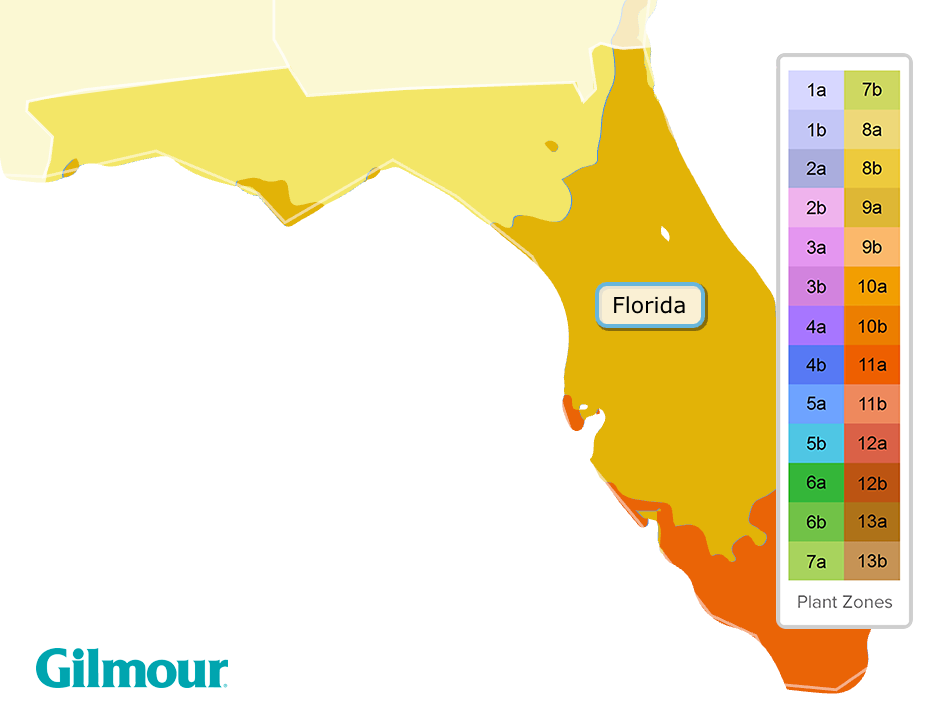
Florida’s elongated shape and proximity to both the Atlantic Ocean and the Gulf of Mexico contribute to its remarkable climatic diversity. The state encompasses zones ranging from 8a in the cooler Panhandle region all the way down to 11b in the southernmost Florida Keys.
- Zone 8a/8b (Northern Florida): This covers areas like Jacksonville and the Panhandle. Here, winters are cooler, and plants must withstand occasional frosts. You’ll find a mix of temperate species like dogwoods, azaleas, and certain oaks, alongside more cold-hardy palms.
- Zone 9a/9b (Central Florida): This vast region includes major tourist destinations such as Orlando and Tampa. While still experiencing occasional cold snaps, this zone allows for a much wider array of subtropical plants, including citrus groves (oranges, grapefruits), palms, hibiscus, and bougainvillea. It’s a transition zone where the truly tropical begins to emerge.
- Zone 10a/10b (South Florida): This zone dominates areas like Miami and Fort Lauderdale, and extends down to the northern Florida Keys. Here, frost is rare, allowing for lush, true tropical vegetation. This is where you’ll see vibrant orchids, bromeliads, banyan trees, and a plethora of exotic fruit trees flourishing outdoors year-round.
- Zone 11a/11b (The Florida Keys): The extreme southern tip, particularly Key West, boasts the warmest zone. It is virtually frost-free, creating an environment where even the most sensitive tropical plants thrive, mirroring conditions found in the Caribbean. This climate supports unique mangrove ecosystems and delicate tropical hardwoods that define the Keys’ distinctive natural appeal.
This progression of zones means that a traveler can experience drastically different botanical environments within a single state, moving from the pine forests of the north to the tropical hammocks of the south. This botanical gradient significantly shapes the tourist appeal, natural attractions, and lifestyle opportunities across different regions of Florida.
The Influence of Plant Zones on Florida Tourism and Travel
The rich tapestry of plant zones in Florida is not just an ecological fact; it’s a fundamental pillar of its tourism industry and a primary draw for millions of visitors annually. From world-renowned botanical gardens to sprawling agricultural landscapes, the flora dictates unique travel experiences.
Botanical Gardens and Nature Preserves: A Traveler’s Paradise
Florida’s diverse plant zones have given rise to an impressive collection of botanical gardens, arboretums, and nature preserves, each showcasing the unique plant life that thrives in its specific region. These verdant havens are not just for horticultural enthusiasts but offer serene escapes and educational experiences for all travelers.
In South Florida’s Zone 10/11, tropical splendor is on full display. The Fairchild Tropical Botanic Garden in Coral Gables, near Miami, is a prime example, boasting an unparalleled collection of palms, cycads, flowering trees, and vines from around the world. Its sheer biodiversity makes it a must-visit for anyone interested in exotic flora. Similarly, the Marie Selby Botanical Gardens in Sarasota, nestled in Zone 10a, is famed for its collection of orchids and bromeliads, many of which grow epiphytically on trees, creating a living work of art.
Moving into Central Florida‘s Zone 9, the landscape shifts. Bok Tower Gardens in Lake Wales is a national historic landmark renowned for its Olmsted-designed landscapes, magnificent Singing Tower, and a mix of native plants, camellias, and magnolias that thrive in this subtropical zone. Its serene beauty offers a stark contrast to the bustling theme parks just an hour away, providing a peaceful retreat into nature.
Beyond manicured gardens, Florida’s natural preserves, like the expansive Everglades National Park, offer immersive experiences into unique ecosystems shaped by the climate. The Everglades, largely within Zone 10, is a critical habitat for sawgrass prairies, cypress swamps, and mangrove forests, all of which are adapted to its particular hydrological and temperature conditions. Exploring this landmark by airboat, kayak, or on foot provides an unparalleled opportunity to witness Florida’s wild botanical heart.
Seasonal Blooms and Agricultural Experiences
The diversity in plant zones also dictates the seasonal spectacle of blooms and the type of agriculture that thrives in different parts of Florida. This, in turn, influences unique tourism opportunities.
In Central Florida’s Zone 9, the citrus industry has long been a defining feature. Vast groves of oranges, grapefruits, and tangerines flourish, offering fragrant blossoms in spring and abundant harvests in winter. Visitors can experience “U-pick” citrus farms, tour packing houses, or simply enjoy the fresh-squeezed juices that are a staple of the Florida diet. This agricultural tourism provides a taste of local culture and economy.
Further south, in the warmer Zone 10/11, the focus shifts to tropical fruits. Mangoes, avocados, lychees, and starfruit are cultivated, creating a vibrant market for exotic produce. Annual fruit festivals, particularly in South Florida, celebrate these harvests, drawing foodies and curious travelers eager to sample unique flavors. The visual feast of flowering trees like royal poinciana, with their fiery red blooms, and jacarandas, with their purple cascades, transforms cityscapes into living art during their peak seasons.
Even the humble wildflowers contribute to Florida’s charm. In northern and central regions, spring brings fields of lupines and coreopsis, perfect for scenic drives and photography. These seasonal displays, directly tied to the specific plant zones, offer dynamic reasons to visit Florida at different times of the year, showcasing an ever-changing natural landscape beyond the persistent sunshine.
Designing Your Florida Getaway Around Flora and Fauna
When planning a Florida vacation, incorporating the state’s botanical wealth can elevate a standard trip into an unforgettable journey. From choosing the perfect accommodation to exploring iconic natural landmarks, the local flora plays a significant role in shaping the experience.
Accommodation Choices: Hotels with Lush Landscapes
Hotels and resorts across Florida often leverage their respective plant zones to create stunning and immersive environments. Luxury resorts, in particular, understand the appeal of lush, well-maintained gardens, using them as key amenities that enhance the guest experience.
In tropical South Florida and the Florida Keys, properties frequently feature extensive landscaping with exotic palms, vibrant flowering shrubs, and water features adorned with aquatic plants. Imagine waking up to the sight of bougainvillea cascading over your balcony or dining amidst a garden filled with frangipani and hibiscus. Resorts in Miami Beach and Key West often boast incredible courtyards and pool areas designed to transport guests into an opulent, green oasis, capitalizing on the Zone 10/11 climate that allows such diverse tropical growth year-round. These accommodations are not just places to sleep; they are destinations in themselves, offering a sensory experience that is deeply connected to the local plant life.
Even in Central Florida’s theme park resorts, like those at Walt Disney World Resort or Universal Orlando Resort, landscaping is an art form. While operating within Zone 9b, designers cleverly use a mix of native and imported plants that can tolerate the occasional cooler temperatures, creating themed environments that range from African savannas to Polynesian islands. The attention to detail in their botanical displays adds significantly to the immersive storytelling, proving that even in highly commercialized areas, plants play a vital role in the overall aesthetic and guest satisfaction. For travelers seeking a true escape, opting for a hotel or villa that prioritizes its botanical setting can transform a simple stay into a tranquil, nature-infused retreat.
Experiencing Florida’s Natural Landmarks
Beyond curated gardens, Florida’s natural landmarks offer raw, untamed beauty dictated by their specific plant zones. These destinations provide opportunities for eco-tourism and a deeper connection with the state’s wilderness.
The famous Everglades National Park is a prime example. As a vast wetland within Zone 10, its unique flora includes towering cypress trees draped in Spanish moss, sawgrass marshes that stretch to the horizon, and dense mangrove forests along the coast. Exploring the Everglades allows visitors to witness an ecosystem where plants and animals have evolved in perfect harmony with the subtropical climate and hydrology. Similarly, Biscayne National Park, largely an aquatic park, features stunning coral reefs and mangrove shorelines, both vital ecosystems dependent on the warm, frost-free waters and coastal zones.
In contrast, northern Florida offers different natural landmarks. State parks in Zone 8, like those near the Ocala National Forest, showcase a different kind of beauty: ancient sand pines, longleaf pines, and hardwood hammocks. These areas are ideal for hiking, camping, and experiencing Florida’s more temperate, yet equally captivating, natural side. From the crystalline springs surrounded by temperate flora to the wild, untouched beaches backed by maritime forests, each region’s plant zone defines its distinct natural landmarks and the activities they support.
Lifestyle and Living: Embracing Florida’s Green Side
The abundance and variety of plant life in Florida, directly influenced by its diverse plant zones, significantly shape the local lifestyle. This connection extends beyond aesthetics, impacting outdoor activities, culinary traditions, and the overall quality of life for residents and long-term visitors.
Outdoor Activities and Eco-Tourism
Florida’s plant zones are the foundation for its thriving outdoor and eco-tourism industries. The ability to grow such a wide array of plants year-round encourages an outdoor-centric lifestyle. Hiking, biking, kayaking, and birdwatching are popular activities that bring people into close contact with the state’s natural vegetation.
In the southern zones, the warm, frost-free climate supports dense tropical growth, making areas like the Florida Keys perfect for exploring unique mangrove tunnels via kayak or paddleboard. These intricate ecosystems, composed of salt-tolerant red, black, and white mangroves, are critical habitats and a fascinating experience for eco-tourists. Big Cypress National Preserve, adjacent to the Everglades in Zone 10, offers opportunities for swamp walks among cypress trees, revealing a truly wild side of Florida that is entirely dependent on its unique hydrological and botanical makeup.
Further north, in zones 8 and 9, the emphasis shifts to pine forests, natural springs, and more temperate river systems. These areas are perfect for traditional hiking, exploring historical sites like those in St. Augustine amidst ancient live oaks draped in moss, or enjoying recreational activities around the clear waters of springs surrounded by native wetland plants. The ease of access to natural environments encourages a lifestyle where outdoor recreation is a daily possibility, from a morning run through a palm-lined park to an afternoon spent kayaking through a cypress forest.
Culinary Delights Rooted in Local Growth
The distinct plant zones also directly influence Florida’s culinary landscape. Local produce, shaped by what can grow abundantly in specific zones, forms the basis of regional dishes and fresh dining experiences.
In Central Florida (Zone 9), the citrus industry reigns supreme. This means fresh orange juice is a ubiquitous offering, and citrus flavors are infused into everything from marinades to desserts. Farm-to-table restaurants in areas like Orlando and Tampa often highlight produce from nearby farms, featuring seasonal vegetables and fruits that thrive in the subtropical climate.
Moving south to zones 10 and 11, the tropical bounty takes over. South Florida’s cuisine is heavily influenced by the availability of exotic fruits like mangoes, papayas, starfruit, and passion fruit. These are not only enjoyed fresh but are also incorporated into vibrant salsas, refreshing smoothies, and unique desserts. The state’s large Hispanic and Caribbean populations have also skillfully integrated these tropical ingredients into their traditional cuisines, creating a fusion that is distinctly Floridian. Seafood, a staple throughout the state, is often paired with these local plant-based ingredients, creating light, fresh, and flavorful dishes that reflect the tropical climate. Farmers’ markets, especially in the warmer zones, are bursting with colors and flavors, offering visitors and residents alike the chance to experience the true taste of Florida, directly from its fertile soil.
Planning Your Visit: Tips for Horticultural Enthusiasts
For those specifically interested in Florida’s plant life, a little planning can go a long way in maximizing your experience. Whether you’re a seasoned gardener, a budding botanist, or simply someone who appreciates natural beauty, Florida offers a wealth of opportunities.
First, consider the best time to visit. While Florida is a year-round destination, different seasons highlight different aspects of its flora. Spring (March-May) is fantastic for flowering trees and shrubs, particularly in central and northern regions, and many botanical gardens are at their peak. Fall (September-November) offers pleasant temperatures for exploring preserves and parks, with cooler weather making outdoor activities more comfortable. Winter (December-February) in South Florida is ideal for experiencing lush tropical growth without the intense summer heat, while also being citrus harvest season in the central parts of the state.
Next, plan your itinerary around specific botanical attractions. If tropical plants are your passion, focus on Miami, Naples, or the Florida Keys, ensuring visits to places like Fairchild Tropical Botanic Garden or the Key West Botanical Garden. For a blend of temperate and subtropical, Central Florida offers Bok Tower Gardens and numerous state parks. If you’re interested in native ecosystems, the Everglades National Park and Big Cypress National Preserve are indispensable.
Look for local events and festivals. Many communities host plant sales, garden tours, and agricultural festivals that celebrate their unique flora. These events provide not only beautiful displays but also opportunities to learn from local experts and even purchase unique plants to bring a piece of Florida home (be sure to check agricultural restrictions if traveling internationally).
Finally, embrace the local lifestyle. Seek out farmers’ markets for fresh produce, dine at restaurants that feature locally sourced ingredients, and choose accommodations that integrate the natural landscape into their design. Many hotels, especially boutique and luxury resorts, offer guided garden tours or have resident horticulturalists who can share insights into their beautiful grounds. By doing so, you won’t just visit Florida; you’ll truly experience its vibrant, living heart.
In conclusion, Florida’s identity is inextricably linked to its diverse plant zones. From the northern pines to the southern palms and mangroves, these zones dictate the natural beauty, influence tourism, shape local lifestyles, and offer a rich tapestry of experiences for every visitor. Understanding this botanical framework enriches any journey through the Sunshine State, revealing layers of complexity and beauty often overlooked amidst its more famous attractions.
LifeOutOfTheBox is a participant in the Amazon Services LLC Associates Program, an affiliate advertising program designed to provide a means for sites to earn advertising fees by advertising and linking to Amazon.com. Amazon, the Amazon logo, AmazonSupply, and the AmazonSupply logo are trademarks of Amazon.com, Inc. or its affiliates. As an Amazon Associate we earn affiliate commissions from qualifying purchases.