
Welcome to Florida, the Sunshine State, a land synonymous with dazzling beaches, thrilling theme parks, and vibrant cultural experiences. For many travelers, the allure of Florida lies in its consistently warm weather, offering a year-round escape from colder climates. However, delving deeper into what makes Florida truly unique reveals a fascinating interplay of climate, geography, and diverse ecosystems. This is where the concept of “planting zones” becomes surprisingly relevant, not just for avid gardeners, but for any discerning traveler or potential long-term resident keen on understanding the state’s natural beauty, local cuisine, and the very rhythm of life here.
While planting zones might initially sound like a niche topic for horticulturalists, they are, in essence, a direct reflection of a region’s climate. For visitors planning their next adventure, these zones offer invaluable insights into what to expect in terms of flora, agricultural offerings, and even the best times to visit different parts of this expansive peninsula. From the cooler, temperate climes of the Florida Panhandle to the true tropics of the Florida Keys, the state encompasses a remarkable range of hardiness zones, each influencing everything from the landscape you admire to the fruits you savor. Understanding these zones enriches your travel experience, allowing you to appreciate the specific charm and natural wonders unique to each Florida destination.
Decoding Florida’s Climate: A Traveler’s Guide to USDA Planting Zones
Before embarking on a journey across Florida’s varied landscapes, understanding the foundational concept of planting zones can significantly enhance your appreciation for the state’s natural offerings. These zones, while primarily a tool for gardeners, are a powerful indicator of climate, which is paramount for any travel planning.
Understanding the USDA Plant Hardiness Zone System
The USDA Plant Hardiness Zone Map is the standard by which gardeners and growers determine which plants are most likely to thrive at a specific location. This system divides North America into 13 zones, based on the average annual extreme minimum winter temperature. Each zone is further divided into ‘a’ and ‘b’ subzones, representing a 5°F difference. For travelers, this translates directly into understanding the typical winter conditions of a destination. A higher zone number indicates a warmer climate with less severe winters, supporting a wider range of temperature-sensitive plants. This directly impacts the scenery you’ll encounter, from the types of trees lining the streets to the flowers adorning local gardens, and even the natural habitats for wildlife. Knowing these zones helps you visualize the seasonal transitions and the kind of outdoor activities possible during your visit.
Florida’s Unique Position on the Map
Florida’s geographical position is truly unique. Extending further south than any other continental US state, it is almost entirely surrounded by water – the Atlantic Ocean to the east and the Gulf of Mexico to the west. This peninsular shape, combined with its subtropical to tropical latitude, significantly moderates its climate, resulting in milder winters and longer growing seasons compared to inland areas at similar latitudes. The state’s diverse climate zones are a testament to this unique geography, offering a fascinating transition from temperate influences in the north to distinctly tropical conditions in the south. This means that within a relatively short drive, you can experience vastly different natural environments, agricultural outputs, and local lifestyles, making Florida a dynamic destination for explorers seeking variety.
Florida’s Spectrum of Zones: From Panhandle to Tropics
Florida’s remarkable length, stretching over 400 miles from north to south, creates a dramatic climatic gradient. This translates into a fascinating array of USDA Plant Hardiness Zones, each dictating the kind of natural beauty, agricultural products, and even lifestyle you’ll encounter.
Zone 8b: The Cooler Northern Frontier
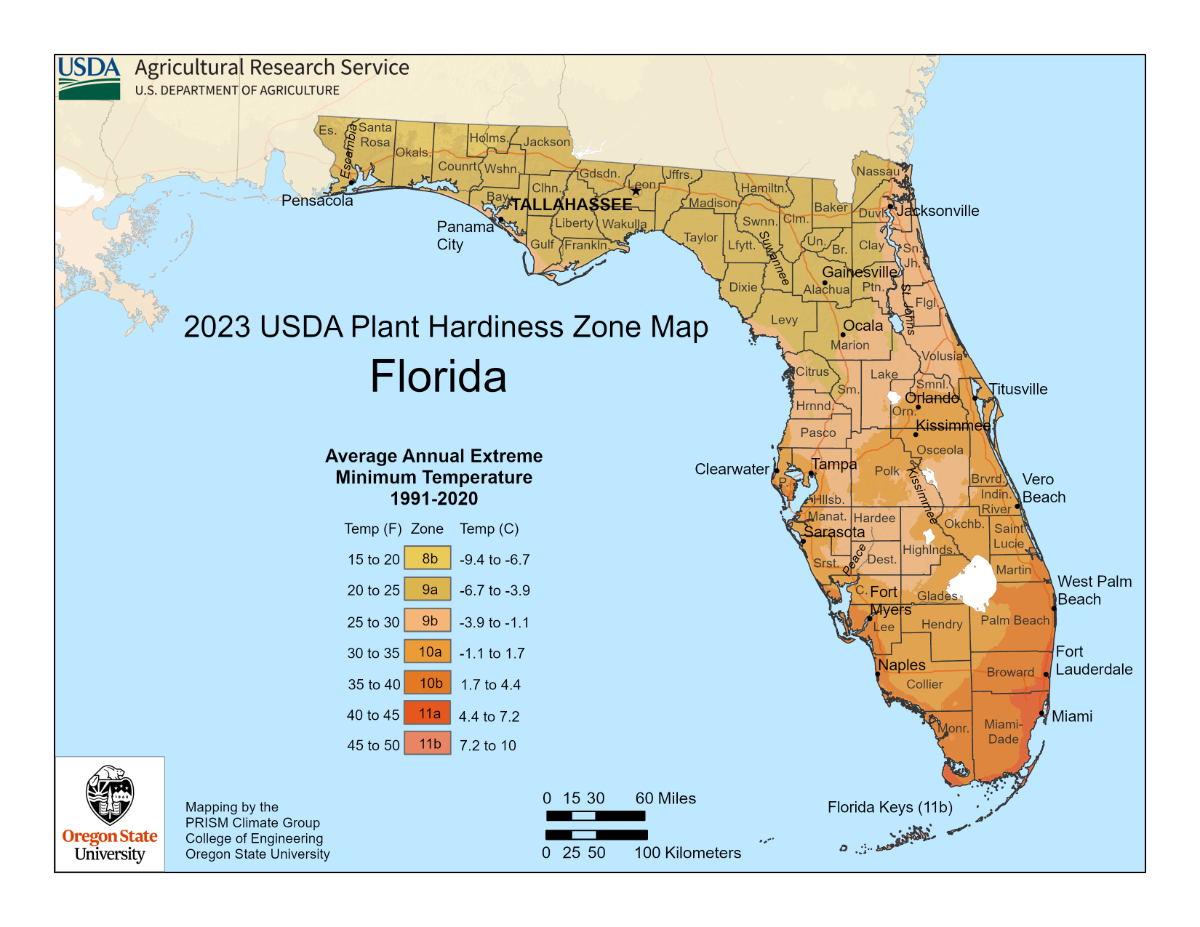
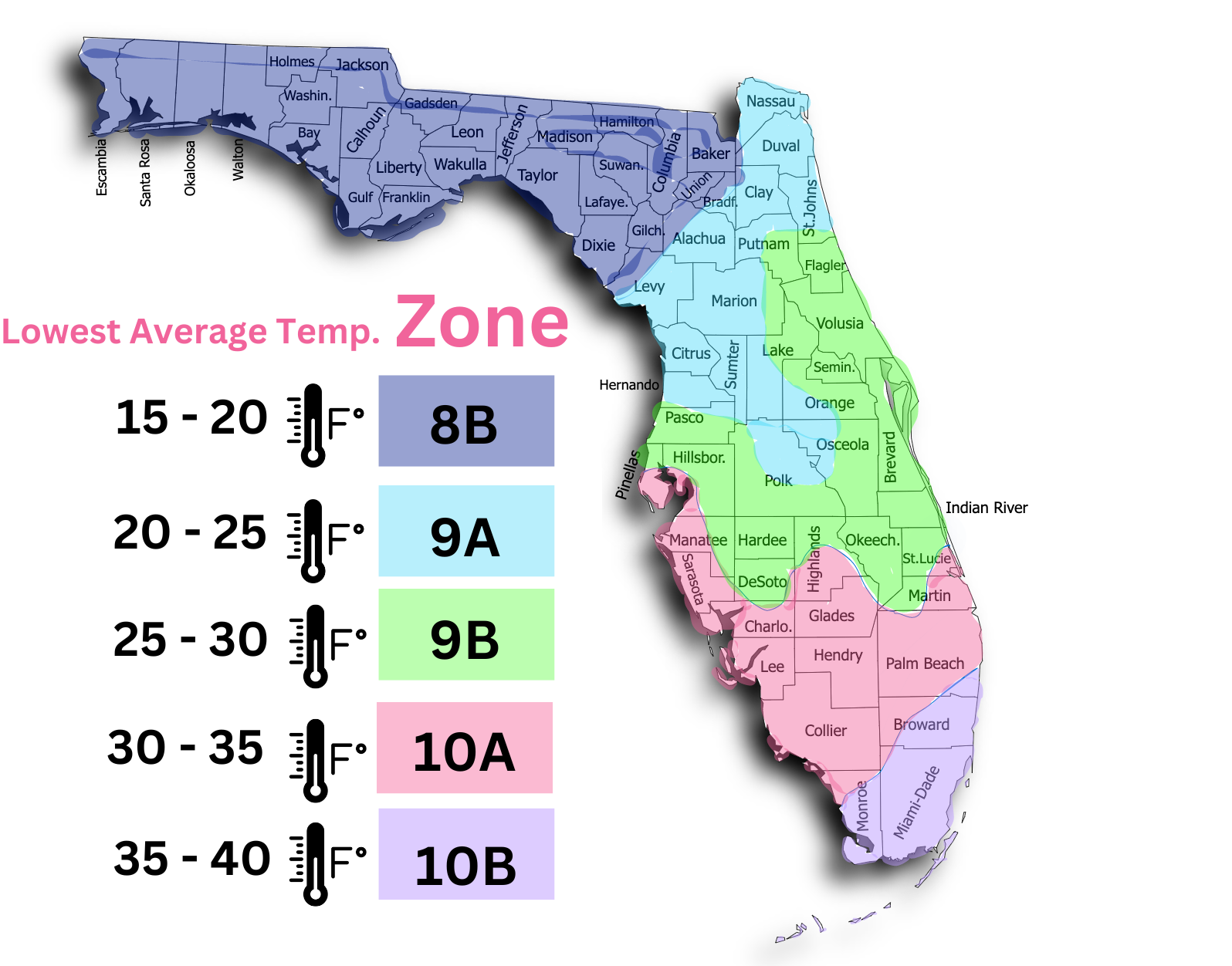
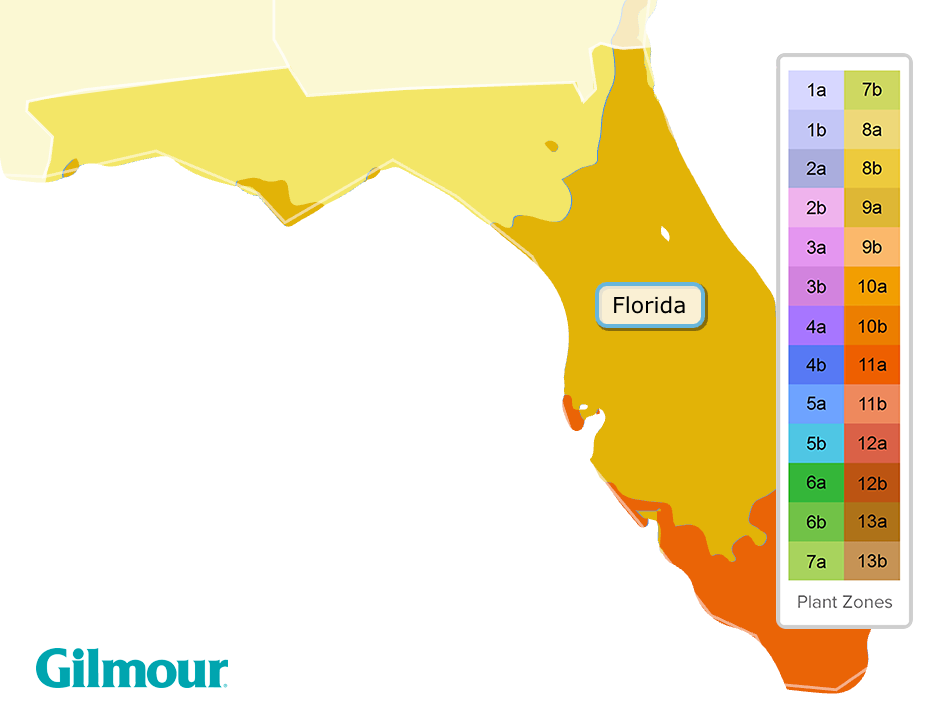
The northernmost reaches of Florida, encompassing cities like Pensacola and Tallahassee in the Florida Panhandle, fall predominantly into Zone 8b. This region experiences more distinct seasonal changes compared to the rest of the state, with cooler winters that can see occasional frosts and even brief freezes. While not as cold as states further north, these temperatures are enough to limit the growth of truly tropical plants. Instead, you’ll find a landscape more reminiscent of the Deep South, characterized by majestic live oaks draped in Spanish moss, longleaf pine forests, and deciduous trees that shed their leaves in winter.
For travelers, this means a different kind of natural beauty. The autumn months here can bring a touch of fall foliage, a rare sight in most of Florida. Local agriculture thrives on crops like pecans, blueberries, and certain varieties of peaches. Exploring state parks and natural springs in this region, such as those along the St. Johns River basin, offers a tranquil escape with ample opportunities for hiking, kayaking, and wildlife viewing. Accommodation options range from charming historic inns in downtown Tallahassee to beachfront resorts in Pensacola, catering to those who appreciate a blend of history, nature, and coastal relaxation.
Zone 9a and 9b: The Central Florida Sweet Spot
Moving south into Central Florida, we enter Zones 9a and 9b, encompassing major metropolitan areas like Orlando, Tampa, Jacksonville, and the historic city of St. Augustine. This is a transition zone, where subtropical influences become more pronounced, but occasional winter cold snaps are still possible. This climate is ideal for the state’s iconic citrus industry, with vast groves of oranges and grapefruits flourishing in the sandy soils.
For tourists, this is the heart of Florida’s world-renowned attractions. The mild winters and warm, humid summers are perfect for visiting theme parks like Walt Disney World Resort and Universal Orlando Resort. Beyond the thrills, the region boasts beautiful botanical gardens showcasing both temperate and subtropical flora, and the warm waters of the Gulf Coast and Atlantic offer year-round beach enjoyment. St. Augustine, with its ancient oak trees and vibrant coquina stone architecture, offers a glimpse into Florida’s colonial past, blending seamlessly with subtropical greenery. Accommodation here is incredibly diverse, from expansive family resorts in Orlando to luxurious beachfront hotels in Tampa and charming boutique stays in St. Augustine.
Zone 10a and 10b: Subtropical Splendor
Further south, cities like Miami, Fort Lauderdale, and Naples fall into Zones 10a and 10b. Here, the climate truly embraces its subtropical identity, characterized by very mild winters with rare frosts and long, hot, humid summers. This is where you’ll find an explosion of lush, vibrant greenery and an impressive array of tropical plants that simply cannot survive further north.
The landscape is dominated by swaying palm trees, vibrant bougainvillea, and exotic fruit trees like mangoes, avocados, and papayas. The natural environment is exceptionally rich, leading to the proximity of magnificent natural landmarks like Everglades National Park, a critical habitat for unique wildlife, and stunning botanical havens like the Fairchild Tropical Botanic Garden in Coral Gables near Miami. For visitors, this translates into a perpetually warm, often humid, environment perfect for beach activities, water sports, and exploring vibrant urban centers. The culinary scene in South Florida is heavily influenced by its tropical bounty, offering a fusion of Caribbean, Latin American, and local flavors. Miami is a hub for luxury travel, with world-class hotels and resorts offering unparalleled amenities and experiences.
Zone 11a: The True Tropics of the Keys
The pinnacle of Florida’s warmth is found in the Florida Keys, particularly in destinations like Key West, which are designated as Zone 11a. This is the only true tropical climate in the continental United States, meaning winter frosts are virtually non-existent. The temperatures rarely dip below 50°F, and the growing season is year-round.
This extreme warmth supports an incredibly unique ecosystem, distinct from the rest of the state. You’ll find flora adapted to marine environments and constant warmth, including unique palm varieties, Key lime trees, and extensive mangrove forests. The clear, warm waters surrounding the Keys are home to the only living coral barrier reef in the continental U.S., making it a world-class destination for snorkeling, diving, and fishing. Landmarks like Dry Tortugas National Park and parts of Biscayne National Park showcase this fragile beauty. For travelers seeking an authentic tropical escape without leaving the country, the Florida Keys offer a vibrant, laid-back lifestyle, with charming boutique hotels and guesthouses providing unique accommodation experiences.
Beyond the Garden: Florida’s Flora, Food, and Unforgettable Travel Experiences
Understanding Florida’s planting zones goes far beyond just knowing what flowers thrive; it’s a key to unlocking the state’s diverse culinary landscape, its natural wonders, and planning the ultimate vacation itinerary.
Agritourism and Culinary Delights: Tastes of Florida
The varying planting zones directly influence the agricultural backbone of Florida, shaping its farm-to-table scene and local food culture. In the cooler northern zones, expect to find seasonal produce like juicy blueberries, sweet corn, and crisp pecans. As you venture into Central Florida, the iconic citrus groves become prominent, offering an abundance of oranges, grapefruits, and tangerines – quintessential Florida flavors. Many farms offer tours and U-pick experiences, turning a simple meal into an engaging agritourism adventure.
Moving further south into the subtropical and tropical zones, the culinary landscape shifts dramatically. Here, exotic fruits like luscious mangoes, creamy avocados, and pungent lychees thrive, along with robust crops of tomatoes and sweet potatoes. The Florida Keys are, of course, famous for their tiny, tart Key limes, essential for the renowned Key lime pie. Beyond produce, Florida’s extensive coastline ensures an endless supply of fresh seafood, from Gulf shrimp to Florida snapper, complementing the regional agricultural offerings. Exploring local farmers’ markets and indulging in farm-to-table dining experiences are fantastic ways to immerse yourself in the authentic tastes influenced by each zone.
Natural Wonders and Botanical Havens
Florida’s diverse planting zones are the foundation for its rich and varied natural landscapes, offering a treasure trove of landmarks and experiences for nature lovers. The northern zones, with their more temperate climate, support expansive pine forests, unique sandhills, and vast freshwater springs, such as those feeding the St. Johns River, perfect for kayaking and wildlife spotting.
Central Florida boasts large tracts of cypress swamps and the iconic Lake Okeechobee, supporting a rich array of birdlife. The Kennedy Space Center Visitor Complex is not only a hub of human ingenuity but also borders pristine wildlife refuges. In the subtropical south, the landscapes become distinctly tropical, characterized by mangrove forests, vast wetlands like Everglades National Park, and impressive botanical gardens like Fairchild Tropical Botanic Garden. These zones support a dazzling array of orchids, bromeliads, and other exotic flora. The Florida Keys, with their tropical zone, are renowned for their delicate coral reefs, vibrant marine life, and unique hammocks (small patches of tropical hardwood forest). Each zone offers distinct opportunities for ecotourism, from airboat rides in the Everglades to snorkeling in the Keys or exploring historic parks in St. Augustine.
Seasonal Considerations for Your Florida Vacation
The concept of planting zones, intrinsically linked to climate, is vital for planning the optimal Florida vacation.
- Winter (December – February): This is peak season for South Florida and the Florida Keys (Zones 10-11), offering warm, dry, and pleasant weather perfect for beach holidays, outdoor dining, and exploring vibrant cities like Miami. While northern Florida (Zone 8b) can be chilly, it’s ideal for hiking or enjoying historic sites without the summer heat.
- Spring (March – May): Generally considered the sweet spot statewide, with comfortable temperatures and lower humidity. It’s a great time for visiting theme parks in Central Florida (Zone 9) and enjoying blooming gardens across the state.
- Summer (June – August): Hot and humid across the entire state, with daily afternoon thunderstorms being common, especially in the subtropical south. This is prime time for water-based activities and enjoying resorts with excellent pools and amenities. Budget travelers might find better deals on accommodation.
- Fall (September – November): This season brings a risk of hurricanes, particularly from August to October. However, late fall often sees a return to pleasant, less humid weather, especially in northern and Central Florida, making it an excellent time for cultural tours and outdoor adventures before the winter crowds arrive in the south.
Understanding these seasonal nuances, informed by the climate zones, allows you to tailor your trip to your preferences, whether you seek sun-drenched beaches, cool nature hikes, or bustling city experiences.
Lifestyle and Long-Term Stays: Embracing Florida’s Climate
Beyond transient tourism, Florida’s diverse planting zones play a significant role in its lifestyle appeal, drawing in those seeking long-term stays, relocation, or a second home. The climate, as defined by these zones, underpins the very essence of living in the Sunshine State.
Retirement and Relocation Appeal
Florida’s mild to tropical climate is a primary magnet for retirees and individuals looking for a lifestyle centered around outdoor living. The ability to garden year-round, or nearly so, in many parts of the state is a significant draw. In South Florida and the Florida Keys (Zones 10-11), the almost constant warmth allows for endless outdoor activities, from golf and tennis to boating and fishing, without the interruption of harsh winters. This enables a very active lifestyle, often associated with health and well-being.
Even in the cooler northern zones (8b-9a), the winters are considerably milder than much of the rest of the country, providing a pleasant environment for “snowbirds” and full-time residents alike. The lifestyle here is often more relaxed, with a focus on community, nature, and the charm of historic towns. Whether seeking luxury travel experiences or a budget-friendly long-term stay, Florida’s varied climates offer something for every preference, allowing residents to cultivate their own tropical oasis or enjoy traditional gardening, all while benefiting from the state’s vibrant tourism infrastructure and accommodation options.
Sustainable Travel and Local Engagement
For visitors and residents alike, recognizing the distinct planting zones fosters a deeper connection to Florida’s environment and encourages sustainable travel practices. By understanding what grows naturally in each region, travelers can make more informed choices about supporting local agriculture, opting for seasonal and regionally sourced food. This not only enhances the culinary experience but also reduces the environmental footprint associated with importing produce from distant locales.
Furthermore, an appreciation for the native flora and the ecosystems they support promotes responsible tourism. This means respecting natural habitats in places like Everglades National Park or the coral reefs of the Florida Keys, supporting conservation efforts, and engaging with local communities that depend on these unique environments. From booking eco-friendly accommodation to participating in guided nature tours that educate about local biodiversity, understanding the planting zones empowers travelers to be more conscious participants in Florida’s vibrant natural and cultural tapestry.
Conclusion
Florida’s identity as the Sunshine State is deeply intertwined with its diverse climate, perfectly encapsulated by its array of USDA Plant Hardiness Zones. Far from being a mere gardening detail, these zones offer a comprehensive lens through which to appreciate the state’s natural beauty, understand its agricultural bounty, and plan an unforgettable travel experience. From the temperate forests of the Florida Panhandle to the true tropical paradise of the Florida Keys, each region offers a unique blend of flora, fauna, and local culture.
Whether you’re planning a thrilling adventure to Orlando’s theme parks, a luxurious beach escape to Miami, or a tranquil retreat into Everglades National Park, understanding Florida’s planting zones enriches your journey. It allows you to anticipate the seasonal delights, savor the locally grown flavors, and engage with the environment in a more meaningful way. So, as you prepare for your next trip to Florida, remember that the vibrant landscapes and diverse experiences you encounter are all a beautiful testament to its unique and varied climate.
LifeOutOfTheBox is a participant in the Amazon Services LLC Associates Program, an affiliate advertising program designed to provide a means for sites to earn advertising fees by advertising and linking to Amazon.com. Amazon, the Amazon logo, AmazonSupply, and the AmazonSupply logo are trademarks of Amazon.com, Inc. or its affiliates. As an Amazon Associate we earn affiliate commissions from qualifying purchases.