
Planning a vibrant escape to the Sunshine State often involves envisioning relaxing days on pristine beaches, thrilling adventures at world-class theme parks, and lively evenings enjoying the local culture. For many travelers, understanding the nuances of local regulations, especially concerning alcohol sales, is a key part of seamless vacation planning. While Florida is renowned for its welcoming atmosphere and diverse attractions, the rules governing when and where you can purchase alcoholic beverages can vary significantly from one locale to another. Navigating these regulations is essential for anyone looking to responsibly enjoy a refreshing drink, whether you’re stocking up for a private villa stay, enjoying a meal out, or unwinding at a resort bar. This comprehensive guide will delve into the complexities of Florida’s liquor laws, offering clarity for visitors and ensuring your experience in the United States‘s southernmost state is as smooth and enjoyable as possible.

From the bustling nightlife of Miami to the laid-back charm of Key West, and the family-friendly resorts of Orlando, knowing the specific hours for alcohol sales can impact your itinerary and overall travel experience. Our aim is to provide a clear roadmap through these regulations, focusing on both statewide mandates and the crucial local exceptions that define Florida’s unique approach to liquor control.
Understanding Florida’s Statewide Liquor Laws
At its core, Florida operates under a system where statewide laws set a baseline for alcohol sales, but individual counties and municipalities retain significant authority to enact stricter, or sometimes more lenient, ordinances. This dual regulatory framework is common across the United States and is vital for visitors to grasp.
General Purchase Hours: On-Premise vs. Package Sales (Monday-Saturday)
The statewide general rule in Florida dictates that alcohol can be sold and purchased between 7:00 AM and 12:00 AM (midnight), Monday through Saturday. However, this is where the local variations begin to heavily influence the actual experience.
It’s crucial to distinguish between “on-premise” and “package” sales:
- On-Premise Sales: This refers to alcohol consumed at the location where it’s purchased, such as bars, restaurants, hotel lounges, and nightclubs. For these establishments, many counties and cities in Florida have extended the statewide midnight cut-off, often allowing sales until 2:00 AM, and in some bustling entertainment districts, even later. This means you can typically enjoy a drink with your dinner or late into the night at a bar without worrying about a premature last call imposed by state law.
- Package Sales: This refers to alcohol sold in sealed containers for consumption off the premises, bought from liquor stores, grocery stores, or convenience stores. The statewide default for package sales generally aligns with the 7:00 AM to 12:00 AM (midnight) window. While some local ordinances may extend on-premise hours, package sales tend to adhere more closely to the statewide midnight closing, though exceptions exist. For instance, you might find a liquor store open until 1 AM in some areas, but this is less common than extended bar hours.
The general principle for Monday through Saturday is quite accommodating for travelers. Whether you’re planning a beach picnic and need to grab a bottle of wine or looking forward to a night out on the town, the hours are typically broad enough to suit most needs. The key takeaway here is that while 7:00 AM to midnight is a common baseline, many popular tourist destinations in Florida will offer extended hours, particularly for on-premise consumption.
The Sunday Exception: Navigating Blue Laws
Historically, many states in the United States observed “Blue Laws,” which restricted or prohibited certain activities, including alcohol sales, on Sundays. While many of these laws have been repealed or relaxed, the legacy of Sunday restrictions still influences alcohol sales in Florida.
The statewide default for Sunday alcohol sales often begins later than on weekdays. Traditionally, the sale of alcohol on Sundays would commence at 1:00 PM. This later start time was intended to respect traditional Sunday observances. However, reflecting modern trends and the needs of a thriving tourism industry, many counties and cities across Florida have actively worked to amend these “Blue Laws.”
Today, it’s increasingly common to find local ordinances that permit alcohol sales to begin earlier on Sundays, often aligning with weekday start times of 7:00 AM or 11:00 AM. This applies to both on-premise consumption and package sales. For example, in many popular tourist hubs, you can now purchase a mimosa with your Sunday brunch or pick up a six-pack from a grocery store bright and early.
Examples of common Sunday scenarios:
- Early Sunday Sales (e.g., 7 AM or 11 AM): Prevalent in major metropolitan areas and tourist destinations like Miami-Dade County, Orange County (home to Orlando‘s theme parks), and Key West. These areas recognize the economic importance of allowing visitors and residents to enjoy alcoholic beverages throughout the day, including Sunday brunches and early afternoon gatherings.
- Later Sunday Sales (e.g., 1 PM): Still found in some more conservative or less tourism-dependent counties. While less common in the most visited parts of the state, it’s always wise to be aware that this traditional restriction might still apply in specific, less urbanized regions.
The key takeaway for Sundays is that while a later start time was once the norm statewide, most areas you’re likely to visit in Florida have adopted more flexible rules. However, it’s the specific local ordinance that holds sway, making local research highly advisable.
Local Nuances: County and City Ordinances
The true complexity and charm of Florida’s liquor laws lie in the power granted to local jurisdictions. Each of Florida’s 67 counties, and their numerous municipalities, can enact specific regulations that supersede or modify the statewide default. This creates a patchwork of rules that, while potentially confusing, also cater to the unique character and demands of each community.
Notable City Variations: Miami, Orlando, Key West, and Beyond
Understanding these local variations is paramount for travelers. Here’s a look at how some of Florida’s most popular destinations approach alcohol sales:
-
Miami: The City That Never Sleeps (Almost)
Miami and particularly its iconic South Beach district, is famous for its vibrant nightlife. Reflecting this culture, Miami-Dade County generally permits on-premise alcohol sales until 5:00 AM in many areas, seven days a week. This extended hour allows for a truly late-night experience, catering to the city’s international appeal and party scene. Package sales in Miami usually adhere to earlier hours, typically ending around midnight or 2:00 AM, depending on the specific store and location. Sunday sales in Miami often start at 7:00 AM, aligning with weekday schedules. -
Orlando: Home of Theme Parks and Hospitality
As a global hub for tourism, Orlando and Orange County have adopted policies that support its hospitality industry. On-premise sales in many parts of Orlando typically run until 2:00 AM, seven days a week. This includes bars within resorts like Walt Disney World Resort and Universal Orlando Resort, and along popular entertainment corridors like International Drive. Package sales from grocery stores and liquor stores usually end around midnight or 2:00 AM. Sunday sales also commonly begin early, often at 7:00 AM, ensuring that visitors can enjoy their vacation without undue restrictions. -
Key West: The Southernmost Party
The laid-back, festive atmosphere of Key West is legendary. Mirroring Miami’s approach, on-premise sales in Key West often extend well into the early morning, frequently until 4:00 AM or even later in some establishments, seven days a week. The vibrant Duval Street epitomizes this, with many bars and eateries catering to late-night revelers. Package sales typically align with a midnight or 2:00 AM cutoff. Key West also usually allows for early Sunday sales, making it easy to grab a Bloody Mary or beer for a boat trip. The local government understands that alcohol sales are integral to the island’s tourism economy and unique lifestyle. -
Tampa and St. Petersburg: Gulf Coast Gems
On Florida’s Gulf Coast, cities like Tampa and St. Petersburg offer a blend of urban sophistication and relaxed beach vibes. Hillsborough County (where Tampa is located) and Pinellas County (St. Petersburg and Clearwater Beach) generally permit on-premise sales until 3:00 AM on weekdays and weekends, and often until the same time for package sales at liquor stores. Sunday sales in these areas commonly start at 11:00 AM or even 7:00 AM, providing ample time for enjoyment. Ybor City in Tampa, known for its historic nightlife, often sees these extended hours in full effect. -
Fort Lauderdale and Jacksonville: East Coast Hubs
Broward County, home to Fort Lauderdale, typically allows on-premise sales until 2:00 AM or 3:00 AM, with some exceptions for package sales extending to these hours. Las Olas Boulevard in Fort Lauderdale is a prime example of an area benefiting from these extended hours. Duval County, where Jacksonville is located, also generally aligns with similar extended hours, often allowing sales until 2:00 AM for both on-premise and package sales, including early Sunday starts.
These examples highlight a critical point: always double-check the specific regulations for the county or city you are visiting. A quick search for “[City Name] alcohol sales hours” can save you from an unexpected closing time.
Special Zones and Entertainment Districts
Beyond general city-wide rules, some areas in Florida have designated “entertainment districts” or special zones where alcohol regulations might be even more tailored. These districts are often designed to foster a vibrant nightlife and can feature unique allowances, such as later closing times for bars and restaurants. For instance, areas around major attractions like those near Universal Orlando Resort or specific nightlife strips in Miami might have specific permits that allow for sales beyond the standard city-wide cutoffs.
It’s also worth noting the presence of “wet” and “dry” counties. While extremely rare in modern Florida, historically, some counties chose to prohibit or severely restrict alcohol sales entirely. Today, virtually all of Florida’s counties are “wet,” meaning alcohol sales are permitted, subject to local regulation. The focus has shifted from prohibition to managing the hours and locations of sales.
Where to Buy: A Guide for Travelers
Knowing the hours is one thing; knowing where to go is another. Florida offers several avenues for purchasing alcohol, each with its own characteristics and product selections.
Liquor Stores and Package Sales
Dedicated liquor stores, often referred to as “package stores” in Florida, are your go-to for a full range of alcoholic beverages: spirits (liquor), wine, and beer. These stores typically offer the widest selection and are where you’ll find everything from top-shelf whiskies to craft beers and fine wines.
- Hours: As discussed, statewide, these generally close by midnight, but some local ordinances extend this to 1:00 AM or 2:00 AM, especially in more liberal areas like Tampa or Fort Lauderdale. It’s always a good idea to check the specific store’s hours or do a quick online search for local package store regulations.
- Location: Liquor stores are freestanding establishments, often found in shopping centers or as dedicated storefronts. They are distinct from grocery stores and convenience stores in that they are the primary, and often sole, retailers for hard liquor.
- Considerations: If you’re stocking a vacation rental, planning a party, or simply prefer to enjoy drinks at your accommodation, package stores are your best bet for variety and quantity.
Grocery Stores and Convenience Stores
For beer and wine, grocery stores (like Publix, Winn-Dixie, Walmart, Target) and convenience stores (like 7-Eleven, Circle K) are incredibly convenient options.
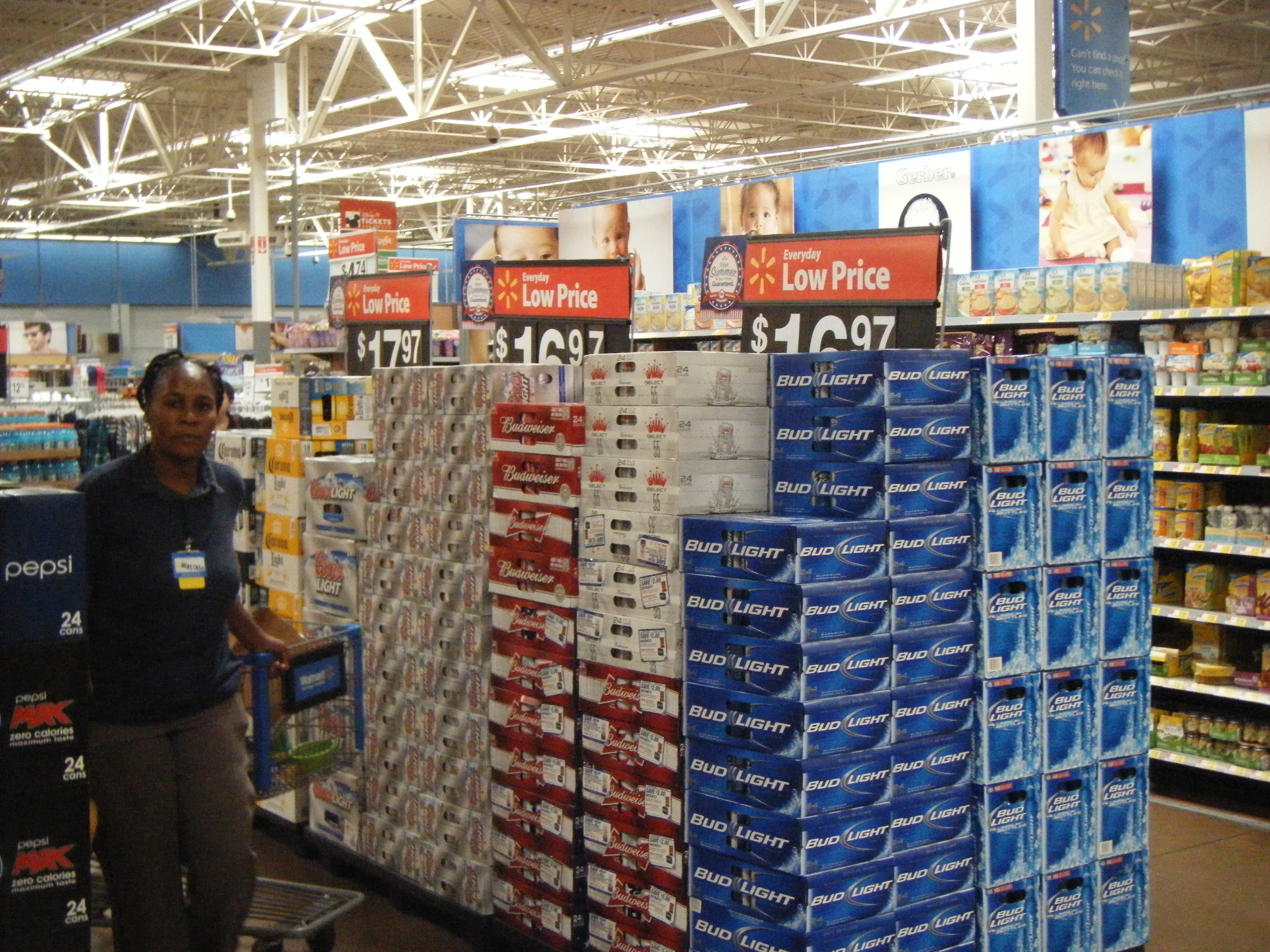
- Selection: These establishments are generally restricted to selling only beer and wine (including flavored malt beverages). You will not find hard liquor (vodka, rum, whiskey, gin, etc.) in a standard Florida grocery or convenience store. For spirits, you must visit a dedicated liquor store.
- Hours: The hours for beer and wine sales in grocery and convenience stores typically mirror the package sale hours of liquor stores in that specific locality. This means generally from 7:00 AM to midnight, with local extensions up to 2:00 AM in some areas, and Sunday starts that vary. Given the prevalence of grocery stores, these are often the easiest places to pick up beer or wine for casual consumption.
- Ease of Access: For travelers staying in self-catering apartments or villas, or even hotel rooms with mini-fridges, the ability to pick up beer and wine during a regular grocery run is a significant convenience.
Bars, Restaurants, and Hotel Establishments
For on-premise consumption, bars, restaurants, and hotel lounges are the places to be.
- Selection: These establishments can serve all types of alcohol – beer, wine, and spirits – as long as they hold the appropriate licenses.
- Hours: As highlighted, these venues often benefit from the most extended hours, particularly in major tourist destinations. It’s common for bars and restaurants to serve alcohol until 2:00 AM, 3:00 AM, or even 5:00 AM in places like Miami and Key West.
- Experience: Whether you’re dining out, enjoying a sunset cocktail by the beach, or experiencing the vibrant nightlife, these establishments offer the social aspect of alcohol consumption. Hotel bars, in particular, provide a convenient option for guests looking for a nightcap without having to leave their accommodation. Many resorts and hotels in Florida pride themselves on their upscale bar and restaurant offerings, often with signature cocktails and extensive wine lists.
Essential Tips for Visitors and Responsible Enjoyment
To ensure a smooth and responsible experience enjoying alcoholic beverages in Florida, keep these crucial tips in mind.
Age Restrictions and ID Requirements
The legal drinking age across the entire United States, including Florida, is 21 years old. This is strictly enforced.
- Proof of Age: Expect to be asked for valid photo identification every time you purchase alcohol, regardless of how old you appear. This applies whether you’re buying a six-pack from a grocery store or ordering a cocktail at a high-end restaurant.
- Accepted IDs: Government-issued IDs such as a driver’s license, state ID card, passport, or military ID are generally accepted. For international visitors, a valid passport is the most reliable form of identification. Some establishments may not accept international driver’s licenses without a secondary form of ID.
- No Exceptions: There are no exceptions for parental consent or any other circumstances for individuals under 21 to consume alcohol. Attempting to purchase alcohol underage or providing alcohol to a minor carries severe penalties, including fines and potential jail time.
Public Consumption and Open Container Laws
Florida has strict open container laws, which prohibit the consumption of alcoholic beverages in public places, such as sidewalks, parks, beaches, and in vehicles, unless specifically permitted by local ordinance or within a licensed establishment.
- General Rule: It is illegal to walk around with an open alcoholic beverage container in public spaces. This means you cannot leave a bar with an unfinished drink, nor can you carry an open bottle of beer down the street.
- Vehicle Restrictions: It is illegal to have an open alcoholic beverage container in a vehicle, whether you are the driver or a passenger. All alcohol must be in a sealed container and, if previously opened, stored in the trunk or a locked glove compartment.
- Exceptions: Some specific entertainment districts or designated event areas might have special permits allowing for open containers within a defined zone (e.g., specific festival grounds). However, these are exceptions, not the rule. Always err on the side of caution and assume open containers are prohibited in public unless explicitly stated otherwise by local signage or officials. Many Florida beaches, while allowing alcohol in sealed containers, strictly prohibit glass bottles. Check local beach rules before you go.
Planning Your Florida Vacation Around Liquor Purchases
Considering the varied laws, a little planning can go a long way in enhancing your Florida vacation:
- Research Your Destination: Before you travel, take a few minutes to research the alcohol laws specific to the county and city you’ll be visiting. A simple online search like “[City Name] liquor laws Florida” should provide the necessary information. Key areas to check are Sunday sales hours and the cut-off times for package vs. on-premise sales.
- Hotel and Resort Convenience: If staying at a resort or hotel, leverage their amenities. Most will have on-site bars or restaurants that adhere to local extended hours. Many also offer mini-bars in rooms or have gift shops that sell beer and wine.
- Stocking Up: If you’re renting a villa or apartment and plan to entertain, consider stocking up on your preferred spirits, wines, and beers shortly after you arrive, keeping an eye on package store closing times, especially on Sundays.
- Designated Driver or Ride-Sharing: Always plan for safe transportation if you intend to consume alcohol. Florida has strict DUI laws. Utilize ride-sharing services, taxis, or designated drivers to ensure everyone’s safety.
- Stay Informed: Local regulations can change. While this guide provides a general overview, checking the most current local government websites or asking at your hotel concierge desk upon arrival can offer the most up-to-date information.
In conclusion, while the question “What time can you buy liquor in Florida?” doesn’t have a single, simple answer, the overarching theme is one of local control and, in most tourist-heavy areas, a generally accommodating approach to alcohol sales. By understanding the distinction between statewide and local ordinances, knowing where to purchase various types of alcohol, and adhering to age and public consumption laws, you can confidently and responsibly enjoy the diverse and vibrant experiences that the Sunshine State has to offer. Whether you’re savoring a sunset cocktail in Sarasota, toasting to an adventure at Kennedy Space Center Visitor Complex, or enjoying the nightlife of Miami, a little foresight ensures your Florida vacation flows as smoothly as your favorite drink.
LifeOutOfTheBox is a participant in the Amazon Services LLC Associates Program, an affiliate advertising program designed to provide a means for sites to earn advertising fees by advertising and linking to Amazon.com. Amazon, the Amazon logo, AmazonSupply, and the AmazonSupply logo are trademarks of Amazon.com, Inc. or its affiliates. As an Amazon Associate we earn affiliate commissions from qualifying purchases.