
Planning a trip to the Sunshine State often brings up a myriad of questions, from the best beaches and most exciting attractions to the ideal time of year for a visit. However, one fundamental detail that can significantly impact your travel experience, yet is frequently overlooked, is understanding the local time. When you ask, “What time in USA Florida?”, the answer isn’t as straightforward as it might seem. While most of Florida observes one primary time zone, a crucial segment of its Panhandle operates on another, creating a unique temporal landscape that travelers must navigate.
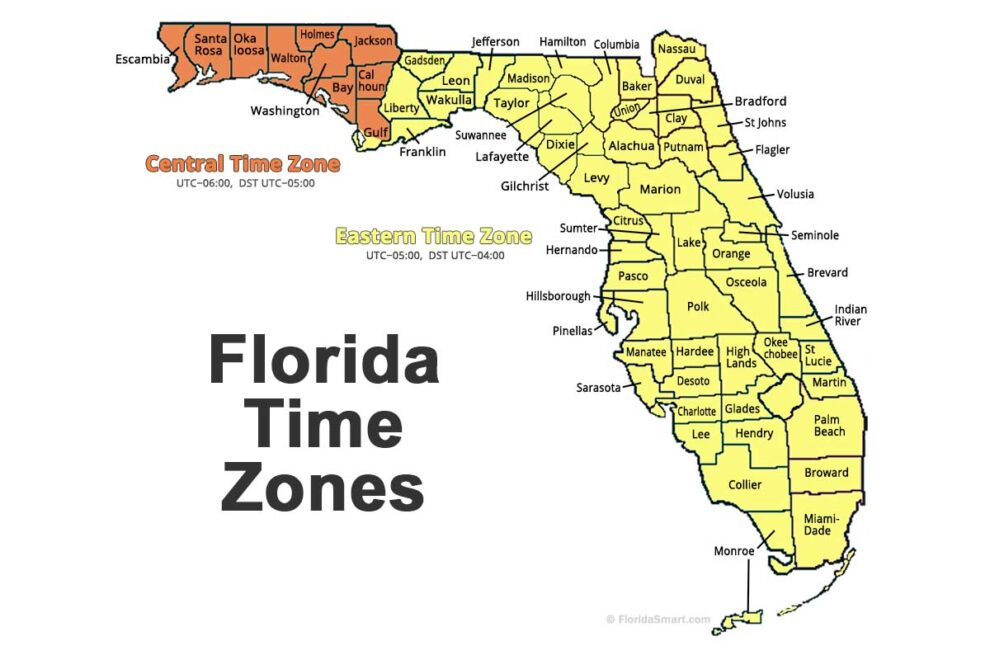
This comprehensive guide delves into Florida’s time zones, their practical implications for tourism and travel, and essential tips to ensure your Florida adventure is perfectly synchronized. From coordinating flights and hotel check-ins to maximizing your time at world-famous theme parks and landmarks, a clear understanding of Florida’s time structure is indispensable for a smooth and enjoyable lifestyle experience in this vibrant state.
Navigating Florida’s Time Zones: A Traveler’s Essential Guide
Understanding Florida’s time zones is the first step to a seamless trip. The state’s geographical position means it straddles two distinct time zones, a detail that can easily trip up unsuspecting travelers if not accounted for.
The Eastern Time Zone Majority
By far, the vast majority of Florida operates within the Eastern Time Zone (ET). This encompasses nearly the entire peninsula, including all of the state’s most popular tourist destinations and major metropolitan areas. When you’re planning a visit to iconic cities like Miami, Orlando, Tampa, Jacksonville, Fort Lauderdale, or Key West, you’ll be operating on Eastern Time.
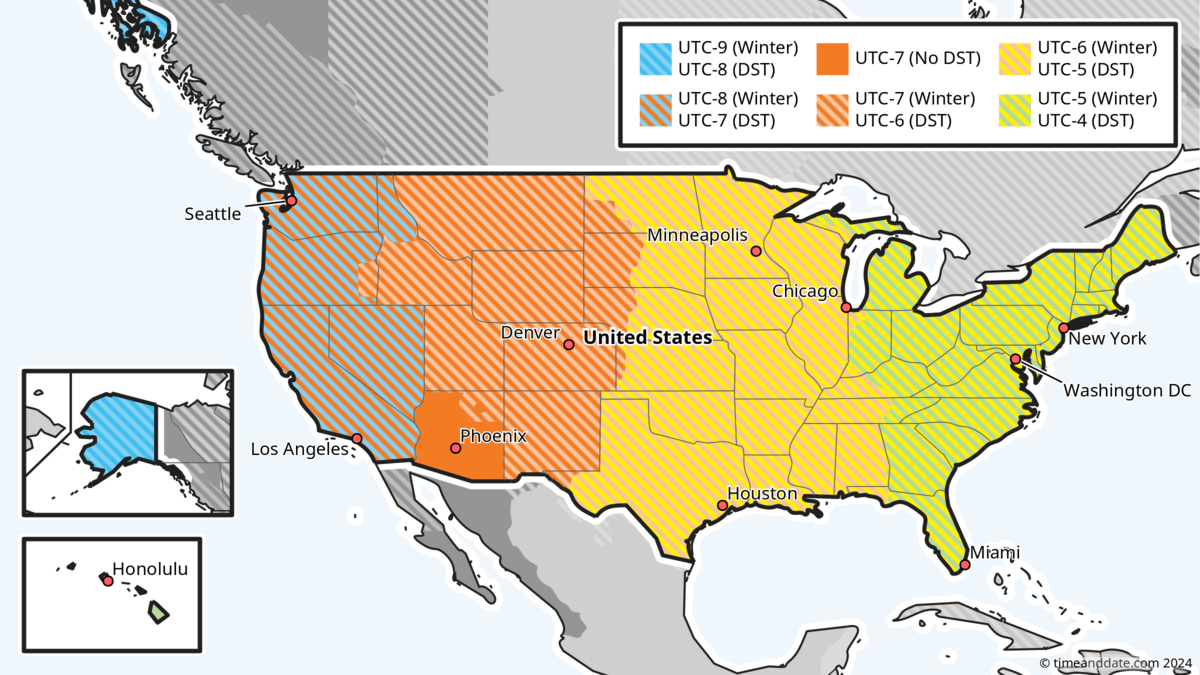
During the standard months, this is observed as Eastern Standard Time (EST), which is UTC-5 (Coordinated Universal Time minus five hours). From the second Sunday in March to the first Sunday in November, Florida observes Daylight Saving Time (DST), shifting to Eastern Daylight Time (EDT), which is UTC-4. This “spring forward, fall back” mechanism is consistent across the entire state that observes Eastern Time. For international travelers, understanding this UTC offset is crucial for scheduling flights and communicating with home. The vibrant South Beach nightlife, the magical openings of Walt Disney World Resort and Universal Orlando Resort, and the historic charm of St. Augustine all abide by these hours.
The Panhandle’s Central Time Zone Enclave
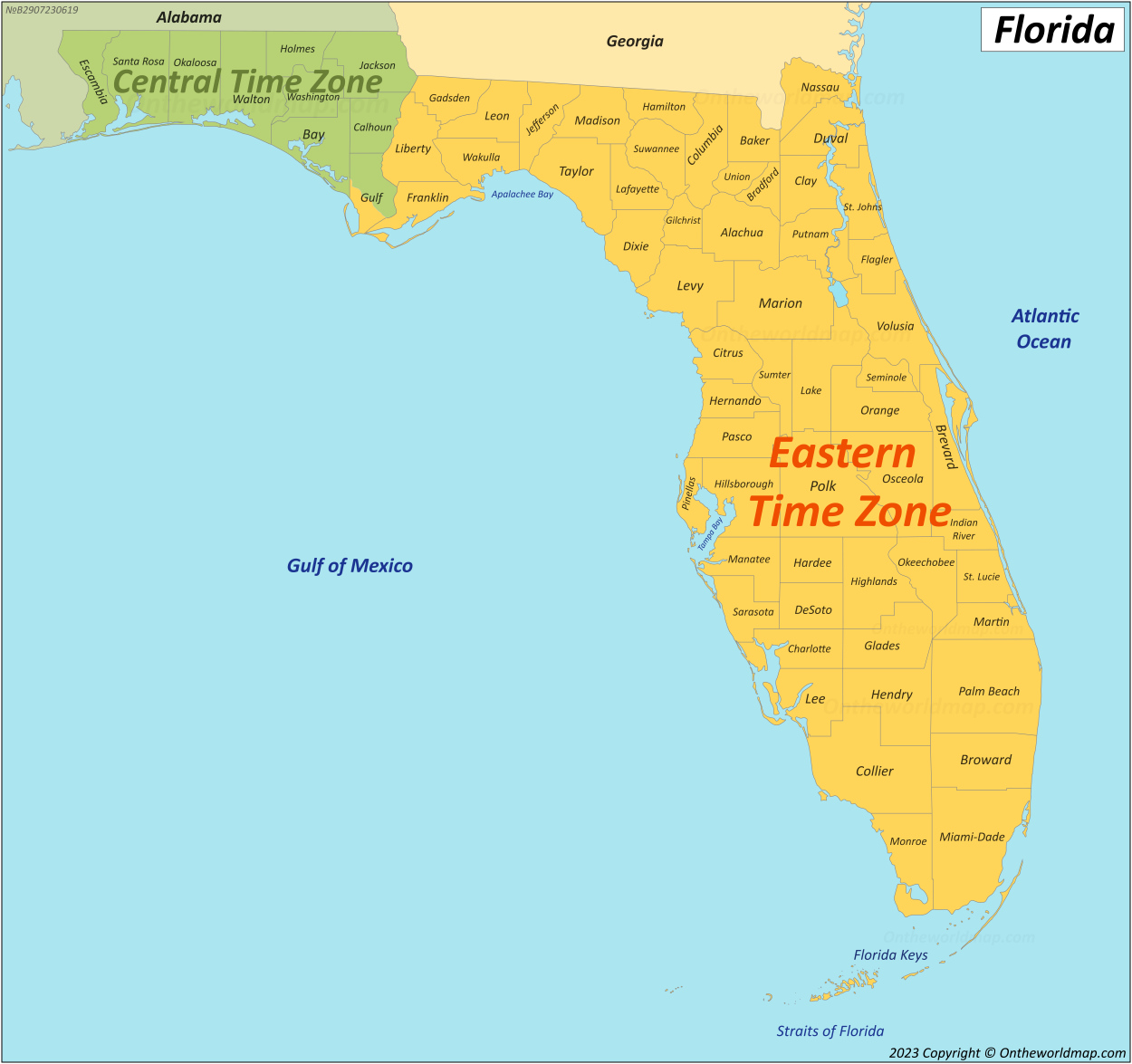
The exception to the Eastern Time Zone rule lies in the western part of the Florida Panhandle. A handful of counties in this region observe the Central Time Zone (CT). Specifically, these include Escambia County, Santa Rosa County, Okaloosa County, Walton County, and Bay County. This means cities such as Pensacola, Fort Walton Beach, Destin, and Panama City are one hour behind the rest of Florida.
During standard time, this region observes Central Standard Time (CST), which is UTC-6. With Daylight Saving Time, it shifts to Central Daylight Time (CDT), or UTC-5. This creates a fascinating, albeit sometimes confusing, time boundary within the state. For instance, if you’re traveling eastward from Pensacola towards Tallahassee – which is firmly in the Eastern Time Zone – you will gain an hour as you cross the line, typically around the Eastern County border of Bay County or Calhoun County. This difference is particularly important for coordinating meetings, flights, or any timed activities if your itinerary spans across this time zone divide.
Time Considerations for Your Florida Travel Plans
Understanding Florida’s time zones isn’t just about knowing what time it is; it’s about making practical adjustments to your travel itinerary to avoid unnecessary stress and optimize your experience. The website’s focus on travel, hotels, tourism, and accommodation makes these considerations paramount.
Impact on Flights and Transportation
For many travelers, their Florida journey begins and ends with air travel. Flight schedules are always listed in local time, which means if you’re flying from, say, Los Angeles (Pacific Time) to Orlando International Airport (Eastern Time), you’ll need to account for a three-hour time difference (four hours during DST). A flight departing Los Angeles at 9 AM will arrive in Orlando in the afternoon, local time, even if the flight duration is only five hours. Similarly, if you have a connecting flight, always confirm the local time at each leg of your journey.
The same principle applies to ground transportation. If you’re picking up a rental car at Pensacola International Airport (Central Time) and driving to Tallahassee (Eastern Time), remember that you will “lose” an hour once you cross the time zone boundary. This can affect reservation times for shuttles, tours, or even train schedules. Always double-check and set your devices to automatically update to local time, or manually adjust them upon arrival.
Planning Your Itinerary and Attractions
The meticulous planning of your daily itinerary is where time zone awareness truly pays off. Florida is brimming with attractions, from the enchanting worlds of Walt Disney World Resort and Universal Orlando Resort in Orlando to the vibrant Art Deco Historic District in Miami and the serene beauty of Everglades National Park. All opening and closing times for theme parks, museums like the Pérez Art Museum Miami, natural parks, restaurants, and shows will be based on their local time zone.
For example, if you plan to visit a morning attraction in Orlando (ET) after arriving from Destin (CT) the previous night, remember that your body will still be on Central Time. A 9 AM park opening in Orlando will feel like 8 AM to you, which can be an advantage for early birds looking to beat the crowds! Conversely, a flight from Orlando to Pensacola might seem to arrive “earlier” than its departure time in terms of elapsed clock hours, simply because you gain an hour crossing into the Central Time Zone. Always confirm reservation times, showtimes, and tour start times based on the local time of the attraction’s location.
Accommodation and Check-in/Check-out Times
Booking accommodation is a core aspect of any trip, and local time is paramount for smooth check-ins and check-outs. Whether you’ve booked a luxurious suite at the Four Seasons Resort Orlando at Walt Disney World Resort, a charming villa in Key West, or a budget-friendly apartment in Tampa, standard check-in is typically in the afternoon (e.g., 3 PM or 4 PM local time), and check-out is in the morning (e.g., 10 AM or 11 AM local time).
If you are arriving from a different time zone, especially one several hours behind Florida, an early morning arrival might mean a long wait until your room is ready. Conversely, departing on an evening flight to a western USA state could mean you need to arrange for a late check-out or luggage storage. Always factor in these local times, particularly if you’re traveling between the two Florida time zones. A hotel in Destin will have check-in times one hour earlier by the clock than a hotel in Orlando if you’re comparing them simultaneously. Confirming times directly with your chosen resort or hotel is always recommended, especially if you have specific requests regarding early check-in or late check-out.
Overcoming Jet Lag and Maximizing Your Florida Experience
Traveling across time zones, especially internationally or from the western USA, can lead to jet lag. While Florida’s time differences are relatively modest compared to some international destinations, being prepared can significantly enhance your enjoyment.
Adjusting to the New Time
Mitigating the effects of jet lag starts even before you arrive. Try to gradually shift your sleep schedule closer to Florida’s time zone a few days before your trip. Once you arrive, embrace the local time immediately. If you arrive in the morning, try to stay awake until a reasonable local bedtime, even if you’re tired. Exposure to natural sunlight is a powerful tool for resetting your body clock; spend time outdoors at beaches like Clearwater Beach or exploring Miami’s vibrant streets. Stay hydrated and avoid excessive caffeine and alcohol, especially on your travel day. Many luxury resorts and spas in Florida offer amenities that can aid in relaxation and adjustment, from refreshing pools to soothing treatments.
Communication with Home
For those keeping in touch with family or colleagues in different time zones, clear communication is essential. Before making a call, quickly verify the current time in their location to avoid waking them up or interrupting their day. There are numerous apps and online tools that can help you track multiple time zones simultaneously. This small courtesy goes a long way in maintaining connections without disruption while you’re enjoying your Florida escape.
Leveraging Time for Unique Experiences
Understanding the nuances of Florida’s time can also open doors to unique experiences. For instance, if you’ve arrived from the west and are still waking up “early” by local time, this is a perfect opportunity to witness a breathtaking sunrise over the Atlantic Ocean from Cocoa Beach or Fort Lauderdale Beach. Conversely, enjoying a beautiful sunset over the Gulf of Mexico from St. Pete Beach or Naples Pier can feel truly magical.
Being aware of local time also allows for strategic crowd avoidance. Arriving at popular attractions or restaurants right at opening can give you a head start, while planning dinner reservations slightly earlier or later than peak hours can provide a more relaxed dining experience. This mindful approach to time can significantly enhance your Florida tourism journey, making every moment count.
Key Florida Destinations and Their Time Zones
To solidify your understanding, let’s explore some key Florida destinations and their respective time zones, reinforcing the importance of being time-aware as you move through the state.
Central Florida: The Heart of Eastern Time
Central Florida is synonymous with theme park magic and is entirely within the Eastern Time Zone. Orlando, the region’s pulsating heart, is home to Walt Disney World Resort, Universal Orlando Resort, and SeaWorld Orlando. All their operations, showtimes, and parade schedules adhere to ET/EDT. Luxurious accommodations like the Grand Hyatt Hotel in Tampa, the Four Seasons Resort Orlando at Walt Disney World Resort, and Universal’s Hard Rock Hotel will set their check-in and check-out times, as well as their restaurant and amenity schedules, to Eastern Time. Nearby cities such as Kissimmee and Lakeland also follow this same time.
South Florida and the Keys: Always on ET
The bustling metropolitan areas of South Florida and the laid-back charm of the Florida Keys consistently observe Eastern Time. From the glamorous shores of Miami Beach and the sophisticated shopping of Palm Beach to the southernmost point in Key West, you’ll find everything synchronized with ET/EDT. Whether you’re exploring the lively Duval Street in Key West, enjoying the luxury travel scene in Boca Raton, or experiencing the unique ecosystems of Everglades National Park, your clock should be set to Eastern Time. This consistent time zone simplifies planning for travelers focused on these popular southern regions.
North Florida and the Emerald Coast: A Split Reality
North Florida presents the most intricate time zone situation. The eastern part of North Florida, including Jacksonville, Gainesville, and Tallahassee, remains firmly in the Eastern Time Zone. However, as you travel west towards the Florida Panhandle, you’ll encounter the time zone change.
The beautiful Emerald Coast, home to stunning beaches in cities like Pensacola, Destin, and Panama City, is firmly in the Central Time Zone. This means if you’re driving from Tallahassee to Destin, you’ll lose an hour as you cross the time line. This specific region demands extra vigilance for travelers, especially those with tight schedules or pre-booked activities like fishing charters or restaurant reservations. Ensure all your devices are set to automatically update their time based on location, and always confirm times with local businesses to avoid any misunderstandings.
In conclusion, knowing “What time in USA Florida?” is more than just a trivial inquiry; it’s a foundational piece of information for crafting an efficient and enjoyable travel experience. While the majority of the state operates on Eastern Time, the Florida Panhandle’s adherence to Central Time introduces a unique element to consider. By being mindful of these time zones, especially regarding transportation, attractions, and accommodation, you can ensure that your Florida adventure remains perfectly synchronized, allowing you to fully immerse yourself in the sunshine, culture, and unforgettable moments the state has to offer. Happy travels!
LifeOutOfTheBox is a participant in the Amazon Services LLC Associates Program, an affiliate advertising program designed to provide a means for sites to earn advertising fees by advertising and linking to Amazon.com. Amazon, the Amazon logo, AmazonSupply, and the AmazonSupply logo are trademarks of Amazon.com, Inc. or its affiliates. As an Amazon Associate we earn affiliate commissions from qualifying purchases.