
For any traveler, understanding the local time is more than a mere courtesy; it’s a fundamental aspect of successful trip planning, seamless transitions, and maximizing every moment of an adventure. In the vast and varied landscape of the United States, time zones crisscross the nation, each with its own rhythm and daylight saving adjustments. For those setting their sights on the majestic beauty and vibrant culture of Colorado, knowing “What time is it now in Colorado?” is the first step toward unlocking an unforgettable experience, whether you’re coordinating a business meeting in Denver, planning a ski lesson in Aspen, or simply aiming to catch a sunrise over the Rocky Mountains. This article delves into Colorado’s time zone, its implications for travel, and offers a comprehensive guide to navigating this incredible state, from its towering peaks to its bustling cities, ensuring your visit is perfectly timed.
Navigating Time Zones: Colorado and Mountain Standard Time
Colorado proudly operates on Mountain Standard Time (MST) during the colder months and switches to Mountain Daylight Time (MDT) for a significant portion of the year. This transition, part of the wider daylight saving practice, ensures that the state capitalizes on longer daylight hours during spring and summer, providing ample time for outdoor activities and extended evenings. Understanding this pattern is crucial for anyone planning to visit or conduct business in the state.
Understanding MST/MDT: The Rhythm of the Rockies
Mountain Standard Time (MST) is generally seven hours behind Coordinated Universal Time (UTC-7). This places Colorado two hours behind the Eastern Time zone, one hour behind Central Time, and one hour ahead of Pacific Time. When daylight saving begins, typically on the second Sunday in March, Colorado springs forward an hour, shifting to Mountain Daylight Time (MDT), which is UTC-6. The clock then falls back an hour on the first Sunday in November, returning to MST. This cyclical change, while seemingly minor, has significant ramifications for travel schedules, booking confirmations, and even communication with those in different time zones. For instance, a flight departing New York City (Eastern Time) at 9:00 AM would arrive in Denver (Mountain Time) at what feels like 11:00 AM local time, but in reality, after a typical 4-hour flight, it would be 1:00 PM Eastern Time, making it 11:00 AM in Denver. This two-hour difference can sometimes lead to confusion if not accounted for diligently. Conversely, when communicating with colleagues or family on the West Coast, a morning call from Los Angeles at 8:00 AM would mean a 9:00 AM start in Colorado, a less jarring adjustment but still one to remember. Always double-check time differences, especially when booking international flights or connecting with destinations across multiple time zones. Many online tools and smartphone apps can help with real-time conversions, taking the guesswork out of the equation.
Impact on Travel Planning: Synchronizing Your Colorado Adventure
The timing of your arrival and departure, as well as the scheduling of activities, heavily relies on understanding Colorado’s time zone. For those flying into Denver International Airport (DIA), the transition from another time zone can affect everything from rental car pick-ups to hotel check-ins. If you’re arriving from the East Coast, you might find yourself battling a mild form of jet lag, as your body adjusts to the two-hour shift. Scheduling important appointments, like a guided tour of Rocky Mountain National Park or a dinner reservation at a popular Denver restaurant, requires careful consideration of the local time. Early morning activities, such as sunrise hikes or hot air balloon rides over the Front Range, demand accurate timekeeping to ensure you don’t miss out. Furthermore, businesses in Colorado operate according to MST/MDT, meaning banks, shops, and government offices will open and close on this schedule. For business travelers, syncing conference calls with clients in different time zones is paramount, ensuring that no one is inconvenienced by an early morning or late-night call. Always confirm the local time for any scheduled event, especially if the booking was made from a different time zone, to avoid missed opportunities or unnecessary stress. A little foresight goes a long way in ensuring your Colorado journey runs like clockwork.
Colorado Beyond the Clock: A Traveler’s Guide
While knowing the time zone is essential for logistics, it’s just the prelude to experiencing the magic of Colorado. This state offers a breathtaking array of landscapes, from the soaring peaks of the Rocky Mountains to the vibrant urban hubs. Whether you’re seeking outdoor adventure, cultural enrichment, or simply a luxurious retreat, Colorado has something to captivate every traveler.
Iconic Destinations and Experiences: Where Time Stands Still (or Flies)
Colorado’s allure lies in its diverse destinations, each offering unique experiences. In the heart of the state, Denver, often called the Mile High City, serves as a perfect base for urban exploration and as a gateway to mountain adventures. Here, you can immerse yourself in art at the Denver Art Museum, explore the historic Union Station, or catch a concert under the stars at the legendary Red Rocks Park and Amphitheatre. Just a short drive away lies the majestic Rocky Mountain National Park, with its pristine alpine lakes, abundant wildlife, and endless hiking trails. The charming gateway town of Estes Park offers quaint shops and stunning views as you prepare for your park adventure.
For winter sports enthusiasts, Colorado is a paradise. World-renowned ski resorts like Aspen, Vail, Breckenridge, and Telluride offer unparalleled skiing and snowboarding opportunities, complemented by luxurious accommodations, vibrant après-ski scenes, and charming mountain towns. Beyond the slopes, these towns transform into havens for hiking, mountain biking, and cultural festivals during the warmer months.
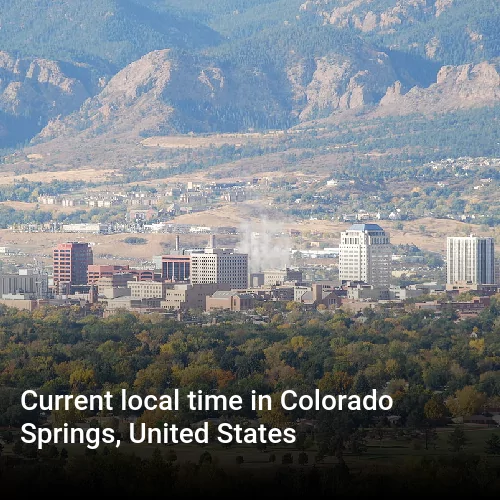
Further south, Colorado Springs beckons with its natural wonders, including the surreal red rock formations of the Garden of the Gods and the breathtaking summit of Pikes Peak, which can be reached by car or the historic Pikes Peak Cog Railway. To the north, the vibrant university town of Boulder, nestled at the foot of the iconic Flatirons, offers a laid-back, outdoor-centric lifestyle with excellent dining, craft breweries, and access to a vast network of hiking and biking trails. Each of these destinations, while distinct, offers a quintessential Colorado experience, making every moment you spend there feel both timeless and thrilling.
Accommodation Choices Across Colorado: Your Home Away From Home
Colorado’s popularity as a tourist destination means it boasts an incredibly diverse range of accommodation options, catering to every budget and travel style. Whether you’re planning a luxurious escape, a family-friendly adventure, or a budget-conscious trip, you’ll find the perfect place to rest and recharge.
For those seeking unparalleled luxury, resorts like The Broadmoor in Colorado Springs or the historic Hotel Jerome and the opulent St. Regis Aspen Resort in Aspen offer world-class amenities, exquisite dining, and impeccable service. These establishments often come with ski-in/ski-out access, championship golf courses, or award-winning spas, providing a comprehensive luxury experience. In urban centers like Denver and Boulder, you’ll find a plethora of boutique hotels that blend modern design with local charm, offering unique stays close to cultural attractions and vibrant nightlife. These properties often emphasize local art, farm-to-table dining, and a personalized guest experience.
Mid-range hotels and family-friendly resorts are abundant across the state, especially in popular tourist towns and near major attractions. Many offer amenities like indoor pools, complimentary breakfast, and convenient access to outdoor activities, making them ideal for families or groups. For budget travelers or those planning extended stays, options like vacation rentals, Airbnb apartments, and long-term stay hotels provide more space, flexibility, and often the ability to cook your own meals, which can significantly cut down on expenses. These are particularly popular in ski towns like Breckenridge or Vail, where condominium rentals offer direct access to the slopes and shared amenities. For a truly unique experience, consider glamping sites, mountain cabins, or even yurt rentals in more secluded natural settings, allowing you to connect with Colorado’s wilderness without sacrificing comfort. Booking well in advance, especially during peak seasons like winter ski season or summer hiking months, is highly recommended to secure the best rates and desired locations. Websites like LifeOutTheBox.com offer comprehensive reviews and comparison tools to help you find the ideal accommodation that suits your needs and enhances your Colorado journey.
Culinary Adventures and Local Culture: A Taste of the Rockies
Colorado’s local culture is deeply intertwined with its stunning natural environment and a spirit of adventure. This is reflected not only in the active lifestyle of its residents but also in its burgeoning culinary scene and unique traditions. Foodies will delight in the state’s emphasis on fresh, local, and often organic ingredients, giving rise to an impressive array of farm-to-table restaurants. From upscale dining in Denver and Boulder to cozy mountain eateries, visitors can savor innovative dishes that celebrate the region’s produce.
A visit to Colorado would be incomplete without exploring its vibrant craft beer scene. The state boasts more breweries per capita than almost anywhere else in the United States, with tours and tasting rooms offering a taste of local innovation. Beyond beer, Colorado is also gaining recognition for its distilleries and wineries, producing everything from artisan whiskeys to fruit wines. When it comes to local specialties, be sure to try some Colorado-style green chili, a spicy, flavorful staple that varies from region to region, often served over burritos or as a stew. For the adventurous palate, some establishments offer Rocky Mountain Oysters – a peculiar but surprisingly popular local delicacy (calf testicles, typically deep-fried).
Culturally, Colorado embraces its Old West heritage, with numerous rodeos, cowboy poetry gatherings, and historic ghost towns to explore. Indigenous cultures also have a rich presence, with sites like Mesa Verde National Park offering a profound glimpse into ancient Pueblo cliff dwellings. The arts thrive here too, from the outdoor grandeur of Red Rocks Park and Amphitheatre to the numerous galleries and performance venues found in cities and mountain towns alike. Whether you’re enjoying a gourmet meal, sampling a craft brew, or exploring a historic site, Colorado’s culture offers a dynamic tapestry of experiences that will enrich any travel itinerary.
Planning Your Colorado Journey: Practicalities and Tips
Effective planning is key to a smooth and enjoyable trip to Colorado. Beyond simply knowing the time, a few practical considerations can significantly enhance your experience, ensuring you’re well-prepared for whatever the Centennial State throws your way.
Best Times to Visit: Seasonal Rhythms and Activities
Choosing the best time to visit Colorado largely depends on the activities you wish to pursue.
Winter (December to March): This is prime time for skiing and snowboarding. Resorts like Vail, Breckenridge, and Aspen are bustling with visitors, offering world-class slopes, cozy lodges, and vibrant après-ski scenes. The snow-covered landscapes are breathtaking, ideal for snowshoeing, ice skating, and winter festivals. However, expect higher prices for accommodation and flights, and be prepared for variable road conditions, especially on mountain passes.
Spring (April to May): A transitional season, spring sees the snow begin to melt in lower elevations, while high-altitude skiing might still be possible. It’s an excellent time for river rafting as snowmelt swells the waterways. Wildflowers begin to bloom, and the weather can be unpredictable, offering a mix of sunny days and late-season snowstorms. This shoulder season often means fewer crowds and potentially better deals on hotels.
Summer (June to August): Considered peak season for outdoor enthusiasts, summer in Colorado is perfect for hiking, mountain biking, rock climbing, and fishing. Rocky Mountain National Park is fully accessible, and cities like Denver and Boulder come alive with outdoor concerts, farmers’ markets, and street festivals. Expect warm days, cooler nights, and afternoon thunderstorms. Booking accommodations and popular tours well in advance is crucial due to high demand.
Fall (September to November): A truly spectacular time, fall is renowned for its stunning aspen foliage, transforming the mountains into a golden wonderland. It’s ideal for scenic drives, photography, and crisp hiking. Crowds thin out after the summer rush, but popular leaf-peeping routes can still be busy. The weather is generally pleasant, though temperatures drop significantly as winter approaches. This is a favorite time for many locals and often offers a more tranquil experience.
Managing Jet Lag and Altitude Sickness: Acclimatizing to Colorado’s Heights
Colorado’s unique geography presents a couple of challenges for travelers: potential jet lag due to the time zone change and, more significantly, altitude sickness. Many popular destinations, including Denver (at 5,280 feet), Colorado Springs, and especially the mountain towns like Aspen and Breckenridge (which sit at over 9,000 feet), are at considerably higher elevations than most visitors are accustomed to.
Jet Lag: If you’re traveling from a time zone significantly different from MST/MDT, try to adjust your sleep schedule a few days before your trip. Once you arrive, expose yourself to natural light during the day, stay hydrated, and try to stick to the local time for meals and sleep. Avoid excessive caffeine and alcohol, as they can exacerbate jet lag.
Altitude Sickness: This is a more common concern. Symptoms can include headaches, nausea, dizziness, shortness of breath, and fatigue. To mitigate its effects:
- Hydrate, Hydrate, Hydrate: Drink plenty of water before and throughout your trip. Dehydration can worsen altitude sickness.
- Take it Easy: Don’t plan strenuous activities on your first day or two. Allow your body time to acclimatize. If possible, plan to spend your first night at a lower elevation before ascending to higher altitudes.
- Limit Alcohol and Caffeine: These can contribute to dehydration and make symptoms worse.
- Eat Lightly: Opt for easily digestible meals.
- Listen to Your Body: If you experience severe symptoms, descend to a lower elevation immediately and seek medical attention if necessary. Many pharmacies in Colorado offer oxygen canisters for mild relief.
By taking these precautions, you can minimize discomfort and fully enjoy Colorado’s stunning high-altitude scenery.
Booking and Logistics: Seamless Journeys to the Centennial State
Once you’ve decided on your timing and itinerary, the next crucial step is securing your bookings and planning your logistics. Given Colorado’s popularity, especially during peak seasons (winter for skiing, summer for hiking), early booking is highly recommended for flights, accommodations, and popular tours. This not only ensures availability but often secures better rates.
Flights: Denver International Airport (DIA) is a major hub, offering numerous domestic and international flights. Smaller regional airports, such as those in Colorado Springs, Grand Junction, Aspen, and Gunnison, provide convenient access to specific regions, though flights to these can be more expensive.
Accommodation: As discussed, Colorado offers everything from luxury resorts to budget-friendly apartments. Utilize platforms like LifeOutTheBox.com for detailed reviews, comparisons, and direct booking links to find the perfect hotel, villa, or long-term stay option that aligns with your travel style and budget.
Car Rentals: For exploring beyond the main cities and accessing national parks or ski resorts, a rental car is almost essential. Book well in advance, especially for SUVs or 4×4 vehicles if you’re traveling in winter or plan to venture off paved roads. Ensure your rental includes adequate insurance.
Public Transportation: While cities like Denver and Boulder have decent public transportation systems (RTD), covering buses and light rail, they won’t take you to remote mountain trails or between distant towns. Shuttle services are available from DIA to many mountain resorts, offering a convenient alternative to driving yourself, particularly if you’re not comfortable with mountain driving in snowy conditions.
Activities and Tours: Many popular activities, such as whitewater rafting trips, guided hikes, ski lessons, or tickets to specific attractions, can be booked online in advance. This saves time and guarantees your spot, particularly during busy periods. Creating a flexible itinerary that allows for spontaneous discoveries while having key bookings locked in provides the best of both worlds.
By approaching your Colorado adventure with a thoughtful consideration for its time zone, diverse attractions, and essential travel logistics, you’re not just planning a trip; you’re orchestrating an immersive experience that promises indelible memories. So, while the question “What time is it now in Colorado?” might seem simple, its answer is the starting point for a journey into one of North America’s most spectacular and welcoming destinations.
LifeOutOfTheBox is a participant in the Amazon Services LLC Associates Program, an affiliate advertising program designed to provide a means for sites to earn advertising fees by advertising and linking to Amazon.com. Amazon, the Amazon logo, AmazonSupply, and the AmazonSupply logo are trademarks of Amazon.com, Inc. or its affiliates. As an Amazon Associate we earn affiliate commissions from qualifying purchases.