
[Miami]’s Climate: A Tropical Paradise (Mostly)
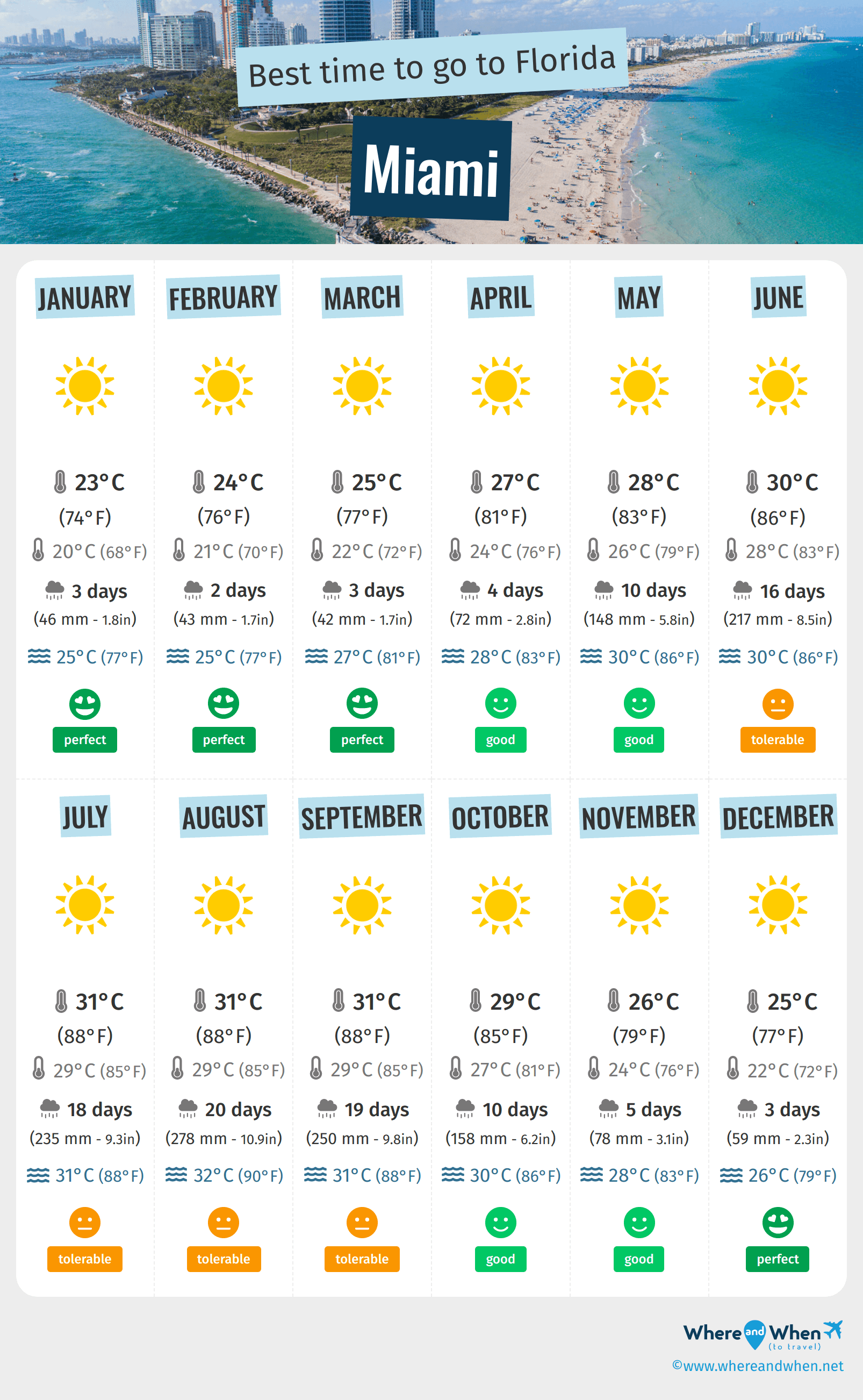
[Miami] boasts a tropical monsoon climate, characterized by warm, humid summers and mild, dry winters. This classification means you can generally expect plenty of sunshine throughout the year, but also prepare for distinct wet and dry seasons. The city’s proximity to the equator and the warm waters of the [Atlantic Ocean] and [Biscayne Bay] heavily influence its weather, creating a perpetually warm environment. Humidity is a constant companion, especially during the summer months, which contributes to the perception of heat even when temperatures aren’t at their peak.The sunshine hours are generous, making [Miami] a prime destination for outdoor activities, from lounging on [South Beach] to exploring the [Everglades National Park]. However, this tropical allure comes with a caveat: the hurricane season. From June 1st to November 30th, the region is susceptible to tropical storms and hurricanes, a crucial factor for anyone planning their travel during these months. Despite this, [Miami]’s dynamic weather rarely dampens the spirit of exploration, with a plethora of indoor attractions and resilient local culture ready to adapt to any atmospheric shifts. Understanding these broad strokes is the first step in tailoring your [Miami] adventure to your preferred weather conditions and travel style.
Seasonal Breakdown: Planning Your [Miami] Getaway
[Miami]’s year can be broadly divided into two main seasons: the dry season (winter and spring) and the wet season (summer and autumn). Each period offers a distinct set of experiences, influencing everything from hotel availability and pricing to the types of activities you’ll enjoy.Winter (December to February): The Peak Season
Winter in [Miami] is, for many, the absolute best time to visit. While much of the Northern Hemisphere is bundled in snow and ice, [Miami] offers a warm, sunny respite.
- Temperatures: Average daily temperatures range from the low 60s°F (15-18°C) to the mid-70s°F (24-27°C). Cooler fronts can occasionally bring temperatures down into the 50s°F (10-14°C), especially in the mornings and evenings, making for very pleasant conditions.
- Rainfall: This is the dry season, meaning rainfall is minimal. Expect clear, blue skies for most of your stay, with very few days experiencing significant precipitation.
- Humidity: Humidity levels are significantly lower than in the summer, contributing to a much more comfortable feel.
- Activities: The mild, dry weather is perfect for all outdoor pursuits. Spend your days relaxing on the pristine sands of [South Beach], taking a boat tour of [Biscayne Bay], or exploring the iconic [Art Deco Historic District] in [Miami Beach]. For nature enthusiasts, a trip to [Everglades National Park] is a must, where you can spot alligators and various bird species under comfortable conditions. Cultural landmarks like [Vizcaya Museum & Gardens] truly shine in this temperate climate.
- Accommodation: Winter is [Miami]’s peak tourism season. Demand for hotels, suites, resorts, and villas is extremely high, especially around holidays like Christmas, New Year’s, and Presidents’ Day. Booking well in advance is essential, and prices will be at their highest. Luxury travel thrives during this period, with exclusive events and high-end experiences readily available. Many resorts offer special amenities tailored to guests seeking an escape from colder climates.
- Lifestyle: Ideal for luxury travel, family trips during school breaks, and anyone seeking a comfortable, activity-filled vacation. Business stays are also common, with conferences often scheduled during this pleasant weather.
Spring (March to May): Pleasant Transition
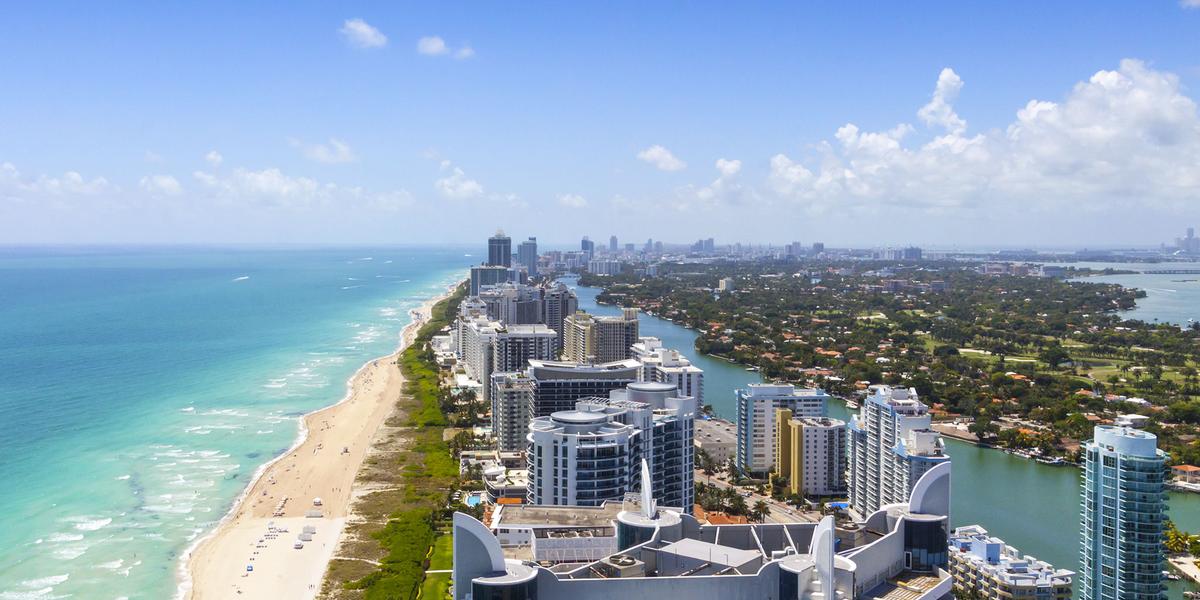
Spring maintains much of winter’s charm but starts to introduce a gradual increase in warmth and humidity as the wet season approaches.
- Temperatures: Temperatures slowly climb, ranging from the mid-60s°F (18-21°C) to the low 80s°F (27-29°C).
- Rainfall: While still relatively dry, the occasional afternoon shower becomes more likely, especially towards May. These are usually brief and refreshing.
- Humidity: Humidity begins to rise, making the air feel heavier, particularly as spring progresses.
- Activities: Excellent for outdoor dining at [Brickell]’s upscale restaurants or exploring the colorful streets of [Little Havana] without the intense summer heat. Festivals, such as the [Ultra Music Festival] and the [Miami Beach Gay Pride], often take place during this vibrant season, capitalizing on the agreeable weather. It’s also a great time for exploring the vibrant street art of the [Wynwood Walls] before the hottest months arrive.
- Accommodation: While still popular, especially during spring break, hotel prices may start to offer slightly better value than peak winter. It’s a good time for those looking for a balance between pleasant weather and more manageable crowd levels. Apartment rentals and longer-term stays can be found with good comparisons, making it appealing for budget travel in the earlier parts of spring.
- Lifestyle: Good for travelers seeking a lively atmosphere with slightly fewer crowds than winter. It’s a popular choice for young adults during spring break, but also for couples and families before the summer rush. Business travelers appreciate the comfortable climate for meetings and events.
Summer (June to August): Hot, Humid, and Hurricane Season Begins
Summer in [Miami] is hot, intensely humid, and marks the official start of hurricane season. While some avoid this period, it offers a different kind of [Miami] experience, often with fewer crowds and better deals.
- Temperatures: Daily highs typically hover in the upper 80s°F (30-32°C), often feeling much hotter due to the humidity. Overnight lows are usually in the mid-70s°F (24-26°C).
- Rainfall: This is the wet season, characterized by frequent, heavy afternoon thunderstorms. These downpours are usually short-lived but intense, clearing to sunshine again.
- Humidity: Expect very high humidity levels, often above 70-80%, which can make outdoor activities strenuous.
- Hurricane Season: This period falls squarely within the Atlantic hurricane season. While direct hits are rare, tropical depressions and storms can bring heavy rain, strong winds, and travel disruptions. It’s crucial to monitor weather forecasts closely if traveling during this time.
- Activities: The focus shifts to water-based activities and indoor attractions. Resorts with expansive pools and excellent air conditioning become prime choices. Enjoy early morning beach visits, spend afternoons in air-conditioned comfort exploring museums like the [Phillip and Patricia Frost Museum of Science] or the [Pérez Art Museum Miami], or indulge in retail therapy at [Bayside Marketplace] or the [Shops at Merrick Park]. Water sports like paddleboarding or jet-skiing are popular ways to cool off.
- Accommodation: This is generally the off-peak season, meaning lower prices for hotels, suites, and resorts. You can often find excellent deals on luxury accommodations, making it an attractive option for budget travel or those seeking more amenities for their money. Long-term stay options might also be more readily available and affordable.
- Lifestyle: Best suited for budget-conscious travelers, those who love extreme heat, or families with school-aged children who are tied to summer breaks. It requires flexibility and an appreciation for indoor activities or early morning adventures.
Autumn (September to November): Cooling Down, Hurricane Watch Continues
Autumn in [Miami] is a transitional period where temperatures gradually begin to cool, but the threat of hurricanes remains active through November.
- Temperatures: Temperatures slowly recede from summer highs, ranging from the mid-70s°F (24-26°C) to the low 80s°F (27-29°C) in September, dropping to the low 70s°F (21-24°C) by late November.
- Rainfall: September and October can still see significant rainfall, much like the summer, with afternoon thunderstorms common. By November, precipitation decreases noticeably as the dry season approaches.
- Humidity: Humidity levels remain high in early autumn but begin to drop significantly as November progresses, making for increasingly comfortable conditions.
- Hurricane Season: The peak of hurricane season often falls in September and early October. Travelers should remain vigilant and consider travel insurance that covers weather-related disruptions.
- Activities: Early autumn still favors indoor activities or water sports. As November approaches, the weather becomes increasingly pleasant for exploring outdoor attractions, enjoying al fresco dining, and visiting landmarks. The crowds are thinner than in winter, offering a more relaxed exploration of the city.
- Accommodation: Prices remain moderate through much of autumn, offering good value before the December peak. It’s a great time to find deals on quality hotels and resorts. Booking during this period can often yield excellent comparisons for luxurious stays at more accessible prices.
- Lifestyle: Ideal for travelers seeking fewer crowds, better deals, and a comfortable climate before the full swing of winter. It’s also suitable for business travel and those looking for a more relaxed pace.
Beyond the Forecast: What to Pack and How to Prepare
Understanding [Miami]’s weather isn’t just about knowing temperatures; it’s about preparing practically for your trip.
- Clothing Recommendations:
- Winter/Spring: Light layers are key. Bring light jackets or sweaters for cooler evenings, especially from December to March. Otherwise, comfortable summer attire – shorts, t-shirts, sundresses – is perfect for daytime.
- Summer/Autumn: Breathable, lightweight fabrics like cotton and linen are essential. Think loose-fitting shorts, tank tops, and swimsuits. A light rain jacket or umbrella is a must for sudden downpours.
- Sun Protection: Regardless of the season, the [Florida] sun is intense. Pack high-SPF sunscreen, wide-brimmed hats, and sunglasses. Seek shade during peak sun hours (10 AM to 4 PM).
- Rain Gear: Even during the dry season, a brief shower can occur. In the wet season, an umbrella or light rain poncho is indispensable. Don’t let a sudden downpour ruin your exploration of [Ocean Drive] or [Lincoln Road].
- Hurricane Preparedness Tips: If traveling between June and November, consider purchasing travel insurance that covers weather-related cancellations or delays. Stay informed by checking the National Hurricane Center website (www.nhc.noaa.gov) and local [Miami] news channels. Have a flexible itinerary and be aware of your accommodation’s evacuation procedures. Many hotels and resorts in [Miami] have robust plans in place to ensure guest safety.
Maximizing Your [Miami] Experience, Whatever the Weather
[Miami]’s vibrant energy persists through all seasons. With a little planning, you can ensure an incredible trip, come rain or shine.- Flexibility in Itinerary: Be prepared to adjust your plans. If a summer thunderstorm rolls in, pivot from the beach to an indoor attraction or a delicious meal at a renowned [Miami] restaurant.
- Indoor Alternatives: [Miami] boasts world-class museums, incredible shopping centers like [Aventura Mall], and luxurious spas. Take advantage of these options during hot afternoons or rainy spells. Consider exploring the history and architecture of the [Deering Estate] or the contemporary art scenes in the [Design District].
- Embracing the Rain: A quick afternoon shower can be a refreshing break. Duck into a cozy cafe in [Coconut Grove] for a Cuban coffee, browse an art gallery, or enjoy a spa treatment.
- Focus on Food and Local Culture: [Miami]’s culinary scene is a star attraction, offering diverse flavors from [Little Havana]’s authentic Cuban eateries to the gourmet restaurants of [South Beach]. Rainy days are perfect for long, leisurely meals, experiencing [Miami]’s unique blend of cultures through its food, or learning about the city’s rich history at sites like the [HistoryMiami Museum].
- Accommodation Choices: Your hotel choice can significantly impact your weather experience. In summer, look for hotels with excellent air conditioning, expansive pool areas, and perhaps even indoor amenities. In winter, a resort with outdoor dining and beach access will maximize your enjoyment of the mild weather. Many [Miami] hotels offer exceptional amenities, from rooftop pools to private beach access, catering to every lifestyle, be it luxury travel or a family vacation. Reading reviews on accommodation websites can provide valuable insights into how different properties handle various weather conditions.
In conclusion, [Miami, Florida] is a year-round destination, each season offering its own unique charm and challenges. By understanding the typical weather patterns, preparing appropriately, and embracing flexibility, you can ensure a memorable and enjoyable trip, whether you’re chasing the winter sun, navigating the vibrant spring, or making a splash in the lively summer. [Miami]’s allure extends far beyond its famous beaches; it’s a city of diverse experiences, ready to welcome you, come what may.
LifeOutOfTheBox is a participant in the Amazon Services LLC Associates Program, an affiliate advertising program designed to provide a means for sites to earn advertising fees by advertising and linking to Amazon.com. Amazon, the Amazon logo, AmazonSupply, and the AmazonSupply logo are trademarks of Amazon.com, Inc. or its affiliates. As an Amazon Associate we earn affiliate commissions from qualifying purchases.