
Florida, often affectionately known as the Sunshine State, beckons millions each year with its pristine beaches, vibrant cities, and unparalleled attractions. From the magical theme parks of Orlando to the Art Deco splendor of Miami Beach and the tranquil beauty of the Florida Keys, it’s a destination that caters to every traveler’s dream, whether seeking luxury resorts, budget-friendly hotels, or long-term accommodation. For those contemplating a visit, a relocation, or even a lifestyle change, understanding the local financial landscape, particularly when taxes are due, is an essential part of planning a seamless experience. Far from being a dry subject, Florida’s tax structure significantly impacts everything from your daily travel budget to the cost of a long-term stay, influencing decisions about where to book your next adventure or where to plant roots.
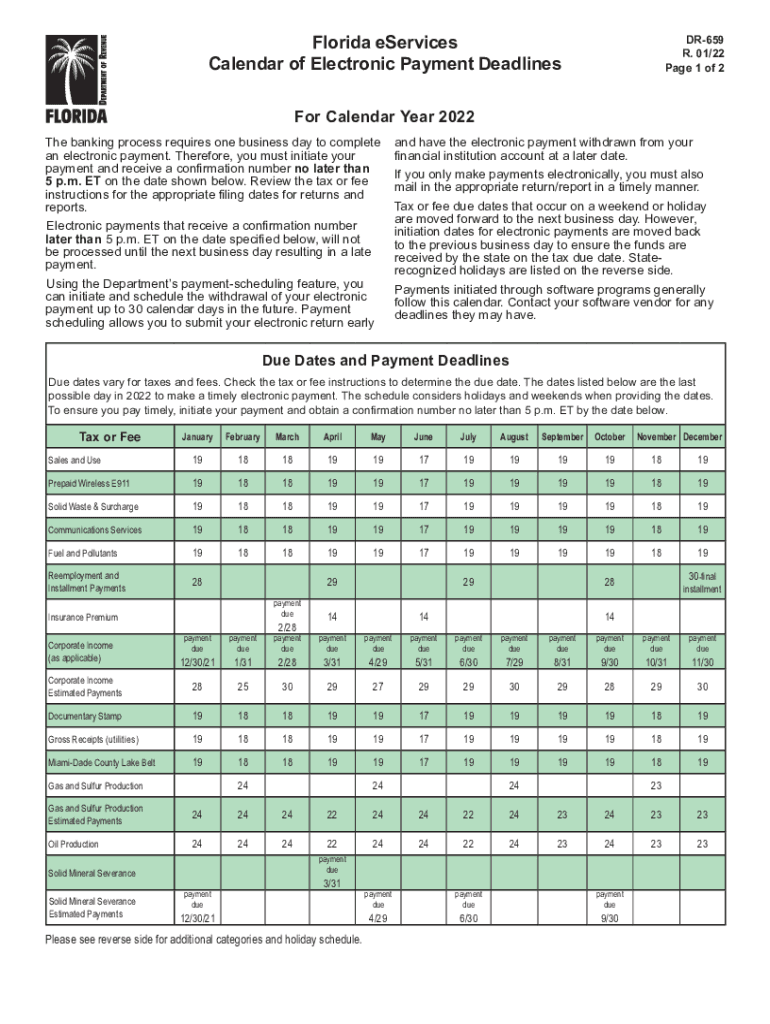
Unlike many states, Florida prides itself on not having a state income tax, a feature that makes it particularly appealing for residents and businesses alike, and even influences the perceived value of an extended stay for remote workers or retirees. However, this doesn’t mean the state is devoid of taxes. Instead, its revenue is primarily generated through sales tax, property tax, and a range of other specific levies, some of which directly affect tourists and the tourism industry. Navigating these various obligations and their deadlines is key to a hassle-free visit or residency. This comprehensive guide aims to demystify Florida’s tax system, focusing on what visitors, prospective residents, and property owners need to know about when taxes are due, all within the context of planning your ideal Florida travel and lifestyle.
Understanding Florida’s Tax Landscape for Visitors and Tourists
For anyone planning a trip to the Sunshine State, from a weekend getaway to a month-long exploration, taxes are an inevitable part of the financial equation. While tourists generally don’t concern themselves with property tax deadlines, two main forms of taxation will certainly influence their travel budget and spending habits: sales tax and the tourist development tax. Understanding how and when these are applied can help travelers manage their finances more effectively, whether they’re indulging in luxury experiences or adhering to a strict budget travel plan.
Sales Tax: A Daily Consideration
Florida’s sales tax is a consumption tax applied to most goods and services purchased within the state. The statewide sales tax rate is currently 6%, but many counties levy an additional discretionary sales surtax, which can push the total up to 7.5% or even higher in some areas. This tax is typically collected at the point of sale, meaning it’s “due” every time you make a purchase. For a traveler, this impacts virtually every aspect of their trip:
- Dining Out: Whether you’re enjoying fresh seafood in Key West, savoring international cuisine in South Beach, or grabbing a quick bite near Busch Gardens Tampa Bay, the sales tax will be added to your bill. This is a continuous “due” payment throughout your stay.
- Shopping: From souvenirs at Walt Disney World and designer brands in Bal Harbour Shops to everyday necessities at a local grocery store (though most groceries are exempt), sales tax applies. For those indulging in luxury travel shopping, understanding the tax implications on high-value purchases is crucial.
- Attractions and Entertainment: Tickets to theme parks like Universal Studios Florida, museums such as the Salvador Dalí Museum in St. Petersburg, concerts, and other recreational activities will all include sales tax. This means the price you see advertised often isn’t the final price you pay.
- Car Rentals: If you’re renting a car to explore the diverse landscapes from the Everglades National Park to the Space Coast, sales tax will be applied to the rental fee.
For most goods and services, the sales tax is collected by the vendor at the time of purchase and subsequently remitted to the Florida Department of Revenue. As a consumer, you simply pay it when you buy, so there are no personal “due dates” to remember for sales tax beyond the point of transaction.
Tourist Development Tax (Resort Tax): Accommodation Essentials
Often referred to as the “bed tax” or “resort tax,” the Tourist Development Tax (TDT) is levied specifically on the rental of transient accommodations. This includes hotels, motels, vacation rentals, apartments, condos, and timeshare resorts rented for six months or less. The TDT is an additional local tax, meaning its rate varies significantly by county, typically ranging from 2% to 6%. It is always on top of the statewide 6% sales tax.
For visitors, understanding the TDT is vital because it directly impacts the total cost of their accommodation. When searching for hotels in Naples, vacation villas in Kissimmee, or booking a charming apartment in St. Augustine, remember that the advertised nightly rate might not include these additional taxes. The TDT, much like sales tax, is collected by the accommodation provider at the time of payment for your stay. Therefore, for the traveler, it’s “due” when you check in or check out, depending on the establishment’s policy. This is a critical factor when comparing hotel prices or budgeting for long-term stays, as these taxes can add a significant amount to your total bill, especially for luxury resorts or extended visits.
The revenue generated from the TDT is primarily used to fund tourism-related infrastructure, marketing, and cultural programs within the county where it’s collected. This means your “bed tax” contributes directly to enhancing the very attractions, landmarks, and experiences that draw people to Florida, making it a sustainable funding source for the tourism industry.
Important Tax Deadlines for Florida Residents and Property Owners
While visitors primarily encounter consumption taxes, those considering a lifestyle change, purchasing a vacation home, or becoming full-time residents in Florida will need to navigate a more intricate web of tax obligations, primarily centered around property ownership. Florida’s tax system is designed to be appealing to residents, particularly with the absence of state income tax and attractive homestead exemptions, but understanding the deadlines for other significant taxes is crucial for financial planning and avoiding penalties.
Property Taxes: A Cornerstone of Florida Living
Property taxes are a cornerstone of funding local government services, including schools, law enforcement, and infrastructure. In Florida, property taxes are levied by local governments (counties, cities, and special districts) and are based on the assessed value of real estate. For homeowners, understanding the annual cycle of property taxes is paramount.
- Assessment and Valuation: Property values are assessed annually as of January 1st by the county property appraiser. Notices of Proposed Property Taxes (TRIM notices) are typically mailed in August, informing property owners of their proposed values and estimated taxes. This is a critical period for review, as it allows property owners to appeal the valuation if they believe it’s incorrect.
- Tax Bill Mailing: Official property tax bills are usually mailed out by the county tax collector around November 1st of each year.
- Payment Due Dates and Discounts:
- Property taxes become due on November 1st.
- Discounts for Early Payment: Florida offers significant incentives for early payment:
- A 4% discount if paid in November.
- A 3% discount if paid in December.
- A 2% discount if paid in January.
- A 1% discount if paid in February.
- Full Payment Due: The full amount of property taxes (without any discount) is due by March 31st of the following year.
- Delinquency: Property taxes become delinquent on April 1st. Unpaid taxes will incur penalties, and the property can eventually be subject to a tax certificate sale, which can lead to foreclosure if taxes remain unpaid for an extended period.
For those planning long-term accommodation, buying a vacation villa in Sarasota, a retirement home in The Villages, or a luxury estate in Palm Beach, these deadlines and discount opportunities are vital for budget management. Choosing to pay in November can result in substantial savings, making the decision about when to pay as important as the amount itself. This tax structure is a key consideration for anyone looking to invest in Florida real estate, whether for personal use or as a rental property.
Business Taxes and Licensing: For Entrepreneurs and Operators
For individuals or companies operating businesses in Florida’s thriving tourism and hospitality sectors—from managing hotels and resorts in Tampa to operating tour companies along the Atlantic Coast—understanding specific business tax obligations and their due dates is paramount. While this guide primarily focuses on consumer-facing taxes and property taxes, a brief overview is useful for context.
- Corporate Income Tax: Businesses operating as corporations in Florida are subject to a corporate income tax. The filing deadline is generally the 1st day of the 5th month following the end of the corporation’s tax year (e.g., May 1st for calendar year filers). Estimated tax payments may be required throughout the year.
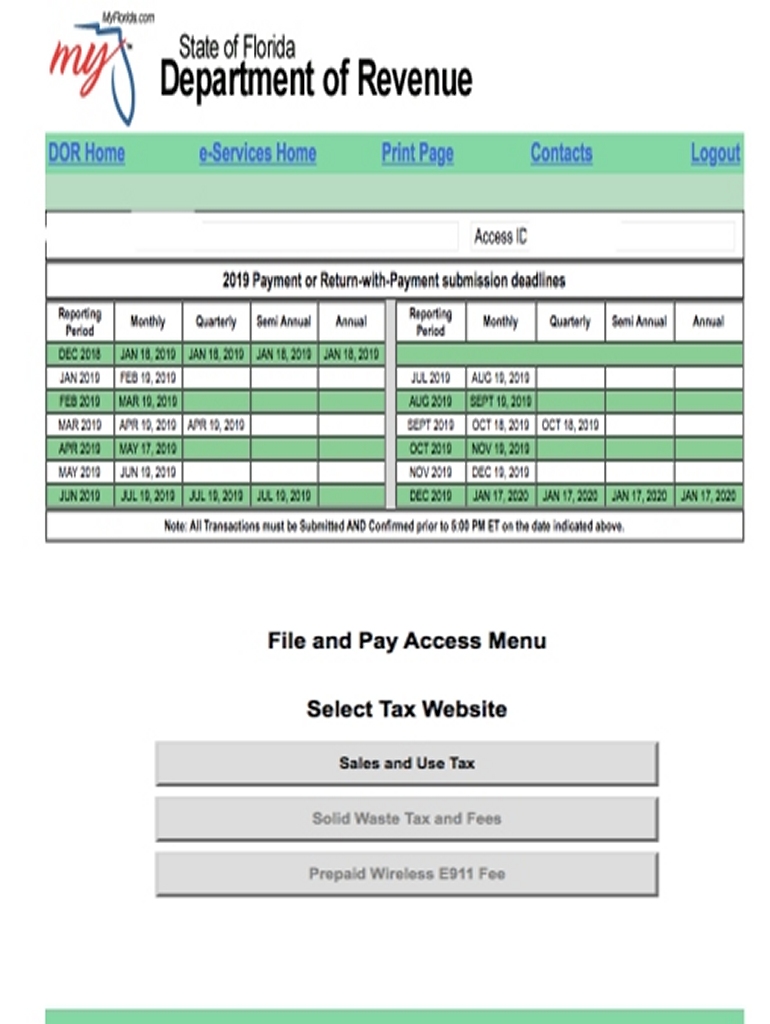
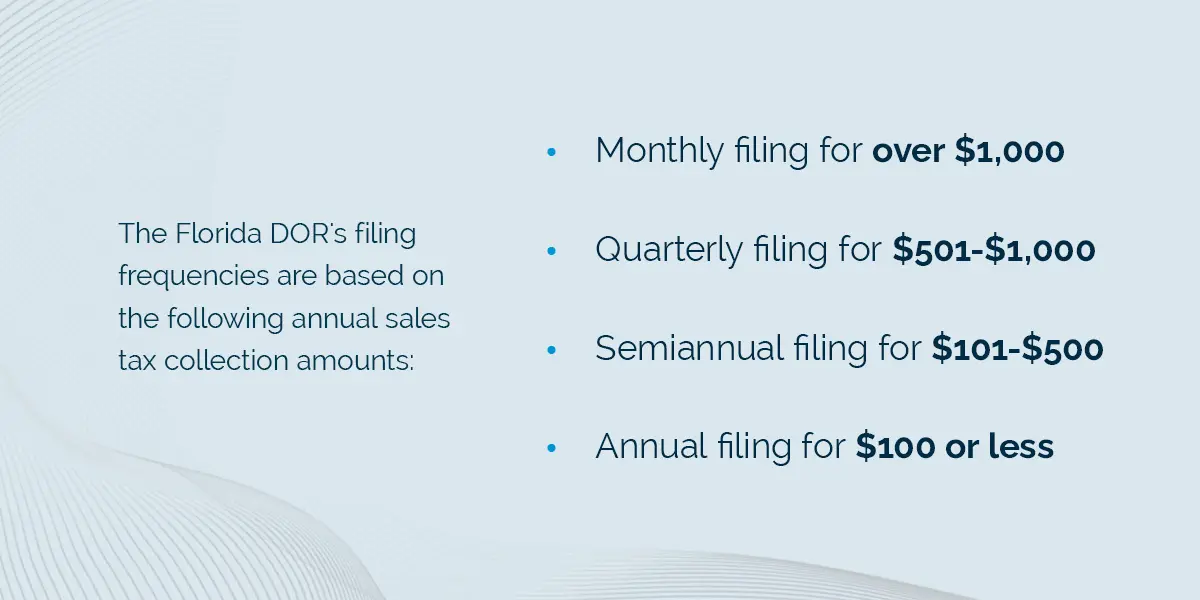
- Sales Tax and Tourist Development Tax Remittance: Businesses that collect sales tax and TDT (like hotels, restaurants, and retail shops) are responsible for remitting these funds to the Florida Department of Revenue. The frequency of remittance (monthly, quarterly, or annually) depends on the amount of tax collected. Most larger businesses remit monthly, with due dates typically on the 20th day of the month following the collection period. Failure to remit these taxes on time can result in penalties and interest.
- Reemployment Tax (Unemployment Tax): Employers in Florida are subject to reemployment tax, which funds unemployment benefits. Reports and payments are generally due quarterly, on the last day of the month following the end of the quarter (e.g., April 30th for the first quarter).
- Tangible Personal Property Tax: Businesses owning tangible personal property (furniture, fixtures, equipment) used for income-producing purposes may be subject to this local tax, which follows a similar assessment and payment schedule to real property taxes.
For entrepreneurs considering opening a new hotel in Jacksonville or a boutique shop on the Gulf Coast, being aware of these ongoing tax responsibilities and their precise due dates is critical for business planning and compliance.
Navigating Florida’s Tax Benefits and Exemptions
Florida’s tax structure isn’t just about what’s due; it also offers significant benefits and exemptions that can make the state an even more attractive place for travel, long-term stays, and residency. For those considering a permanent move or extended stay, understanding these advantages can greatly influence financial planning and overall lifestyle costs.
Homestead Exemption: A Boon for Homeowners
One of Florida’s most significant tax benefits for residents is the Homestead Exemption. This exemption reduces the taxable value of a primary residence, thereby lowering the property tax bill. If you own a home in Florida and reside there as your permanent residence, you may be eligible for an exemption of up to $50,000 off your home’s assessed value.
- Eligibility: To qualify, you must own the property and make it your permanent home as of January 1st of the year you are applying.
- Application Deadline: Applications for the homestead exemption must typically be filed with the county property appraiser’s office by March 1st of the year for which you are applying. Once approved, it generally renews automatically each year as long as you remain eligible.
- Impact on Lifestyle: The homestead exemption, combined with the “Save Our Homes” amendment (which limits annual increases in the assessed value of homesteaded properties), provides substantial long-term property tax savings. This makes homeownership in Florida more affordable and is a major draw for retirees, families, and anyone seeking a stable, long-term accommodation solution in the state. It influences decisions on where to settle, from bustling urban centers to serene coastal communities.
Sales Tax Exemptions: Savvy Spending in the Sunshine State
While sales tax applies to most goods and services, Florida does offer specific exemptions that can benefit both residents and visitors, allowing for savvy spending and potentially lowering the overall cost of a trip or daily living.
- Groceries: Most food items purchased for home consumption are exempt from sales tax. This is a significant relief for families on budget trips or those managing long-term stays, as grocery bills can be a considerable expense.
- Prescription Medicine: Essential health-related items, including prescription medications, are also exempt.
- Certain Services: Specific professional services are not subject to sales tax.
- “Sales Tax Holidays”: Occasionally, the Florida Legislature approves sales tax holidays for certain items, such as back-to-school supplies, hurricane preparedness items, or energy-efficient appliances. These periods allow consumers to purchase qualifying items without paying sales tax. While the dates vary year to year, keeping an eye on these announcements, often occurring in late summer or before hurricane season, can offer opportunities for savings. These holidays are particularly beneficial for families planning trips around these times, allowing them to stock up on essentials tax-free.
Planning Your Florida Lifestyle: Beyond the Tax Bill
Understanding when taxes are due in Florida is more than just about avoiding penalties; it’s about intelligently planning your travel, accommodation, and lifestyle choices in this captivating state. Florida’s distinctive tax environment, particularly the absence of a state income tax, has a profound impact on its appeal, fostering a vibrant tourism economy and attracting residents seeking a different quality of life.
For travelers, knowing about the sales tax and tourist development tax helps in budgeting for everything from a luxurious stay at a Ritz-Carlton resort to a charming bed and breakfast. It influences decisions about how much to allocate for dining, entertainment, and souvenir shopping, ensuring a more relaxed and financially sound vacation experience. Whether you’re exploring the historic streets of Pensacola, diving into the clear waters off Anna Maria Island, or enjoying the nightlife in Fort Lauderdale, these taxes are a small, but omnipresent, part of the transaction.
For those considering a longer-term stay or a permanent move, the property tax deadlines and the invaluable homestead exemption become central to financial planning. Florida offers diverse communities, from the bustling metropolis of Miami to the tranquil natural beauty of Sanibel Island, each with its unique charm and property tax considerations. The ability to save on property taxes and the absence of a state income tax often offsets other costs, making Florida an attractive option for retirement, remote work, or business ventures in the hospitality industry. These factors contribute significantly to the overall lifestyle equation, allowing individuals and families to stretch their budgets further and enjoy the abundant amenities and natural wonders the state offers.
In conclusion, “When are taxes due in Florida?” is a multifaceted question with different answers depending on your role—whether you are a tourist, a new resident, or a long-standing property owner. For visitors, sales tax and tourist development tax are daily considerations, due at the point of sale or accommodation booking. For residents and property owners, property taxes have a clear annual cycle, with incentives for early payment before the March 31st deadline. By familiarizing yourself with these key dates and structures, you can ensure a smoother, more enjoyable, and financially astute experience in the Sunshine State, maximizing your enjoyment of its unique travel, accommodation, and lifestyle offerings.
LifeOutOfTheBox is a participant in the Amazon Services LLC Associates Program, an affiliate advertising program designed to provide a means for sites to earn advertising fees by advertising and linking to Amazon.com. Amazon, the Amazon logo, AmazonSupply, and the AmazonSupply logo are trademarks of Amazon.com, Inc. or its affiliates. As an Amazon Associate we earn affiliate commissions from qualifying purchases.