
Florida, often dubbed the Sunshine State, beckons millions of visitors annually with its pristine beaches, vibrant cities, and world-class attractions. From the magical theme parks of Orlando to the sun-drenched shores of Miami, and the tranquil natural beauty of the Florida Keys, it’s a premier destination for every type of traveler. However, a crucial aspect of planning a trip to this popular state involves understanding its hurricane season. While the thought of a hurricane might seem daunting, informed preparation and flexibility can ensure a safe and enjoyable experience, even during these months. This comprehensive guide aims to equip travelers with the knowledge needed to navigate [Florida]’s hurricane season, offering insights into optimal travel planning, accommodation choices, and how to make the most of your visit while prioritizing safety.
Understanding Florida’s Hurricane Season
Knowing when hurricanes typically impact [Florida] is the first step in planning any trip to the region. The state’s geographical position, nestled between the warm waters of the Atlantic Ocean and the Gulf of Mexico, with the Caribbean Sea to its south, makes it susceptible to tropical weather systems.
The Official Calendar
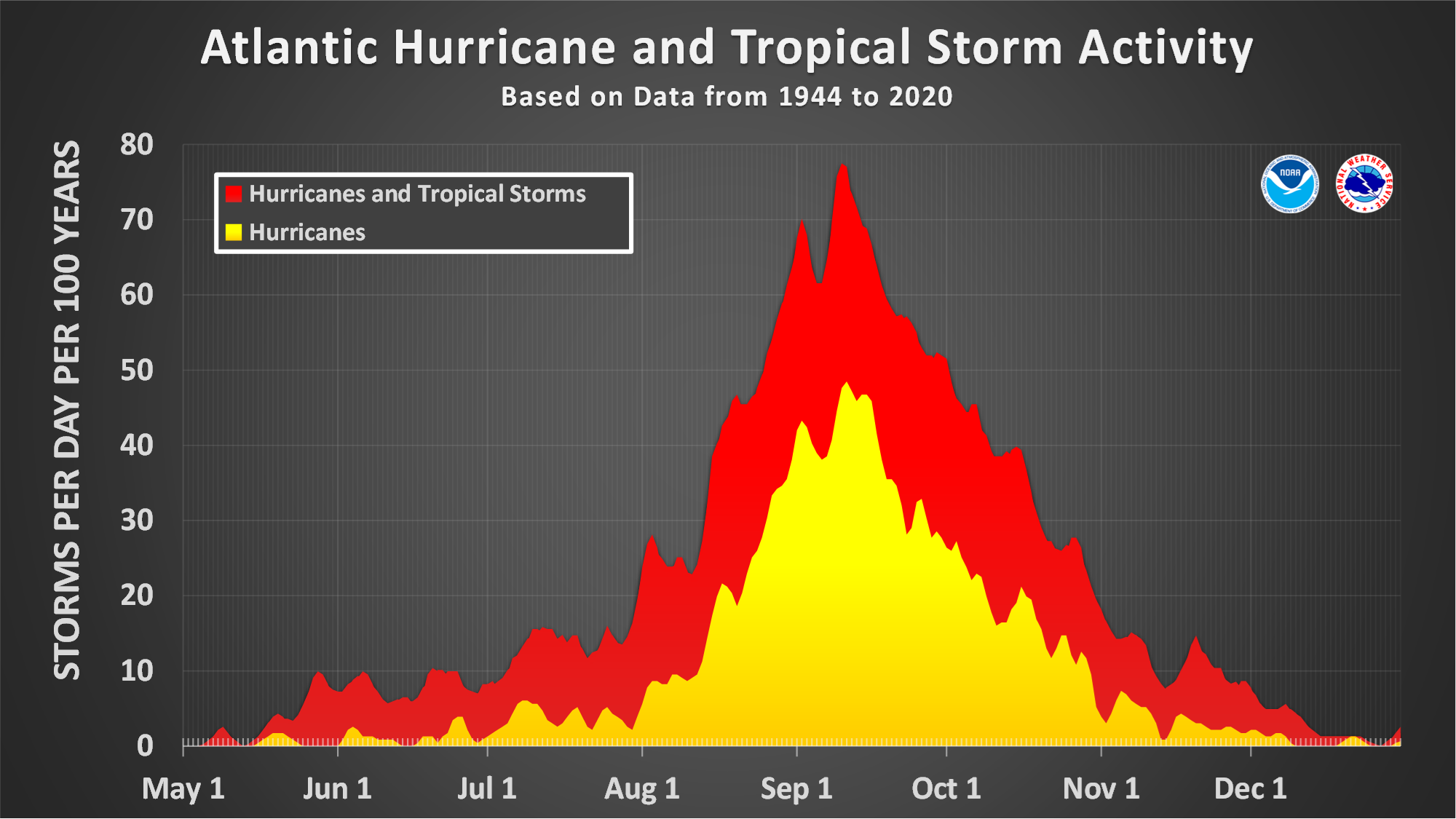
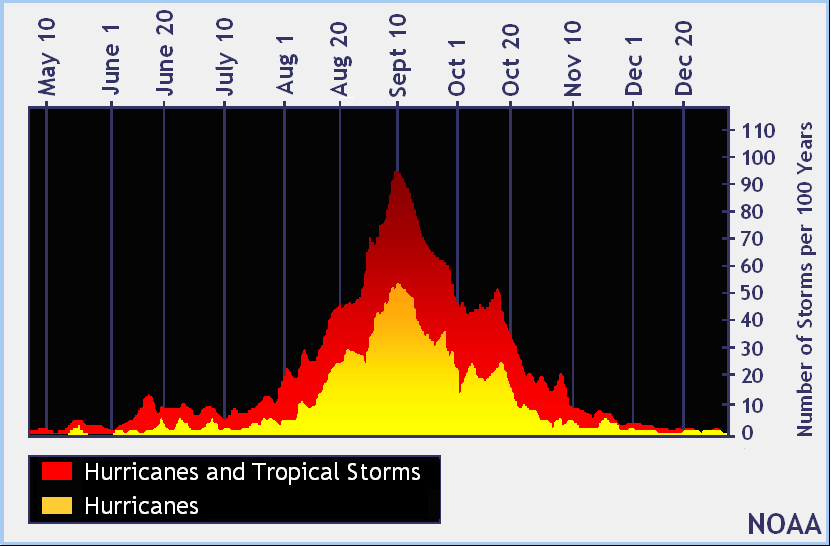
The official Atlantic hurricane season runs annually from June 1st to November 30th. During this six-month period, conditions in the ocean are typically warm enough to support the formation and strengthening of tropical depressions, tropical storms, and hurricanes. It’s a timeframe determined by historical weather patterns, indicating when the probability of such events is highest. While storms can occasionally form outside these dates, they are rare and often less intense. For travelers, this means that any visit within this window carries a degree of risk, though the probability of direct impact on a specific location on any given day remains relatively low. Nevertheless, awareness is key, and monitoring forecasts becomes an important part of travel planning.
Peak Activity and Historical Trends
While the season spans six months, not all months carry the same risk. The peak of hurricane season in [Florida] typically occurs from mid-August through late October, with September historically being the most active month for tropical cyclone formation and landfalls in the United States. During this peak period, ocean temperatures are at their warmest, and atmospheric conditions are often most favorable for storm development and intensification.
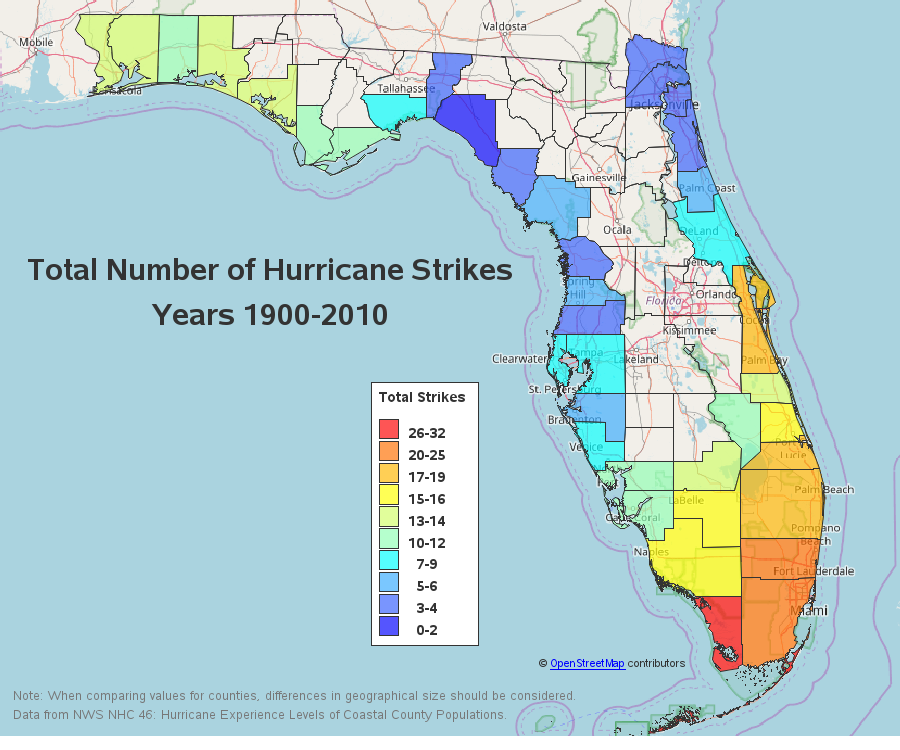
Historically, [Florida] has experienced significant hurricane activity, with storms impacting various parts of its extensive coastline. Different regions of the state can be affected differently. For example, the [Florida Keys] and [South Florida] (including [Miami] and Fort Lauderdale) are particularly vulnerable due to their southern latitude and proximity to the main development region of the [Atlantic Ocean]. The [Gulf Coast] cities like Tampa, Sarasota, Naples, and Destin also face significant risks, especially from storms tracking across the [Gulf of Mexico]. Meanwhile, the central part of the state, including [Orlando], while not directly on the coast, can still experience heavy rains, strong winds, and potential flooding from landfalling storms. The [Panhandle] and [Northeast Florida] (such as Jacksonville and St. Augustine) have also seen their share of powerful hurricanes. Staying informed through reliable sources like the National Hurricane Center is paramount for anyone considering travel during these months.
Navigating Your Florida Trip During Hurricane Season
Traveling to [Florida] during hurricane season doesn’t mean canceling your plans entirely. Instead, it requires a more strategic and flexible approach to ensure your trip is both safe and enjoyable. The key lies in thorough preparation and understanding the contingencies involved.
The Prudent Traveler’s Checklist
- Travel Insurance: This is perhaps the most crucial item for anyone traveling to [Florida] during hurricane season. Look for comprehensive travel insurance policies that specifically cover trip cancellations or interruptions due to adverse weather events, including hurricanes. Ensure the policy covers flights, accommodation, and pre-booked activities. Read the fine print carefully, as some policies have “cut-off” dates for purchasing coverage once a storm has been named or is threatening.
- Flexible Bookings: When booking flights and accommodations, opt for options with lenient cancellation or change policies. Many airlines and hotels offer waivers during declared hurricane threats, but having an inherently flexible booking provides an extra layer of security. This flexibility might mean slightly higher upfront costs but offers invaluable peace of mind.
- Stay Informed: Before and during your trip, make it a habit to monitor weather forecasts daily. Utilize official sources like the National Hurricane Center and local weather advisories. Many local news outlets in [Florida] provide excellent, real-time updates specific to their region. If a storm is brewing, pay attention to its projected path and intensity.
- Communication Plan: Have a communication plan with family and friends. Share your itinerary and contact information. If traveling internationally, inform your embassy or consulate of your travel plans. Ensure your cell phone is fully charged, and consider carrying a portable power bank.
- Emergency Kit: While most [resorts] and hotels have emergency plans, it’s wise to pack a small personal emergency kit. This might include essential medications, a first-aid kit, a flashlight, extra batteries, non-perishable snacks, and bottled water.
- Review Hotel/Accommodation Policies: Familiarize yourself with your hotel’s hurricane policy, often referred to as a “hurricane guarantee.” Many properties, especially larger [resorts], offer full refunds or the option to rebook without penalty if a hurricane warning is issued for the area.
Choosing Your Destination Wisely
While all of [Florida] is technically vulnerable, some areas might offer slightly different considerations during hurricane season. Inland destinations like [Orlando] are less prone to storm surge, though they can still experience heavy rains and high winds that impact attractions. Coastal areas, particularly the [Florida Keys] and barrier islands, are more susceptible to direct impacts and mandatory evacuations due to storm surge.
For those planning activities centered around the ocean, such as diving in [Key West] or beach relaxation in [South Beach], being aware of the peak season is even more critical. Inland activities like exploring Everglades National Park or visiting the Kennedy Space Center Visitor Complex might be less directly affected by coastal storm surge but can still be impacted by heavy rainfall and wind. Choosing a destination with robust infrastructure and a proven track record of handling emergencies can add a layer of comfort. Cities like [Orlando] with its many theme parks such as Walt Disney World Resort and Universal Orlando Resort, often have sophisticated emergency plans and resilient tourism industries.
Alternatively, consider the shoulder months of the hurricane season – early [June] or late [November]. While still within the official season, these months statistically have lower chances of major hurricane activity, often offering pleasant weather and fewer crowds.
Accommodation, Tourism, and Lifestyle During Storm Season
Understanding how hurricane season might affect your stay, your planned activities, and your overall travel style is crucial for a fulfilling [Florida] experience. The state’s diverse offerings, from luxurious [resorts] to [budget travel] options, all have unique considerations.
Hotel and Resort Policies: What to Look For
When booking [accommodation] during hurricane season, delve into the specifics of their cancellation and refund policies. Leading hotel chains like Marriott, Hilton, and Hyatt often have well-defined hurricane policies, usually posted on their websites. These “hurricane guarantees” typically allow guests to cancel or reschedule their reservations without penalty if a hurricane warning is issued for the specific property or their point of origin. Some may even provide credit for future stays.
Beyond cancellation, inquire about the property’s on-site emergency preparedness. Does the [resort] have backup power? Are there designated storm shelters? What are their communication protocols during a storm? For those considering [long-term stays] in [apartments] or [villas], understanding the local evacuation zones and having a direct line of communication with the property manager is essential. Amenities such as indoor pools, spas, or game rooms might become valuable if outdoor activities are curtailed due to weather. Reviews on booking platforms or direct comparison sites can also offer insights into how properties have handled past weather events.
Experiencing Florida Safely: Attractions and Activities
[Florida]’s vast array of [attractions] and [landmarks] can be impacted by hurricane season. Theme parks like [Walt Disney World Resort], [Universal Orlando Resort], Busch Gardens Tampa Bay, and SeaWorld Orlando have sophisticated weather monitoring systems and protocols. They typically close well in advance of a significant storm’s arrival and reopen swiftly once conditions are safe. Always check their official websites or social media for real-time updates.For outdoor [nature] attractions, such as beaches, state parks, or [Everglades National Park], closures are more common due to high winds, heavy surf, or flooding. Historic sites like those in St. Augustine might also close temporarily for safety inspections.
Embracing [local culture] and indoor [activities] can be a great way to enjoy [Florida] during potentially wet periods. Explore museums, art galleries, aquariums, or indulge in the state’s diverse [food] scene. Many cities offer fantastic indoor shopping malls and entertainment complexes. Be flexible with your itinerary, and have backup plans for rainy or windy days. Tourism [tips] often suggest having a list of indoor alternatives ready.
Tailoring Your Trip: Luxury to Budget and Family Considerations
- Luxury Travel: Guests in [luxury travel] accommodations may find added perks during hurricane season, such as dedicated concierge services to assist with rebooking, on-site gourmet dining options, and robust emergency plans within their [suites] or [villas]. These [resorts] often prioritize guest safety with advanced storm-proofing and comprehensive communication systems.
- Budget Travel: For those on a [budget travel] plan, flexibility is even more critical. Opt for refundable flights and accommodation. Consider traveling during the shoulder weeks of hurricane season (early [June] or late [November]) when prices are generally lower and hurricane risk is diminished. Utilize public transport where possible and have a clear understanding of evacuation routes if you are not in a full-service hotel.
- Family Trips: When planning [family trips] with children, safety is paramount. Choose destinations with family-friendly emergency services and consider resorts that offer children’s programs and indoor activities as a contingency. Having a clear family emergency plan and discussing it with your children can also provide reassurance. Ensure you have adequate supplies for young ones, including specific foods, medications, and comfort items.
- Business Stays: For [business stays], ensure your company’s travel policy covers hurricane-related disruptions. Book flights and hotels that allow for easy modifications. Have a clear communication plan with your colleagues and clients, and be prepared to work remotely if necessary. Access to reliable Wi-Fi and power is critical.
Preparing for the Unexpected: Before, During, and After
While the odds of your trip being directly impacted by a hurricane are relatively low, being prepared for the unexpected is always the best approach. [Florida] has well-established emergency management systems, and adhering to local guidance is paramount.
Pre-Trip Essentials
Before even packing your bags, ensure you have copies of important documents (passport, ID, insurance papers) stored digitally and physically. Note down emergency contact numbers for your hotel, airline, and local authorities. Research local emergency management agency websites for the specific areas you plan to visit, as they often provide valuable resources on evacuation zones and shelter locations. Consider downloading local weather apps or emergency alert apps for your destination, such as those provided by local [St. Petersburg], [Jacksonville], or [Palm Beach] counties. If driving, familiarize yourself with potential evacuation routes. Packing adaptable clothing for both sunny and potentially very wet or windy conditions is also a good idea.
During a Storm: Staying Informed and Safe
If a hurricane or tropical storm is threatening during your visit, your primary focus should be safety.
- Heed Local Warnings: Always follow the instructions of local authorities, emergency services, and your [accommodation] provider. If an evacuation order is issued for your area, leave immediately. Do not delay.
- Stay Informed: Keep abreast of the latest weather updates via local television, radio, or emergency apps. Many hotels will have designated channels for providing guest updates.
- Shelter in Place: If no evacuation is ordered, your hotel or [resort] will typically have a plan for sheltering guests. Stay indoors, away from windows, and follow all instructions from staff. Do not venture outside during the storm.
- Emergency Supplies: Have your personal emergency kit readily accessible.
- Communicate: Inform family and friends that you are safe, but conserve phone battery if power outages are possible.
Post-Storm Recovery and Reassessment
After a storm passes, the immediate aftermath can present new challenges.
- Assess Situation: Do not leave your shelter until authorities declare it safe. Roads might be flooded or blocked by debris, and power lines could be down.
- Contact Information: Reach out to your airline and hotel to confirm operational status. Services might be delayed or temporarily suspended.
- Safety First: Be aware of potential hazards such as downed power lines, damaged structures, and standing water which could hide dangers.
- Reassess Travel Plans: If your trip was cut short or significantly disrupted, work with your travel insurance provider, airline, and hotel to reschedule or claim refunds. Be patient, as communication lines and services may be overwhelmed in the immediate wake of a storm. Local residents are often focused on their own recovery, so be considerate and understand that tourism infrastructure may take time to fully restore, even in popular destinations like [Amelia Island] or [St. Petersburg].