
Planning a trip to the Sunshine State can be an exhilarating experience, filled with visions of sun-drenched beaches, thrilling theme parks, and vibrant cultural explorations. However, for many travelers, especially families, a crucial piece of information often overlooked can significantly impact the quality and cost of their vacation: the local school calendar. The question, “When does Florida schools start?” is more than just a logistical query for residents; it’s a key to unlocking the best travel experiences, from navigating crowds to securing the most favorable accommodation rates.
Unlike a singular national start date, school calendars in Florida can vary significantly by county and even by individual school district. While there’s a general timeframe, understanding these nuances is paramount for anyone looking to optimize their visit, whether for budget-friendly travel, avoiding peak season throngs, or simply enjoying a more serene escape. This guide delves into the typical school start dates across Florida and, more importantly, explores the profound ripple effect these schedules have on travel, tourism, and the overall lifestyle of visitors to this popular destination.
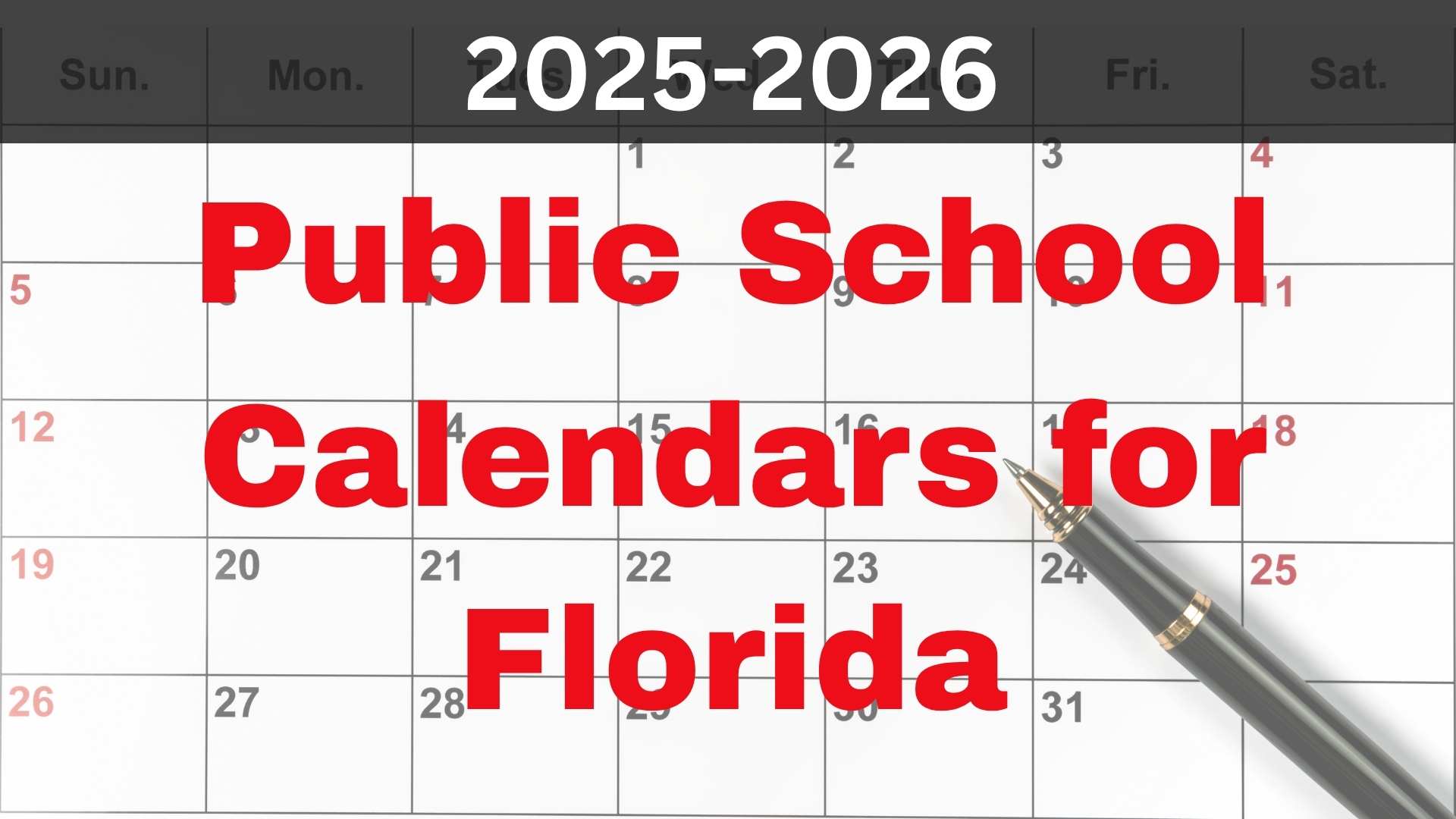
Understanding Florida’s School Calendar: A Traveler’s Essential Guide
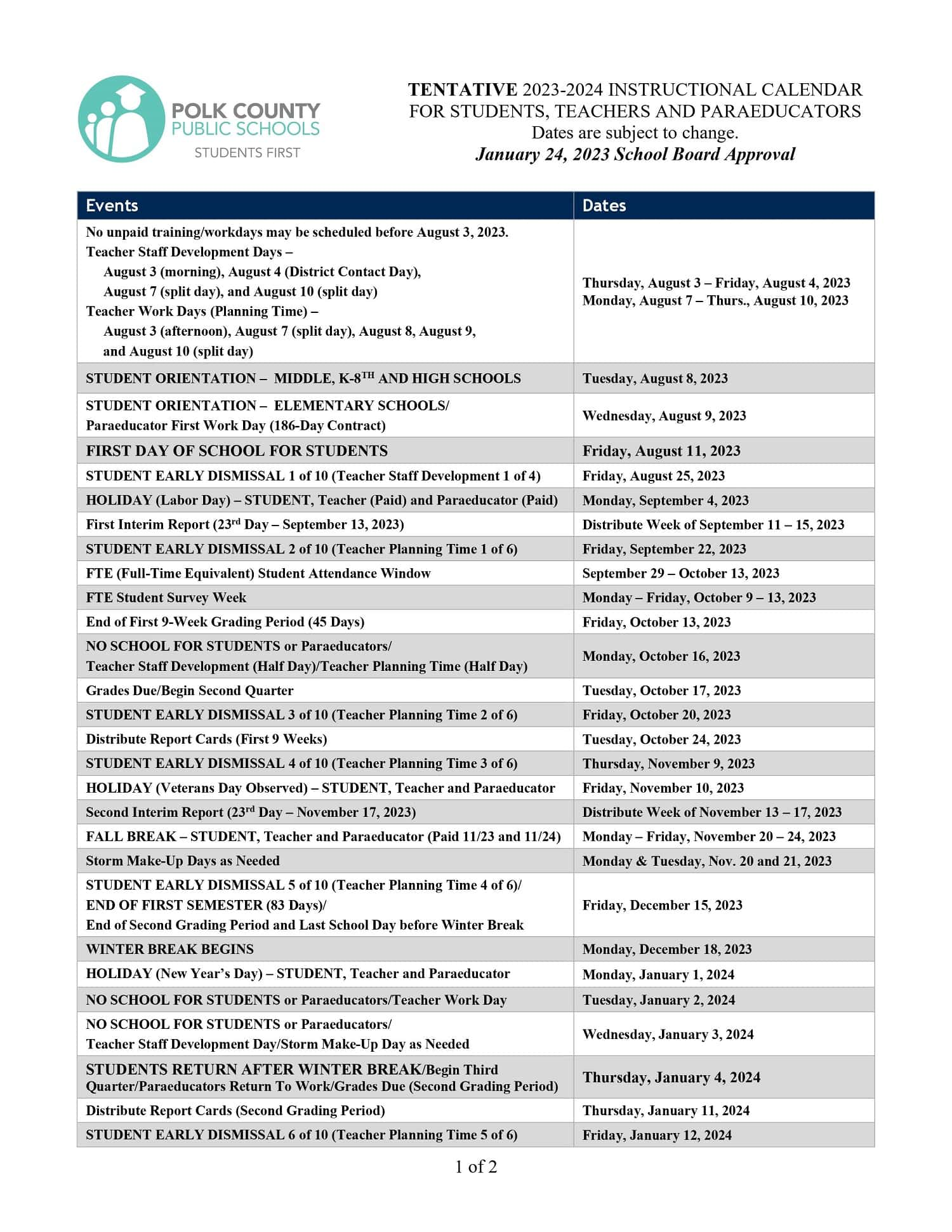
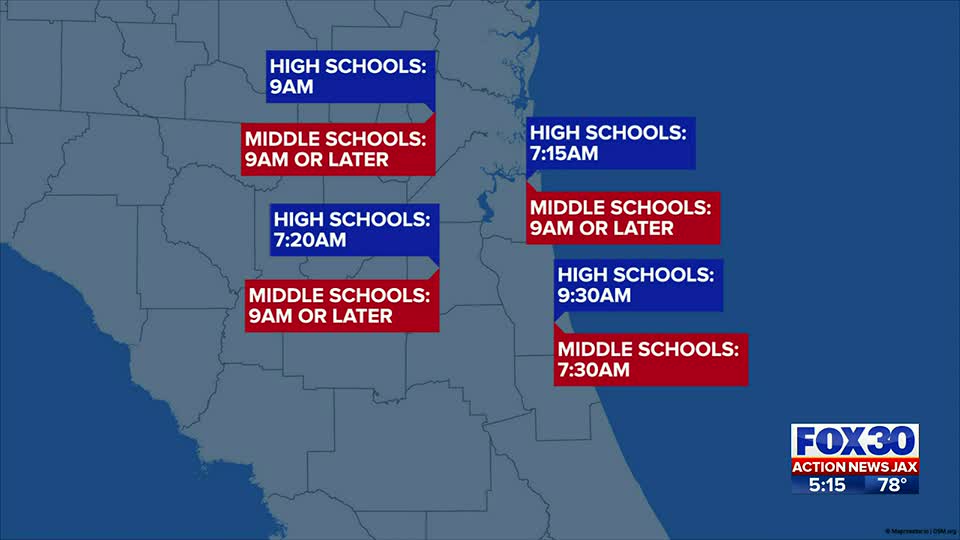
For the vast majority of public elementary, middle, and high schools across Florida, the academic year typically commences in mid-August. While specific dates might shift slightly year to year and from one county to another – for instance, some districts might start the second week of August, while others push it to the third – this general timeframe holds true for most of the Sunshine State. Charter schools and private institutions often have more flexibility, with some opting for an earlier start in late July or early August, and others aligning more closely with public school schedules. Colleges and universities, on the other hand, usually begin their fall semesters in late August or early September.
Why is this important for travelers? Because school schedules are the primary drivers of demand in the tourism industry. When children are out of school, families are free to travel, leading to surges in visitors, higher prices, and longer queues at popular attractions. Conversely, when schools are in session, especially during the non-holiday periods, demand softens, opening up opportunities for more tranquil and often more affordable travel experiences.
Understanding these patterns allows for strategic planning. If your travel party includes school-aged children, your options might be more limited to designated school breaks. However, if you have the flexibility to travel outside these peak times – perhaps you’re an empty nester, a couple without children, or traveling with preschoolers – knowing the Florida school calendar becomes your secret weapon for unlocking exceptional value and unparalleled experiences. It’s about timing your visit to align with your travel goals, whether that’s budget-friendly fun, luxury travel without the crowds, or a deeply immersive cultural experience.
The Ripple Effect: How School Schedules Shape Your Florida Vacation
The school calendar in Florida acts as an invisible hand, subtly (and sometimes not-so-subtly) guiding the ebb and flow of tourist traffic. From the moment students return to classrooms in August until they break for summer in late May or early June, the dynamics of travel across the state undergo significant shifts. These shifts impact everything from the availability of accommodation and the cost of flights to the atmosphere at major landmarks and recreational areas.
Navigating Peak Season: Crowds and Costs
The most noticeable impact of school schedules is during peak travel periods, primarily defined by school holidays. The summer months, beginning in early June and extending through mid-August, represent the absolute peak for family travel. During this time, every child in the country is out of school, making destinations like Orlando exceptionally busy. Iconic theme parks such as Disney World, Universal Orlando Resort, Busch Gardens Tampa Bay, and SeaWorld Orlando experience maximum capacity, leading to extended wait times for rides and shows. The demand for hotel rooms, especially family-friendly hotels and resorts with extensive amenities, skyrockets, driving prices significantly upward.
Beyond summer, other peak periods directly tied to school breaks include Thanksgiving week, the two weeks surrounding Christmas and New Year’s, and the infamous Spring Break period, which typically spans from mid-March to mid-April. During these times, not only do theme parks fill up, but Florida’s pristine beaches like South Beach Miami, Clearwater Beach, and Siesta Key Beach become bustling hubs of activity. Accommodation rates, from standard suites to luxury villas, reach their highest points. Flights into major gateways like Orlando International Airport and Miami International Airport also command premium fares. For those seeking a quiet escape or a budget trip, these periods are best avoided unless you’ve planned meticulously and booked well in advance.
Embracing Shoulder Season: The Savvy Traveler’s Secret
For travelers with flexible schedules, the shoulder seasons – the periods immediately before or after the peak rushes – offer a golden opportunity. These typically include late August and September (after Florida schools have resumed but before the major holiday rush), and May and early June (after Spring Break but before the full summer onslaught).
During these times, the crowds begin to thin, especially at major attractions, making for a more enjoyable experience with shorter wait times. The weather in late August and September, while still warm, can be beautiful, and the intense heat of mid-summer often begins to subside slightly. Similarly, May and early June offer pleasant temperatures before the peak summer humidity sets in.
The real benefit during shoulder season lies in value. Hotel rates, vacation rentals, and even airfare tend to be more competitive. You might find excellent deals on resorts that were prohibitively expensive during peak times. This period is ideal for couples, solo travelers, empty nesters, or families with pre-school aged children who aren’t bound by school calendars. It allows for a more relaxed pace, more spontaneous plans, and the chance to experience Florida’s charm without the intense competition for resources. Consider exploring coastal gems like St. Petersburg or Sarasota, or delving into the vibrant arts scene in cities like Fort Lauderdale.
Off-Peak Advantages: Budget-Friendly and Serene Experiences
For those seeking the ultimate in tranquility and budget-friendly travel, targeting the genuine off-peak seasons is the way to go. These typically include late January through February (excluding any Spring Break weeks or major events like the Daytona 500), and parts of October and November (avoiding Thanksgiving). During these months, students are firmly entrenched in their academic routines, and most families are not traveling.
The advantages are manifold: significantly reduced crowds at all attractions, the lowest prices for accommodation across all categories (from budget apartments to luxury hotels), and often the most pleasant weather conditions, particularly in winter, when the rest of the country is battling cold temperatures. Florida’s subtropical climate truly shines in these months, offering comfortable temperatures for outdoor activities without the oppressive humidity of summer.
This is the perfect time for those interested in exploring Florida’s natural beauty, such as the Everglades National Park or the tranquil beaches of the Panhandle. It’s also ideal for immersing oneself in local culture, visiting museums like The Salvador Dalí Museum in St. Petersburg, or wandering through the historic streets of St. Augustine. Foodies can enjoy culinary experiences in Miami’s Little Havana or the upscale restaurants of Naples without the need for advance reservations. The off-peak season allows for a more authentic, unhurried, and genuinely relaxing experience of the Sunshine State.
Strategic Planning: Maximizing Your Florida Trip Around School Dates
Armed with the knowledge of Florida’s school calendar, travelers can make informed decisions that significantly enhance their vacation experience. Strategic planning goes beyond just knowing the dates; it involves making smart choices about booking, activities, and acknowledging other external factors.
Booking Smart: When to Reserve Your Getaway
For peak season travel (summer, Thanksgiving, Christmas/New Year’s, Spring Break), early booking is not just recommended, it’s essential. Airfare and hotel rooms, particularly at popular resorts like those around Disney World or along the Florida Keys, can be fully booked months in advance. Aim to book flights and accommodation at least 6-9 months out, and even up to a year for highly sought-after villas or specific suites during peak weeks. Dining reservations at popular theme park restaurants should also be secured well in advance, often 60 days out.
During shoulder and off-peak seasons, you have more flexibility. While booking a few months in advance is always a good idea to ensure your preferred choices, last-minute deals are more common. This flexibility can be particularly beneficial for budget travelers or those seeking a spontaneous getaway. Keep an eye on promotions for hotels and attractions during these periods. Comparing options on accommodation booking sites can yield significant savings.
Tailoring Your Itinerary: Activities for Every Season
The time of year you visit should influence your itinerary and the types of experiences you seek.
- Peak Season (Summer, Holidays): Focus on water parks like Volcano Bay at Universal Orlando Resort, early morning theme park visits, and indoor attractions. Consider booking FastPasses or Genie+ at Disney World or Universal Express Passes to minimize wait times. Embrace resort pools and amenities as havens from the crowds.
- Shoulder Season (Late August/September, May/Early June): This is an excellent time for a balanced itinerary. Enjoy slightly less crowded theme parks, explore natural wonders like Biscayne National Park or Bahia Honda State Park in the Florida Keys, and visit charming coastal towns. It’s also a great time for slightly longer road trips across the Sunshine State to places like Amelia Island or Key West, enjoying pleasant weather without extreme heat.
- Off-Peak Season (Late Jan-Feb, Oct-Nov): This is prime time for outdoor activities that might be uncomfortable in summer. Think golf, long walks on secluded beaches, kayaking through mangrove tunnels, exploring historical landmarks like the Vizcaya Museum & Gardens in Miami or the Art Deco Historic District. Visit lesser-known attractions like the Clearwater Marine Aquarium or the Kennedy Space Center Visitor Complex for a more immersive and less crowded experience.
Beyond the School Bell: Other Factors to Consider
While school schedules are a major determinant of your Florida experience, other factors also play a role:
- Hurricane Season: This officially runs from June 1st to November 30th. While statistically the busiest months are August, September, and October, modern forecasting allows for effective planning. Many travelers opt for travel insurance during these months. Keep in mind that off-peak travel often overlaps with parts of hurricane season.
- Major Holidays and Events: Beyond the traditional school breaks, watch out for major conventions, sporting events (like spring training baseball or college football games), and local festivals that can temporarily inflate prices and crowd levels in specific areas, even during otherwise quiet periods.
- Weather: Florida offers diverse climates. The summers are hot and humid with daily thunderstorms, while winters are mild and dry, especially in the central and southern parts of the state. Your tolerance for heat and humidity should also factor into your decision, particularly for outdoor-heavy itineraries.
Making the Most of Your Florida Adventure
Ultimately, the answer to “When does Florida schools start?” is a powerful piece of information for any prospective visitor. It’s not just about avoiding crowded queues or securing cheaper hotels; it’s about crafting a travel experience that aligns perfectly with your preferences and priorities.
Whether you dream of a bustling family adventure at Magic Kingdom during Christmas, a serene beach escape to Dry Tortugas National Park in the depths of winter, or an enriching cultural journey through Epcot and Hollywood Studios during a quieter shoulder season, understanding the rhythm of the academic year is your guide. By planning strategically and using the school calendar to your advantage, you can transform your trip to the Sunshine State from a good vacation into an unforgettable lifestyle experience, maximizing enjoyment and minimizing stress. So, do your homework, pack your bags, and get ready to discover the magic of Florida on your terms.
LifeOutOfTheBox is a participant in the Amazon Services LLC Associates Program, an affiliate advertising program designed to provide a means for sites to earn advertising fees by advertising and linking to Amazon.com. Amazon, the Amazon logo, AmazonSupply, and the AmazonSupply logo are trademarks of Amazon.com, Inc. or its affiliates. As an Amazon Associate we earn affiliate commissions from qualifying purchases.