
For many, the biannual ritual of “springing forward” and “falling back” is a familiar disruption, a brief jolt to daily routines in the name of maximizing daylight. In the sunny expanse of the Sunshine State, Daylight Saving Time (DST) carries a unique significance, particularly for its vibrant tourism industry and the millions who visit or call it home. While most of the United States observes DST, Florida has taken a distinctive stance, fueling a long-standing debate that impacts everything from travel planning to evening leisure. Understanding when and why clocks change in Florida is crucial for anyone planning a trip, booking accommodations, or simply enjoying the state’s legendary outdoor lifestyle.
Understanding Daylight Saving Time in the Sunshine State
The concept of shifting clocks to make better use of natural daylight has roots stretching back over a century. While the practicalities and benefits are still debated, its impact on daily life, especially in a state like Florida that thrives on outdoor activities and extended daylight hours, is undeniable.
The Rationale Behind the Clock Change
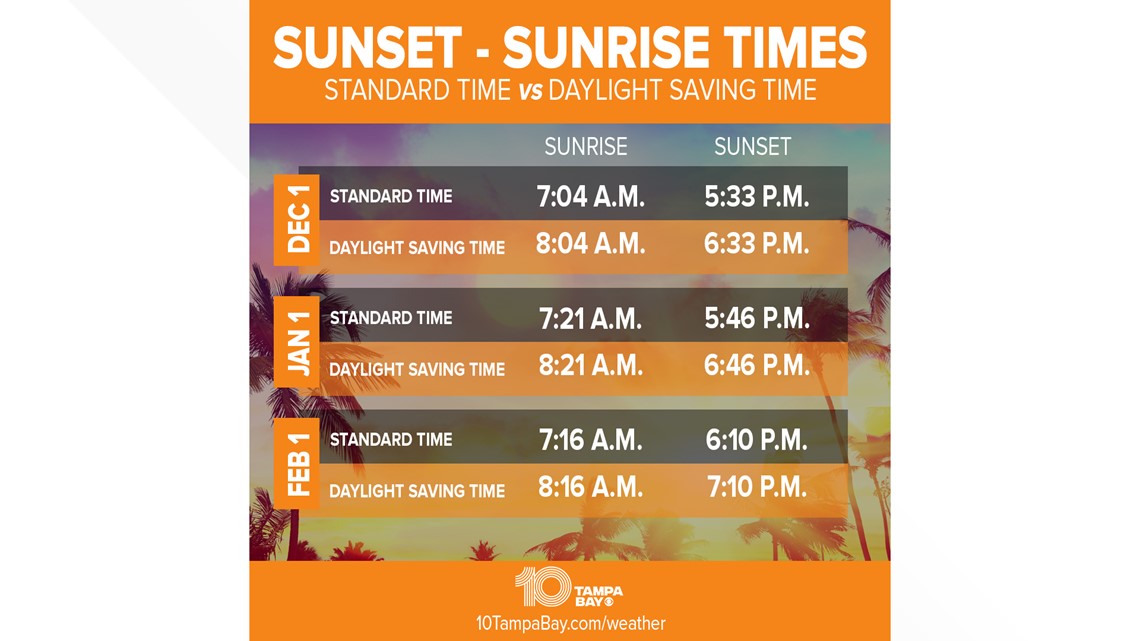
Historically, Daylight Saving Time was primarily adopted to conserve energy during wartime and to allow for more daylight hours in the evenings for work and recreation. By moving clocks forward by one hour in the spring, the goal is to shift an hour of daylight from the morning to the evening. This means sunrises occur later, but sunsets happen later too, theoretically reducing the need for artificial lighting in the evenings. For a destination like Florida, which boasts world-renowned beaches, theme parks, and natural landmarks, that extra hour of evening sunlight can dramatically enhance the visitor experience, extending opportunities for leisure and exploration.
Florida’s Current Observance
Despite its unique legislative efforts, Florida currently observes Daylight Saving Time in alignment with most other states in the United States. This means that clocks in Florida “spring forward” by one hour on the second Sunday in March and “fall back” by one hour on the first Sunday in November.
For example:
- In March, at 2:00 AM Eastern Standard Time (EST), clocks instantly jump to 3:00 AM Eastern Daylight Time (EDT), effectively shortening the night by an hour.
- In November, at 2:00 AM Eastern Daylight Time (EDT), clocks revert to 1:00 AM Eastern Standard Time (EST), lengthening the night.
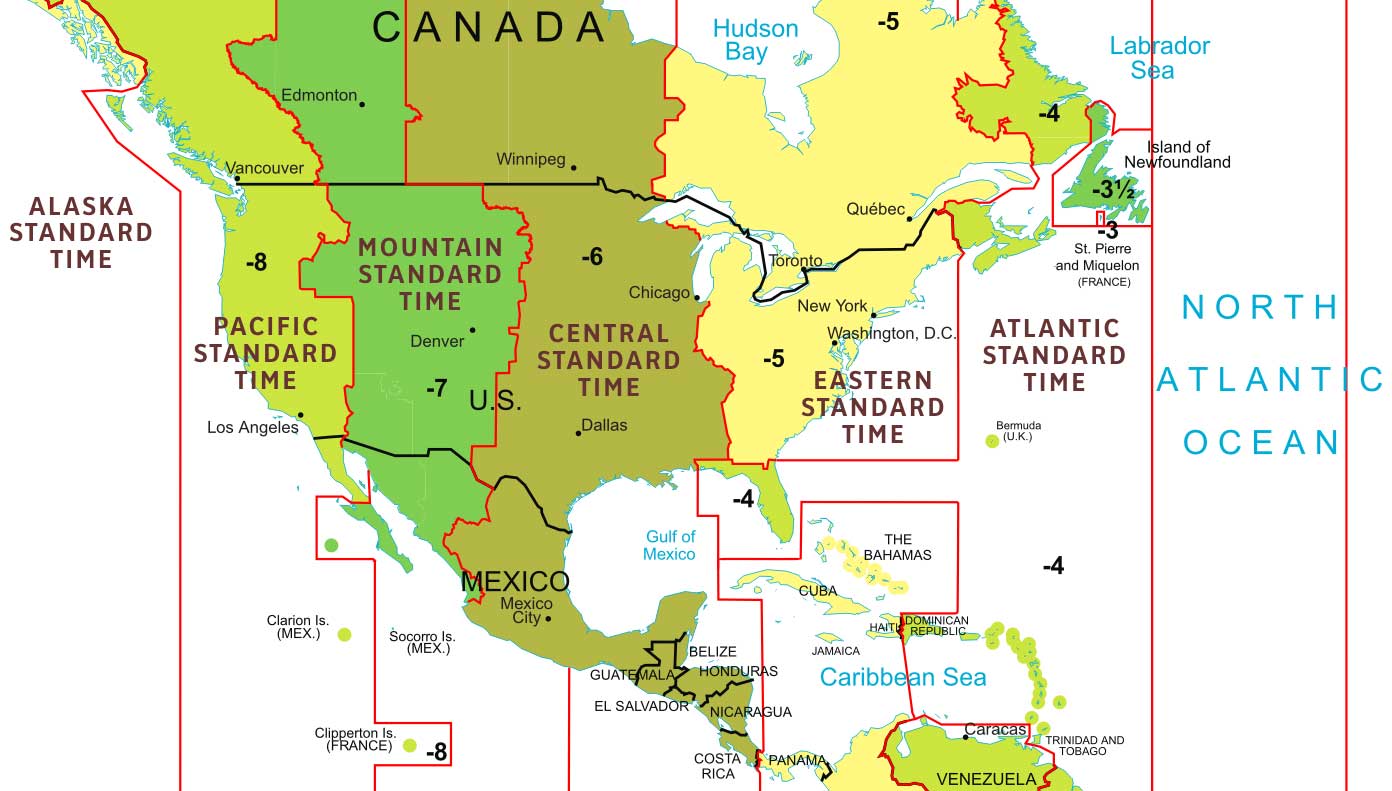
It’s important to note that while most of Florida falls within the Eastern Time Zone, a small portion of the state, primarily in the Florida Panhandle including cities like Pensacola and Tallahassee, observes the Central Time Zone. These areas follow the same “spring forward” and “fall back” rules but operate on Central Daylight Time (CDT) during DST and Central Standard Time (CST) during the rest of the year. This distinction is crucial for travelers moving across the Panhandle or coordinating activities near the Alabama border.
The Sunshine Protection Act and Florida’s Ambition
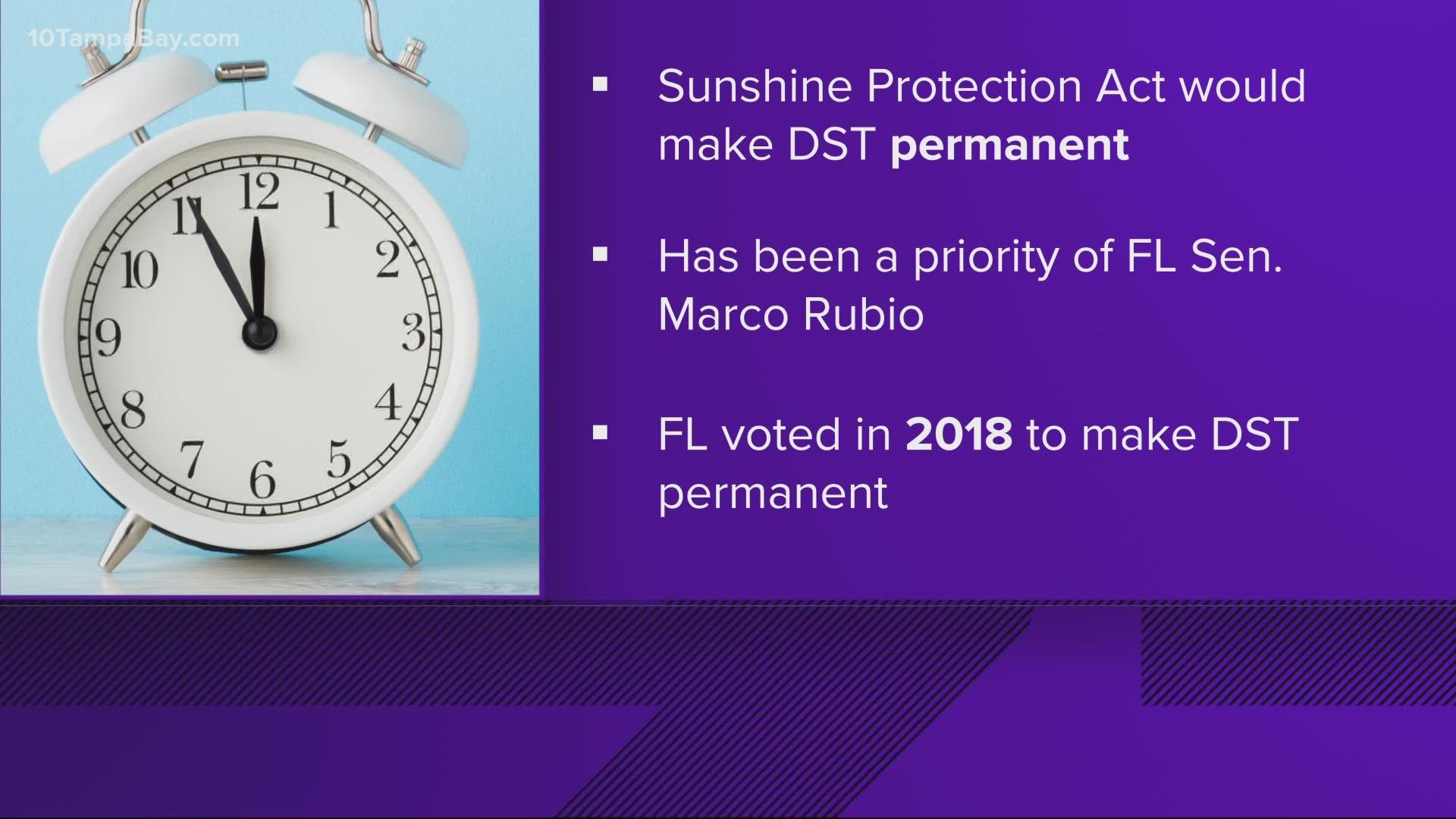
Florida has been a vocal proponent of making Daylight Saving Time permanent. In 2018, the state legislature passed the Sunshine Protection Act, signed into law by then-Governor Rick Scott. This state law declared that Florida would observe Daylight Saving Time year-round. The intention was clear: to bask in more evening daylight throughout the year, a move strongly supported by the tourism industry and outdoor enthusiasts.
However, there’s a significant catch: states cannot unilaterally change their observance of Daylight Saving Time without federal approval. The Uniform Time Act of 1966 requires an act of Congress for any state to make such a shift. While states can choose to remain on Standard Time year-round (like Arizona and Hawaii), they cannot permanently adopt Daylight Saving Time without federal consent.
Since Florida’s Sunshine Protection Act passed, there have been multiple attempts at the federal level to pass a national version of the Sunshine Protection Act, which would make Daylight Saving Time permanent across the entire United States. The U.S. Senate even passed this bill in 2022, but it has since stalled in the House of Representatives. Until federal law changes, Florida remains bound by the traditional clock changes.
The Impact of Daylight Saving on Florida’s Tourism and Lifestyle
For a state so heavily reliant on its allure as a premier travel destination, Daylight Saving Time is more than just a minor inconvenience; it’s an economic factor. The shift directly influences visitor experiences, operational hours for businesses, and the overall enjoyment of Florida’s unique lifestyle.
Maximizing Daylight for Travel and Attractions
The most immediate and tangible benefit of Daylight Saving Time in Florida is the extended daylight in the evenings. Imagine visiting Orlando’s world-famous theme parks like Walt Disney World Resort or Universal Orlando Resort. An extra hour of sunlight means more time to enjoy outdoor rides, character meet-and-greets, or simply stroll through the park before evening shows and fireworks begin. This is a significant advantage for families traveling with children, allowing them to make the most of their expensive park tickets without feeling rushed.
Beyond the theme parks, Florida’s natural attractions truly shine with more daylight. Visitors to the pristine beaches of Miami, Sarasota, or the Florida Keys can enjoy longer swims, beach walks, and sunset viewing sessions. Kayaking through mangrove tunnels near Everglades National Park, exploring the historic streets of St. Augustine, or deep-sea fishing in the Gulf of Mexico all benefit from the extended natural light, creating richer, more memorable experiences. For budget travelers, more daylight means more opportunities for free outdoor activities, while luxury travelers can extend their resort amenities and private tours into the golden hour.
Accommodation and Logistics for Travelers
While beneficial, the clock change can also introduce logistical challenges for travelers. Flight schedules, particularly for international arrivals or connecting flights, are meticulously planned and can sometimes feel disruptive around the DST transition dates. Travelers arriving in Florida during the “spring forward” weekend might feel the impact of a lost hour of sleep, which can exacerbate jet lag, especially for those coming from different time zones.
- Hotel Check-ins/Check-outs: While most hotels and resorts are well-versed in DST changes, it’s always wise for guests to confirm specific timings if their stay coincides with the shift. Early check-in or late check-out requests might be affected.
- Rental Cars: Picking up or dropping off a rental car might require a slight adjustment if the time change occurs during your travel day. Ensure your reservation times align with the new clock.
- Cruise Departures: For those embarking on a cruise from Florida ports like Port Canaveral or PortMiami, embarkation and disembarkation times are strict. Confirm these with your cruise line, as ships often operate on their own time or the time of their home port.
Dining, Entertainment, and Local Culture
Daylight Saving Time significantly influences Florida’s vibrant dining and entertainment scene. With an extra hour of daylight, people tend to dine later, linger longer on outdoor patios, and engage in more evening activities. This benefits restaurants, bars, and entertainment venues, particularly those with outdoor seating or sunset views, like those found in Key West or along Tampa’s waterfront.
Local festivals, outdoor concerts, and sporting events can extend into the evening without relying solely on artificial lighting, enhancing the ambiance and crowd participation. From watching a Miami Heat game to enjoying a performance at the Straz Center in Tampa, the extended daylight subtly shapes the rhythm of evening leisure and local life, contributing to Florida’s reputation as a lively and engaging destination.
Navigating the Time Change: Tips for Visitors to Florida
While the transition to Daylight Saving Time is typically smooth for most residents, visitors, especially those on a tight schedule or traveling with specific plans, should be prepared.
Before You Travel: Plan Ahead
- Check Dates: Always confirm the exact “spring forward” and “fall back” dates for the year of your travel. These are consistent, but it’s good practice to be aware, especially if you’re booking flights or tours around those weekends.
- Confirm Flight Times: Double-check your flight itineraries directly with the airline a few days before departure, particularly if you’re flying in or out on the DST transition Sunday. While most systems update automatically, a quick verification can prevent stress.
- Flexible Accommodation: If you anticipate arriving very early or departing very late on a transition day, communicate with your hotel or resort. They may be able to offer flexible check-in/check-out options to accommodate the time shift.
- Inform Your Travel Party: If you’re traveling with a group, ensure everyone is aware of the upcoming time change, especially if you have early morning plans or coordinated activities.
Upon Arrival: Adjusting Your Schedule
- Reset Devices: Most smartphones, tablets, and smartwatches will automatically update to the correct time. However, manually check any analog clocks, vehicle clocks, or older digital devices upon arrival.
- Ease into the Schedule: If you’re affected by the “spring forward” change, try to go to bed a little earlier the night before, if possible. For families with young children, gradually shifting bedtime in the days leading up to the change can minimize disruption to sleep schedules.
- Hydrate and Rest: Travel can be tiring, and the time change can add to it. Stay hydrated, eat well, and prioritize rest to help your body adjust to the new time and make the most of your vacation.
Beyond the Clock: Enjoying Florida’s Extended Evenings
Once you’ve adjusted to the time, embrace the benefits! Florida’s extended daylight hours offer unparalleled opportunities for enjoyment:
- Sunset Views: Plan to catch a famous Key West sunset celebration in Mallory Square, or enjoy the stunning views over the Atlantic Ocean on the east coast, or the Gulf of Mexico on the west.
- Outdoor Dining: Take advantage of the pleasant evening temperatures and dine al fresco. Many Florida restaurants offer beautiful outdoor seating options.
- Evening strolls: Explore city centers, beach boardwalks, or nature trails during the twilight hours, enjoying the cooler air and beautiful light.
- Theme Park Magic: Leverage the longer daylight at Orlando’s theme parks to enjoy more rides and attractions before the nighttime spectaculars begin. Busch Gardens Tampa Bay also benefits greatly from extended evening operating hours.
The Future of Daylight Saving Time in Florida
The desire to make Daylight Saving Time permanent in Florida is a testament to the state’s identity as a sun-soaked paradise. While the Sunshine Protection Act passed at the state level reflects this popular sentiment, the ultimate decision rests with federal lawmakers.
Federal Approval: The Key to Permanent DST
As mentioned, Florida needs a change in federal law to permanently “spring forward.” The ongoing debate in Washington D.C. reflects a broader national discussion about the pros and cons of year-round Daylight Saving Time versus year-round Standard Time. Proponents argue for increased economic activity, energy savings, and improved public safety due to more evening light. Opponents raise concerns about darker mornings, especially for school children, and potential impacts on sleep patterns and health. Until the U.S. Congress reaches a consensus, Florida will continue its current practice.
What Permanent DST Would Mean for Florida
If Florida were to successfully adopt permanent Daylight Saving Time, it would mean longer, brighter evenings throughout the entire year. For tourism, this would be a significant boon, further enhancing the appeal of Florida’s outdoor attractions, restaurants, and entertainment options, especially during the crucial winter months when visitors from colder climates flock to the state. It would streamline logistics, eliminating the twice-yearly confusion, and firmly cement Florida’s image as the place where the sun always shines, both literally and figuratively.
Conclusion
When is Daylight Saving Time in Florida? For now, it aligns with most of the United States: springing forward on the second Sunday in March and falling back on the first Sunday in November. While the state has a clear desire to make Daylight Saving Time a year-round reality, the power to do so rests with federal legislation. For travelers, understanding these clock changes is vital for seamless planning, from flight schedules to theme park visits. The extra hour of evening daylight profoundly shapes the Florida experience, making its beaches, attractions, and vibrant lifestyle even more enjoyable. As the debate continues, visitors can rest assured that Florida remains committed to maximizing the sunshine, whenever the clocks allow.
LifeOutOfTheBox is a participant in the Amazon Services LLC Associates Program, an affiliate advertising program designed to provide a means for sites to earn advertising fees by advertising and linking to Amazon.com. Amazon, the Amazon logo, AmazonSupply, and the AmazonSupply logo are trademarks of Amazon.com, Inc. or its affiliates. As an Amazon Associate we earn affiliate commissions from qualifying purchases.