
Florida, the Sunshine State, beckons millions of travelers annually with its pristine beaches, world-renowned theme parks, vibrant cities, and unique natural wonders. From the magic of Walt Disney World in Orlando to the Art Deco charm of Miami Beach, and the wild beauty of Everglades National Park, there’s an endless array of experiences awaiting visitors. However, as with any travel destination, being informed about local health considerations is crucial for a seamless and enjoyable trip. One such consideration, often overlooked amidst the excitement of planning a getaway, is flu season. Understanding when influenza typically circulates in Florida and how it might impact your travel plans is an essential step in safeguarding your health and making the most of your vacation.
Unlike many northern states in the United States where flu season follows a predictable winter pattern, Florida’s subtropical climate and constant influx of tourists from diverse regions can lead to a somewhat different influenza epidemiology. For those planning a luxurious stay at a resort in South Florida, an adventurous journey through the Florida Keys, or a family trip to the myriad attractions of Central Florida, being prepared for flu season means more than just packing sunscreen; it means proactively taking steps to ensure well-being. This comprehensive guide will delve into the specifics of Florida’s flu season, offering insights and practical tips for travelers to plan their ideal, healthy escape.
Understanding Florida’s Unique Flu Season
The influenza virus is a master of adaptation, and its activity patterns can vary significantly from one geographic region to another. While the broader consensus from public health organizations like the Centers for Disease Control and Prevention (CDC) points to flu season generally occurring from October through May, Florida presents a slightly nuanced picture, influenced by its climate, demographics, and constant flow of domestic and international visitors.
The Typical Timeline: When to Expect Peak Activity
In Florida, the flu season generally mirrors the national trend, typically beginning in the fall and extending into the spring. However, specific peaks can be less predictable than in colder climates. While influenza activity often picks up around October, the most intense period of widespread transmission in Florida usually occurs between December and February. This aligns with the cooler, drier months of the year, although “cooler” in Florida is relative.
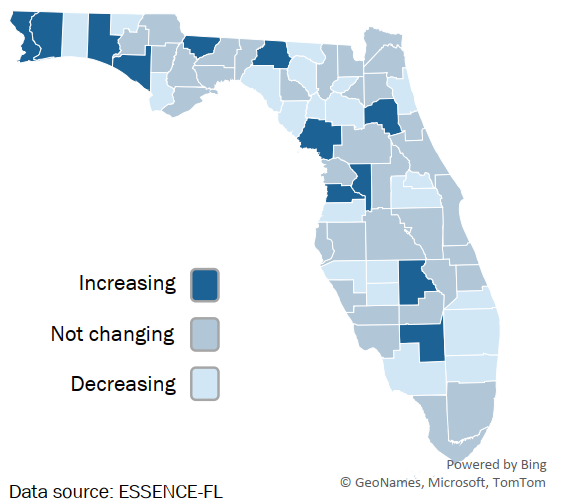
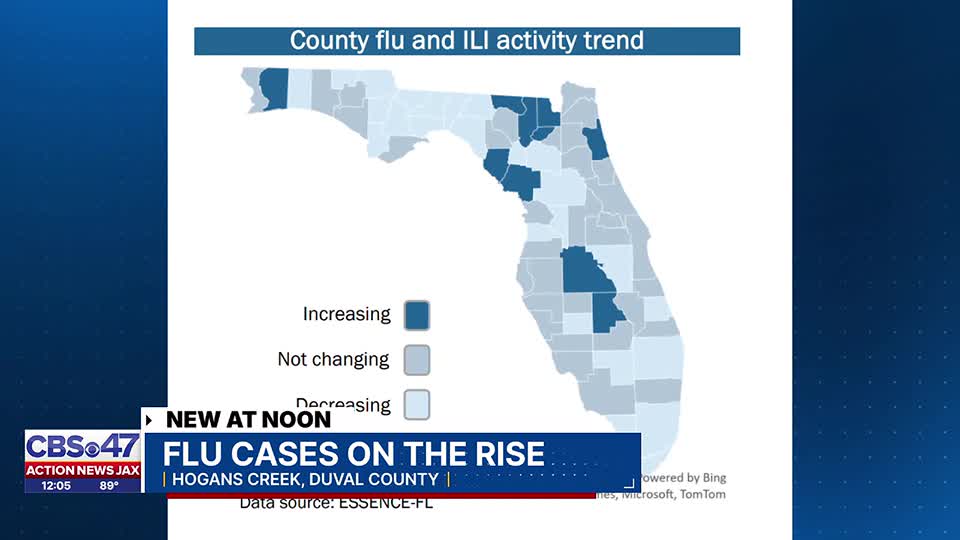
The Florida Department of Health closely monitors influenza-like illness (ILI) activity across the state, providing weekly updates that travelers can consult for the most current information. These reports often show that while a general pattern exists, localized outbreaks can occur earlier or later than the statewide average. It’s not uncommon for pockets of high activity to emerge in tourist-heavy areas like Orlando or Miami even outside the traditional peak, driven by visitors unknowingly bringing the virus from their home regions. Therefore, while a winter trip remains incredibly popular, understanding that flu risk is present during these months is paramount.
How Florida’s Climate Influences Flu Trends
One might assume that Florida’s warm weather year-round would deter the flu, which is often associated with cold, dry air. While it’s true that the virus may survive less effectively on surfaces in hotter, more humid conditions, the reality is more complex. The primary drivers of flu season are human behavior and population density, both of which are abundant in Florida.
During the relatively “cooler” months of winter, Floridians and visitors tend to spend more time indoors, in closer proximity to one another, whether at shopping malls, restaurants, or indoor attractions like museums and aquariums. This increased indoor congregation provides ample opportunity for the respiratory droplets carrying the flu virus to spread. Furthermore, the sheer volume of tourists arriving from diverse geographical locations – each potentially carrying different strains of the flu – contributes to a constant viral churn. A traveler from a cold climate experiencing its peak flu season in January might bring the virus to Florida, where it then spreads among the local population and other visitors, regardless of the sunshine outside. This unique interplay of climate, tourism, and human interaction gives Florida a flu season that, while generally predictable, always carries the potential for localized variations.
Navigating Travel During Flu Season: What Tourists Need to Know
For many, a trip to Florida is a highly anticipated event, whether it’s for leisure, a family reunion, or a business conference. When planning your travel during flu season, being prepared can make all the difference between a memorable experience and an unexpected setback. It’s not about canceling your trip but about making informed choices to minimize risk and ensure comfort.
Impact on Popular Destinations and Attractions
Florida’s most famous attractions are, by their very nature, places of high human density. Theme parks like Walt Disney World and Universal Studios Florida, bustling cruise terminals in Miami and Fort Lauderdale, and popular beaches along the Gulf Coast and Atlantic Coast naturally become environments where respiratory viruses can spread more easily. During peak flu season, these locations may experience a higher incidence of illness among both staff and visitors. This doesn’t mean they are unsafe, but it does mean that personal vigilance becomes even more important.
Crowded queues, shared surfaces on rides, and packed restaurants can all contribute to potential exposure. Cruise ships, in particular, are known for their ability to facilitate rapid spread of viruses if proper hygiene and health protocols are not followed. A vacation to the Bahamas or the Caribbean departing from Florida ports warrants extra attention to health precautions. While these destinations rarely close down due to flu activity, being one of many travelers can increase your chances of exposure. Awareness allows for proactive measures, such as carrying hand sanitizer, avoiding touching your face, and maintaining a respectful distance when possible.
Choosing the Right Accommodation: Safety and Comfort
Your choice of accommodation plays a significant role in your overall travel health strategy during flu season. Hotels, resorts, suites, apartments, and villas all offer different levels of privacy and exposure. When booking your stay, consider properties that emphasize cleanliness and offer amenities that support wellness. Many modern hotels and resorts now have enhanced cleaning protocols and may offer contactless services, which can reduce touchpoints.
Opting for an apartment or villa, especially for longer stays or family trips, can provide a greater sense of control over your environment, including access to a private kitchen for preparing meals, which can reduce restaurant exposure. When researching hotels, check reviews that mention cleanliness standards and staff attentiveness to hygiene. Some resorts might even highlight their health and safety measures, such as enhanced air filtration or on-site medical facilities, which can be a comforting assurance. For those seeking luxury travel, higher-end properties often provide more spacious rooms, private villas, and personalized services that inherently reduce crowding and potential exposure points, contributing to a more relaxed and healthier experience.
Essential Health and Safety Tips for Florida Visitors
Traveling to Florida during flu season doesn’t have to be a cause for concern, but it does necessitate a heightened awareness of personal health and safety. Integrating a few simple, yet effective, practices into your travel routine can significantly reduce your risk of contracting the flu and ensure your vacation remains enjoyable.
Proactive Measures: Vaccinations and Hygiene
The single most effective way to prevent influenza is to get vaccinated annually. The CDC recommends that everyone six months and older get a flu shot each season, ideally before flu activity begins in their community. If you’re traveling to Florida during its typical flu season (October-May), ensure you’ve received your vaccine at least two weeks prior to your departure for maximum protection. This is especially critical for those in high-risk groups, such as young children, older adults, and individuals with chronic health conditions.
Beyond vaccination, meticulous hygiene practices are your best defense against viral transmission.
- Frequent Handwashing: Wash your hands often with soap and water for at least 20 seconds, especially after coughing, sneezing, or touching shared surfaces. If soap and water aren’t available, use an alcohol-based hand sanitizer with at least 60% alcohol.
- Avoid Touching Your Face: Try to avoid touching your eyes, nose, and mouth, as this is how germs often enter the body.
- Cover Coughs and Sneezes: Use a tissue to cover your mouth and nose when you cough or sneeze, then dispose of the tissue immediately. If you don’t have a tissue, cough or sneeze into your elbow.
- Maintain Distance: While not always feasible in crowded tourist spots, try to maintain a reasonable distance from people who appear sick.
Consider packing a small travel-sized hand sanitizer and perhaps even disinfectant wipes for wiping down surfaces in your airplane seat, rental car, or hotel room. These small steps can make a big difference in maintaining your health throughout your Florida adventure.
What to Do If You Get Sick While Traveling
Despite all precautions, sometimes illness can strike. Knowing what to do if you or a travel companion gets sick with flu-like symptoms (fever, cough, sore throat, body aches, fatigue) while in Florida is crucial for managing the situation effectively and minimizing further spread.
- Isolate and Rest: The first and most important step is to self-isolate to prevent infecting others. Stay in your accommodation and get plenty of rest.
- Seek Medical Advice: Contact a healthcare provider. Many hotels and resorts can recommend local doctors or urgent care clinics. Telehealth options are also increasingly available, allowing you to consult with a doctor remotely. For serious symptoms, do not hesitate to seek emergency care.
- Inform Travel Companions: Let those you’ve been traveling with know about your symptoms so they can monitor their own health.
- Consider Travel Insurance: Having comprehensive travel insurance is highly recommended. It can cover medical expenses, emergency evacuation, and even trip interruption or cancellation costs if you or a family member falls ill. Review your policy carefully before your trip to understand what is covered.
- Delay Further Travel: If you are sick, avoid public transportation, including flights, to prevent spreading the virus to others. Consult with your airline or cruise line about their policies for rebooking due to illness.
Being prepared for the possibility of illness, even if it’s unlikely, is a responsible aspect of any travel plan, especially during flu season.
Optimizing Your Florida Trip: Planning for a Healthy Vacation
A healthy trip starts long before you pack your bags. Thoughtful planning, especially when considering Florida’s flu season, can help ensure your vacation is filled with joy, not illness. From timing your visit to securing the right protections, every decision contributes to your overall well-being and peace of mind.
Best Times to Visit for Reduced Risk
While there’s no guaranteed “flu-free” window, some periods offer a statistically lower risk. The shoulders of the flu season, particularly late spring (April/May) and early fall (late September/early October), often see reduced flu activity compared to the peak winter months. These times also frequently coincide with pleasant weather and potentially fewer crowds at popular landmarks and attractions like St. Augustine or Key West, which can indirectly lower your exposure risk.
If you must travel during the peak winter months, consider areas that might naturally offer more open-air activities, such as Florida’s numerous state parks, beaches, or less crowded coastal towns, rather than constantly being in enclosed, highly populated spaces. Exploring the natural beauty of North Florida or the serene landscapes around Tampa and Jacksonville might offer a different, yet equally rewarding, experience with potentially lower health risks.

Travel Insurance and Flexible Bookings
In the modern travel landscape, flexibility and protection are invaluable. Investing in comprehensive travel insurance is a wise decision, particularly when traveling internationally or with family during any health-conscious period. A good policy should cover medical emergencies, trip cancellations or interruptions due to illness, and potential quarantine costs. Always read the fine print to understand what specific scenarios are covered regarding illness.
Furthermore, look for flexible booking options when reserving flights, hotels, and activities. Many airlines and accommodation providers offer “flex” fares or cancellation policies that allow changes without exorbitant fees, giving you peace of mind should flu symptoms appear right before your departure or require you to extend your stay. Opting for reputable hotels or booking through trusted travel platforms that clearly outline their cancellation and change policies can save considerable stress and financial loss. Even for budget travel, checking for flexible booking options is a small effort with potentially large returns.
In conclusion, a trip to Florida can be an invigorating and memorable experience any time of year. By understanding the nuances of its flu season, adopting proactive health measures, and planning wisely, travelers can fully enjoy everything the Sunshine State has to offer with confidence and peace of mind. Your health is your most valuable travel companion, so make it a priority in your Florida adventure.
LifeOutOfTheBox is a participant in the Amazon Services LLC Associates Program, an affiliate advertising program designed to provide a means for sites to earn advertising fees by advertising and linking to Amazon.com. Amazon, the Amazon logo, AmazonSupply, and the AmazonSupply logo are trademarks of Amazon.com, Inc. or its affiliates. As an Amazon Associate we earn affiliate commissions from qualifying purchases.