
March Break, a highly anticipated respite for students and families across North America, marks a crucial period for travel planning. For many, the allure of warm weather, vibrant beaches, and world-class attractions points to one undeniable destination: Florida. Known as the Sunshine State, Florida transforms into a bustling hub during this time, drawing visitors seeking an escape from lingering winter chills. Understanding when March Break actually falls and what to expect is paramount for anyone planning a memorable trip.
Understanding the March Break Phenomenon
The term “March Break” is often used interchangeably with “Spring Break,” though it specifically refers to the week-long holiday primarily observed by elementary and secondary school systems in Canada and some parts of the northern United States. This timing is designed to coincide with the end of the winter academic term and the onset of spring.
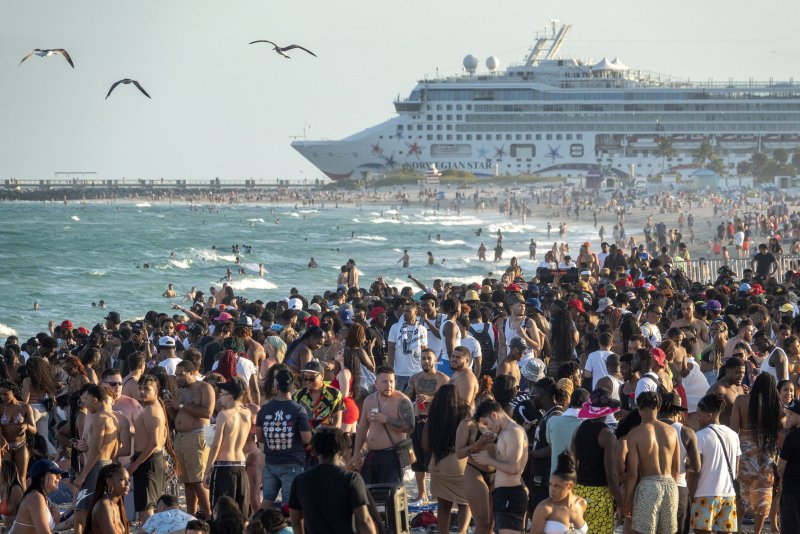
What is March Break?
March Break is more than just a school holiday; it’s a cultural phenomenon that signifies a collective yearning for warmth, recreation, and family time before the final push of the academic year. For many, it’s the first significant travel opportunity since the winter holidays, making it a peak period for destinations like Florida. Families often utilize this time for multi-generational trips, while high school and university students might opt for more lively, peer-focused adventures. This annual migration underscores the importance of strategic planning, from securing the best accommodation to navigating popular attractions. The demand during this period influences everything from flight prices to restaurant wait times, turning even simple decisions into key components of a successful trip.
Typical Dates and Regional Variations
Unlike a fixed national holiday, March Break dates are not universally standardized. They typically vary by school board, province, or state. In Canada, the majority of March Breaks occur during the second or third week of March, often falling between March 10th and March 20th. However, some districts may schedule their breaks during the last week of February or the last week of March, spilling into early April.
In the United States, the period referred to as Spring Break can extend from early March through mid-April, with many universities and colleges having their breaks during the first two weeks of March. This staggered schedule means that while there isn’t a single “March Break” week for all, the entire month of March and the first half of April see elevated visitor numbers in Florida. To pinpoint the exact dates relevant to your travel plans, it’s always best to consult the academic calendars of the schools or universities whose schedules you are following. This variability is precisely why Florida remains consistently busy throughout this broader period, requiring travelers to be diligent in their research and booking processes.
Why Florida Remains a Premier March Break Destination
Florida’s enduring appeal during March Break is no accident. Its unique combination of reliable sunshine, diverse landscapes, and world-class entertainment infrastructure makes it an irresistible magnet for millions seeking to thaw out from winter’s grip.
Unbeatable Weather and Diverse Attractions
One of Florida’s most significant draws is its weather. While much of North America is still grappling with cold temperatures, March in Florida typically offers blissful conditions: average temperatures hover between the mid-60s to high-70s Fahrenheit (18-26°C), with abundant sunshine and low humidity. This ideal climate is perfect for enjoying the state’s natural beauty, from pristine beaches along the Atlantic Ocean and Gulf of Mexico to lush state parks and natural springs.
Beyond the perfect weather, Florida boasts an unparalleled array of attractions that cater to every interest and age group. Families flock to the legendary theme parks of Orlando, which include Walt Disney World Resort and Universal Orlando Resort, offering magical experiences and thrilling rides. Adventure seekers can explore the unique ecosystems of the Everglades National Park, snorkel in the clear waters of the Florida Keys, or visit the Kennedy Space Center Visitor Complex for a dose of space exploration. From vibrant city life and cultural festivals to serene nature reserves and adrenaline-pumping activities, Florida’s diverse offerings ensure there’s never a dull moment. The state’s rich local culture, often a blend of Southern charm and Latin American influences, also adds an authentic layer to the tourist experience, particularly in cities like Miami.
Top Florida Hotspots for March Break
Certain Florida destinations become particularly popular during March Break, each offering a distinct flavor of the Sunshine State experience:
- Orlando (Central Florida): The undisputed theme park capital of the world. Families dominate here, seeking the magic of Walt Disney World Resort (including Magic Kingdom, Epcot, Hollywood Studios, and Animal Kingdom) and the thrills of Universal Orlando Resort (featuring Universal Studios Florida, Islands of Adventure, and Volcano Bay). The city offers countless hotels, suites, and resorts catering to various budgets, alongside extensive dining and entertainment options.
- Miami & South Florida: Known for its vibrant nightlife, stunning beaches (South Beach, Miami Beach), and distinctive Art Deco architecture. This region attracts a younger, more energetic crowd, alongside those seeking luxury travel experiences. Cities like Fort Lauderdale and West Palm Beach also see a significant influx of visitors, enjoying upscale dining, shopping, and boating excursions.
- Florida Panhandle: Destinations like Panama City Beach and Destin are historically popular with college students for their lively beach parties and affordability. However, in recent years, efforts have been made to diversify the appeal, attracting more families with their sugar-white sands and emerald waters of the Gulf of Mexico.
- Florida Keys: Offering a more laid-back, tropical vibe, the Keys are perfect for those interested in water activities like snorkeling, diving, fishing, and boating. Key West, at the southernmost tip, is famous for its quirky charm, historic sites, and vibrant sunset celebrations. Bahia Honda State Park is often cited as one of the best beaches in the US.
- Gulf Coast (West Florida): Cities like Clearwater Beach, St. Pete Beach, Sarasota, and Naples offer stunning white-sand beaches, calmer waters, and a slightly more relaxed atmosphere compared to the Atlantic side. This region is popular with families and couples, offering beautiful resorts, excellent dining, and cultural attractions like the Ringling Museum. Sanibel Island is a haven for shell collectors.
Navigating the March Break Rush: Planning Your Trip
Given Florida’s popularity during March Break, careful planning is not just recommended, it’s essential for a smooth and enjoyable experience.
Expect Crowds and Higher Prices

The downside of visiting Florida during such a peak period is the inevitable surge in crowds and prices. Theme parks, popular beaches, and major attractions will be significantly busier. Accommodation rates (hotels, resorts, apartments, villas), flight costs, and even rental car prices can increase by 30-50% or more compared to off-peak seasons. This is especially true for popular destinations and luxury travel options.
- Flights: Book flights as far in advance as possible. Consider flying into smaller regional airports (Southwest Florida International Airport in Fort Myers, Sarasota-Bradenton International Airport) if your destination allows, as they might offer better deals than major hubs like Orlando International Airport or Miami International Airport.
- Accommodation: Hotels and resorts book up quickly, especially those with family-friendly amenities or prime beach access. Comparison websites and early booking can yield some savings, but expect premium pricing. Vacation rentals (apartments, villas) can be a cost-effective option for larger groups or longer stays, but they too see high demand.
- Attractions: Pre-purchasing tickets online for theme parks and major attractions is crucial, not only to save time but sometimes to secure entry, as some parks cap daily attendance. FastPass or equivalent services (like Disney Genie+) can be invaluable for minimizing wait times.
Essential Booking and Accommodation Strategies
Effective planning for March Break in Florida revolves around foresight and flexibility.
- Book Early, Always Early: This cannot be stressed enough. For March Break travel, flights and prime accommodations should ideally be booked 6-9 months in advance. This window often provides the best rates and widest selection, especially for popular resorts and suites.
- Consider Diverse Accommodation Options: While traditional hotels and resorts are popular, explore other accommodation types. Vacation rentals (villas, apartments), often found on platforms like Airbnb or VRBO, can offer more space, kitchen facilities, and a homely feel, which is ideal for family trips or long-term stays. For budget travelers, consider properties slightly off the main tourist strips or booking aparthotels. Reviews and comparisons are key to finding the best fit for your lifestyle and budget.
- Flexibility with Dates: If your schedule allows, consider traveling during the very beginning or very end of the March Break period, or even slightly outside of it. This slight shift can sometimes result in lower prices and fewer crowds.
- Travel Insurance: Given the potential for unforeseen events, travel insurance is highly recommended, especially when booking expensive trips so far in advance.
Maximizing Your Florida Experience
With the crowds and costs accounted for, focus on enhancing your actual trip.
- Strategic Itinerary Planning: Don’t try to cram too much into one day. Prioritize must-do activities and allow for spontaneous moments. Utilize apps for wait times at theme parks.
- Dining Reservations: For popular restaurants, especially those within theme parks or in high-demand areas, make reservations well in advance.
- Embrace Off-Peak Hours: Visit popular attractions early in the morning or later in the afternoon/evening to avoid peak midday crowds.
- Sun Protection: Florida sun is strong, even in March. Pack sunscreen, hats, and sunglasses, and stay hydrated.
- Transportation: Renting a car offers the most flexibility, but factor in potential traffic and parking challenges, especially in cities like Miami or Orlando. Public transport, ride-sharing, and hotel shuttles are alternatives in certain areas.
Beyond the Beaches: Activities and Experiences for Every Traveler
Florida’s appeal extends far beyond its famous beaches and theme parks. During March Break, the state comes alive with a myriad of activities catering to various interests, from family-friendly adventures to sophisticated adult escapes and immersive cultural experiences.
Family Fun and Theme Park Thrills
For families, Orlando remains the epicenter of March Break joy. At Walt Disney World Resort, children (and adults!) can meet beloved characters, experience thrilling rides, and witness spectacular parades and fireworks. Epcot offers a journey around the world, while Magic Kingdom delivers classic fairytale magic. Universal Orlando Resort is home to the Wizarding World of Harry Potter, a must-visit for fans of the saga, alongside high-octane roller coasters and immersive cinematic experiences. Beyond Orlando, Busch Gardens Tampa Bay combines thrilling rides with incredible animal encounters, offering a unique blend of adventure and wildlife conservation. Many hotels and resorts in these areas offer specialized kids’ clubs, water parks, and entertainment options, making them mini-destinations in themselves.
Adult Escapes and Nightlife
While families flock to theme parks, Florida also offers sophisticated retreats and vibrant nightlife for adults. Miami is renowned for its glamorous South Beach, with its iconic Art Deco architecture, high-end dining, and world-class clubs. Spend your days lounging by exclusive resort pools, exploring the South Beach Art Deco District, or indulging in retail therapy, then dance the night away. Fort Lauderdale, often called the “Venice of America” for its extensive canal system, offers a more upscale yet equally lively atmosphere with chic restaurants, art galleries, and yachting excursions. For a more relaxed adult escape, the Florida Keys, particularly Key West, provide a bohemian charm with historic bars, live music, and stunning sunset cruises. Spa resorts, golf courses, and fine dining experiences are abundant across the state, catering to those seeking a luxury travel experience or a tranquil getaway.
Exploring Florida’s Natural Beauty and Culture
Beyond the manufactured thrills and bustling cityscapes, Florida offers a wealth of natural wonders and cultural gems.
- Nature: The Everglades National Park provides an opportunity to encounter unique wildlife like alligators, manatees, and diverse bird species through airboat tours or guided walks. The crystal-clear natural springs, such as Weeki Wachee Springs State Park or Blue Spring State Park, are perfect for swimming, snorkeling, and kayaking. For pristine beaches, head to the Gulf Coast gems like Clearwater Beach or the secluded shores of Dry Tortugas National Park near Key West.
- Culture and History: Dive into local culture by exploring Miami’s Wynwood Walls for vibrant street art, or visit the opulent Vizcaya Museum & Gardens. St. Augustine, the oldest continuously inhabited European settlement in the United States, offers a rich historical experience with its cobblestone streets, historic forts, and Spanish colonial architecture. The Kennedy Space Center Visitor Complex on the Space Coast provides an awe-inspiring look into space exploration history and current missions. Florida’s diverse food scene, ranging from fresh seafood to authentic Cuban cuisine and farm-to-table dining, also adds a significant dimension to the tourism experience.

Considering Alternatives: Avoiding the Peak Season
While March Break in Florida can be an unforgettable experience, the high prices and crowds aren’t for everyone. If flexibility allows, considering alternative travel times can significantly enhance your trip with fewer people and better value.
- Early to Mid-May: After the Spring Break rush and before the intense heat of summer, Florida offers pleasant weather, lower crowd levels, and more affordable rates for flights and accommodations.
- Late September to November: Post-summer and pre-holiday season, this window also provides excellent weather, particularly on the Gulf Coast, and more relaxed conditions at attractions.
- January (Post-New Year): Immediately after the New Year’s celebrations, Florida experiences a brief lull. While the weather might be slightly cooler, it’s still far milder than most northern climates, and the savings can be substantial.
Ultimately, whether you embrace the bustling energy of March Break or opt for a quieter alternative, Florida stands ready to offer an incredible travel experience tailored to every lifestyle and budget. Understanding the nuances of the March Break period is the first step in planning your perfect Sunshine State adventure.
LifeOutOfTheBox is a participant in the Amazon Services LLC Associates Program, an affiliate advertising program designed to provide a means for sites to earn advertising fees by advertising and linking to Amazon.com. Amazon, the Amazon logo, AmazonSupply, and the AmazonSupply logo are trademarks of Amazon.com, Inc. or its affiliates. As an Amazon Associate we earn affiliate commissions from qualifying purchases.