
Florida, often dubbed the “Sunshine State,” is a premier destination drawing millions of visitors each year with its pristine beaches, vibrant cities, and world-class theme parks. From the magical realms of Orlando to the Art Deco splendor of Miami, and the historic charm of St. Augustine to the laid-back vibes of the Florida Keys, there’s an endless array of attractions. However, planning a trip to this popular travel hub requires a keen understanding of its unique climate, particularly its distinctive rainy season. Unlike many other destinations with four defined seasons, Florida essentially experiences two: a dry season and a wet, or rainy, season. Navigating the latter can profoundly impact your travel experience, from daily activities to accommodation choices and even overall budget.
For travelers, knowing when the rainy season occurs is crucial for packing smart, planning itineraries, and making the most of your vacation. It’s not just about rain; it also involves higher humidity, potential for tropical storms, and a different rhythm of daily life. This comprehensive guide will delve into the specifics of Florida’s rainy season, offering insights, tips, and strategies to ensure your trip is enjoyable, rain or shine. Whether you’re a first-time visitor or a seasoned Florida enthusiast, understanding these climatic patterns is key to unlocking the best of what the state has to offer.
Understanding Florida’s Climate and the Rainy Season
Florida’s climate is predominantly subtropical in the northern and central parts and tropical in the southern regions, including Miami and the Florida Keys. This geographic positioning makes it prone to high humidity and frequent precipitation during specific months. The state’s proximity to the Atlantic Ocean and the Gulf of Mexico plays a significant role in shaping its weather patterns, especially during the wetter half of the year.
Defining the Rainy Season: A Tropical Perspective
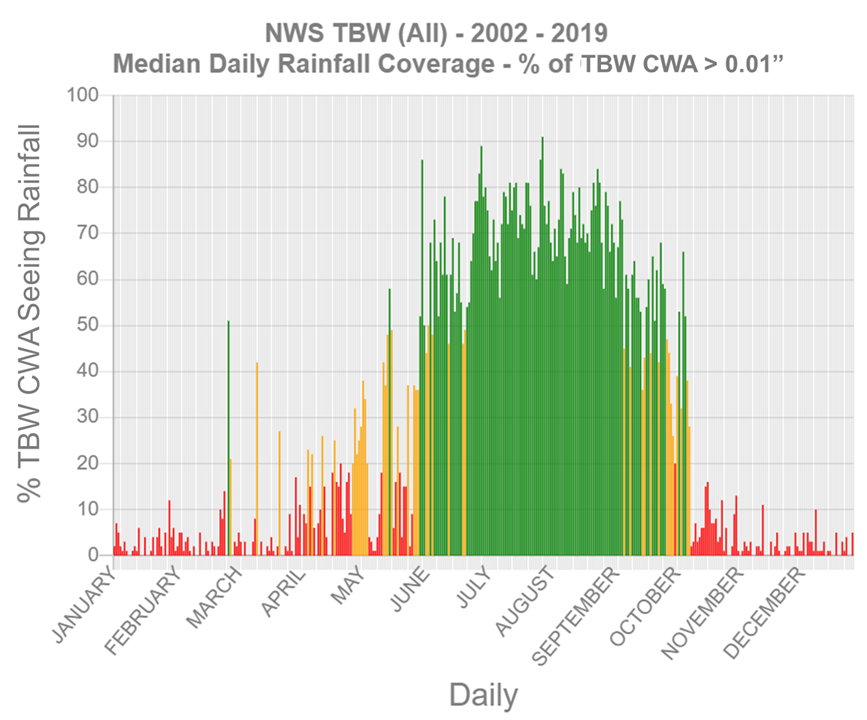
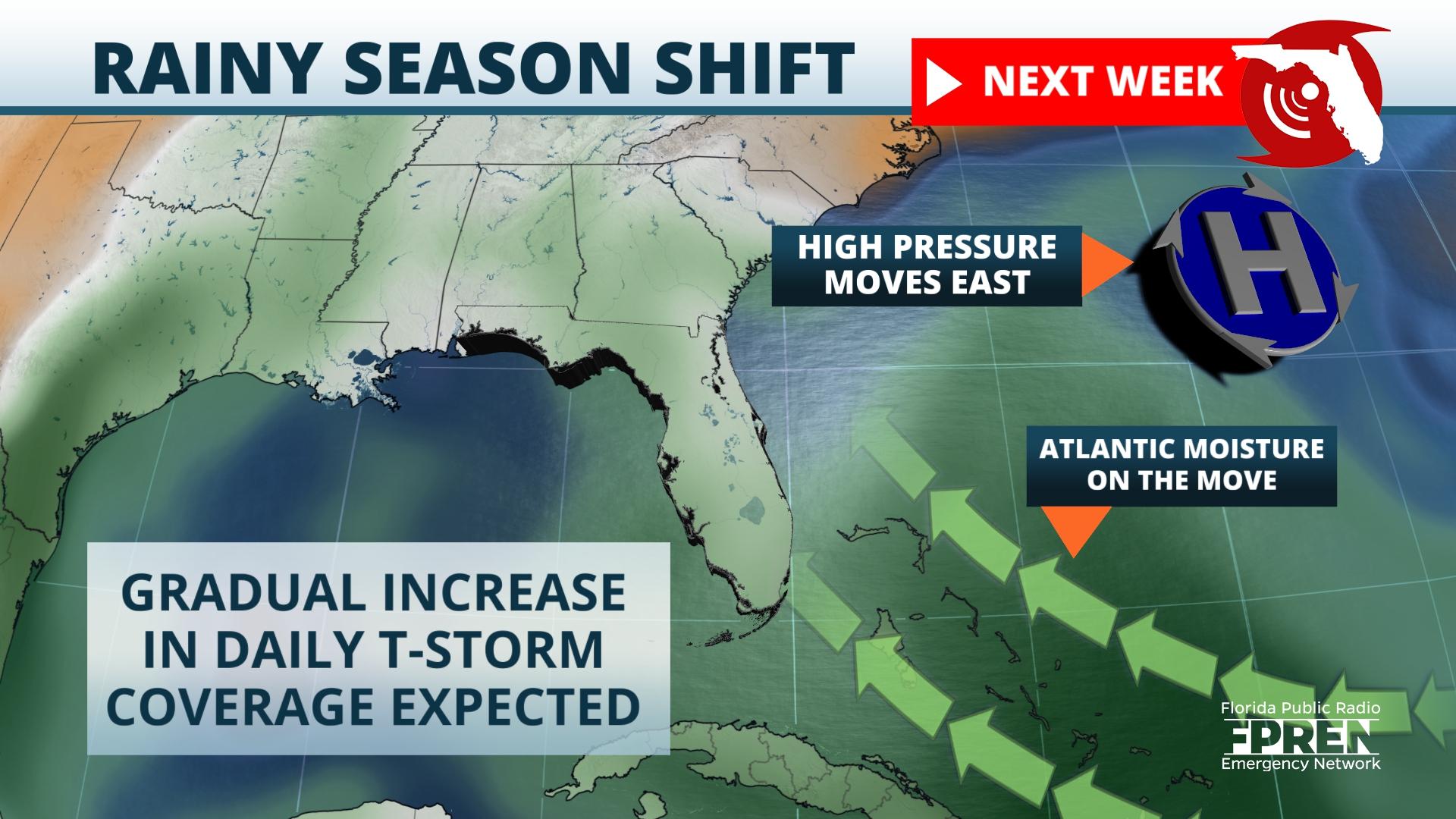
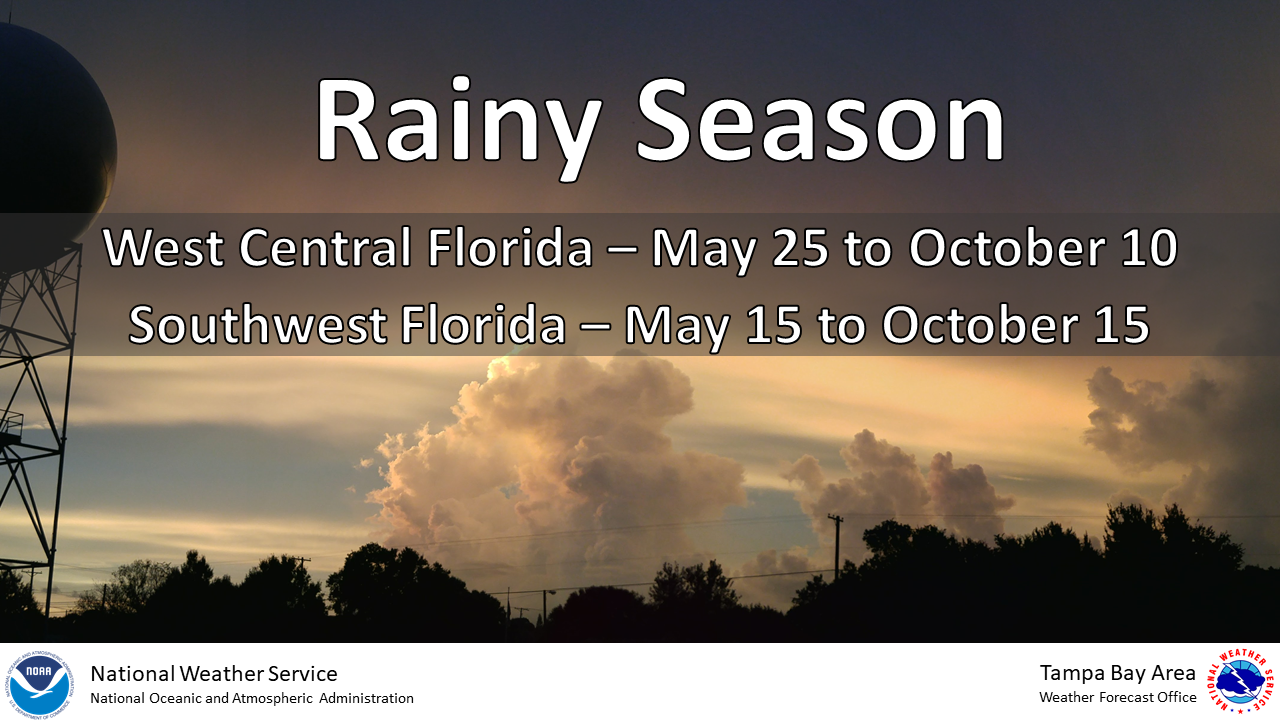
Generally, Florida’s rainy season officially runs from June through November. However, the heaviest and most consistent rains typically occur from late May or early June through September or early October. This period coincides with the warmest months of the year, driven by intense solar radiation that heats the land and sea, leading to increased evaporation and atmospheric moisture. The prevailing weather phenomenon during this time is the daily development of convective thunderstorms.
These storms are often a result of colliding sea breezes. For instance, the sea breeze from the Gulf of Mexico moves inland from the west, while the sea breeze from the Atlantic Ocean pushes inland from the east. When these two air masses meet, they force warm, moist air upwards, condensing into towering cumulus clouds that unleash torrential downpours. This process creates a predictable daily cycle that is characteristic of the Florida summer.
Key Characteristics: Daily Showers and Humidity
The good news for travelers is that the rainy season in Florida doesn’t typically mean continuous, all-day rain. Instead, the pattern usually involves:
- Sunny Mornings: Most days start bright and clear, offering ample opportunity for morning activities like beach visits, golf, or theme park exploration.
- Afternoon Storms: As the day heats up, usually between 2 PM and 5 PM, clouds gather rapidly, leading to intense but often brief thunderstorms. These downpours can be quite heavy, sometimes accompanied by lightning and strong winds, but they typically last only an hour or two.
- Clearing Evenings: Post-storm, the skies often clear, leading to pleasant and cooler evenings, perfect for outdoor dining or leisurely strolls.
Beyond the rain itself, high humidity is a defining characteristic of Florida’s rainy season. Levels can consistently hover around 70-90%, making the air feel thick and muggy. This can be a significant factor for those not accustomed to tropical climates, influencing comfort levels during outdoor activities. Temperatures during this period are also consistently hot, often in the high 80s to low 90s Fahrenheit (30-35°C), with the “real feel” temperature being even higher due to the humidity.
It’s also important to note that the rainy season overlaps with hurricane season, which officially runs from June 1st to November 30th. While not every rainy season brings a hurricane, the potential for tropical depressions, tropical storms, or full-blown hurricanes is present. These events can bring prolonged periods of heavy rain, strong winds, and potential disruptions to travel plans. Monitoring weather forecasts becomes particularly important during these months.
Navigating Travel During Florida’s Wet Months
While the prospect of rain might deter some, visiting Florida during the wet season offers unique advantages and, with proper planning, can still be an incredibly rewarding experience. It’s all about understanding the rhythm of the weather and adapting your itinerary accordingly.
Best Times to Visit: Balancing Sun and Savings
If avoiding rain entirely is your top priority, the dry season (December to May) is generally recommended, with the spring months of March, April, and May being particularly pleasant, offering warm temperatures and lower humidity. However, these months also coincide with peak tourist season, meaning higher prices for flights and accommodations, and larger crowds at popular attractions like Walt Disney World Resort and Universal Orlando Resort.
Traveling during the rainy season, specifically June to September, presents a different set of trade-offs:
- Fewer Crowds: Outside of major holidays like the Fourth of July, you’ll generally encounter smaller crowds at theme parks, beaches, and other attractions. This can translate to shorter wait times and a more relaxed pace.
- Lower Prices: Hotels, resorts, and vacation rentals often offer attractive discounts during the off-peak summer months. This can significantly reduce the overall cost of your trip, making luxury stays at places like The Ritz-Carlton, Amelia Island or The Breakers Palm Beach more accessible. Flights also tend to be cheaper.
- Lush Scenery: The abundant rainfall transforms Florida’s landscapes into vibrant, verdant paradises. The Everglades are particularly lush, and gardens like Vizcaya Museum & Gardens in Miami truly thrive.
- Warm Ocean Waters: The Atlantic Ocean and Gulf of Mexico reach their warmest temperatures during the summer, making swimming and water sports incredibly inviting, even if you have to plan around a brief shower.
Ultimately, the “best” time depends on your priorities. If budget and crowd avoidance are key, don’t shy away from the rainy season; just be prepared.
Packing Essentials for a Rainy Florida Vacation
Packing smart is paramount for a comfortable trip during Florida’s wet season. Here’s a breakdown of what to include:
- Lightweight, Quick-Drying Clothing: Opt for fabrics like linen, cotton blends, or moisture-wicking synthetics. Avoid heavy denim or thick materials that retain moisture and take long to dry. Think shorts, t-shirts, sundresses, and light skirts.
- Rain Gear:
- Compact Umbrella: An absolute must-have for those sudden downpours.
- Lightweight Rain Jacket or Poncho: A breathable, packable rain jacket is better than a heavy one. Ponchos are excellent for theme parks as they cover you and your bag.
- Waterproof Footwear: Sandals, flip-flops, or waterproof athletic shoes are ideal. Avoid suede or leather shoes that can be ruined by water. Consider bringing an extra pair of shoes to allow one to dry if it gets wet.
- Waterproof Bag or Cover: Protect your electronics, documents, and other valuables. A waterproof backpack cover or a small dry bag for your phone and wallet is a lifesaver.
- Sun Protection: Don’t let the rain fool you; the sun is intense when it’s out. Bring high SPF sunscreen, sunglasses, and a wide-brimmed hat.
- Insect Repellent: Mosquitoes thrive in humid, wet conditions. Pack a good quality repellent, especially if you plan to visit natural areas like the Everglades National Park or spend evenings outdoors.
- Swimsuit (Multiple): You’ll likely spend a lot of time in pools or at the beach, so having multiple suits allows one to dry while you wear another.
- Portable Fan/Mister: For those who are particularly sensitive to humidity, a small battery-operated fan can offer much-needed relief.
By being prepared with the right gear, you can shrug off a sudden shower and continue enjoying your Florida adventure.
Activities and Attractions: Making the Most of Any Weather
Florida is incredibly diverse, offering a wide range of activities that cater to all weather conditions. While afternoon rain might interrupt outdoor plans, it rarely brings an entire day to a halt. The key is flexibility and knowing which attractions excel, come rain or shine.
Indoor Adventures and Cultural Gems
When the skies open up, Florida’s indoor attractions truly shine. These spots provide excellent opportunities to immerse yourself in culture, science, and entertainment while staying dry.
- Museums and Galleries:
- In Miami, explore the vibrant art scene in the Wynwood Walls (partially covered), the thought-provoking exhibitions at the Pérez Art Museum Miami (PAMM), or the interactive exhibits at the Frost Science Museum. Don’t forget a stroll through the historic Art Deco Historic District in South Beach, many of its shops and restaurants providing shelter.
- St. Petersburg boasts the renowned Dalí Museum, while Sarasota is home to the spectacular Ringling Museum complex, featuring art, circus history, and a stunning mansion.
- In Tampa, dive into marine life at The Florida Aquarium or explore innovation at the Museum of Science & Industry (MOSI).
- Shopping and Entertainment Complexes:
- Orlando’s major theme parks, Walt Disney World Resort and Universal Orlando Resort, offer numerous indoor shows, rides, and extensive covered areas. Disney Springs and Universal CityWalk are fantastic for dining, shopping, and entertainment when rain hits.
- For serious shoppers, Sawgrass Mills near Fort Lauderdale and Aventura Mall in Aventura are massive outlets and luxury shopping centers that can easily fill an afternoon.
- Arcades, Bowling, and Indoor Playgrounds: Many cities offer family-friendly entertainment centers that are perfect for weathering a storm. From massive arcades at tourist destinations to local bowling alleys, these provide hours of fun.
Embracing Outdoor Activities with Caution
Don’t let the rainy season completely deter you from Florida’s incredible outdoor offerings. With a strategic approach, you can still enjoy beaches, theme parks, and nature.
- Morning Exploits: Plan your most desired outdoor activities for the mornings. Hit the beach (Clearwater Beach, Siesta Key Beach, South Beach, St. Pete Beach), go golfing, or visit theme parks right when they open. You’ll often have a few hours of glorious sunshine before the clouds roll in.
- Theme Park Strategy: At Walt Disney World Resort or Universal Orlando Resort, use the afternoon downpours as an opportunity to:
- Grab a sit-down meal at an indoor restaurant.
- Watch an indoor show or parade.
- Explore shops along main streets.
- Some rides even continue operating in light rain, potentially leading to shorter lines as others seek shelter.
- Nature Adventures:
- Airboat tours in the Everglades can be spectacular, and the occasional shower only adds to the mystique of the wetlands. Just be prepared with rain gear.
- Kayaking or paddleboarding can be done on calm mornings. Always check weather radar before heading out.
- Flexibility is Key: Be prepared to shift your plans. Have backup indoor activities in mind for each day. If a storm hits while you’re at the beach, retreat to a nearby restaurant or attraction, and chances are the sun will be back out in an hour.
Accommodation and Planning: Smart Choices for a Seamless Trip
Your accommodation choice and overall planning strategy can significantly enhance your rainy season experience in Florida. Thinking ahead about amenities, booking flexibility, and potential weather impacts will make all the difference.
Selecting the Right Hotel or Resort
When booking your stay during the wetter months, consider properties that offer excellent indoor amenities and conveniences:
- Hotels with Indoor Pools and Spas: Many luxury resorts and family-friendly hotels in cities like Orlando, Miami, and Tampa feature expansive indoor pool complexes, spas, and fitness centers. These provide great alternatives for relaxation and recreation when outdoor activities are not feasible. Look for resorts like Hyatt Regency Grand Cypress or Loews Portofino Bay Hotel that boast comprehensive indoor facilities.
- On-site Dining and Entertainment: Opt for hotels or resorts with multiple dining options, bars, and perhaps even an arcade or kid’s club. This means you don’t have to venture out into the rain for meals or entertainment.
- Covered Parking: This might seem minor, but covered parking is a huge convenience during daily downpours, protecting your vehicle and making loading/unloading luggage much easier.
- In-room Amenities: Look for suites or apartments with kitchenettes, laundry facilities, or at least easy access to guest laundry. This is particularly useful for drying wet clothes and avoiding multiple trips to restaurants if you prefer to stay in during a storm.
- Proximity to Indoor Attractions: Choose a location that is close to museums, shopping malls, or entertainment centers you plan to visit, minimizing travel time in inclement weather. For instance, staying on International Drive in Orlando puts you near various indoor shows and restaurants.
Budgeting and Flexibility
Savvy travelers can leverage the rainy season to their financial advantage, but also need to plan for contingencies.
- Off-Season Rates: As mentioned, hotels, vacation rentals (especially along popular beach towns like Destin, Panama City Beach, and Naples), and even car rentals often offer significant discounts during these months. Keep an eye out for special packages and promotions.
- Travel Insurance: Given that the rainy season overlaps with hurricane season, travel insurance is highly recommended. Policies vary, but good coverage can protect your investment against trip cancellations, delays, or interruptions due to severe weather events. Read the fine print to understand what is covered.
- Flexible Bookings: Whenever possible, choose accommodations and flights that offer flexible cancellation or rebooking policies. This provides peace of mind if a major storm alters your plans.
- Contingency Fund: Always have a little extra money set aside for unexpected expenses, whether it’s an impromptu indoor activity, a taxi ride instead of walking in the rain, or perhaps an extra night’s stay if travel is disrupted.
Safety Tips and Local Insights
While Florida’s rainy season is manageable, being aware of potential safety concerns and local nuances is essential for a worry-free trip.
Hurricane Season Awareness
As previously noted, the rainy season runs concurrently with hurricane season (June 1st to November 30th). While direct hurricane hits are relatively infrequent, tropical depressions and storms are more common and can still bring severe weather.
- Monitor Forecasts: Stay informed about weather conditions. Follow local news, check reputable weather apps (like the National Hurricane Center), and heed any advisories from local authorities.
- Evacuation Plans: If you are visiting coastal areas like Key West or Daytona Beach, familiarize yourself with your hotel’s emergency procedures and local evacuation routes, just in case.
- Communication: Keep your family and friends updated on your travel plans and location.
Dealing with Flash Floods and Lightning
Sudden, heavy downpours can lead to localized flash flooding, particularly in low-lying urban areas.
- Avoid Driving Through Standing Water: Never attempt to drive through flooded streets, as the water depth can be deceptive, and currents can be strong. “Turn Around, Don’t Drown” is a critical safety message.
- Lightning Safety: Florida is known as the “Lightning Capital of the United States.” When you hear thunder, lightning is near. Seek immediate shelter in a sturdy building or a hard-topped vehicle. Avoid open fields, tall trees, and water bodies during a thunderstorm. Theme parks usually have protocols for lightning, often suspending outdoor rides until storms pass.
Mosquitoes and Wildlife
The warm, wet conditions of the rainy season create an ideal breeding ground for mosquitoes and other insects.
- Insect Repellent: Apply insect repellent containing DEET, picaridin, or oil of lemon eucalyptus, especially at dawn and dusk, and when visiting natural areas.
- Protective Clothing: Consider wearing long sleeves and pants during peak mosquito hours, particularly if you’re sensitive to bites.
- Wildlife: Florida is rich in wildlife, including alligators, snakes, and various birds. During heavy rains, water levels can rise, potentially displacing wildlife into unexpected areas. Always observe wildlife from a safe distance, and never feed alligators or other wild animals. Stick to marked trails in natural parks and be aware of your surroundings.
In conclusion, Florida’s rainy season, typically from June to November, with the most intense period from June to September, is characterized by hot temperatures, high humidity, and daily afternoon thunderstorms. While it requires a bit more planning and flexibility, it shouldn’t deter you from experiencing the beauty and excitement of the Sunshine State. By understanding the weather patterns, packing appropriately, choosing smart accommodations, and having backup indoor activities, you can still enjoy fantastic travel experiences. Embrace the afternoon showers as a refreshing break, take advantage of the fewer crowds and lower prices, and discover a different, yet equally captivating, side of Florida. Your adventure awaits, rain or shine!
LifeOutOfTheBox is a participant in the Amazon Services LLC Associates Program, an affiliate advertising program designed to provide a means for sites to earn advertising fees by advertising and linking to Amazon.com. Amazon, the Amazon logo, AmazonSupply, and the AmazonSupply logo are trademarks of Amazon.com, Inc. or its affiliates. As an Amazon Associate we earn affiliate commissions from qualifying purchases.