
Florida, renowned for its pristine beaches, vibrant cities, and unique ecosystems, offers a surprising delight for outdoor enthusiasts: an exceptional turkey hunting season. Far beyond the typical tourist attractions, the Sunshine State provides a prime habitat for the elusive Osceola turkey, a distinct subspecies of wild turkey found almost exclusively in the Florida peninsula. Understanding the nuances of when and where to pursue these magnificent birds is key to planning a successful and memorable adventure in Florida, blending the thrill of the hunt with the state’s unparalleled natural beauty and diverse tourism opportunities.
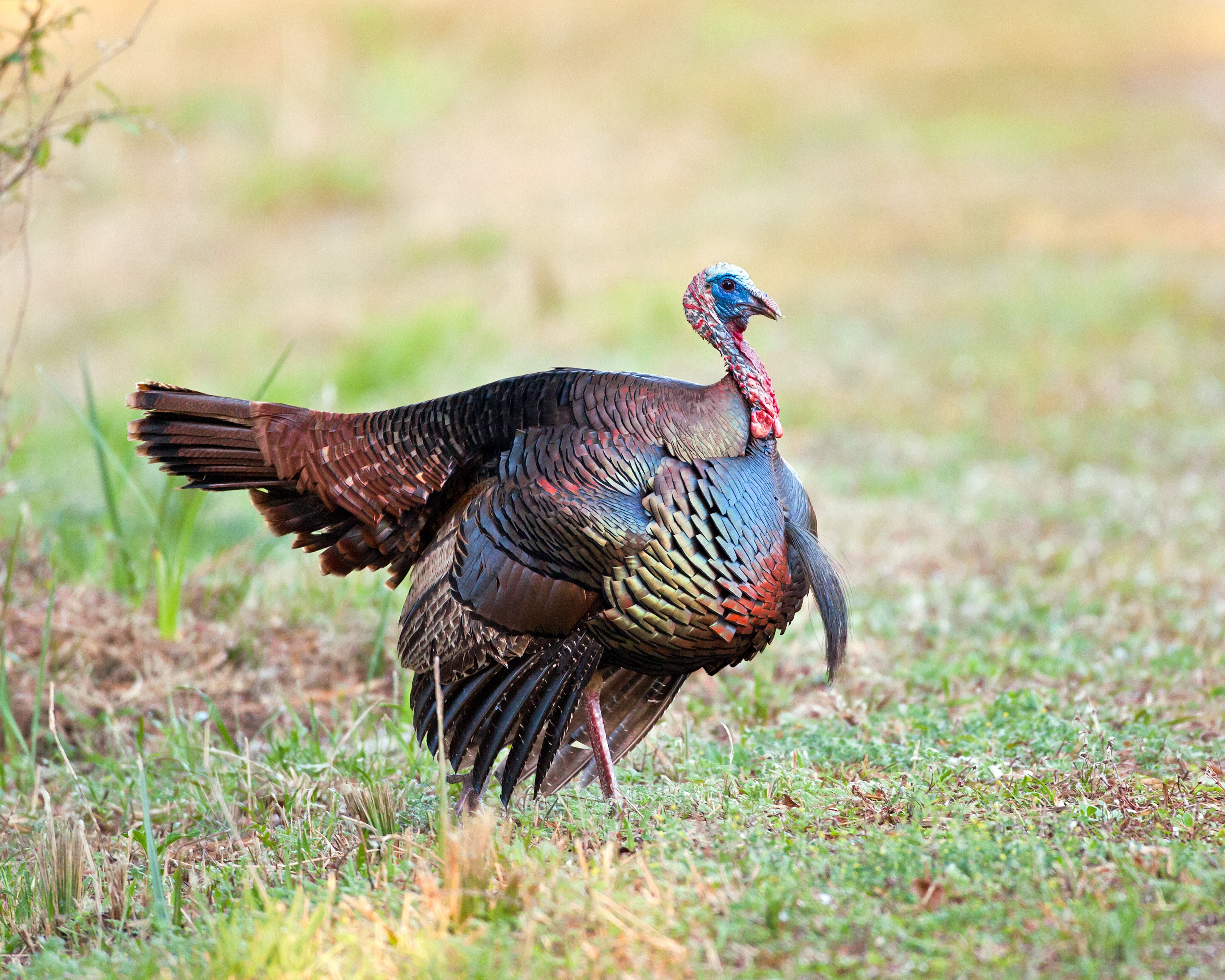
For those planning a trip centered around this unique outdoor pursuit, knowing the precise “turkey season” dates is paramount. Unlike many northern states, Florida’s milder climate allows for earlier spring seasons, attracting hunters from across the globe eager to bag an Osceola. But turkey season in Florida isn’t just about the hunt itself; it’s an immersive lifestyle experience, often involving stays in comfortable accommodation options, exploring local landmarks, and enjoying the regional cuisine. This guide will delve into the specifics of Florida’s turkey seasons, regulations, and how to integrate this thrilling activity into a broader travel itinerary, making your visit to the Sunshine State truly unforgettable.
Understanding Florida’s Diverse Turkey Seasons
Florida offers distinct turkey hunting opportunities, primarily revolving around the spring gobbler season and a more limited fall season. These periods are carefully regulated by the Florida Fish and Wildlife Conservation Commission (FWC), ensuring sustainable populations and ethical hunting practices. The target species for most hunters is the Osceola turkey, known for its darker plumage and longer legs compared to its northern cousin, the Eastern Wild Turkey, which is found in the panhandle region.
The Highly Anticipated Spring Gobbler Season
The spring season is undoubtedly the most popular time for turkey hunting in Florida. This is when male turkeys, or gobblers, are actively breeding and can be called in by hunters mimicking hen sounds. The thrill of hearing a distant gobble grow closer, or seeing a magnificent tom strut into view, is an experience that defines spring turkey hunting.
The dates for Florida’s spring gobbler season typically begin in early March and extend through late April. However, there’s a slight variation between different hunting zones within the state. The “South Zone” generally opens first, often in the first week of March, allowing hunters an early start on the season. The “North Zone” usually follows, opening around the third week of March. Both zones typically close in mid to late April. It is crucial for every hunter to consult the most current FWC hunting regulations guide, as specific dates can shift slightly from year to year. These regulations will detail exact opening and closing dates for general gun, archery, muzzleloading, and crossbow seasons, ensuring you are compliant with all state laws.
Hunters often choose this period not just for the excellent hunting conditions but also for the pleasant Florida weather. While days can be warm, mornings are typically cool and crisp, perfect for spending hours in the field. The natural landscapes during spring are vibrant, with blooming wildflowers and active wildlife, adding to the overall experience.
Limited Fall Turkey Hunting Opportunities
While the spring season dominates the turkey hunting calendar, Florida also offers a more restricted fall turkey season. This season is less about calling in breeding gobblers and more about locating flocks and ambushing them. Fall turkey hunting often coincides with other big game seasons, such as deer, making it an option for hunters looking to combine pursuits.
The fall season usually runs from mid-November through late January, with specific dates varying by zone and management area. Bag limits are typically lower in the fall compared to the spring, often restricted to one gobbler or bearded turkey per day. It’s also important to note that many public hunting lands, particularly Wildlife Management Areas (WMAs), have specific quota hunts or limited access during the fall, requiring advanced applications and permits. Hunters should thoroughly check the FWC’s regulations for the exact dates and specific requirements for each public hunting area, especially since the availability of fall turkey hunting can be quite localized.
Youth Turkey Hunts: Fostering the Next Generation
Florida is dedicated to fostering a love for the outdoors in younger generations. To that end, special youth turkey hunts are typically scheduled a week or two before the general opening of the spring gobbler season in both the North and South Zones. These hunts provide a valuable opportunity for youth hunters (usually under 16 years of age) to experience turkey hunting under the guidance of an adult, often without the pressure of competing with general season hunters. This initiative not only provides an invaluable experience but also promotes conservation and responsible hunting practices from an early age, aligning with a family-oriented lifestyle approach to tourism and outdoor activities.
Essential Regulations, Licenses, and Permits
Before embarking on any turkey hunting adventure in Florida, understanding and adhering to the state’s regulations is paramount. The FWC is the governing body for all hunting and fishing activities, and their regulations are designed to ensure hunter safety, wildlife conservation, and fair chase principles.
Licensing Requirements
To legally hunt turkeys in Florida, both residents and non-residents must possess a valid Florida hunting license and a Florida turkey stamp. These can be purchased online through the FWC website, at tax collectors’ offices, or at most retail outlets that sell hunting and fishing supplies. Non-residents should be aware that license fees are considerably higher, reflecting the commitment to local conservation efforts funded by resident licenses.
For hunters participating in youth hunts, specific exemptions or reduced fees may apply, but a license or permit is usually still required for the accompanying adult. It’s always best to verify the latest fee structures and requirements directly from the FWC before your trip.
Bag Limits and Legal Hunting Hours
Bag limits for turkeys in Florida are typically conservative to ensure population stability. During the spring gobbler season, the general bag limit is one gobbler or bearded turkey per day, with a maximum of two per season. For the fall season, the limit is usually one gobbler or bearded turkey per day, with a total of two for the fall season, or as specified for particular Wildlife Management Areas (WMAs).
Hunting hours are strictly defined: half an hour before sunrise to sunset. This means hunters must be vigilant about time, especially when calling birds in at dawn or dusk. Using artificial lights to hunt turkeys is strictly prohibited. Understanding these simple but critical rules is part of responsible hunting and helps preserve the integrity of the sport.
Public Land Permits and Quota Hunts
Much of Florida’s prime turkey habitat is found on public lands, including Florida Wildlife Management Areas (WMAs), National Forests like Ocala National Forest and Apalachicola National Forest, and State Forests. Access to these areas often requires more than just a hunting license and turkey stamp. Many of these areas operate on a quota hunt system, meaning a limited number of hunters are allowed access during specific periods.

To participate in a quota hunt, hunters must apply in advance through the FWC’s lottery system. Application periods typically open in late summer or early fall for the following spring season, so planning well in advance is essential. If drawn for a quota permit, hunters will receive specific dates and regulations pertaining to that particular WMA. Other public lands might require a daily use permit or a management area permit purchased separately. Always check the specific regulations for the WMA or National Forest you intend to hunt. Popular WMAs known for Osceola turkey populations include Green Swamp WMA, Richloam WMA, and areas within Big Cypress National Preserve, though the latter often has very complex permit systems.
Top Destinations and Accommodation for Your Turkey Hunt
Choosing the right location for your turkey hunt in Florida is critical, not just for hunting success but also for the overall enjoyment of your trip. The state offers a variety of hunting environments, from vast pine forests to cypress swamps, each with its unique charm and challenges. Pairing your hunting destination with suitable accommodation and nearby attractions can elevate your experience from a simple hunt to a comprehensive travel and tourism adventure.
Prime Public Hunting Lands
Florida boasts an extensive network of public hunting lands, many of which hold strong populations of Osceola turkey. As mentioned, Wildlife Management Areas (WMAs) are excellent choices, but often require quota permits. Other notable public lands include:
- Ocala National Forest: Located in central Florida, this vast forest offers diverse habitats for turkeys and is accessible from cities like Gainesville and Ocala. It’s also a fantastic place for hiking, camping, and exploring crystal-clear springs, making it a great destination for a family trip.
- Apalachicola National Forest: In the Panhandle, this forest is home to the Eastern Wild Turkey and provides extensive hunting opportunities. It’s close to Tallahassee and the Gulf Coast.
- Blackwater River State Forest: Another excellent Panhandle option, offering a mix of pine forests and riverine habitats.
- Seminole State Forest: Located northwest of Orlando, it offers opportunities for Osceola turkey and is conveniently located near major tourism hubs.
- Eglin Air Force Base: While primarily a military installation, specific areas are often open for public hunting with the necessary permits, providing unique access to large tracts of land in northwest Florida.
- Avon Park Air Force Range: Another military installation in central Florida that allows public hunting through a permit system, known for its Osceola population.
For hunters seeking a truly rustic experience, primitive camping is often allowed in these public lands, requiring only a small fee and adherence to specific guidelines.
Private Land and Guided Hunt Opportunities
For those who prefer a more structured and potentially higher-success hunting experience, booking a guided hunt on private land is an excellent option. Many outfitters and private ranches across central and south Florida specialize in Osceola turkey hunts. These hunts often include expert guides, access to prime habitat, and sometimes even lodging and meals. While generally more expensive, they eliminate the need to secure public land permits and offer a more tailored experience. Cities like Kissimmee, Okeechobee, and [Gainesville](https://lifeoutofthebox.com/ Gainesville) serve as popular bases for these operations.
Accommodation Options: From Rustic to Resort
Your choice of accommodation can significantly impact your hunting lifestyle and overall travel comfort. Florida offers a full spectrum of choices to suit every budget and preference:
- Budget-Friendly Stays: For the pragmatic hunter, numerous budget hotels, motels, and vacation rentals are available in towns surrounding hunting areas. These offer essential comforts without breaking the bank, leaving more room in your budget for licenses and gear. Look for options in smaller towns near WMAs or National Forests.
- Mid-Range Comfort: Many chain hotels like Holiday Inn Express or Hilton Garden Inn provide a reliable and comfortable base. These often feature amenities like complimentary breakfast, Wi-Fi, and fitness centers, ideal for recharging after a long day in the woods. Cities like Ocala, Gainesville, and Kissimmee have ample choices.
- Luxury and Resort Experiences: For those desiring a more upscale lifestyle or combining the hunt with a family vacation, Florida’s resorts offer a lavish retreat. Many resorts near cities like Orlando, Tampa, or St. Petersburg are within a reasonable drive of hunting areas. Imagine returning from a successful hunt to a Hyatt Regency or Marriott property, indulging in spa treatments, fine dining, or poolside relaxation. This allows for a unique blend of rugged outdoor adventure and refined relaxation, perfect for a high-end travel experience.
- Vacation Rentals and Cabins: For groups or families, renting a cabin or a private house through platforms like Airbnb or VRBO can provide privacy, space, and amenities like full kitchens, which are great for cooking your own meals, especially if you plan to prepare your harvest. Many rentals are available in rural areas closer to the hunting grounds, offering an authentic outdoor lifestyle.
Beyond the Hunt: Exploring Florida’s Diverse Attractions
A turkey hunting trip to Florida doesn’t have to be solely about the pursuit of the wild bird. The state’s incredible diversity means you can easily weave in other tourism experiences, making your travel itinerary rich and varied. This is where Florida truly shines as a destination that caters to every lifestyle.
Nature and Wildlife Immersion
Even if the turkeys aren’t cooperating, Florida’s natural beauty is a reward in itself. Many hunting areas are adjacent to or within larger protected ecosystems perfect for wildlife viewing, photography, and hiking.
- Everglades National Park: While not a primary turkey hunting destination, a trip to the Everglades offers an unparalleled opportunity to see alligators, various bird species, and perhaps even a Florida panther. It’s a true landmark of American wilderness.
- State Parks and Preserves: Myakka River State Park near Sarasota is famous for its canopy walkway and abundant wildlife. Various other state parks offer airboat tours, kayaking, and birdwatching, providing a different perspective on Florida’s incredible biodiversity.
- Coastal Exploration: After days in the interior forests, a visit to Florida’s stunning Gulf Coast or Atlantic Coast beaches can be incredibly refreshing. Think fishing charters, sunset cruises, or simply relaxing on the sand in places like Panama City Beach, St. Petersburg, or Jacksonville.
Cultural and Culinary Delights
Florida’s diverse culture offers plenty to explore:
- Historic Cities: Immerse yourself in history in St. Augustine, the nation’s oldest continuously inhabited European-established settlement. Explore its ancient forts, cobblestone streets, and unique architecture.
- Vibrant Metropolises: For urban explorers, cities like Miami offer world-class dining, art districts, and a pulsating nightlife. Orlando is not just about theme parks; it has a burgeoning food scene and cultural attractions beyond the major resorts.
- Local Food Scene: Don’t miss out on Florida’s culinary offerings, from fresh seafood to authentic Latin cuisine, particularly in the southern parts of the state. Local diners and farm-to-table restaurants often highlight regional specialties, providing a true taste of the local culture.

Family-Friendly Activities
If your hunting trip is part of a larger family vacation, Florida is unparalleled in its family-friendly attractions:
- Theme Parks: Orlando is home to world-famous theme parks like Walt Disney World and Universal Studios Florida, providing endless entertainment for all ages.
- Aquariums and Zoos: The Florida Aquarium in Tampa or ZooMiami offer fantastic educational and entertaining experiences with diverse marine and terrestrial life.
- Water Sports: With thousands of miles of coastline and countless freshwater springs and lakes, opportunities for swimming, snorkeling, diving, paddleboarding, and fishing are abundant.
Integrating turkey hunting into a broader Florida travel plan allows for a versatile lifestyle experience, catering to both the dedicated outdoors enthusiast and companions seeking relaxation or adventure elsewhere. Whether you’re roughing it in a tent near a WMA or unwinding in a luxury hotel after a day in the field, Florida promises a hunting and tourism experience that is truly one-of-a-kind.
In conclusion, understanding “When Is Turkey Season In Florida?” involves more than just knowing dates; it’s about appreciating the unique opportunity to pursue the Osceola turkey in a state celebrated for its vibrant natural landscapes and diverse travel offerings. With careful planning, adherence to regulations, and an open mind for exploration, your Florida turkey hunting trip can become an unforgettable adventure, combining the thrill of the chase with the relaxation and enjoyment of a premier vacation destination.
LifeOutOfTheBox is a participant in the Amazon Services LLC Associates Program, an affiliate advertising program designed to provide a means for sites to earn advertising fees by advertising and linking to Amazon.com. Amazon, the Amazon logo, AmazonSupply, and the AmazonSupply logo are trademarks of Amazon.com, Inc. or its affiliates. As an Amazon Associate we earn affiliate commissions from qualifying purchases.