
Florida, often lauded as the “Sunshine State,” remains a top-tier destination for travelers worldwide, drawing millions to its pristine beaches, world-class theme parks, vibrant cities, and unique natural landscapes. From the magical allure of Walt Disney World Resort in Orlando to the historic charm of St. Augustine and the breathtaking beauty of the Florida Keys, the state offers an unparalleled array of experiences. However, Florida’s’s geographic location also places it in the path of tropical storms and hurricanes, particularly during the Atlantic hurricane season, which officially runs from June 1st to November 30th. For both prospective visitors and seasoned Floridians, understanding the recent history of these powerful weather events is crucial for planning safe and enjoyable trips. The question of “When was the last Florida hurricane?” isn’t just about a date on a calendar; it’s about understanding resilience, recovery, and how to navigate travel to this beloved destination.

The impact of a hurricane extends far beyond the immediate storm, affecting everything from travel itineraries and accommodation availability to the very fabric of local communities and tourism infrastructure. While the potential for severe weather is a reality, Florida’s rapid recovery efforts, robust preparedness systems, and unwavering commitment to welcoming visitors mean that the state continues to thrive as a premier travel destination. This article delves into the recent history of hurricanes impacting Florida, examining their effects on travel, tourism, and accommodation, while providing essential insights for planning your next unforgettable journey to the Sunshine State.
Florida’s Resilient Spirit: A History of Facing the Storm
Florida has a long and storied history with tropical weather systems. Its extensive coastline, stretching along both the Atlantic Coast and the Gulf Coast, makes it particularly susceptible to hurricanes. Yet, over decades, the state has developed an exceptional capacity for preparedness, response, and recovery, turning challenges into opportunities for innovation and rebuilding stronger. This inherent resilience is a cornerstone of Florida’s identity, allowing its tourism industry to rebound swiftly and its iconic landmarks to welcome visitors again.
Understanding Florida’s Hurricane Season
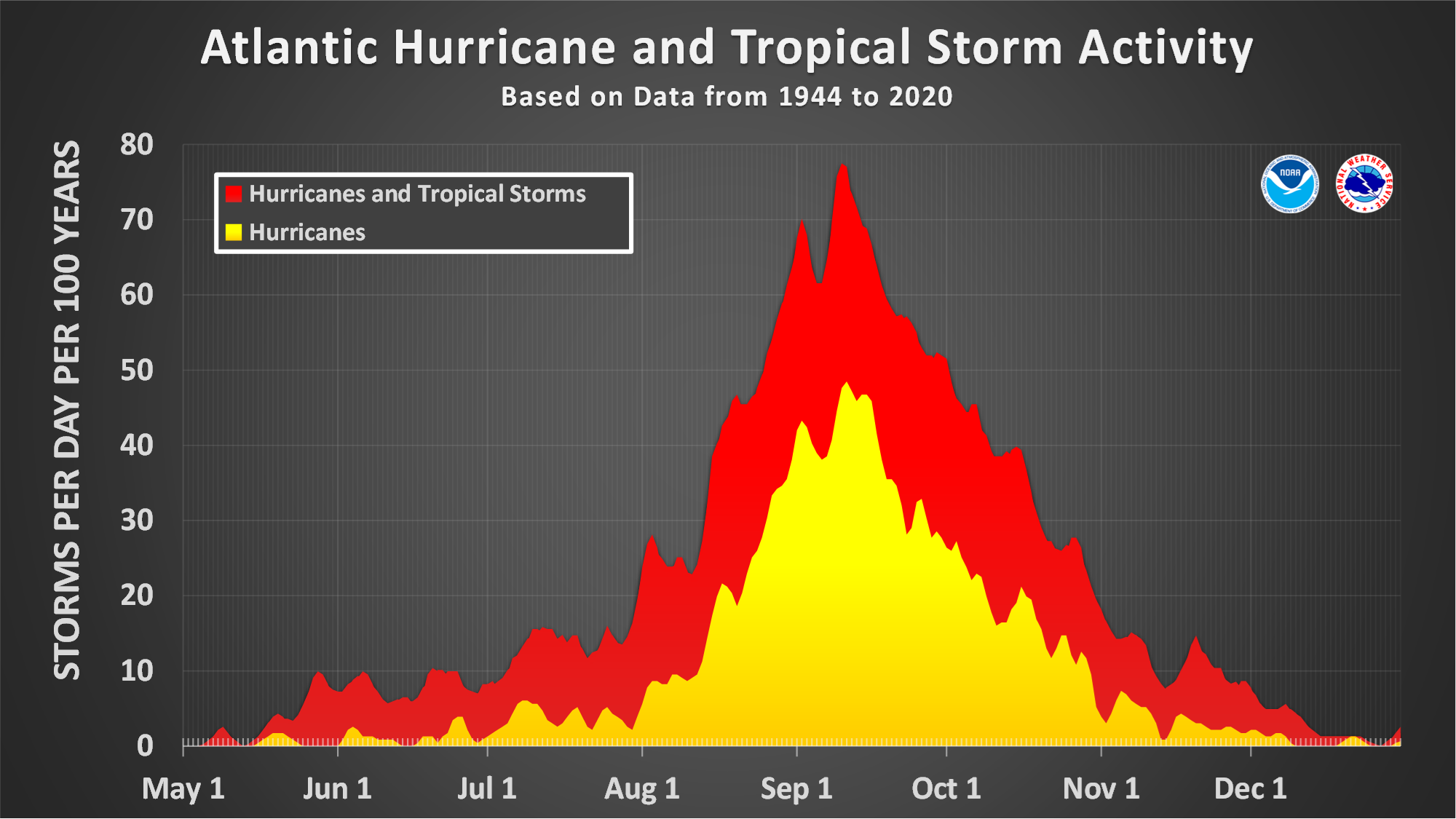
The Atlantic hurricane season is a crucial period for anyone planning travel to Florida. While June and July can see activity, the peak months are traditionally August, September, and October. During this time, the warm waters of the Atlantic Ocean, Caribbean Sea, and Gulf of Mexico provide the fuel for tropical depressions to intensify into tropical storms and potentially hurricanes. Understanding this seasonal pattern allows travelers to make informed decisions, such as considering travel insurance, staying updated on forecasts from reliable sources like the National Hurricane Center, and familiarizing themselves with local emergency procedures. Many hotels and resorts, particularly those belonging to major chains like Marriott or Hilton, often have specific hurricane policies, including flexible cancellation options, to provide peace of mind for guests.
The Enduring Appeal of the Sunshine State
Despite the occasional threat of hurricanes, Florida’s appeal remains undiminished. Its diverse offerings cater to every type of traveler, from families seeking thrilling adventures at theme parks like Universal Orlando Resort to couples desiring romantic getaways on the white sands of Southwest Florida. Beyond the well-trodden paths, Florida boasts incredible natural landmarks such as Everglades National Park, where visitors can witness unique wildlife, and stunning stretches of coastline perfect for relaxation. The state’s vibrant local culture, delectable cuisine, and endless outdoor activities ensure that there’s always something new to discover. This enduring charm is precisely why visitors continue to flock to Florida, even with an awareness of its hurricane season.
The Most Recent Major Hurricanes to Impact Florida
To answer the question directly, Florida has experienced several significant hurricanes in recent years, each leaving its mark but also demonstrating the state’s remarkable ability to recover. While localized tropical storms occur more frequently, major hurricanes are less common but tend to have a broader and more severe impact. Understanding these events provides context for current travel conditions and future planning.
Hurricane Ian: A Devastating Blow to Southwest Florida
Hurricane Ian, which made landfall on September 28, 2022, near Cayo Costa as a powerful Category 4 storm, stands as one of the most impactful recent hurricanes. Ian brought catastrophic storm surge and extreme winds to Southwest Florida, particularly devastating areas around Fort Myers, Cape Coral, Naples, Sanibel Island, and Captiva Island. The storm’s slow movement across the state also led to extensive freshwater flooding in central Florida, including parts of Orlando.
For travelers, Hurricane Ian had a profound, albeit localized, effect. Airports in the affected regions, such as Southwest Florida International Airport (RSW), closed temporarily. Many hotels, resorts, and vacation rentals in Fort Myers and its barrier islands sustained significant damage, leading to closures and long-term rebuilding efforts. Iconic landmarks like the causeway to Sanibel Island were breached, requiring massive reconstruction projects. However, areas like Orlando and Miami, while experiencing heavy rain and some disruptions, largely escaped severe structural damage and quickly resumed normal operations. The recovery in Southwest Florida has been ongoing, showcasing an incredible spirit of community and determination to rebuild and reopen. Many accommodations have since reopened, some even improved, offering travelers renewed opportunities to visit.
Hurricane Nicole: A Late-Season Reminder
Just weeks after Ian, Hurricane Nicole made landfall on Florida’s Atlantic Coast on November 10, 2022, as a Category 1 storm. While less intense than Ian, Nicole brought substantial storm surge and erosion, particularly to coastal communities still vulnerable from previous storms. Areas like Daytona Beach, New Smyrna Beach, and parts of Brevard County experienced significant beach erosion and damage to beachfront properties, including hotels and condominiums.
Nicole served as a late-season reminder that hurricane threats can extend beyond the typical peak months. Its impact on tourism was primarily concentrated on the immediate coastline, with some hotel closures and travel advisories for beach communities. However, most of Florida’s’s major tourism hubs, including Orlando’s theme parks and the attractions in Miami and Fort Lauderdale, saw minimal disruption and continued to operate normally. This demonstrates the localized nature of many hurricane impacts and the importance of checking specific destination conditions.
Hurricane Idalia: The Big Bend’s Challenge
The most recent significant hurricane to impact Florida was Hurricane Idalia, which struck the state’s Big Bend region on August 30, 2023, as a powerful Category 3 storm. Making landfall near Keaton Beach, Idalia brought destructive storm surge to a sparsely populated, rural part of the Gulf Coast and high winds that tracked across northern Florida and into Georgia and the Carolinas. While the population density in the direct impact zone was lower than areas hit by Ian, the storm still caused significant damage to infrastructure, homes, and local businesses in towns like Perry, Steinhatchee, and Cedar Key.
From a tourism perspective, the Big Bend region is less reliant on large-scale resorts and theme parks, focusing more on natural attractions, fishing, and ecotourism. Therefore, while local accommodations and small businesses faced considerable challenges, the broader Florida tourism industry, including destinations like Tampa, St. Petersburg, and Jacksonville, was largely unaffected and continued normal operations. Idalia underscored the vulnerability of low-lying coastal areas to storm surge and the importance of preparedness in all parts of the state.
Navigating Travel to Florida During Hurricane Season
For those planning a trip to Florida, especially between June and November, a proactive approach to planning can ensure a smooth and enjoyable experience, even with the possibility of tropical weather. The key is information, flexibility, and proper preparation, allowing travelers to enjoy the state’s many attractions with confidence.
Essential Pre-Trip Planning and Preparation
The first step in planning any trip to Florida during hurricane season is to purchase travel insurance. This is perhaps the single most important piece of advice. Comprehensive travel insurance can cover unexpected cancellations, delays, medical emergencies, and even evacuation costs should a hurricane disrupt your plans. Be sure to read the policy carefully to understand what is covered regarding weather events.
Secondly, stay informed. Before and during your trip, regularly check forecasts from reputable meteorological sources like the National Hurricane Center (NHC) and local news outlets. Many Florida counties also have emergency management websites and social media channels that provide real-time updates and advisories.
Finally, consider the timing. If you have flexibility, traveling outside the peak hurricane months (mid-August to mid-October) can reduce your risk. However, if you must travel during this period, be extra diligent with your planning. Many seasoned travelers find that early summer (June/July) or late fall (November) offers pleasant weather with a lower historical probability of major storm activity.
Choosing Your Accommodation Wisely
When selecting hotels, resorts, or other accommodation options in Florida, particularly in coastal areas, it’s beneficial to consider their hurricane policies. Many reputable establishments, especially larger resorts and chains like Hyatt, Ritz-Carlton, or Kimpton Hotels, offer “hurricane guarantees” or flexible cancellation policies during storm watches or warnings. Always confirm these policies directly with the accommodation provider before booking.
Consider the location of your accommodation. While beachfront properties offer stunning views, they can be more susceptible to storm surge and may be among the first areas to be evacuated. Choosing accommodation slightly inland, or in major metropolitan areas like Orlando or Tampa that are less prone to direct coastal impacts, can offer an added layer of security. Review websites and traveler forums can also provide insights into how specific hotels have handled previous weather events. Understanding booking, reviews, and comparison are crucial components for any smart traveler.
Staying Informed and Safe During Your Visit
Once in Florida, continue to monitor weather updates. Most hotels and resorts will have emergency plans in place and will communicate directly with guests regarding any necessary actions, such as shelter-in-place orders or evacuations. Familiarize yourself with these plans upon arrival.
If a storm approaches, follow all instructions from local authorities. This may include evacuating to a designated shelter or moving to a safer location. Keep an emergency kit handy with essentials like medications, important documents, chargers for electronic devices, and some cash. Even if your area is not directly threatened, travel plans might be affected by airport closures, road closures, or service disruptions, so flexibility is key. Embracing a “lifestyle” of informed and prepared travel ensures a safer, more enjoyable experience in the long run.
Beyond the Storm: Florida’s Rapid Recovery and Enduring Charm
One of the most remarkable aspects of Florida is its unwavering spirit of recovery. Following each hurricane, communities rally, and efforts to rebuild and restore tourism infrastructure begin almost immediately. This resilience is a testament to the strong community bonds, effective government support (including agencies like FEMA), and the vital importance of tourism to the state’s economy.
Rebuilding and Reopening: Destinations Welcome Visitors
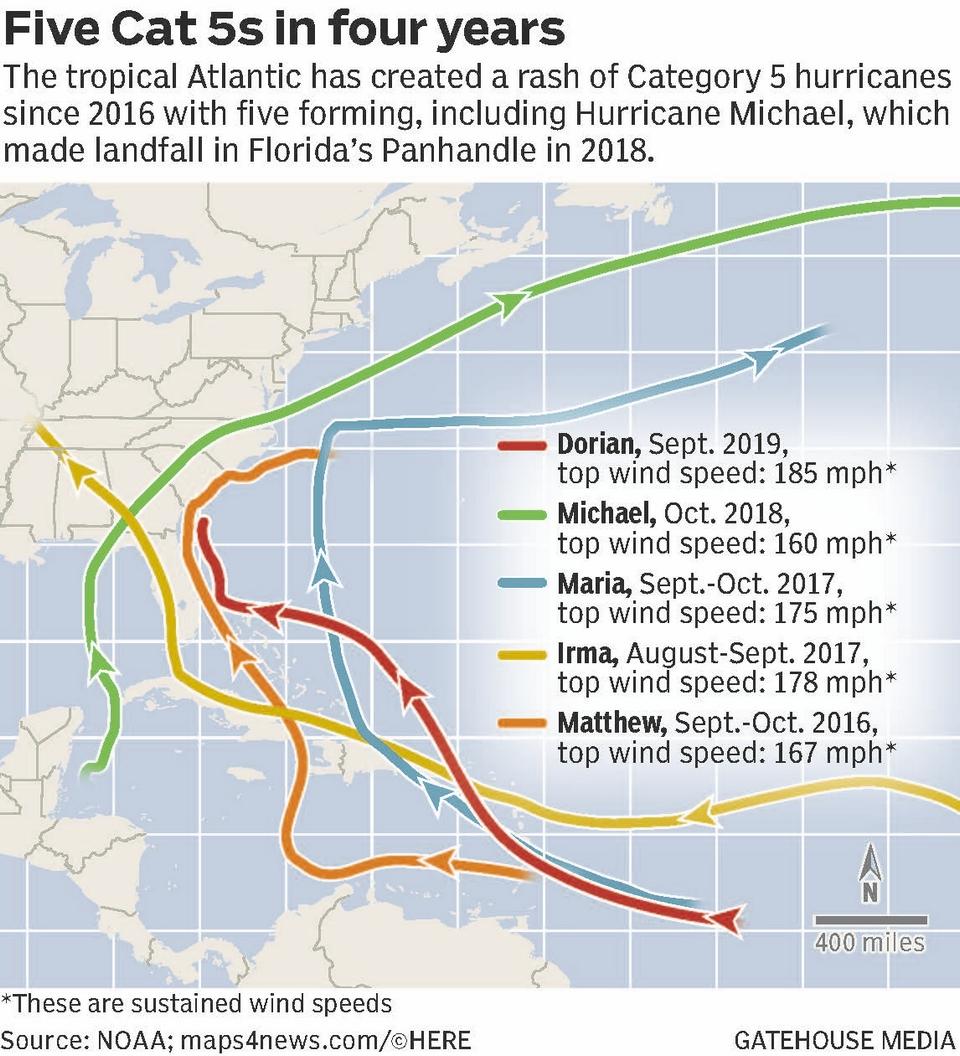
Within weeks or months of a hurricane, many affected areas, particularly those with strong tourism economies, embark on extensive recovery missions. Damaged hotels are repaired, beaches are restored, and attractions reopen. For instance, after Hurricane Irma in 2017, the Florida Keys, including popular Key West, saw a tremendous outpouring of support and quick restoration, demonstrating how crucial tourism is for these destinations. Similarly, following Hurricane Michael in 2018, which devastated parts of the Panhandle like Mexico Beach, significant resources were deployed to rebuild. While some areas, especially the hardest hit, might take longer, most of Florida’s prime tourist destinations are quick to welcome visitors back. This rapid rebuilding process means that travelers often don’t have to wait long to return to their favorite spots.
Supporting Local Tourism and Businesses
Visiting Florida after a hurricane (once areas are declared safe and open) is one of the best ways to support the state’s recovery. Tourism dollars directly contribute to the rebuilding efforts, helping local businesses, restaurants, hotels, and attractions regain their footing. Choosing to stay in locally owned accommodations, dining at independent restaurants, and participating in local activities helps inject vital funds into the community. Many travel experiences, such as visiting Busch Gardens Tampa Bay or exploring the Kennedy Space Center Visitor Complex, remain largely unaffected and are ready to entertain.
Florida’s commitment to tourism and its remarkable ability to recover quickly from natural events ensure that its allure remains strong. While the question of “When was the last Florida hurricane?” serves as an important reminder of the state’s natural environment, it also highlights a narrative of resilience, preparedness, and an unwavering spirit to provide unforgettable travel experiences. By staying informed, planning wisely, and understanding the state’s recovery efforts, travelers can confidently continue to explore and enjoy all the wonders the Sunshine State has to offer, making memories that will last a lifetime.
LifeOutOfTheBox is a participant in the Amazon Services LLC Associates Program, an affiliate advertising program designed to provide a means for sites to earn advertising fees by advertising and linking to Amazon.com. Amazon, the Amazon logo, AmazonSupply, and the AmazonSupply logo are trademarks of Amazon.com, Inc. or its affiliates. As an Amazon Associate we earn affiliate commissions from qualifying purchases.