
Florida, a sun-drenched paradise known for its vibrant cities, pristine beaches, and world-class attractions, presents a unique temporal nuance that often catches travelers by surprise: it straddles two distinct time zones. While the vast majority of the state operates on the Eastern Time Zone, a significant and beautiful portion of its western Panhandle region observes the Central Time Zone. Add to this the annual ritual of Daylight Saving Time, and understanding Florida’s temporal landscape becomes essential for seamless travel and planning. This guide will demystify where and why time changes in the Sunshine State, offering practical advice for navigating its diverse regions without missing a beat—or a booking.
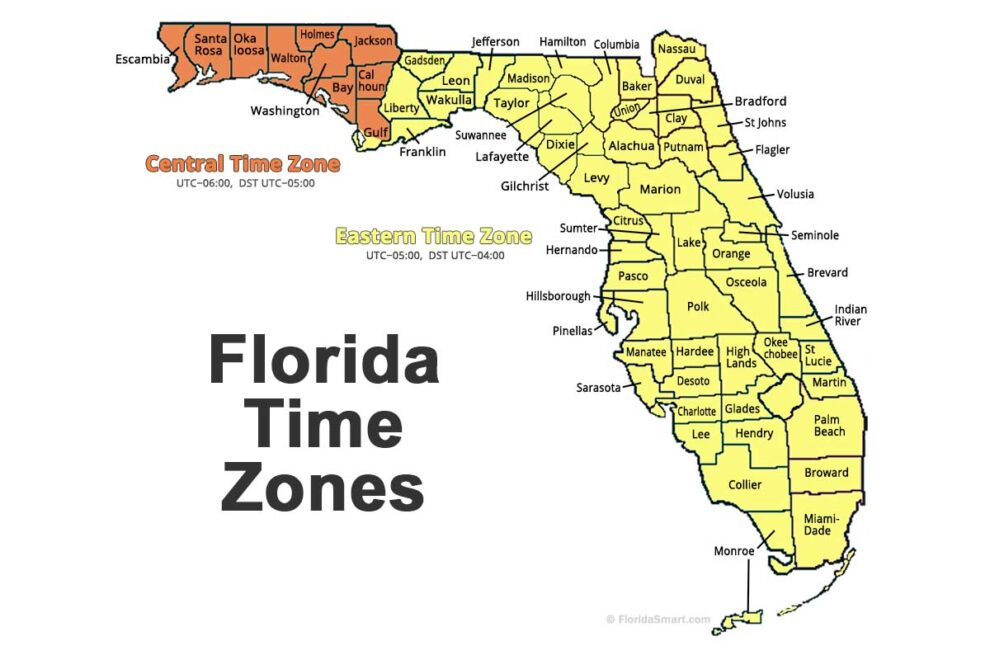
Navigating Florida’s Time Zones: Eastern vs. Central
The division of Florida into two time zones is a geographical and historical quirk that has significant implications for both residents and visitors. Understanding this boundary is the first step in mastering the state’s time dynamics.
The Eastern Time Zone Dominance
Most of Florida proudly resides within the Eastern Time Zone. This encompasses the state’s major population centers, iconic tourist destinations, and bustling commercial hubs. From the glittering shores of Miami and Fort Lauderdale in the southeast to the theme park capital of Orlando in the center, and the historical charm of St. Augustine and the sprawling metropolis of Jacksonville in the northeast, almost every corner that comes to mind when one pictures Florida falls within this zone.
The state capital, Tallahassee, also observes Eastern Time, as do the vibrant cities of Tampa, Gainesville, and the tropical paradise of Key West and the entire Florida Keys archipelago. During the winter months, these areas adhere to Eastern Standard Time (EST), which is UTC-5. When Daylight Saving Time is in effect, typically from March to November, they switch to Eastern Daylight Time (EDT), observing UTC-4. This consistent timekeeping across such a vast and populous area makes planning within this zone relatively straightforward for travelers.
Unveiling the Central Time Zone Enclave
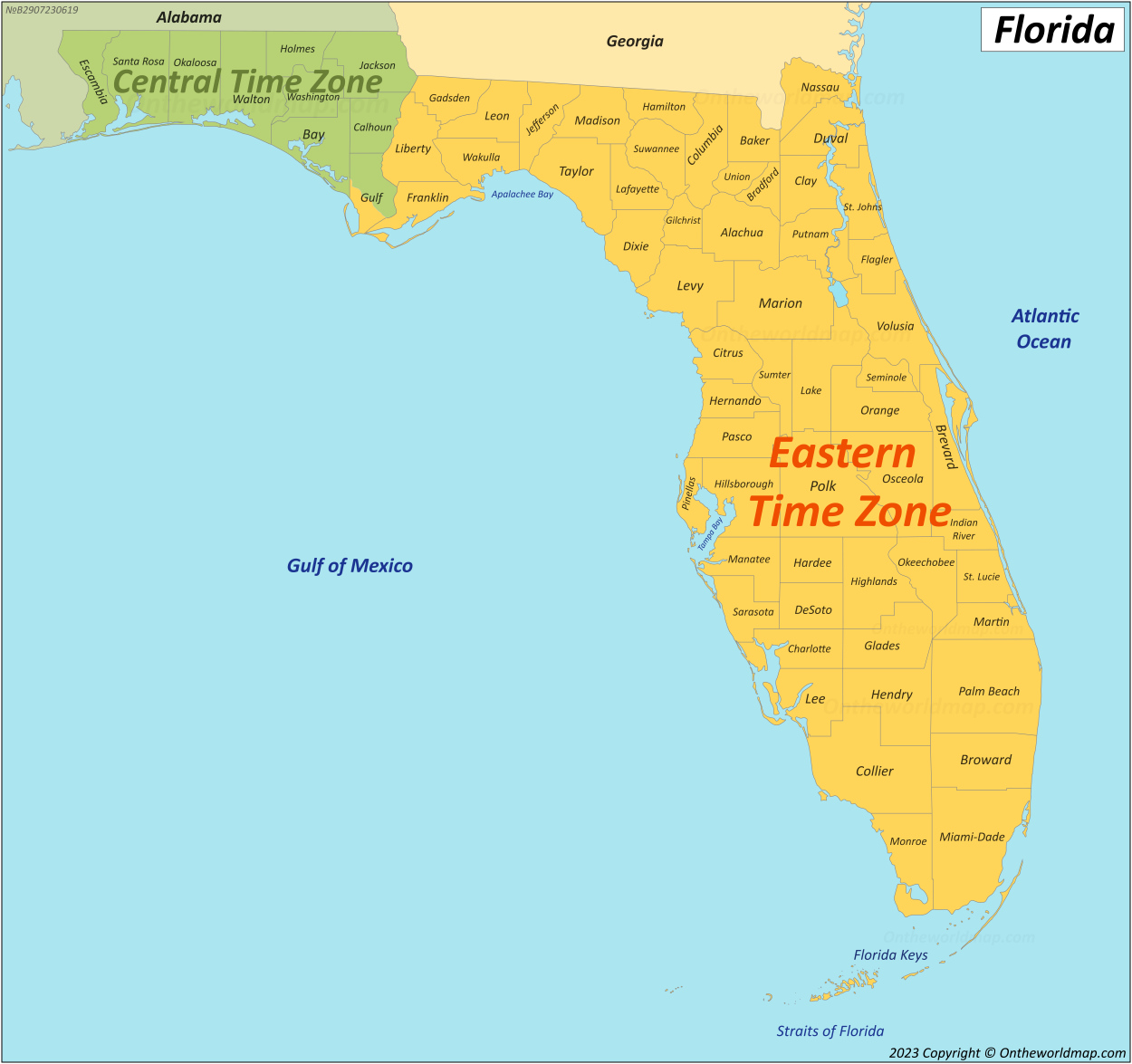
The exceptions to Florida’s Eastern Time Zone rule are found predominantly in the western stretches of its Panhandle. This region, characterized by its stunning white-sand beaches, emerald waters, and unique Southern charm, operates on the Central Time Zone. Specifically, the following counties are entirely within the Central Time Zone: Escambia County, Santa Rosa County, Okaloosa County, Walton County, and Bay County.
This means popular destinations like Pensacola, Destin, Fort Walton Beach, and Panama City Beach are one hour behind the rest of mainland Florida. For instance, when it’s 3:00 PM in Orlando, it’s 2:00 PM in Pensacola. These areas follow Central Standard Time (CST) at UTC-6 during winter and Central Daylight Time (CDT) at UTC-5 during Daylight Saving Time. This temporal shift is crucial for travelers journeying across the Panhandle or planning activities that span the time zone boundary.
The Invisible Line: Florida’s Time Zone Boundary
The precise demarcation between the Eastern and Central Time Zones in Florida is fascinating and can be a point of minor confusion. The boundary generally follows the Apalachicola River for a significant portion of its length. Specifically, Gulf County, which is bisected by the river, is the only county in Florida that observes both time zones. The portion of Gulf County west of the Apalachicola River is in the Central Time Zone, while the eastern part, including the county seat of Port St. Joe, is in the Eastern Time Zone. Similarly, a small sliver of Franklin County west of the Apalachicola River also observes Central Time.
This invisible line, often marked by subtle signage or simply understood by locals, can lead to interesting situations. For instance, traveling from Panama City Beach (Central Time) eastward towards Tallahassee (Eastern Time) means gaining an hour as you cross the river. This transition point, especially around small towns like Wewahitchka, requires attentiveness for anyone relying on precise scheduling. For tourists exploring the less-trodden paths of the Panhandle, this time zone shift adds an unexpected layer to their adventure.
The Impact of Daylight Saving Time in Florida
Beyond the geographical time zone split, Florida, like most of the United States, observes Daylight Saving Time. This annual clock adjustment further influences travel plans, local activities, and even legislative debates within the state.
Understanding the Annual Shift
Twice a year, Florida (and the majority of the United States) participates in the “spring forward, fall back” ritual. In early March, clocks “spring forward” by one hour, initiating Daylight Saving Time and shifting from standard time (EST/CST) to daylight time (EDT/CDT). This means an hour of daylight is effectively moved from the morning to the evening, providing longer periods of natural light after work or school. Conversely, in early November, clocks “fall back” by one hour, returning to Standard Time.
This synchronized shift applies to both the Eastern and Central Time Zones within Florida. So, while the one-hour difference between the zones remains constant, the absolute offset from Coordinated Universal Time (UTC) changes. For travelers, this means adjusting to the time change not once, but potentially twice, if their trip spans these transition dates, impacting everything from flight schedules to hotel check-in times and attraction operating hours.
Past Debates and Future Possibilities
Florida has been at the forefront of a national movement to make Daylight Saving Time permanent. In 2018, the state legislature passed the Sunshine Protection Act, a bill that would permanently keep Florida on Daylight Saving Time year-round. The rationale behind this move was to provide more daylight in the evenings throughout the year, benefiting tourism, outdoor activities, and the overall lifestyle associated with the Sunshine State. The thinking was that more evening daylight would boost economic activity, reduce energy consumption, and even improve public safety.

However, despite Florida’s legislative approval, the change has not yet been implemented because it requires a change in federal law. The Uniform Time Act of 1966 mandates the observance of Daylight Saving Time nationwide and requires Congress to approve any state’s request to opt out or make Daylight Saving Time permanent. While similar bills have been introduced in the U.S. Congress, no federal action has been taken to date. This ongoing debate means that for the foreseeable future, Florida will continue to observe the biannual time change, adding a layer of temporal adjustment for everyone within its borders.
Practical Implications for Florida Travelers and Residents
The presence of two time zones and the observance of Daylight Saving Time can have significant practical implications, particularly for those traveling across the state or conducting business that spans the time zone boundary.
Planning Your Florida Itinerary Across Time Zones
For travelers embarking on a Florida road trip, understanding the time zones is paramount. Imagine flying into Orlando International Airport (MCO) in the Eastern Time Zone and planning a same-day drive to a resort in Destin or Panama City Beach in the Central Time Zone. While the drive itself is several hours, you will “lose” an hour upon arrival at your destination, meaning your actual arrival time relative to your original departure time will be an hour later than anticipated. This can impact check-in times for accommodations, scheduled dinner reservations, or pre-booked activities like sunset cruises.
Conversely, if you’re traveling eastward, say from Pensacola to Gainesville, you will “gain” an hour, effectively making your journey seem shorter on the clock. It’s crucial to always confirm the local time of your destination and factor in the time zone change when calculating travel durations, especially for connecting flights or time-sensitive appointments. Digital devices often auto-adjust, but it’s always wise to double-check, particularly near the time zone boundary where cell tower signals might fluctuate.
Booking Accommodations and Activities Seamlessly
When booking hotels, tours, or attractions in Florida, pay close attention to the time zone specified for the booking. A common pitfall for travelers is miscalculating arrival times for resorts or missing scheduled tour departures because they forgot about the one-hour shift. If you’ve booked a fishing charter out of Port St. Joe (which is Eastern Time) but you’re staying just across the river in Mexico Beach (Central Time), that one-hour difference can be the deciding factor between a successful outing and a missed opportunity.
Many tourism operators are aware of this potential confusion and will often specify the time zone for their services, but it’s always best to verify. For example, if you’re flying out of Tallahassee International Airport (TLH) but staying in Panama City, you’ll need to leave your Central Time Zone lodging an hour earlier relative to your internal clock to arrive at the Eastern Time Zone airport on schedule.
Local Life and Business Considerations
For Florida residents, especially those living or working near the time zone line, the shift is a daily reality. School schedules, business hours, government services, and even local broadcast times can vary depending on which side of the Apalachicola River one resides. Cross-county commerce and family visits often involve a mental adjustment for the one-hour difference. While most modern technologies automatically update, the human element of scheduling and coordination remains crucial. Awareness of the time zone boundary is a part of local lifestyle in the Panhandle, akin to understanding local weather patterns or traffic flows.
Exploring Florida’s Diverse Regions: Time Zones and Beyond
Understanding Florida’s time zones is more than just a logistical exercise; it enriches the appreciation of the state’s diverse geography and unique regional identities.
Eastern Time Zone Highlights
The Eastern Time Zone is where most of Florida’s major landmarks and attractions are concentrated.
- Orlando: Home to Walt Disney World Resort, Universal Orlando Resort, and numerous other theme parks, Orlando offers endless entertainment. Planning your day here means making the most of every Eastern Daylight Time hour.
- Miami & South Florida: Experience the vibrant culture of Miami, relax on South Beach, or explore the Art Deco Historic District of Miami Beach. Day trips to Everglades National Park are also popular, all within the convenient Eastern Time Zone.
- Florida Keys: Drive the scenic Overseas Highway down to Key West, enjoying the sunsets, snorkeling, and relaxed atmosphere, all operating on Eastern Time.
- Tampa Bay Area: Discover the thrills of Busch Gardens Tampa Bay, the history of Ybor City, or the beautiful beaches of St. Petersburg and Clearwater.
- Space Coast: Witness rocket launches and explore the Kennedy Space Center Visitor Complex near Cape Canaveral, an awe-inspiring experience precisely timed in the Eastern Time Zone.
Central Time Zone Gems
The Central Time Zone offers its own distinct charm and a slightly different pace of life, reflecting its geographic and cultural ties to the broader Gulf Coast region.
- Pensacola: As Florida’s westernmost major city, Pensacola boasts a rich history, beautiful beaches, and the renowned National Naval Aviation Museum. Enjoying an extra hour of daylight in the evenings here can enhance your visit.
- Destin & Fort Walton Beach: Known as the “World’s Luckiest Fishing Village,” Destin offers incredible fishing, watersports, and stunning emerald waters. These areas thrive on Central Time, offering a slightly delayed sunset compared to Florida’s Eastern Time destinations.
- Panama City Beach: A popular destination for families and spring breakers, Panama City Beach is famous for its lively atmosphere, pristine beaches, and St. Andrews State Park. All its attractions and accommodations are firmly in the Central Time Zone.
- Apalachicola: This charming historic town, famous for its oysters and proximity to the time zone divide, offers a glimpse into authentic Florida Panhandle lifestyle. Its position near the time line means a short drive can literally transport you into a different hour.
Conclusion: Embracing Florida’s Temporal Diversity
“Where in Florida does time change?” The answer is clear: primarily along the Apalachicola River in the Panhandle, dividing the state into its dominant Eastern Time Zone and its charming Central Time Zone western edge. Furthermore, the entire state experiences an annual shift due to Daylight Saving Time, adding another dimension to its temporal landscape.
For travelers, a little foresight and awareness of these time differences can prevent missed appointments, ensure smooth transitions, and ultimately enhance the overall travel experience. Whether you’re chasing the sunrise over the Atlantic Ocean in Miami or enjoying a later sunset over the Gulf of Mexico in Destin, Florida’s unique temporal tapestry is just another facet of what makes this state such a fascinating and diverse destination. Embrace the subtle shifts, plan accordingly, and prepare to immerse yourself in all the wonders the Sunshine State has to offer, no matter what time it is.
LifeOutOfTheBox is a participant in the Amazon Services LLC Associates Program, an affiliate advertising program designed to provide a means for sites to earn advertising fees by advertising and linking to Amazon.com. Amazon, the Amazon logo, AmazonSupply, and the AmazonSupply logo are trademarks of Amazon.com, Inc. or its affiliates. As an Amazon Associate we earn affiliate commissions from qualifying purchases.