
The question “Where is Dade, Florida?” often sparks a moment of confusion for those unfamiliar with the region’s history, but for seasoned travelers and locals, it immediately points to one of the most dynamic and iconic destinations in the United States: Miami-Dade County. While the name “Dade County” formally ceased to exist in 1997, evolving into Miami-Dade County, its legacy endures, firmly cementing its place as the vibrant heart of Southeastern Florida. This vast and diverse county is a mosaic of cultures, breathtaking natural landscapes, bustling urban centers, and a lifestyle that captivates millions of visitors each year.

For anyone planning a trip, considering a relocation, or simply curious about this sun-drenched corner of the globe, understanding the essence of Miami-Dade is key. It’s more than just a dot on the map; it’s a premier travel destination, a hub for luxury and budget accommodations, a beacon of global tourism, and home to some of the most recognizable landmarks on Earth. From its pristine beaches and lush national parks to its world-class dining and pulsating nightlife, Miami-Dade County offers an unparalleled array of experiences that cater to every taste and interest. This article will serve as your ultimate guide, exploring the geographical, historical, cultural, and practical dimensions of what was once known as Dade, Florida, and is now a global magnet for travel, tourism, and lifestyle adventures.
Unveiling Miami-Dade County: A Geographic and Historical Overview
The transformation from “Dade County” to “Miami-Dade County” in 1997 was more than just a name change; it was an acknowledgment of the profound influence and global recognition of the city of Miami, which serves as its bustling county seat. Established in 1836, Dade County was originally named after Major Francis L. Dade, a soldier killed in the Second Seminole War. Over its long history, the county has grown exponentially, becoming the most populous county in Florida and the seventh-most populous in the United States.
The Name Change and Location
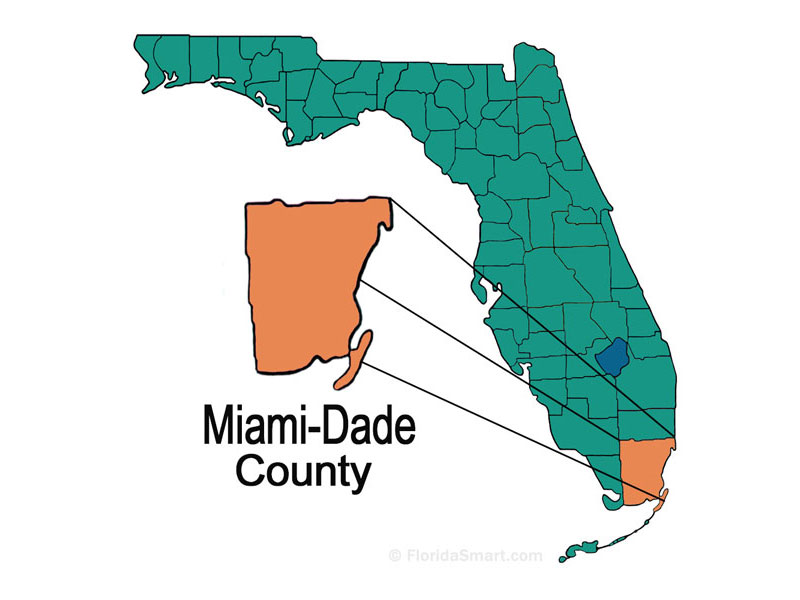
Today, when people ask “Where is Dade, Florida?”, they are invariably referring to the dynamic region encompassed by Miami-Dade County. Situated in the southeastern part of the Florida peninsula, the county stretches from the shores of the Atlantic Ocean in the east to the vast wetlands of the Everglades in the west. Its strategic location makes it a gateway to Latin America and the Caribbean, fostering a rich tapestry of international cultures that permeate every aspect of life here.
Geographically, Miami-Dade County is vast, covering an impressive area of approximately 2,431 square miles. This makes it the largest county in Florida by area, excluding the water area of Florida Bay. A significant portion of its western expanse is dedicated to protected natural lands, including large sections of Everglades National Park and the entirety of Biscayne National Park. These natural treasures highlight the county’s commitment to preserving its unique ecosystems alongside its urban development.
Geography and Borders
Miami-Dade County shares its northern border with Broward County, which is home to cities like Fort Lauderdale. To its south lies Monroe County, leading towards the iconic Florida Keys and destinations like Key West. The western border is primarily defined by the Everglades National Park and Collier County, while its eastern front is graced by the warm waters of the Atlantic Ocean. This diverse geographical setting provides a unique blend of urban sophistication, coastal charm, and untamed wilderness, making Miami-Dade an extraordinary place to explore.
Miami-Dade’s Vibrant Tapestry: Attractions and Experiences
Miami-Dade County is a tourism powerhouse, drawing millions with its promise of sun, sand, culture, and endless entertainment. Its comprehensive appeal is why it consistently ranks among the top destinations for travelers seeking diverse experiences. From iconic landmarks and world-renowned urban districts to pristine natural parks and a sizzling culinary scene, the county truly has something for everyone.
Iconic Landmarks and Urban Exploration
The urban heart of Miami-Dade pulsates with energy and a unique architectural style. No visit is complete without experiencing the legendary South Beach in Miami Beach, famous for its vibrant nightlife, stunning beaches, and the pastel-hued buildings of the [Art Deco Historic District](https://lifeoutofthebox. Strolling down Ocean Drive or relaxing at Lummus Park offers a quintessential Miami experience.
Beyond the beach, Downtown Miami and the financial district of Brickell boast a gleaming skyline, world-class dining, and upscale shopping. Cultural gems abound in neighborhoods like Coconut Grove, Coral Gables, and the world-famous Little Havana. In Little Havana, particularly along Calle Ocho, visitors can immerse themselves in Cuban culture, savor authentic cuisine, and enjoy lively music and domino games.
Historical landmarks include the majestic Freedom Tower, a symbol of hope for Cuban immigrants, and the opulent Vizcaya Museum & Gardens, a European-inspired estate offering a glimpse into the Gilded Age. Art lovers will flock to the Pérez Art Museum Miami (PAMM) and the interactive exhibits at the Frost Science Museum. The Design District provides a haven for luxury fashion and cutting-edge art installations, while the Wynwood Walls offer an outdoor gallery of vibrant street art. Other unique attractions include the historic Venetian Pool in Coral Gables and the mysterious Coral Castle in Homestead.
Natural Wonders and Outdoor Adventures
Miami-Dade County is a paradise for nature enthusiasts and those seeking outdoor adventures. The proximity to two national parks is a testament to its ecological richness. Everglades National Park, a UNESCO World Heritage Site, offers airboat rides, wildlife viewing (including alligators and various bird species), and hiking trails through unique sawgrass prairies and cypress swamps. Biscayne National Park, largely underwater, is a boater’s and diver’s dream, protecting extensive coral reefs, mangrove forests, and the sparkling waters of Biscayne Bay.
Beyond the national parks, several state and county parks provide ample opportunities for recreation. Zoo Miami is Florida’s largest and oldest zoo, home to thousands of animals from around the world. The historic Deering Estate offers stunning views of the bay, hiking trails, and a rich history. For botanical beauty, the Fairchild Tropical Botanic Garden showcases an incredible collection of tropical plants. Coastal parks like Bill Baggs Cape Florida State Park on Key Biscayne and Crandon Park offer pristine beaches, lighthouse tours, and watersports. For kayaking and paddleboarding through mangroves, Oleta River State Park is an excellent choice.
Culinary Delights and Cultural Immersions
The culinary scene in Miami-Dade is as diverse as its population. Influences from Latin America, the Caribbean, and beyond create a vibrant tapestry of flavors. From upscale dining establishments like the iconic Joe’s Stone Crab to casual beachfront eateries and authentic Cuban cafes like Versailles Restaurant, food is a central part of the Miami experience. Seafood is a given, but you’ll also find incredible fusion cuisine, farm-to-table restaurants, and a booming craft cocktail scene.
Culturally, the county is a melting pot. Its strong Cuban, Haitian, and other Latin American and Caribbean communities contribute to a calendar packed with festivals, music, and art events. International events like Art Basel, the South Beach Wine & Food Festival, and music festivals like Ultra Music Festival and the Winter Music Conference draw global audiences, solidifying Miami-Dade’s reputation as a cultural hotspot. For shopping enthusiasts, Dolphin Mall and Aventura Mall offer expansive retail experiences.
Planning Your Stay: Accommodation and Lifestyle Choices
When it comes to planning a trip to Miami-Dade County, the range of accommodation options and lifestyle experiences is virtually endless. Whether you’re seeking opulent luxury, family-friendly resorts, a budget-conscious stay, or an extended visit, the region caters to every preference.
Diverse Accommodation Options
Miami-Dade is renowned for its hotels and resorts, which range from iconic five-star properties to charming boutique hotels and practical apartments. In Miami Beach and South Beach, you’ll find a concentration of luxury resorts offering oceanfront views, world-class spas, and amenities that define indulgence. Areas like Bal Harbour, Sunny Isles Beach, Golden Beach, and Surfside are home to exclusive resorts and high-end condominium-hotels, perfect for those seeking an upscale, serene beach experience.
For travelers looking for a more urban or business-oriented stay, Downtown Miami and Brickell offer sleek hotels, often connected to convention centers and business hubs, providing easy access to corporate offices and metropolitan attractions. These areas also feature numerous apartments and long-term stay options, ideal for extended business trips or those looking for a home-away-from-home feel.
Family trips often lead to resorts with extensive kids’ clubs, multiple pools, and proximity to attractions like Zoo Miami or the beaches. Budget travelers can find comfortable and well-located options further inland or in smaller municipalities within the county, utilizing the extensive public transport network to access popular sites. For a unique experience, consider boutique hotels in historic neighborhoods like Coconut Grove or Coral Gables, or even short-term villa rentals on exclusive islands like Fisher Island or Key Biscayne.
Booking accommodation in Miami-Dade is made simple through various online platforms, with options for direct bookings, package deals, and comprehensive reviews to help you compare and choose the perfect place for your stay.
Tailoring Your Miami-Dade Lifestyle Experience
The lifestyle you choose to embrace in Miami-Dade can be as varied as the county itself.
- Luxury Travel: Indulge in designer shopping in the Design District, dine at Michelin-starred restaurants, charter a yacht in Biscayne Bay, and stay in a penthouse suite overlooking the Atlantic Ocean.
- Budget Travel: Explore free attractions like the Wynwood Walls and public beaches, utilize local eateries for authentic and affordable meals, and take advantage of public transportation.
- Family Trips: Focus on attractions like Zoo Miami, the Frost Science Museum, and parks with playgrounds and safe swimming areas. Many resorts offer family-focused amenities and activities.
- Business Stays: Leverage hotels in Downtown Miami and Brickell that offer business centers, meeting facilities, and easy access to transportation. The vibrant after-work scene also provides ample networking and relaxation opportunities.
- Long-Term Stays: For those considering an extended visit, Miami-Dade offers numerous options for apartment rentals, serviced residences, and villas, particularly appealing for snowbirds or digital nomads.
Navigating Miami-Dade: Transport and Practical Tips
Getting around Miami-Dade County is crucial for making the most of your visit. The county provides a range of transportation options, though the vastness of the area means planning ahead is often beneficial.
Getting Around
Public transportation in Miami-Dade is managed by Miami-Dade Transit and includes the Metromover, Metrobus, and Metrorail. The Metromover is a free, elevated rail system that loops through Downtown Miami and Brickell, connecting to various attractions and business districts. The Metrorail offers two lines that run north-south, connecting Downtown Miami to areas as far south as Dadeland and as far north as Miami International Airport (MIA). The extensive Metrobus system covers virtually the entire county, providing a cost-effective way to reach destinations not served by rail.
For longer distances, ride-sharing services and taxis are widely available. Renting a car is often recommended for visitors who wish to explore beyond the immediate urban core, especially for trips to the Everglades National Park or other outlying attractions. Additionally, the high-speed rail service, Brightline, connects Miami to Fort Lauderdale, Palm Beach, and Orlando, making inter-city travel seamless.

Airports and Travel Hubs
Miami-Dade County is served by one of the busiest airports in the United States, Miami International Airport (MIA). As a major hub for international travel, especially to Latin America and the Caribbean, MIA offers extensive connections worldwide. Another convenient option for travelers is Fort Lauderdale-Hollywood International Airport (FLL), located just north in Broward County, which often provides alternative flight options and is easily accessible from Miami-Dade via various transport methods.
Practical Tips:
- Climate: Expect a tropical climate with warm temperatures year-round. Summers are hot and humid with frequent afternoon thunderstorms, while winters are mild and dry, making it a popular escape from colder climates.
- Language: While English is the official language, Spanish is widely spoken, especially in Miami and its surrounding areas, reflecting the strong Latin American influence.
- Currency: The official currency is the United States Dollar.
- Tipping: Tipping is customary in restaurants, bars, and for services.
In conclusion, “Where is Dade, Florida?” leads to the vibrant, diverse, and endlessly fascinating Miami-Dade County. It’s a destination where history meets modernity, nature intertwines with urban sophistication, and every visit promises a rich tapestry of experiences. From luxury resorts to budget-friendly stays, from iconic landmarks to hidden natural wonders, Miami-Dade offers an unforgettable journey for every kind of traveler. Prepare to be captivated by its unique charm, its dynamic energy, and its welcoming spirit – a true gem of South Florida and a world-class travel destination.
LifeOutOfTheBox is a participant in the Amazon Services LLC Associates Program, an affiliate advertising program designed to provide a means for sites to earn advertising fees by advertising and linking to Amazon.com. Amazon, the Amazon logo, AmazonSupply, and the AmazonSupply logo are trademarks of Amazon.com, Inc. or its affiliates. As an Amazon Associate we earn affiliate commissions from qualifying purchases.