
The name “Palm Springs” conjures images of mid-century modern architecture, celebrity retreats, and a shimmering desert oasis nestled against dramatic mountain backdrops. For many, this iconic destination is firmly planted in Southern California. Yet, a surprisingly common question persists among travelers: “Where is Palm Springs, Florida?” This query often stems from a natural association with Florida’s abundant palm trees and numerous spring-fed swimming holes, leading to a geographical mix-up. This article aims to unravel this mystery, clarify the location of the famed Palm Springs, California, and explore why Florida’s landscape might lead some to believe a twin destination exists in the Sunshine State. We’ll delve into the unique characteristics that define both regions, offering insights for those planning their next American adventure, whether it involves desert glamour or subtropical charm.

Unraveling the Geographic Mystery: Palm Springs, California vs. Florida
The heart of the confusion lies in the descriptive nature of the name itself. “Palm” and “Springs” are both incredibly common geographical and botanical features across the United States, especially in warm, sun-drenched regions. However, there is only one globally recognized travel destination named Palm Springs.
The Iconic Palm Springs, California: A Desert Oasis
When people refer to “Palm Springs,” they are almost invariably talking about the vibrant city located in the Coachella Valley of Southern California. This unique destination is an actual desert oasis, famed for its year-round sunshine, stunning mountain views (especially the majestic San Jacinto Mountains), and its distinctive cultural heritage.
Historically, Palm Springs gained prominence in the early 20th century as a winter playground for Hollywood stars seeking an escape from the bustling city life of Los Angeles. Its dry, warm climate was also historically sought after for its perceived health benefits. This era cemented its reputation as a luxurious retreat, leading to the development of an extraordinary collection of mid-century modern architecture that continues to draw design enthusiasts and history buffs alike. Today, the city boasts an eclectic mix of boutique hotels, opulent resorts, and vacation rentals that cater to every taste, from the chic and retro to the ultra-modern.
Key attractions in Palm Springs, California, offer a diverse range of experiences. The Palm Springs Aerial Tramway provides breathtaking panoramic views as it ascends 8,500 feet to the wilderness of Mount San Jacinto State Park, offering a dramatic climate change from desert floor to alpine forest. For nature lovers, the ancient palm groves and hiking trails of Indian Canyons are a must-visit, offering a glimpse into the natural beauty and heritage of the Agua Caliente Band of Cahuilla Indians. The Living Desert Zoo and Gardens in nearby Palm Desert provides an immersive experience with the flora and fauna of the Sonoran Desert. Beyond specific landmarks, the city thrives on its lifestyle offerings: world-class golf courses, rejuvenating spas, vibrant art galleries, and a thriving culinary scene. Accommodation options range from iconic luxury establishments like The Parker Palm Springs to the contemporary elegance of the Kimpton Rowan Palm Springs Hotel, each offering a unique take on desert hospitality.
Is There a “Palm Springs” in Florida? Debunking the Myth
To directly answer the question: no, there is no major, well-known tourist destination or city officially named “Palm Springs” in Florida that holds a comparable reputation or scale to its Californian counterpart. While the name is descriptive and fitting for parts of Florida, it simply isn’t used for a prominent geographical area.
The confusion, as mentioned, likely stems from Florida’s pervasive use of “Palm” and “Springs” in its place names. Florida is home to countless palm tree species and boasts an incredible network of natural springs, many of which are popular for swimming, snorkeling, and diving. It’s easy to imagine a “Palm Springs” fitting right in.
While there isn’t a Palm Springs, Florida, a quick geographical scan does reveal a couple of smaller, less prominent places that bear the name:
- Palm Springs North, Florida: This is an unincorporated census-designated place (CDP) located in Miami-Dade County. It’s primarily a residential community and not a tourist destination.
- Palm Springs, Florida (Seminole County): This is another small CDP located near Altamonte Springs in Seminole County, Central Florida. Again, it is a residential area and not a point of interest for tourism.
Neither of these small communities offers the travel allure, historical significance, or recognition of Palm Springs, California. Travelers seeking a “Palm Springs” experience in Florida would be best served by exploring other “Palm”-named cities, which we will discuss later.
Why the Confusion? Distinguishing Two Popular Destinations
The persistent mixing of Palm Springs, California with a hypothetical Palm Springs, Florida highlights the distinct differences between California’s desert landscapes and Florida’s subtropical environment. Understanding these differences is key to appreciating the unique travel experiences each state offers.
Climate and Environment: Desert vs. Subtropical
The most striking contrast lies in the natural setting and climate.
- Palm Springs, California: Situated in the Colorado Desert (part of the larger Sonoran Desert), Palm Springs experiences a hot desert climate. Summers are extremely hot and dry, with temperatures often exceeding 100°F (38°C). Winters are mild and pleasant, making it a popular snowbird destination. The landscape is characterized by arid terrain, cacti, desert shrubs, and the dramatic, often snow-capped peaks of the San Jacinto Mountains. This stark beauty, combined with the clear, dry air, creates a unique atmosphere that is both rugged and serene.
- Florida: The Sunshine State, by contrast, is known for its humid subtropical climate. Summers are hot, wet, and characterized by frequent thunderstorms, while winters are mild and generally dry. The landscape is lush and verdant, defined by dense forests, wetlands, countless lakes, and, of course, extensive coastlines with white sandy beaches. The flora is tropical, featuring an abundance of palm varieties, citrus trees, and vibrant flowering plants. The air is typically humid, offering a very different sensory experience from the dry desert air of Palm Springs.

Tourism and Lifestyle: A Tale of Two Coasts
These environmental differences directly translate into distinct tourism offerings and lifestyles.
- Palm Springs, California: Travel to Palm Springs is often about relaxation, wellness, and a touch of retro glamour. The pace is generally slower, inviting visitors to unwind by resort pools, indulge in spa treatments, and enjoy a round of golf on impeccably manicured courses. Hiking in the desert canyons or taking the Aerial Tramway offers active pursuits, but the emphasis remains on a sophisticated, leisure-oriented experience. The cultural scene is rich with architecture tours, art galleries, and film festivals. Accommodation trends toward boutique hotels and luxury resorts, often with a nod to the area’s mid-century aesthetic.
- Florida: Florida’s tourism is incredibly diverse, often catering to families, beach lovers, and adventure seekers. Iconic theme parks like Walt Disney World Resort and Universal Orlando Resort draw millions annually. The state’s extensive coastline offers endless opportunities for swimming, sunbathing, surfing, and fishing. Inland, its numerous springs provide unique opportunities for freshwater snorkeling and kayaking. The lifestyle is generally more fast-paced and varied, offering everything from bustling city nightlife in Miami to tranquil nature escapes in the Everglades. Accommodation ranges from budget-friendly motels and sprawling family resorts to upscale beachfront condos and villas.
Exploring Florida’s Palm-Named Destinations: Alternatives and Attractions
For those who started their search with “Palm Springs, Florida,” the good news is that Florida offers numerous destinations that embody the “palm” and often “springs” elements, providing equally captivating, albeit different, travel experiences.
The Greater Palm Beach Area: Florida’s Own Elegant Enclave
Perhaps the closest Florida comes to a “Palm Springs” in terms of reputation and high-end lifestyle is the greater Palm Beach area. This region on the southeastern coast of Florida is renowned for its affluence, luxurious amenities, and beautiful beaches.
- Palm Beach: An island town separated from the mainland by the Lake Worth Lagoon, Palm Beach is synonymous with glamour and old-world charm. It’s home to some of the most exclusive resorts and estates in the country. Landmarks include the historic Henry Morrison Flagler Museum (Whitehall), a Gilded Age mansion, and the iconic Worth Avenue, famous for its high-end boutiques and exquisite dining. The quintessential luxury accommodation here is The Breakers Palm Beach, an oceanfront resort that defines opulence.
- West Palm Beach: Just across the lagoon, West Palm Beach is a more bustling city with a vibrant downtown area. It offers a broader range of accommodations, from business-friendly hotels to stylish boutique options. Attractions include the Norton Museum of Art, the waterfront Harbourside Place, and the family-friendly Lion Country Safari. Both Palm Beach and West Palm Beach offer beautiful beaches, opportunities for boating, and a rich cultural calendar.
Other Florida Cities with “Palm” in Their Name
Beyond Palm Beach, Florida is dotted with numerous other communities incorporating “Palm” into their names, each with its own unique appeal:
- Palm Coast: Located on Florida’s northeast Atlantic coast, Palm Coast is known for its pristine beaches, extensive golf courses, and a network of scenic canals. It offers a quieter, more nature-focused getaway compared to its southern counterparts.
- Palm Bay: Situated on the Space Coast in central Florida, Palm Bay is a larger, sprawling city with proximity to rocket launches from Cape Canaveral and access to the Indian River Lagoon for fishing and boating.
- Palm City: Found on the southeast coast near Stuart, Palm City is a more suburban and equestrian-focused community, offering a relaxed lifestyle with access to beautiful natural preserves and the St. Lucie River.
- Palm Harbor: On the Gulf Coast just north of Clearwater, Palm Harbor is a charming community known for its historic downtown, vibrant arts scene, and proximity to stunning beaches and islands like Honeymoon Island State Park.
Each of these cities, while distinct from Palm Springs, California, offers a genuine “palm-filled” Florida experience, from relaxing beach vacations to cultural explorations and outdoor adventures.
Planning Your Trip: Getting to Your Chosen “Palm” Destination
Whether your heart is set on the desert glamour of California or the tropical allure of Florida, understanding the logistics of getting there and what to expect is crucial for a smooth travel experience.
Visiting Palm Springs, California
Getting to Palm Springs, California, is relatively straightforward.
- Airports: The most convenient option is flying into Palm Springs International Airport (PSP), which offers direct flights from many major U.S. cities. Alternatively, you can fly into larger airports like Los Angeles International Airport (LAX) (about a 2-hour drive) or Ontario International Airport (ONT) (about a 1-hour drive) and rent a car.
- Best Time to Visit: The ideal time to visit Palm Springs is from October to May, when temperatures are pleasant and conducive to outdoor activities. Summers are extremely hot and generally best avoided unless you plan to spend most of your time by the pool or indoors.
- Transportation: A rental car is highly recommended for exploring Palm Springs and the surrounding Coachella Valley, allowing flexibility to visit hiking trails, nearby towns like Joshua Tree National Park or Salvation Mountain, and various attractions at your own pace.
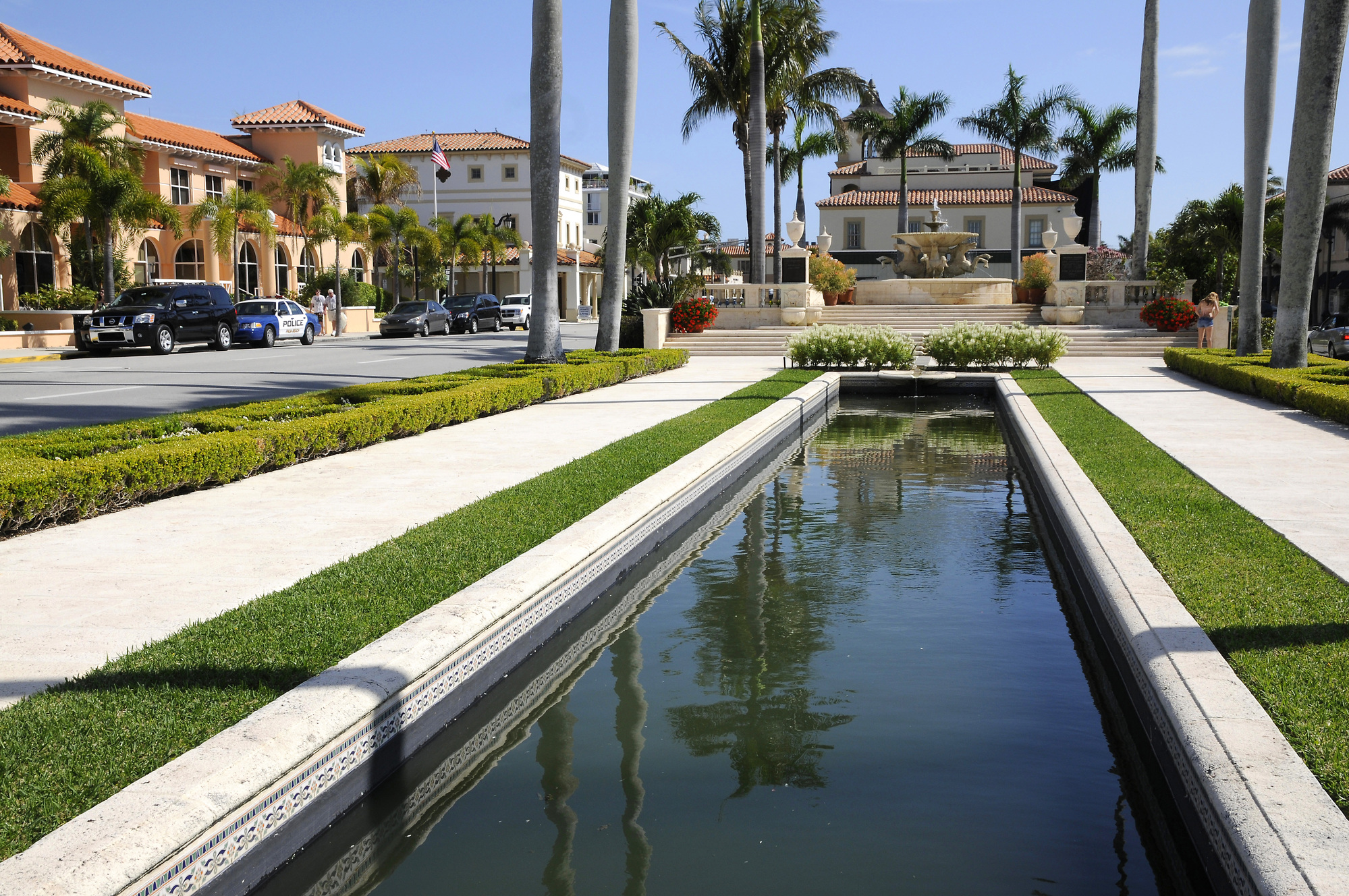
Visiting Florida’s Palm Destinations
Travel to Florida’s various “palm” destinations is equally accessible.
- Airports: Florida is served by several major international airports. For the Palm Beach area, Palm Beach International Airport (PBI) is the most convenient. Other major hubs like Miami International Airport (MIA) and Fort Lauderdale-Hollywood International Airport (FLL) are also within reasonable driving distance. For central Florida destinations, Orlando International Airport (MCO) is a primary gateway.
- Best Time to Visit: The cooler, drier months from November to April are generally considered the best time to visit Florida, avoiding the peak heat, humidity, and hurricane season of summer.
- Transportation: Similar to California, a rental car offers the most flexibility for exploring Florida’s diverse regions, especially if you plan to visit multiple towns or natural attractions. Public transportation is limited outside of major city centers, though ride-sharing services are readily available.
In conclusion, while the question “Where is Palm Springs, Florida?” is a common one, the simple answer is that the renowned Palm Springs is exclusively a gem of California. Travelers seeking that particular blend of desert luxury, mid-century charm, and mountainous backdrop will find it precisely where it has always been – in the Coachella Valley. However, for those captivated by the idea of palm trees and natural springs in a warmer climate, Florida offers a wealth of incredible destinations, each with its own unique character, vibrant culture, and abundant natural beauty. By understanding these distinctions, you can ensure your next travel adventure perfectly matches your expectations, whether you’re drawn to the dry heat of the desert or the lush humidity of the tropics. Happy travels!
LifeOutOfTheBox is a participant in the Amazon Services LLC Associates Program, an affiliate advertising program designed to provide a means for sites to earn advertising fees by advertising and linking to Amazon.com. Amazon, the Amazon logo, AmazonSupply, and the AmazonSupply logo are trademarks of Amazon.com, Inc. or its affiliates. As an Amazon Associate we earn affiliate commissions from qualifying purchases.