
For many travelers, the city of Detroit, Michigan, still conjures images of economic downturn and urban decay, a narrative that dominated headlines for decades. The question “Is Detroit safe?” is often one of the first that comes to mind when considering a visit. However, this perception, while rooted in a past reality, largely fails to capture the vibrant, resilient, and utterly transformed city that Detroit has become. Today, Detroit is not just safe but a captivating destination brimming with culture, history, innovative cuisine, and a palpable sense of resurgence that makes it one of the most exciting places to explore in the United States.
The journey of Detroit from its challenging past to its dynamic present is a testament to the enduring spirit of its residents and a focused commitment to revitalization. For travelers, this means discovering a city that offers an authentic, rich experience, far removed from any outdated stereotypes. Whether you’re interested in its iconic automotive heritage, legendary music scene, burgeoning art community, or diverse culinary landscape, Detroit welcomes visitors with open arms, ready to reveal its modern charm and undeniable appeal. This comprehensive guide aims to address safety concerns head-on, offering practical advice and highlighting the myriad attractions that make Detroit a must-visit destination for any intrepid explorer.
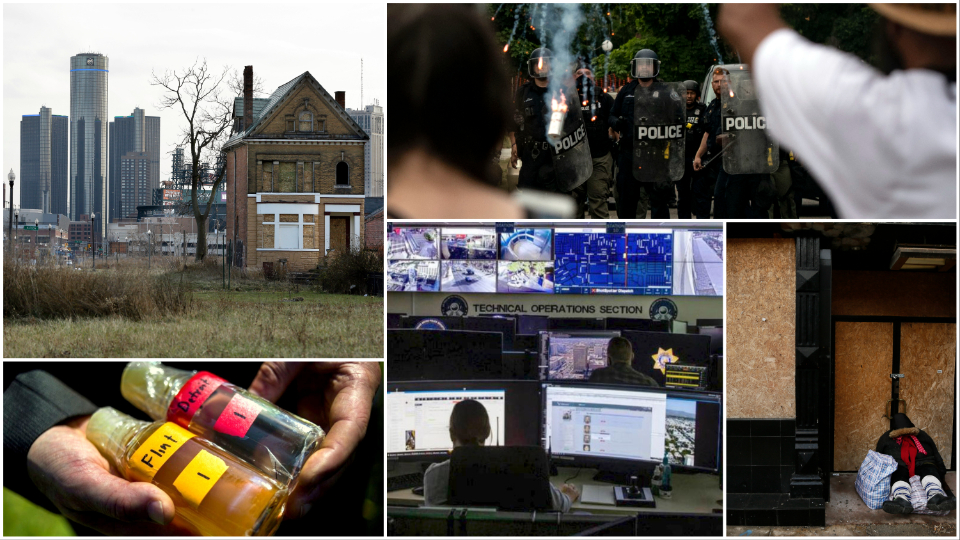
Understanding Detroit’s Evolution: From Decline to Resurgence
The narrative surrounding Detroit has undergone a profound shift. What was once synonymous with decline is now a beacon of urban rebirth, attracting new residents, businesses, and tourists alike. This transformation isn’t just cosmetic; it reflects a fundamental change in the city’s economic and social fabric, directly impacting the experience of visitors and their safety.
Dispelling Myths: The Reality of Modern Detroit
The perception of Detroit as an unsafe city stems largely from crime statistics from previous decades, particularly during its most challenging periods. However, recent data consistently shows a significant and sustained decrease in crime rates, especially in areas frequented by tourists. Key downtown districts, entertainment venues, and cultural hubs have seen substantial investment in infrastructure, security, and urban planning, making them remarkably safe and pedestrian-friendly.
Today’s Detroit is a mosaic of thriving neighborhoods, each with its distinct character. Areas like Downtown Detroit, Midtown, and Corktown are bustling with activity day and night, featuring new restaurants, boutiques, residential buildings, and beautifully maintained public spaces. These areas are designed to be walkable and welcoming, fostering a vibrant street life that inherently contributes to a sense of safety. The presence of numerous businesses, residents, and visitors creates a natural deterrent to crime, aligning Detroit more with other major United States cities in terms of urban safety.
Key Factors in Detroit’s Transformation
Several factors have contributed to Detroit’s remarkable turnaround:
- Strategic Investment: Billions of dollars have been poured into the city by private developers and public initiatives. This investment has revitalized neglected areas, improved infrastructure, and created a wealth of new attractions and amenities.
- Growing Population and Tourism: A steady influx of new residents, particularly young professionals, and a significant increase in tourism have brought renewed energy and economic stability. More people living, working, and visiting the city means more eyes on the street, enhancing overall safety.
- Community Engagement: Detroit boasts a strong sense of community, with residents actively participating in neighborhood revitalization efforts, local events, and maintaining a welcoming environment for newcomers and tourists.
- Focus on Public Spaces: Parks like Campus Martius Park and the expansion of the Detroit Riverwalk have transformed formerly underutilized areas into vibrant public gathering spots. These spaces are well-lit, regularly patrolled, and host numerous events, making them safe and enjoyable for everyone.
- Improved Policing: Modern policing strategies, community engagement programs, and increased resources for law enforcement have also played a crucial role in reducing crime and making the city safer for both residents and visitors.
Navigating Detroit Safely: Tips for Travelers
Like any major urban center, exercising general travel precautions in Detroit is always advisable. However, with a little planning and awareness, you can confidently explore its many treasures.
Safe Neighborhoods and Areas to Explore
When planning your itinerary, focus on the revitalized core of the city and its immediate surroundings, which are well-equipped to handle tourists and offer the bulk of Detroit’s attractions:
- Downtown Detroit: This is the bustling heart of the city, home to major hotels, corporate offices, sports arenas like Comerica Park and Little Caesars Arena, and the lively Campus Martius Park. It’s very safe, especially during the day and early evening.
- Midtown: Known as the cultural center, Midtown houses the Detroit Institute of Arts, the Motown Museum, and Wayne State University. It’s vibrant, intellectual, and very safe, with a strong student and academic presence.
- Corktown: Detroit’s oldest neighborhood, Corktown boasts historic architecture, popular restaurants, and lively bars. It’s a charming and welcoming area, particularly popular for its nightlife.
- Mexican Town: Offering incredible authentic cuisine and a vibrant cultural experience, Mexican Town is another safe and enjoyable area to visit for a unique dining experience.
- Eastern Market: A historic public market, Eastern Market is bustling on market days and a safe, family-friendly destination for foodies and shoppers.
- Detroit Riverwalk and Belle Isle Park: These outdoor attractions offer scenic views and recreational opportunities. They are well-maintained and popular spots for walking, jogging, and picnicking.
While venturing into less populated or residential areas outside these main tourist zones, especially at night, might not be recommended for first-time visitors, sticking to the primary destinations will ensure a safe and enjoyable trip.
Transportation and General Safety Practices
Getting around Detroit is relatively easy, with several safe options:
- Ride-sharing Services: Uber and Lyft are readily available and reliable throughout the city, offering a convenient way to travel between attractions, especially at night.
- The QLine: This modern streetcar system runs along Woodward Avenue, connecting Downtown, Midtown, and New Center. It’s a safe and efficient way to explore these key districts.
- People Mover: An elevated rail system, the Detroit People Mover circles Downtown Detroit, providing quick access to various points of interest. It’s very affordable and a good option for exploring the immediate downtown area.
- Taxis: Traditional taxis are also available, particularly around hotels and major event venues.
- Walking: Many of Detroit’s central areas are very walkable. Enjoy strolling during the day, but be mindful of your surroundings, especially after dark. Always walk in well-lit areas and ideally with company.
General Safety Tips:
- Stay Aware: Pay attention to your surroundings, especially in crowded areas or when using public transport.
- Secure Belongings: Keep valuables out of sight and be mindful of pickpockets, as you would in any major city.
- Nighttime Caution: If walking at night, stick to well-lit, populated streets. Consider using ride-sharing services for longer distances or if you’re unsure about an area.
- Trust Your Gut: If a situation or area feels uncomfortable, remove yourself from it.
- Emergency Services: Know how to contact local emergency services (911 in the United States).
Experiencing Detroit: A Wealth of Attractions and Activities
Beyond safety, the real reason to visit Detroit is its unparalleled depth of experiences, blending rich history with a modern, innovative edge. This city offers something for every type of traveler, from history buffs and music lovers to foodies and art enthusiasts.
Cultural Highlights and Landmarks
Detroit’s cultural scene is incredibly diverse and deeply rooted in American history:
- Motown Museum: No visit to Detroit is complete without a pilgrimage to Hitsville U.S.A., the original headquarters of Motown Records. Here, you can stand in Studio A where legends like The Supremes and Marvin Gaye recorded their iconic hits.
- Henry Ford Museum and Greenfield Village: Located in nearby Dearborn, these are world-class attractions. The Henry Ford Museum showcases American innovation, from cars to civil rights, while Greenfield Village offers a living history experience with historic buildings and demonstrations.
- Detroit Institute of Arts (DIA): Home to over 65,000 works of art, including Diego Rivera’s magnificent “Detroit Industry Murals,” the DIA is one of the most significant art museums in the United States.
- Charles H. Wright Museum of African American History: One of the largest institutions of its kind, the Wright Museum explores the rich history and culture of African Americans.
- Fox Theatre: A magnificent opulent movie palace turned performing arts venue, attending a show at the Fox Theatre is an experience in itself, offering a glimpse into Detroit’s grand past.
- Guardian Building: An architectural masterpiece and a National Historic Landmark, this Art Deco skyscraper boasts stunning interior and exterior details.
Culinary Scene and Entertainment
Detroit’s food scene is booming, with everything from classic Detroit-style pizza to upscale dining and international flavors.
- Food Tours: Explore the diverse culinary offerings, from the historic stalls of Eastern Market to the vibrant eateries of Mexican Town and the trendy restaurants in Corktown and Midtown. Don’t miss trying a Coney Dog!
- Live Music: Beyond the Motown Museum, Detroit still pulses with music. From jazz clubs to techno nights (the city is the birthplace of techno music), there’s live music for every taste. Major festivals like the Movement Electronic Music Festival and the Detroit Jazz Festival draw international crowds.
- Sports: Catch a game with one of Detroit’s professional sports teams: the Detroit Tigers (MLB) at Comerica Park, the Detroit Red Wings (NHL) or Detroit Pistons (NBA) at Little Caesars Arena, or the Detroit Lions (NFL) at Ford Field.
Accommodation Options for Every Lifestyle
Detroit’s resurgence has brought a wealth of new and renovated accommodation options, catering to various travel styles and budgets. Whether you’re seeking luxury, boutique charm, or budget-friendly stays, you’ll find excellent choices.
- Luxury Travel: For those seeking opulent experiences, hotels like the Detroit Marriott at the Renaissance Center offer stunning river views and prime downtown locations, while the Shinola Hotel provides a sophisticated boutique experience with high-end amenities. Resorts like the MGM Grand Detroit combine luxury stays with entertainment and fine dining.
- Boutique and Lifestyle Hotels: Detroit boasts several unique hotels that reflect its artistic and industrial heritage. The Foundation Hotel, housed in a former fire station, offers a blend of historic architecture and modern design. These hotels often provide a more personalized experience, with locally inspired decor and amenities.
- Budget Travel & Family Trips: Numerous chain hotels and extended-stay apartments are available in and around Downtown and Midtown, offering comfortable stays at competitive prices. Many provide family-friendly amenities like pools and complimentary breakfast. For longer visits, consider serviced apartments that offer the comforts of home.
- Business Stays: Detroit’s convention centers and business districts are well-served by hotels equipped with business centers, meeting rooms, and executive suites, ensuring a productive and comfortable trip for corporate travelers.
When booking accommodation, always check recent reviews and compare options to find the perfect fit for your needs. Websites dedicated to hotel bookings and travel reviews can offer valuable insights into specific properties and neighborhoods, ensuring you choose a location that aligns with your desired level of comfort and access to attractions.
Planning Your Trip: Practical Advice
To make the most of your Detroit adventure, a little pre-planning goes a long way.
Best Time to Visit and Travel Styles
- Best Time to Visit: Spring (April-May) and Fall (September-October) offer pleasant weather for exploring, with fewer crowds than the summer. Summer (June-August) is vibrant with festivals, outdoor events, and baseball games, but can be hot. Winter (November-March) can be cold and snowy, but offers indoor attractions and cozy dining.
- Travel Styles:
- Family Trips: Detroit has numerous family-friendly attractions, from the Henry Ford Museum to the Detroit Zoo and Belle Isle Park.
- Budget Travelers: Public transport options, affordable eateries, and free attractions like the DIA (for Michigan residents, out-of-state visitors pay a small fee) make Detroit an accessible destination.
- Luxury Travel: High-end hotels, gourmet dining, and exclusive experiences are abundant for those seeking a more opulent trip.
- Cultural Enthusiasts: The city is a treasure trove of music, art, and history museums.
Booking and Local Tips
- Advance Booking: For popular hotels and attractions, especially during peak season or major events (like the Detroit Auto Show), booking in advance is highly recommended.
- Local Culture: Engage with locals – Detroiters are known for their resilience, pride, and welcoming nature. Ask for recommendations; they often know the best hidden gems.
- Parking: If driving, be aware of parking options and costs. Many hotels offer valet or self-parking. Public garages are available downtown.
- Flexible Itinerary: While planning is good, allow for some flexibility to explore unexpected finds or participate in local events that might pop up during your visit.
In conclusion, the question “Is Detroit safe?” can be confidently answered with a resounding “Yes,” especially within its revitalized downtown and cultural districts. The city has emerged as a compelling destination, offering a unique blend of historical significance, cultural richness, and modern appeal. By understanding its transformation, exercising standard travel precautions, and immersing yourself in its diverse offerings, you’ll discover that Detroit is not only safe but also an incredibly rewarding and memorable place to visit. Its spirit of innovation, creativity, and community is infectious, leaving visitors with a fresh perspective and a desire to return to the heart of the “Motor City.” Embark on your Detroit adventure and experience the undeniable magic of a city reborn.
LifeOutOfTheBox is a participant in the Amazon Services LLC Associates Program, an affiliate advertising program designed to provide a means for sites to earn advertising fees by advertising and linking to Amazon.com. Amazon, the Amazon logo, AmazonSupply, and the AmazonSupply logo are trademarks of Amazon.com, Inc. or its affiliates. As an Amazon Associate we earn affiliate commissions from qualifying purchases.