
The question “Who is the owner of the Florida Marlins?” often sparks a journey through the team’s dynamic history, reflecting not just changes in leadership but also the evolution of a prominent sports franchise within one of the world’s most vibrant travel destinations. While the team officially rebranded to the Miami Marlins in 2012, the legacy of its Florida roots and the various individuals and groups who have steered its course remain a topic of keen interest. For enthusiasts of sports, travel, and the unique lifestyle that South Florida offers, understanding the ownership structure of such a significant entity provides insight into the economics of professional sports and its impact on local tourism and culture.
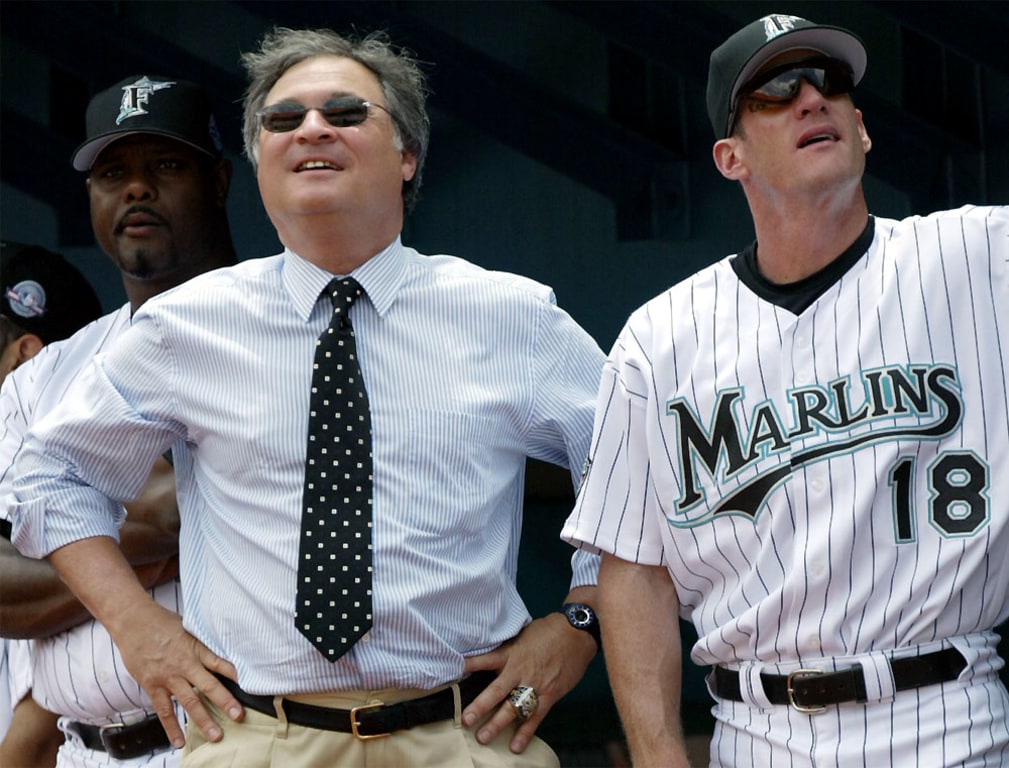
Owning a Major League Baseball team in a city like Miami is more than just a business venture; it’s a statement about community investment, a commitment to entertainment, and an integral part of the region’s allure for both residents and visitors alike. From the strategic decisions made on the field to the development of state-of-the-art facilities that double as tourist attractions, the owners play a pivotal role in shaping the team’s identity and its contribution to Miami’s global appeal. This article delves into the various ownership eras, tracing the path from the team’s inception to its current stewardship, while also exploring how this storied franchise intertwines with the rich tapestry of travel, accommodation, and lifestyle experiences that define South Florida.
A Deep Dive into the Miami Marlins Ownership History
The journey of the Marlins has been marked by significant ownership changes, each leaving an indelible mark on the franchise’s trajectory, its relationship with the fanbase, and its standing within the broader sporting landscape. These transitions often mirrored the ambitious growth of Miami itself, a city synonymous with luxury, tourism, and a dynamic lifestyle. Understanding these periods is crucial to appreciating the team’s current identity.
The Founding Years and Original Ownership
The Florida Marlins were born out of a vision to bring Major League Baseball to the sunny state of Florida. In 1993, the team took to the field as an expansion franchise, largely thanks to the efforts and investment of its original owner, Wayne Huizenga. A prominent South Florida businessman with a diverse portfolio of ventures, Huizenga was instrumental in establishing professional baseball in the region. His ownership tenure was characterized by ambition, highlighted by an aggressive spending spree that quickly propelled the team to an improbable World Series title in 1997, just five seasons after their inaugural game. This swift success, however, was followed by a controversial “fire sale” of star players, a move that sparked considerable debate and frustration among fans and media alike.
Huizenga’s era was a reflection of the speculative, high-stakes business environment of South Florida in the 1990s. While he brought the ultimate prize to the region, his stewardship also underlined the challenges of sustaining a winning team without a dedicated ballpark and consistent revenue streams. The team initially played in Joe Robbie Stadium, a facility primarily designed for football, which lacked the intimate atmosphere and amenities expected of a modern baseball venue. This period laid the groundwork for future ownership groups to tackle the critical issue of securing a long-term, baseball-specific home for the franchise, a challenge that would ultimately shape its destiny.
Jeffrey Loria’s Era and the Rebranding
The franchise entered a new, and arguably its most controversial, chapter when Jeffrey Loria acquired the team in 2002. Loria, an art dealer with a previous stake in the Montreal Expos (now the Washington Nationals), inherited a team still reeling from the post-World Series teardown. Despite initial skepticism, Loria’s ownership saw another unexpected World Series triumph in 2003, showcasing the team’s remarkable ability to perform against the odds. However, this success was largely overshadowed by persistent financial controversies, low attendance, and a perceived lack of investment in long-term team building.
The most significant development during Loria’s tenure was the successful push for a publicly financed, baseball-only stadium. This culminated in the construction of Marlins Park (now known as loanDepot Park), a striking architectural landmark in Little Havana that opened in 2012. With the new stadium came a major rebranding: the team officially shed its “Florida” moniker and embraced its identity as the Miami Marlins, complete with new colors and a fresh logo. This move was designed to forge a stronger connection with the city of Miami and its diverse cultural fabric. While the new ballpark offered a modern experience for fans and a significant attraction for sports tourism, Loria’s ownership remained contentious, often characterized by fan discontent over player payrolls and a feeling that the team was not maximizing its potential in the vibrant Miami market. Ultimately, the stage was set for another change in leadership, promising a fresh start for the franchise.
The Current Stewards: Bruce Sherman and Derek Jeter’s Impact
The transition of ownership in 2017 marked a pivotal moment for the Miami Marlins, signaling a shift towards stability and a renewed focus on long-term growth and community engagement. This change brought in a consortium of investors, including some instantly recognizable names, aiming to redefine the franchise’s trajectory both on and off the field.
The Sherman/Jeter Group Takes the Helm
In 2017, Jeffrey Loria sold the Miami Marlins to an investment group led by Bruce Sherman, a successful businessman and investment fund manager. The acquisition was valued at approximately $1.2 billion, a significant sum reflecting the inherent value of a Major League Baseball franchise in a prime location like Miami. What made this new ownership particularly noteworthy, however, was the involvement of legendary baseball Hall of Famer Derek Jeter. Jeter became a minority owner and, more significantly, the team’s chief executive officer (CEO), taking charge of the day-to-day baseball and business operations.
Jeter’s involvement brought a wave of optimism and national attention to the franchise. His reputation as a winner and a respected figure in baseball was seen as a major asset, promising a new culture of accountability and development. The group’s stated goal was to build a sustainable, winning organization, emphasizing player development through the farm system and connecting with the diverse Miami community. This marked a departure from previous strategies, focusing on a long-term vision rather than quick fixes. The initial years under the Sherman/Jeter leadership involved significant restructuring, including trades of high-salaried players to rebuild the farm system, a strategy that, while initially unpopular with some fans, aimed at securing future competitiveness. The high-profile nature of Jeter’s role also brought increased media scrutiny and a spotlight on the team’s rebuilding efforts, further cementing the Marlins’ place in the national sports conversation and as a subject of interest for those observing high-stakes business ventures in the context of lifestyle and entertainment.
Post-Jeter Era and Current Landscape
The highly anticipated partnership between Bruce Sherman and Derek Jeter came to an end in February 2022, when Jeter announced his departure from the Miami Marlins, citing a difference in vision for the team’s future. Following Jeter’s exit, Bruce Sherman assumed the primary leadership role, becoming the principal owner and the public face of the franchise. Under Sherman’s sole leadership, the team has continued its commitment to building a competitive and sustainable organization, focusing on player development, scouting, and strategic acquisitions.
Today, Bruce Sherman stands as the principal owner of the Miami Marlins. His ownership is characterized by a steady, business-focused approach, with an emphasis on creating a stable environment for the team to thrive. While the high-wattage celebrity appeal of Derek Jeter is no longer directly involved in the day-to-day operations, the foundation laid during his tenure, particularly in terms of organizational structure and a commitment to data-driven decision-making, continues to influence the team. The Marlins now represent a significant sports investment in Miami, integral to the city’s identity as a hub for both professional sports and global tourism. The current ownership aims to leverage the team’s presence in a growing market, contributing to the local economy through game attendance, merchandise sales, and the overall draw of Major League Baseball in a destination city. The goal remains clear: to consistently field a competitive team that can attract and retain fans, enhancing the overall lifestyle and entertainment options available in South Florida.
The Marlins as a Tourism and Lifestyle Asset in South Florida

Beyond the diamond, the Miami Marlins franchise plays a significant role in the broader tourism and lifestyle ecosystem of South Florida. A professional sports team in a major metropolitan area like Miami is not merely an athletic endeavor; it’s a critical component of the local economy, a cultural touchstone, and a powerful magnet for visitors seeking unique experiences.
Sports Tourism and Miami’s Allure
Miami is a city that thrives on tourism, offering everything from pristine beaches to vibrant nightlife and world-class dining. Integrating professional sports into this mix creates a compelling package for travelers. Sports tourism is a growing segment, and attending a Marlins game offers an authentic Miami experience, especially for those who appreciate the intersection of local culture and high-stakes entertainment. Visitors to Miami often plan their trips around events, and a Marlins game can easily be combined with other attractions. Imagine spending a morning on South Beach, enjoying a Cuban coffee in Little Havana, and then heading to loanDepot Park for an evening game. This combination exemplifies the diverse appeal of Miami as a destination.
The presence of the Marlins attracts not just baseball aficionados but also families, couples, and solo travelers looking for a lively atmosphere. Events like themed nights, promotional giveaways, and special celebrations at the ballpark become added incentives, drawing in both local residents and tourists. The constant influx of visitors for games, especially during key series or against popular opponents, directly benefits local hotels, restaurants, transportation services, and retail businesses, demonstrating how a sports franchise can be a powerful engine for economic activity in a major tourism hub.
The Stadium Experience and Local Economy
loanDepot Park, the home of the Miami Marlins, is a landmark in its own right. Its distinctive architecture, retractable roof, and vibrant atmosphere make it more than just a baseball stadium; it’s a modern entertainment venue designed to enhance the fan experience. The stadium’s location, nestled in the heart of Little Havana, allows visitors to immerse themselves in authentic Miami culture before, during, and after games. The food and beverage options inside the park often reflect Miami’s diverse culinary landscape, offering everything from traditional ballpark fare to Cuban sandwiches and Latin-inspired dishes.
The economic impact of the stadium extends beyond ticket and concession sales. Employment opportunities are created for hundreds of people, from game-day staff to facility maintenance. Surrounding businesses, particularly those in Little Havana, experience increased foot traffic and patronage on game days. Furthermore, the stadium hosts events beyond baseball, such as concerts, festivals, and corporate gatherings, further cementing its role as a key community and economic asset. For those interested in architecture and urban development, loanDepot Park represents a significant public-private partnership that has reshaped a part of the city, standing as a testament to Miami’s commitment to world-class infrastructure and entertainment.
Lifestyle Investment and Luxury Travel
For many ultra-high-net-worth individuals, owning a stake in a professional sports franchise is the ultimate lifestyle investment. It’s not just about financial returns, but also about prestige, community involvement, and the unique access and experiences that come with being part of an elite ownership group. Miami, with its reputation for luxury and opulence, naturally attracts investors who view sports teams as an extension of their high-end lifestyle. The city is a hub for international business and luxury travel, making a Marlins ownership stake particularly appealing.
Owners and their associates often enjoy exclusive access, VIP suites, and opportunities to network with other influential figures, both in sports and beyond. This merges seamlessly with the concept of luxury travel and business stays, as the city regularly hosts major conventions, art fairs, and international conferences. For visitors engaging in luxury travel, attending a Marlins game in a premium suite, coupled with stays at five-star hotels and gourmet dining experiences, becomes part of an exclusive Miami itinerary. The investment in the team, therefore, contributes to maintaining Miami’s image as a top-tier destination for both leisure and high-stakes business, where the worlds of sports, entertainment, and luxury lifestyle converge.
Planning Your Miami Marlins Experience
For travelers heading to Miami, incorporating a Marlins game into your itinerary can enhance your visit, offering a taste of local sports culture combined with the city’s renowned attractions. Planning ahead ensures a seamless and enjoyable experience.
Attending a Game: Tickets and Accommodation
Securing tickets for a Miami Marlins game is straightforward, with options ranging from single-game tickets to season packages. It’s advisable to check the team’s schedule in advance, especially if you plan to attend a specific series or a game against a popular opponent. Tickets can be purchased online through the official team website or authorized ticketing partners. For those seeking a premium experience, loanDepot Park offers various seating levels, including club seats and luxury suites, which can provide an elevated game-day atmosphere.
When it comes to accommodation, Miami boasts an incredible array of hotels, resorts, apartments, and villas to suit every budget and preference. For convenient access to loanDepot Park, consider staying in downtown Miami, Brickell, or the areas around Little Havana. These neighborhoods offer excellent transport links to the stadium and are also close to other major attractions. Many hotels provide shuttle services or are within easy reach of public transport, making it simple to get to and from the game. Booking accommodation in advance, especially during peak travel seasons or major events, is highly recommended to secure the best rates and availability. Whether you prefer a luxury resort with full amenities, a boutique hotel, or a comfortable apartment for a long-term stay, Miami’s hospitality sector is well-equipped to cater to your needs.
Beyond the Ballpark: Exploring Miami
A trip to Miami is never complete without exploring its diverse attractions beyond the baseball field. After catching a Marlins game, dedicate time to experience the city’s rich culture and famous landmarks. South Beach is a must-visit for its stunning beaches, vibrant Art Deco Historic District, and lively dining scene. A stroll along Ocean Drive will immerse you in the iconic architecture and bustling atmosphere that define Miami’s coastal charm.
For a deeper cultural dive, explore Little Havana, where you can savor authentic Cuban cuisine, enjoy live music, and watch cigar rolling demonstrations. The Wynwood Walls offer an incredible open-air street art museum experience, perfect for art lovers and photography enthusiasts. Nature lovers can venture to Everglades National Park for an airboat ride and wildlife viewing, or simply enjoy the serene beauty of Biscayne Bay with a boat tour. Miami’s tourism infrastructure is designed to provide unforgettable experiences, whether you’re interested in historical sites, natural wonders, gourmet food tours, or simply relaxing by the pool at a world-class resort. Integrating a Marlins game into such a diverse itinerary truly showcases the best of what South Florida has to offer.
Conclusion
The question of “Who is the owner of the Florida Marlins?” leads us through a fascinating narrative of vision, controversy, and ambition that mirrors the dynamic growth of Miami itself. While the team now proudly carries the “Miami” name, its ownership history, from Wayne Huizenga’s founding vision and early World Series triumphs, through Jeffrey Loria’s contentious era and the construction of loanDepot Park, to the current steady leadership of Bruce Sherman, reflects a franchise deeply intertwined with its city’s identity.
Today, under Bruce Sherman’s principal ownership, the Miami Marlins are more than just a Major League Baseball team; they are a significant cultural and economic asset for South Florida. The team draws sports enthusiasts and general tourists alike to Miami, contributing substantially to the local economy through sports tourism, hotel bookings, and restaurant patronage. Its state-of-the-art stadium stands as a landmark, offering a unique entertainment experience that blends seamlessly with Miami’s vibrant lifestyle and diverse attractions. For travelers, a Marlins game provides an authentic slice of Miami life, easily combinable with visits to beautiful beaches, historic districts, and world-class dining. The story of the Marlins’ ownership is a testament to the powerful synergy between professional sports, tourism, and the evolving lifestyle of one of America’s most captivating cities.
LifeOutOfTheBox is a participant in the Amazon Services LLC Associates Program, an affiliate advertising program designed to provide a means for sites to earn advertising fees by advertising and linking to Amazon.com. Amazon, the Amazon logo, AmazonSupply, and the AmazonSupply logo are trademarks of Amazon.com, Inc. or its affiliates. As an Amazon Associate we earn affiliate commissions from qualifying purchases.