
The question “Who owns the Florida Marlins?” is more intricate than it appears, weaving together a narrative of sports, business, and the dynamic evolution of one of America’s most vibrant cities. While the original team was indeed the Florida Marlins, the franchise is now known as the Miami Marlins, a change that reflects a shift in identity, location, and the aspirations of its various owners. For anyone planning a trip to Miami, understanding the team’s ownership history and its current stewards offers a unique lens through which to appreciate the city’s landmarks, lifestyle, and tourism landscape.
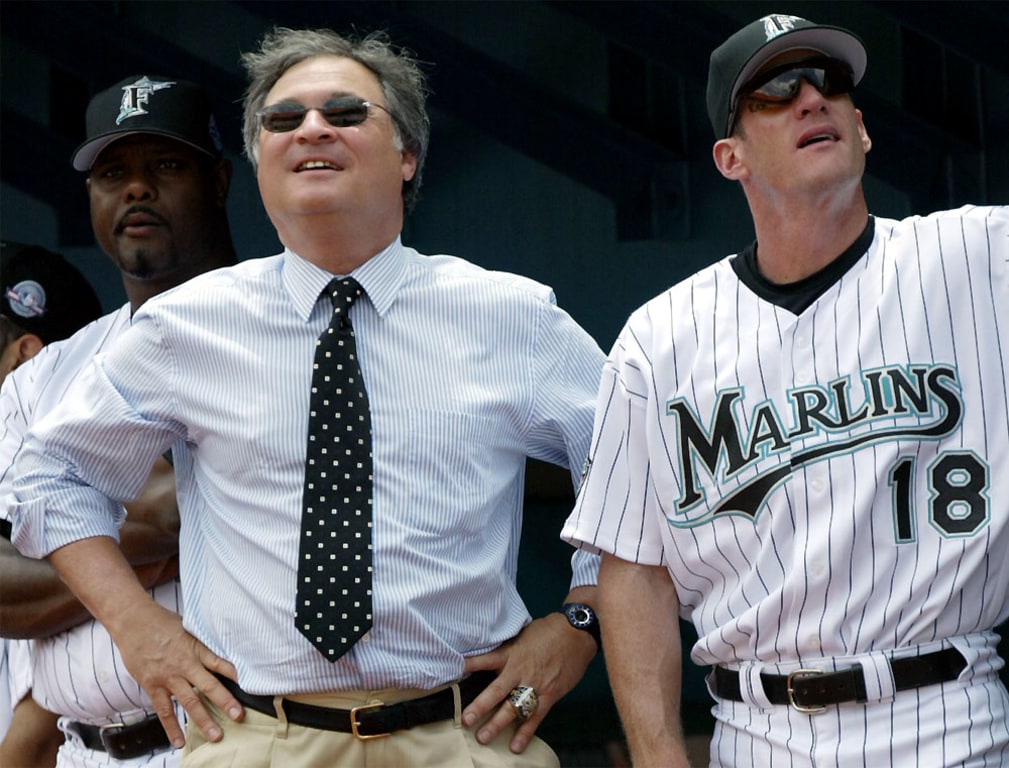
This article delves into the journey of the franchise, from its inception under a visionary entrepreneur to its current leadership, and explores how these transitions have impacted the team, its iconic ballpark, and the overall experience for both dedicated fans and casual travelers visiting South Florida. Beyond just names and balance sheets, ownership profoundly influences the atmosphere of game days, the quality of stadium amenities, and even the broader economic and cultural integration of the team within the Miami-Dade County community – all vital considerations for anyone looking to immerse themselves in the local culture during their stay.
From Florida Marlins to Miami Marlins: A Legacy of Change
The story of the Marlins is one marked by significant transformations, a characteristic that mirrors the rapid development and evolving identity of Miami itself. Understanding these shifts is key to appreciating how the franchise has become an integral part of the South Florida experience, making a visit to a game a compelling addition to any travel itinerary.
The Genesis: Wayne Huizenga and the Early Days in Florida
The franchise was born in 1993 as the Florida Marlins, an expansion team spearheaded by local billionaire entrepreneur Wayne Huizenga. Known for co-founding Waste Management, Inc. and building Blockbuster Entertainment, Huizenga brought an ambitious vision to South Florida sports. He was instrumental in establishing not just a baseball team but also bringing the National Hockey League’s Florida Panthers and the National Football League’s Miami Dolphins under his Huizenga Sports banner.
Under Huizenga’s ownership, the Florida Marlins experienced an extraordinary rise, capturing a World Series title in 1997, just their fifth year of existence. This early success put South Florida on the national baseball map, attracting tourists and media attention to a region already burgeoning as a global travel destination. During this period, the team played its home games at Pro Player Stadium (later known as Dolphin Stadium and now Hard Rock Stadium) in Miami Gardens. While the stadium offered a grand scale, it was primarily designed for football, and its suburban location often presented logistical challenges for fans and visitors, impacting the game-day experience. For travelers, navigating to Pro Player Stadium from popular areas like South Beach or Downtown Miami required significant travel time, making a game somewhat less accessible as a spontaneous tourist activity.
The Move to Miami: A New Identity and a Modern Ballpark
Following the 1997 World Series victory, Wayne Huizenga initiated a controversial “fire sale” of star players, a move driven by financial losses and a desire to sell the team. This led to a period of decline and uncertainty. In 1999, the franchise was sold to John Henry, who later sold it to Jeffrey Loria in 2002.
It was under Jeffrey Loria’s ownership that the most significant transformation occurred. The team secured funding for a new, retractable-roof ballpark in the heart of Miami, specifically in the Little Havana neighborhood. This crucial development paved the way for the team to officially change its name to the Miami Marlins in 2012, coinciding with the opening of their new home, then called Marlins Park. This rebranding was more than just a name change; it was a strategic effort to firmly embed the team within the city’s identity, leveraging Miami’s global recognition and vibrant culture.
The new stadium was a game-changer for the franchise and for Miami tourism. No longer relegated to the outskirts, the Marlins now had a state-of-the-art facility offering respite from Florida’s intense summer heat and unpredictable rain. Its central location dramatically improved accessibility for both local fans and out-of-town visitors staying in Downtown Miami, Brickell, or South Beach. The stadium itself quickly became a modern landmark, celebrated for its striking architecture, public art installations, and a unique atmosphere that celebrates Miami’s diverse heritage. This shift underscored the importance of facility and location in enhancing the overall tourist experience, turning a baseball game into a compelling attraction.
The Current Stewards: Ownership and Vision for the Future
The current ownership era of the Miami Marlins represents another pivotal chapter, characterized by new leadership and a fresh perspective on the team’s role within the community and Major League Baseball (MLB). This period has seen efforts to rebuild the team, engage with the fan base, and solidify the franchise’s presence as a key entertainment and cultural pillar in South Florida.
Understanding the Current Ownership Group
In 2017, Jeffrey Loria sold the Miami Marlins to an investment group led by Bruce Sherman, a successful businessman and co-founder of the asset management firm Private Capital Management. This group, often referred to as the Sherman Group, notably included legendary New York Yankees shortstop Derek Jeter, who served as the team’s CEO and part-owner until early 2022.
Bruce Sherman, as the principal owner, now oversees the strategic direction of the franchise. His vision has centered on building a sustainable winning culture, investing in the team’s farm system, and enhancing the fan experience at loanDepot Park. The focus has been on long-term growth and stability, moving away from the more volatile strategies of previous ownerships. The presence of Derek Jeter initially brought significant fanfare and a sense of renewed hope, given his esteemed reputation in baseball. His departure marked another transition, but the Sherman Group remains committed to its goals for the franchise.
For travelers, this stability and commitment to development are important. A well-managed and competitive team often translates to a more exciting game-day atmosphere, higher attendance, and a more vibrant energy around the ballpark and surrounding areas. This, in turn, can enhance the overall appeal of attending a Marlins game as a quintessential Miami experience, encouraging visitors to explore not just the stadium but also the local neighborhoods that thrive around it.
Impact on the Fan and Tourist Experience
Ownership decisions profoundly influence the fan and tourist experience. The Sherman Group’s focus on long-term development, including drafting and cultivating young talent, aims to build a consistently competitive team. A winning team naturally draws larger crowds and creates a more electric atmosphere, which can be a significant draw for tourists looking for exciting activities. Imagine visiting Miami and being able to catch a game where a burgeoning young star makes a highlight-reel play – it adds an unforgettable dimension to your trip.
Beyond on-field performance, ownership impacts stadium amenities and fan engagement initiatives. Recent investments in loanDepot Park have aimed to enhance the comfort and entertainment value for all attendees. This includes improvements to food and beverage options, often highlighting Miami’s diverse culinary scene with local flavors and innovative concessions. From traditional ballpark fare to authentic Cuban cuisine and gourmet choices, visitors can enjoy a wide array of options that reflect the city’s gastronomic identity.
Furthermore, community outreach and promotional events organized by the ownership group often extend beyond game days, creating opportunities for tourists to engage with the team and its brand even when not attending a match. These activities, coupled with the team’s presence in local media and popular culture, reinforce the Marlins as a recognizable and engaging part of the Miami lifestyle. For travelers, this means a Marlins game isn’t just about baseball; it’s an opportunity to dive into the local culture, witness communal passion, and experience a slice of Miami life in a dynamic setting.

Experiencing the Miami Marlins: Beyond the Ballpark
While the game itself is the main event, the experience of visiting the Miami Marlins extends far beyond the ninety feet between bases. loanDepot Park is not just a venue; it’s a destination, and its surrounding neighborhood, coupled with Miami’s broader attractions, offers a rich tapestry for travelers.
loanDepot Park: A Modern Landmark and Tourist Destination
Originally known as Marlins Park, the stadium was renamed loanDepot Park in 2021. It stands as a testament to contemporary design and a significant landmark in Miami. Located in Little Havana, its architecture is striking, featuring a gleaming white exterior and the iconic retractable roof that makes it an all-weather venue. This is particularly appealing in Florida’s humid climate, ensuring that games are never rained out and fans remain comfortable.
Inside, the stadium boasts a vibrant and eclectic design that pays homage to Miami’s diverse culture. From the eye-catching home run sculpture (which has seen various iterations) to the colorful public art displayed throughout its concourses, loanDepot Park offers an aesthetic experience that goes beyond typical sports venues. For architecture enthusiasts and art lovers, a tour of the stadium (available on non-game days) can be as rewarding as attending a game.
Beyond its visual appeal, loanDepot Park offers a premium fan experience. It features various seating options, from luxurious suites perfect for business travelers or large family groups to more casual outfield seating. The concourses are wide, offering panoramic views of the field, and the array of food and beverage choices is extensive, featuring everything from local Cuban sandwiches and fresh seafood to craft beers and artisanal snacks. Special sections like the “Clevelander Bar” in the outfield provide a unique club-like atmosphere, blending Miami’s famed nightlife with the excitement of baseball. It’s an ideal spot for visitors seeking an elevated experience.
Making a Trip to Miami: Travel, Accommodation, and Local Culture
Visiting loanDepot Park is an excellent reason to plan a trip to Miami, a city that promises a rich blend of cultural immersion, exciting attractions, and luxurious lifestyle options.
Travel and Accessibility: Miami International Airport (MIA) is a major hub, offering direct flights from countless domestic and international destinations. Once in Miami, the stadium is easily accessible. Taxis, ride-sharing services, and public transportation connect loanDepot Park to all major areas. For those staying in Downtown Miami or Brickell, it’s a relatively short and inexpensive ride. The Brightline high-speed rail service, connecting Miami to Fort Lauderdale and Orlando, offers another convenient option for travelers coming from other parts of Florida, allowing for seamless integration of a Marlins game into a broader Florida itinerary.
Accommodation: Miami offers a vast spectrum of accommodation options to suit every budget and lifestyle. For luxury travelers, resorts like The Setai, Miami Beach or Fontainebleau Miami Beach provide opulent experiences with world-class amenities. Business travelers or those seeking upscale urban stays might prefer hotels in Downtown Miami or Brickell, such as the Hyatt Regency Miami, the JW Marriott Marquis Miami, or the Kimpton EPIC Hotel. These locations offer proximity to corporate centers, nightlife, and cultural attractions, often with stunning views of Biscayne Bay. Budget-conscious travelers can find numerous boutique hotels and vacation rentals, particularly in neighborhoods slightly further from the main tourist hubs, or opt for extended-stay apartments. Choosing accommodation near major transport links or in areas with high walkability will enhance the overall ease of exploring the city.
Local Culture and Attractions: loanDepot Park is situated in Little Havana, a neighborhood rich in Cuban heritage. Before or after a game, visitors can immerse themselves in the vibrant culture by strolling along Calle Ocho, enjoying live salsa music, watching cigar rolling, and savoring authentic Cuban coffee and dishes. This offers a unique pre-game or post-game activity that perfectly blends sports with cultural exploration.
Beyond Little Havana, Miami beckons with other iconic attractions. The Art Deco Historic District in South Beach offers stunning architecture and a lively beach scene. The Wynwood Walls showcase incredible street art, while museums like the Pérez Art Museum Miami (PAMM) and the Phillip and Patricia Frost Museum of Science provide enriching cultural experiences. Nature lovers can explore the unique ecosystems of the Everglades National Park or embark on a cruise from the Port of Miami to the Caribbean. A visit to Vizcaya Museum & Gardens offers a glimpse into Miami’s opulent past with its stunning European-inspired estate. All these elements make Miami a comprehensive destination, with a Marlins game serving as a fantastic anchor for a diverse itinerary.
Planning Your Marlins Getaway: Tips for Travelers
For travelers considering a visit to Miami with a Marlins game on their agenda, a bit of planning can significantly enhance the experience, ensuring a seamless blend of sports, leisure, and exploration.
Booking Your Stay: Hotels, Resorts, and Unique Accommodations
When selecting accommodation, consider your priorities. If proximity to the ballpark is key, look for hotels in Downtown Miami, Brickell, or the Little Havana area. Options like the Gabriel Miami Downtown or the YVE Hotel Miami offer convenient access. For those seeking a resort experience with beach access, staying in South Beach at properties such as The Miami Beach EDITION or W South Beach might be preferred, accepting a slightly longer commute to the game.
Miami also excels in unique accommodation types. Consider boutique hotels in areas like Coconut Grove or Coral Gables for a more localized and charming experience. Vacation rentals, including apartments and villas available through various platforms, can be an excellent choice for families or longer stays, providing amenities like full kitchens and more living space. Comparing reviews and amenities on platforms like “lifeoutofthebox.com” can help you find the perfect fit for your budget and travel style. Many hotels offer packages that include local attractions or dining credits, which can be a value-add for your trip.
Maximizing Your Miami Experience: Attractions and Lifestyle Integration
To truly maximize your Miami trip around a Marlins game, integrate it into a broader itinerary that leverages the city’s diverse offerings.
- Pre-game & Post-game Activities: Arrive early for the game to explore Little Havana on foot, enjoy a traditional Cuban meal, and soak in the vibrant street life. After the game, Brickell and Downtown Miami offer a plethora of dining and nightlife options, from upscale restaurants to trendy bars.
- Cultural Exploration: Beyond Little Havana, dedicate time to other cultural hubs. The contemporary art scene at the Wynwood Arts District is a must-see, and the museums along Museum Park offer intellectual stimulation.
- Relaxation and Nature: Balance the excitement of a game with relaxation. Spend a day lounging on South Beach’s pristine sands, or take a scenic boat tour of Biscayne Bay. For an adventure, consider a day trip to the Everglades National Park for airboat rides and wildlife viewing.
- Shopping and Dining: Indulge in Miami’s shopping scene at places like Dolphin Mall or Bayside Marketplace. The city is a culinary paradise; explore diverse neighborhoods for unique dining experiences, from high-end steakhouses to casual food trucks.
By thoughtfully blending the thrill of a Miami Marlins game with the city’s unparalleled travel, accommodation, landmark, and lifestyle offerings, visitors can craft an unforgettable South Florida adventure. The team’s journey through various ownerships has shaped not only its identity but also its place as a significant attraction within a truly global city.
In conclusion, while the question of “Who owns the Florida Marlins?” leads us to the Bruce Sherman and the Sherman Group of the now-Miami Marlins, the real story for travelers is how this ownership has influenced the creation of a world-class venue and integrated the team into the fabric of a destination renowned for its vibrant culture, luxurious amenities, and endless attractions. A visit to loanDepot Park is more than just attending a baseball game; it’s an immersive experience that encapsulates the spirit of Miami itself.
LifeOutOfTheBox is a participant in the Amazon Services LLC Associates Program, an affiliate advertising program designed to provide a means for sites to earn advertising fees by advertising and linking to Amazon.com. Amazon, the Amazon logo, AmazonSupply, and the AmazonSupply logo are trademarks of Amazon.com, Inc. or its affiliates. As an Amazon Associate we earn affiliate commissions from qualifying purchases.