
Florida, often celebrated as the Sunshine State, is synonymous with pristine beaches, vibrant marine life, and countless travel experiences. From the bustling streets of Miami to the enchanting theme parks of Orlando, it consistently draws visitors from across the globe seeking unforgettable adventures. However, beyond the sun-drenched shores and family-friendly attractions, Florida holds another, perhaps more primal, distinction: it is a veritable hotspot for sharks. The sheer abundance and diversity of these apex predators in its coastal waters often spark curiosity, and sometimes concern, among both locals and tourists.
Understanding why there are so many sharks in [Florida] involves delving into a complex interplay of geography, oceanography, climate, and the sheer biological richness of its marine ecosystems. This isn’t just a matter of chance; it’s a testament to [Florida]’s unique position as a natural crossroads for ocean currents and marine migration routes, creating an ideal environment for sharks to thrive. For anyone planning a trip to this beautiful state, especially those venturing into its alluring waters, gaining insight into this fascinating aspect of [Florida]’s natural heritage can enrich their travel experience and foster a greater appreciation for marine conservation.
Florida’s Irresistible Allure for Sharks: A Perfect Ecosystem
The state of [Florida] boasts an incredibly long coastline, stretching thousands of miles along both the Atlantic Ocean and the Gulf of Mexico. This extensive aquatic boundary, combined with a sub-tropical to tropical climate, creates a perfect storm of environmental conditions that are highly attractive to numerous shark species. It’s a natural habitat that offers everything a shark could desire: abundant food, warm waters year-round, and critical breeding grounds.
Geographical Advantages and Oceanographic Significance
[Florida]’s geographical location at the southeastern tip of the United States is arguably its most significant asset in attracting such a high shark population. It acts as a gateway between the temperate waters of the north and the tropical expanse of the Caribbean Sea. This transitional zone means that a vast array of marine life from different climatic regions converges here, including the prey animals that sharks depend on.The warm waters of the Gulf Stream, a powerful oceanic current, flow northward along [Florida]’s [Atlantic Ocean] coast, bringing with it a rich bounty of nutrients and a steady stream of marine organisms. On the western side, the shallower, warmer waters of the [Gulf of Mexico] provide distinct advantages. These conditions make [Florida]’s coastal waters exceptionally productive, supporting vast schools of fish, crabs, and other invertebrates – all primary food sources for sharks.
Furthermore, the extensive network of estuaries, mangroves, and shallow reefs found throughout [Florida], particularly in areas like the Florida Keys and the Everglades National Park boundaries, serve as crucial nursery grounds. Many species of sharks, including Lemon Sharks and Nurse Sharks, utilize these protected, food-rich shallows for giving birth and for their young to grow safely before venturing into the open ocean. This cycle of life reinforces the population density of sharks in the region, making it a critical hub for their survival and propagation.
Abundant Food Sources and Prime Breeding Grounds
The abundance of prey is perhaps the most straightforward explanation for the thriving shark populations. [Florida]’s waters teem with migratory fish species like mullet, menhaden, and bluefish, which form the dietary backbone for many shark species. These fish move in predictable patterns along the coast, offering a consistent and easily accessible food supply. For instance, the annual mullet run along the [Atlantic Ocean] coast sees millions of fish migrate south, attracting a frenzy of predators, including thousands of Blacktip Sharks and Spinner Sharks. This spectacle is a natural phenomenon that showcases the sheer scale of the food chain in [Florida]’s marine environment.
Beyond immediate food sources, the favorable climate ensures that these waters remain warm throughout the year, preventing the need for extensive migrations to escape cold temperatures for many species. This stability allows sharks to maintain territories, reproduce effectively, and grow to significant sizes. The presence of healthy coral reefs, like those found in Biscayne National Park and the [Florida Keys], also supports a diverse ecosystem, providing shelter and hunting grounds for various marine creatures, thereby sustaining the food web that benefits sharks.
Diverse Shark Species: Florida’s Aquatic Residents
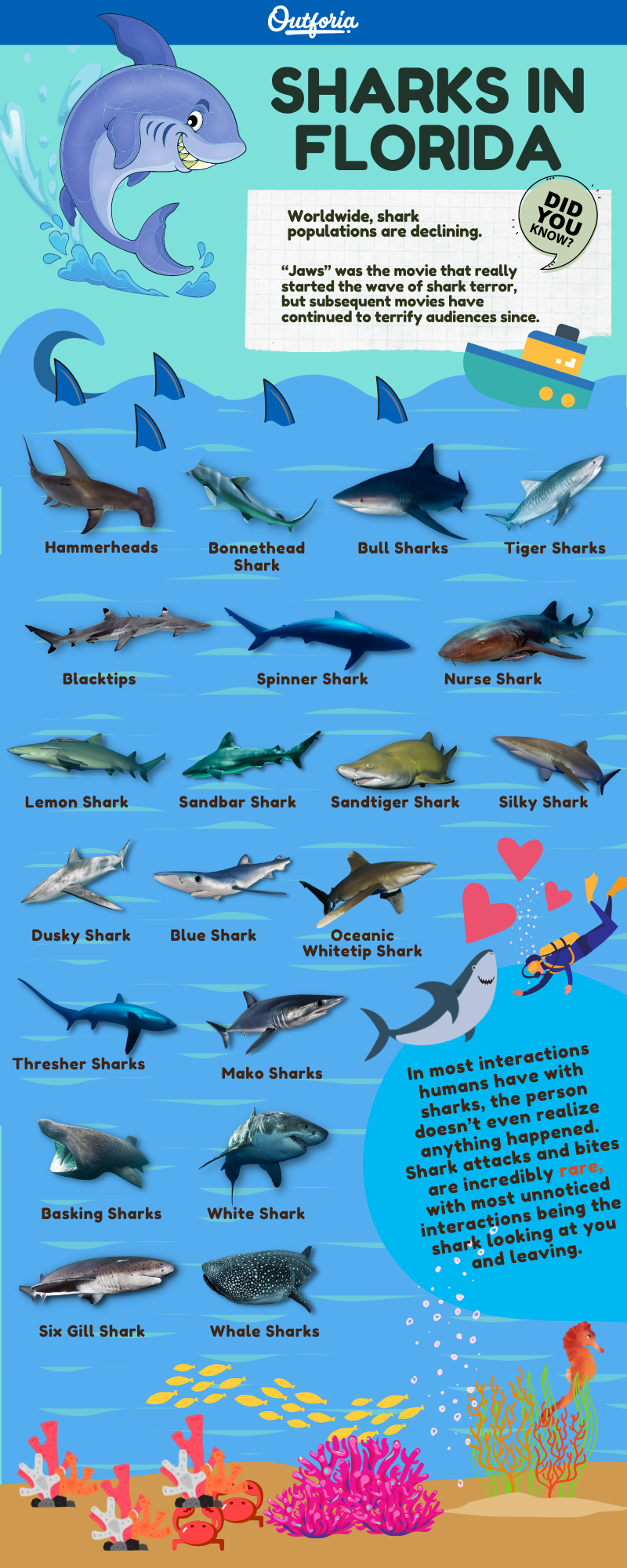
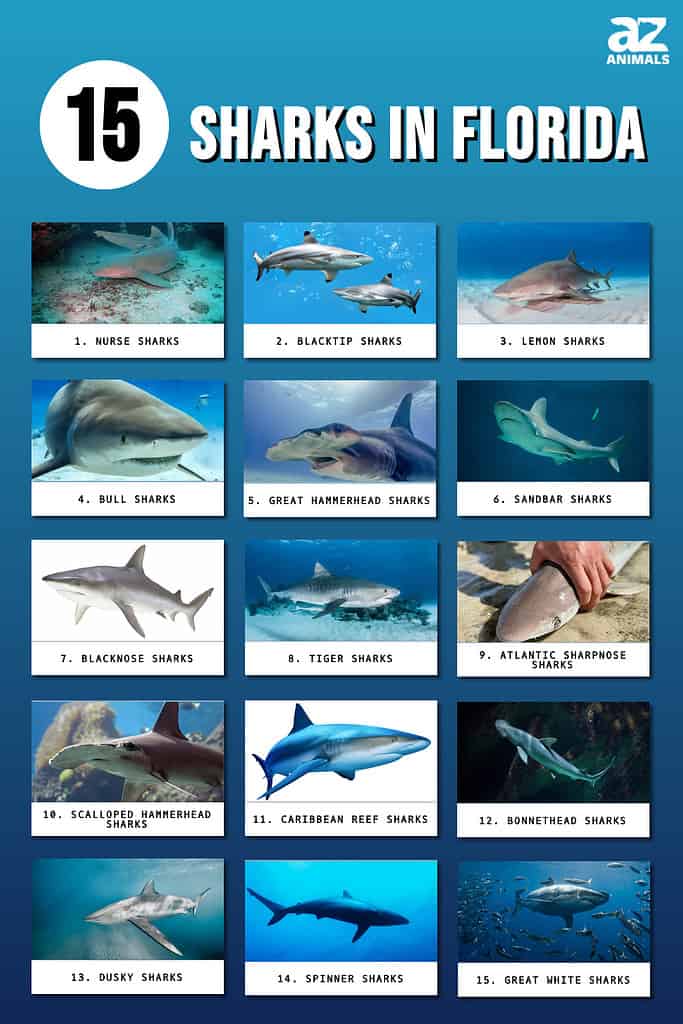
[Florida]’s waters are not home to just a few types of sharks; they host an astonishing array of species, each with its own preferred habitat and hunting strategy. This biodiversity makes [Florida] a fascinating destination for marine enthusiasts and researchers alike. From the iconic giants of the deep to the more common coastal dwellers, the state’s diverse environments cater to a wide range of elasmobranchs.The Coastal Crowd: Blacktips, Spinners, and Bull Sharks
Among the most frequently encountered sharks in [Florida]’s nearshore waters are the [Blacktip Shark] and the [Spinner Shark]. These species are known for their acrobatic feeding behaviors, often leaping out of the water while hunting schools of fish, especially during the aforementioned mullet run. They are fast, agile predators that thrive in the shallow, warm waters close to shore, making them common sightings for beachgoers, particularly along the [Atlantic Ocean] coast near places like New Smyrna Beach.
Another significant resident is the Bull Shark, a formidable predator known for its aggressive nature and unique ability to tolerate freshwater. This tolerance allows [Bull Sharks] to venture far into rivers and estuaries, extending their range beyond typical marine environments. Their presence in brackish and even freshwater systems, such as the St. Johns River or canals near urban centers like Fort Lauderdale, means they can be found in unexpected places, further contributing to the perception of high shark activity in [Florida]. They are opportunistic feeders and play a crucial role in maintaining the balance of the estuarine ecosystem.
Giants and Gentle Giants: Tiger Sharks, Hammerheads, and Nurse Sharks
While less common in very shallow waters, larger and equally impressive species also frequent [Florida]’s coasts. Tiger Sharks are nomadic predators known for their distinctive stripes and incredibly diverse diet. They are often found in deeper coastal waters and around reef systems, making areas like the [Florida Keys] and the [Gulf of Mexico] prime locations for their presence. Hammerhead Sharks, easily recognizable by their unique head shape, are also prominent. Different species, like the great [Hammerhead Shark] and scalloped [Hammerhead Shark], can be found, often migrating along the coast in search of their preferred prey, such as stingrays and other sharks.
On the gentler side, the [Nurse Shark] is a common sight in the shallow, tropical waters of [Florida], especially around coral reefs and rocky bottoms. These bottom-dwelling sharks are largely nocturnal and generally docile, posing little threat to humans unless provoked. They are a favorite among divers and snorkelers for their calm demeanor and often curious nature, offering a chance for respectful interaction in their natural habitat. Likewise, the [Lemon Shark], named for its yellowish-brown color, is frequently found in mangroves and estuaries, serving as another example of [Florida]’s robust and diverse shark community.

Even the formidable Great White Shark makes an appearance in [Florida] waters, particularly during the winter months. While not a permanent resident, juvenile and sub-adult [Great White Sharks] migrate south from colder northern waters to feed and mature in the warmer, prey-rich environments of the southeastern [United States], including the [Atlantic Ocean] coast of [Florida]. This seasonal migration adds another layer to the state’s shark diversity, albeit with a species typically associated with more temperate regions.
Coexistence and Conservation: Sharing Florida’s Waters
The high concentration of sharks in [Florida] naturally leads to discussions about human-shark interactions. While headlines often sensationalize shark incidents, it’s crucial to understand the context and the reality of sharing the ocean with these magnificent creatures. For travelers, understanding these dynamics is key to a safe and enjoyable experience in [Florida]’s waters.
Understanding Shark Activity and Safety Measures
[Florida] consistently leads the world in reported shark bites, a statistic that can be alarming but requires careful interpretation. The high number is not necessarily due to unusually aggressive sharks, but rather a direct correlation with the immense popularity of [Florida]’s beaches and its year-round appeal for water activities. Millions of people enter the water daily across the state, creating more opportunities for incidental encounters. Places like [New Smyrna Beach] in Volusia County are often cited as the “Shark Attack Capital of the World” due to their unique combination of abundant baitfish, strong currents, and a high volume of surfers and swimmers.However, the vast majority of these incidents are not predatory attacks but rather “test bites” or cases of mistaken identity, where a shark may confuse a human limb with a fish, especially in murky water or during twilight hours. The bites are rarely fatal, and serious injuries, while traumatic, are uncommon. To minimize risk, visitors are advised to follow simple safety guidelines: swim in groups, avoid swimming at dawn or dusk, steer clear of areas where fishermen are active or where baitfish schools are visible, and avoid wearing shiny jewelry that can mimic fish scales. Many [Florida] beaches have lifeguards who monitor conditions and can provide valuable local advice. Staying informed about local conditions and heeding warnings are paramount for a safe beach experience.
The Imperative of Shark Conservation
Beyond safety, the presence of so many sharks in [Florida] underscores the critical importance of marine conservation. Sharks are vital to the health of ocean ecosystems; as apex predators, they help maintain the balance of marine populations by culling the weak and diseased. Their decline can have cascading effects throughout the food web, leading to ecosystem instability.
[Florida] is at the forefront of shark research and conservation efforts. Institutions like the Mote Marine Laboratory & Aquarium in Sarasota and the Florida Aquarium in Tampa conduct extensive studies on shark migration patterns, breeding habits, and population health. These efforts are crucial for informing policy decisions regarding fisheries management and protected areas. Responsible tourism also plays a role, with operators often educating guests on the importance of sharks and sustainable practices.Visitors interested in marine life can engage in various educational and eco-tourism experiences. Many resorts and tour companies in coastal cities like Naples, Key West, and Pensacola offer snorkeling or diving excursions that allow for observation of sharks in their natural habitats from a respectful distance. These experiences, coupled with visits to world-class aquariums, provide invaluable opportunities to learn about these creatures and support their protection. Choosing eco-certified tour operators ensures that your travel contributes positively to conservation rather than negatively impacting fragile marine environments.
Experiencing Florida’s Marine Life: Travel, Tourism, and Education
For travelers, [Florida]’s rich marine environment offers unparalleled opportunities for unique experiences, ranging from thrilling water sports to educational encounters. The state’s focus on tourism ensures that there are numerous ways to safely interact with, and learn about, its aquatic residents, including its many sharks.
Shark-Related Tourism and Educational Attractions
While swimming directly with wild, large predatory sharks is often discouraged, [Florida] offers controlled and educational ways to get up close to these animals. Shark diving tours, often cage-free for more docile species like [Nurse Sharks] and [Lemon Sharks] in the [Florida Keys], provide an exhilarating experience for certified divers. These tours prioritize diver safety and shark welfare, often working with marine biologists to ensure minimal disturbance to the animals. Such experiences cater to a niche within luxury travel and adventure tourism, allowing enthusiasts to witness sharks in their natural element.
For those preferring a dryer or more accessible experience, [Florida]’s world-class aquariums are essential attractions. The [Florida Aquarium] in [Tampa] and the [Mote Marine Laboratory & Aquarium] in [Sarasota] are prime examples. These facilities offer immersive exhibits, educational programs, and often host resident sharks. Visitors can view various species through massive acrylic windows, learn about their biology, behavior, and the threats they face, and even participate in behind-the-scenes tours or animal encounters (such as hand-feeding stingrays, which are relatives of sharks). These institutions play a vital role in dispelling myths about sharks and promoting conservation, making them perfect stops for family trips and educational outings.
Beyond aquariums, numerous eco-tours operate from destinations like St. Petersburg and the Emerald Coast, focusing on the broader marine ecosystem. While not exclusively shark-centric, these tours often highlight the role of sharks within the food web and provide opportunities to spot them alongside dolphins, manatees, and diverse fish species. These excursions often feature expert guides who share insights into local culture, ecology, and the importance of preserving [Florida]’s natural beauty.
Planning Your Visit: Accommodation and Lifestyle Choices
When planning a trip to [Florida] with an interest in its marine life, accommodation choices can significantly enhance the experience. Many coastal resorts and hotels offer direct access to beaches, marinas, and tour operators. Whether you prefer the opulent suites of a luxury resort in Palm Beach or a family-friendly apartment rental in Cocoa Beach, there are options to suit every lifestyle and budget. Resorts often provide amenities like private beach access, watersports rentals, and concierge services that can arrange shark-related excursions or visits to nearby marine attractions.
Booking in advance, especially during peak season, is always recommended. Travelers can compare reviews and prices for various accommodations – from villas and suites to more budget-conscious options – through online platforms to find the perfect base for their adventures. Many hotels in [Florida]’s tourist hubs understand the appeal of marine life and often partner with local conservation groups or offer themed packages.
Ultimately, the reason there are so many sharks in [Florida] is a testament to the state’s vibrant, healthy, and incredibly diverse marine ecosystem. Far from being a deterrent, this abundance presents a unique opportunity for travelers to connect with nature, learn about these essential ocean predators, and contribute to their ongoing conservation. By embracing responsible travel practices and understanding the natural world, visitors can safely enjoy the unparalleled beauty and thrilling wildlife that make [Florida] an extraordinary destination.
LifeOutOfTheBox is a participant in the Amazon Services LLC Associates Program, an affiliate advertising program designed to provide a means for sites to earn advertising fees by advertising and linking to Amazon.com. Amazon, the Amazon logo, AmazonSupply, and the AmazonSupply logo are trademarks of Amazon.com, Inc. or its affiliates. As an Amazon Associate we earn affiliate commissions from qualifying purchases.