
Often hailed as the “Sunshine State,” Florida conjures images of endless golden beaches, vibrant theme parks, and idyllic, sun-drenched days. While this perception holds true for a significant portion of the year, visitors and new residents are often surprised by the intensity and frequency of its rainfall. Far from being a gloomy anomaly, the frequent downpours are a fundamental characteristic of Florida’s unique climate and play a crucial role in shaping its landscape, ecosystems, and even the local lifestyle. Understanding why it rains so much in Florida is key to appreciating its natural beauty and planning the perfect trip, regardless of the season.

This article delves into the meteorological forces that make Florida one of the wettest states in the United States, offering insights for travelers, exploring how locals adapt, and revealing the hidden benefits of these often-dramatic weather events. From the daily afternoon thunderstorms of summer to the more formidable threats of tropical storms and hurricanes, we’ll uncover the science behind the showers and provide practical advice for making the most of your Florida adventure, come rain or shine.
The Sunshine State’s Wet Secret: Understanding Florida’s Climate
Florida’s geographic location, nestled between the Atlantic Ocean to the east and the Gulf of Mexico to the west, with the Caribbean Sea to its south, is the primary driver of its distinctive weather patterns. This peninsular state experiences a humid subtropical climate in its northern and central regions and a tropical climate in its southern tip, including areas like Miami and the Florida Keys. This tropical influence means that warm temperatures are prevalent year-round, and with warmth comes moisture – lots of it.
Subtropical Rhythms: The Annual Cycle of Rain
Florida experiences distinct wet and dry seasons, a rhythm crucial for understanding its rainfall patterns.
- Dry Season (October/November to April/May): During these months, especially in winter, Florida enjoys some of its most pleasant weather. Cooler temperatures, lower humidity, and significantly less rain make this period ideal for tourists seeking sun-soaked escapes. Frontal systems occasionally bring brief periods of rain, but these are typically less intense and widespread than summer showers.
- Wet Season (May/June to September/October): This is when Florida truly earns its “wet” reputation. Summer is characterized by high temperatures, oppressive humidity, and almost daily afternoon thunderstorms. These storms are typically short-lived but intense, often bringing torrential downpours, lightning, and strong winds. While they can be disruptive, they also provide a welcome, albeit temporary, cool-down from the heat. This period also coincides with the Atlantic hurricane season, which officially runs from June 1st to November 30th.
The Engines of Precipitation: Sea Breezes and Convection
The most common cause of Florida’s daily summer thunderstorms is a phenomenon driven by the state’s unique geography: the interaction of sea breezes. As the sun heats the land during the day, the air above it warms and rises. Cooler, denser air from the surrounding oceans then rushes in to take its place. This creates a “sea breeze” effect.
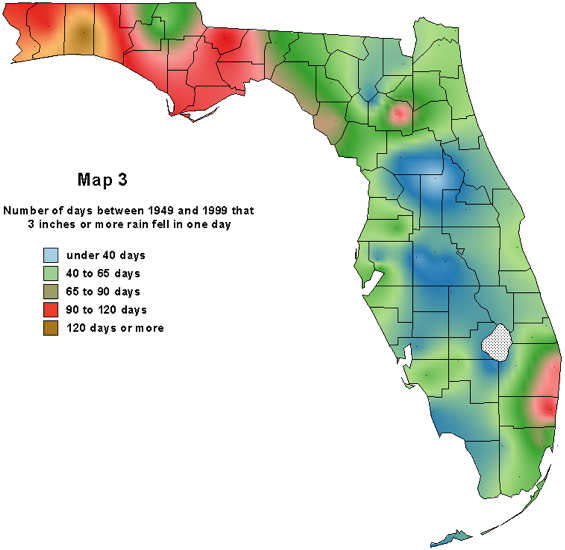
When these sea breezes from the Atlantic Ocean and the Gulf of Mexico converge over the center of the peninsula, they force the warm, moist air upwards. As this humid air ascends, it cools, and the water vapor condenses into towering cumulonimbus clouds, leading to the dramatic afternoon thunderstorms Florida is famous for. This process, known as convection, is incredibly efficient at generating rainfall.
Cities like Orlando and Tampa, located in Central Florida, are particularly susceptible to these convergence zones, often experiencing some of the highest thunderstorm frequencies in the United States. These storms are usually localized, meaning one area might experience a torrential downpour while a neighborhood just a few miles away remains dry and sunny. They typically build up in the early afternoon, unleash their fury for an hour or two, and then dissipate, allowing the sun to peek through again before sunset.
Tropical Threats: From Depressions to Hurricanes
Beyond the daily convective storms, Florida’s location in the subtropics makes it highly vulnerable to tropical weather systems originating from the Atlantic Ocean, Gulf of Mexico, or Caribbean Sea.
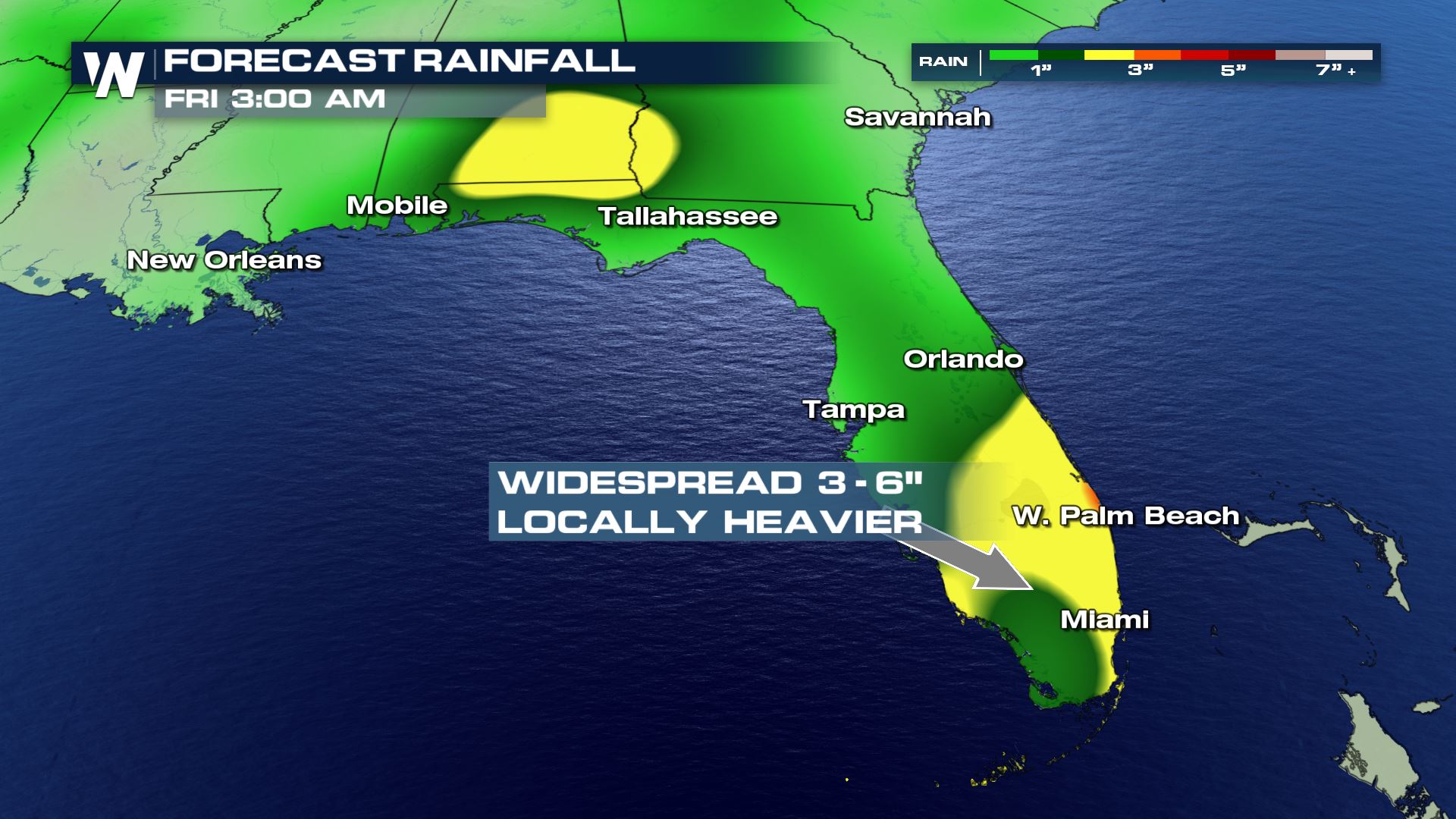
- Tropical Depressions and Storms: These systems bring widespread, continuous rain over several hours or even days, often accompanied by strong winds. While not as powerful as hurricanes, they can still cause significant flooding, especially in low-lying areas or cities with less efficient drainage systems like Fort Lauderdale or parts of Miami Beach.
- Hurricanes: The most severe form of tropical weather, hurricanes are large, rotating storm systems that bring extreme winds, torrential rainfall, storm surge, and often widespread damage. Florida has a long history of being impacted by these powerful storms, with specific regions like South Florida and the Panhandle being particularly vulnerable. While direct hurricane hits are less frequent than daily thunderstorms, their potential for devastation makes hurricane preparedness a crucial aspect of life and travel in Florida during the wet season. Forecasting has improved dramatically, providing residents and visitors with ample warning to take precautions or evacuate.
Navigating Florida’s Rainy Seasons: A Traveler’s Guide
For those planning a trip to Florida, understanding the state’s rainfall patterns isn’t a deterrent but rather a guide to planning a more enjoyable and seamless experience. Florida’s tourism infrastructure is well-equipped to handle various weather conditions, offering a plethora of options for every kind of day.
Planning Your Visit: Best Times and Flexible Itineraries
If your primary goal is to avoid rain and enjoy maximum sunshine, the dry season (late autumn to early spring) is your best bet. From November to April, temperatures are milder, humidity is lower, and clear skies are more common, making it ideal for beach activities, outdoor sports, and exploring natural parks like Everglades National Park.
However, visiting during the wet season (summer) has its advantages too, particularly for budget travelers. Airfares and hotel rates can be lower, and the afternoon storms, while intense, rarely last all day. They often provide a refreshing break from the heat, and parks and attractions can be less crowded immediately after a shower.
Key planning tips:
- Pack Smart: Always bring lightweight rain gear (a compact umbrella or a light rain jacket) and waterproof shoes, especially if traveling during summer.
- Stay Flexible: Don’t schedule every moment of your day. Leave room for spontaneous changes due to weather. Many outdoor activities can be rescheduled.
- Monitor Forecasts: Keep an eye on local weather forecasts, which are highly accurate for predicting the timing of daily thunderstorms. The “scattered showers” forecast is a summer staple.
- Early Bird Gets the Worm: Plan outdoor activities for the morning, as thunderstorms typically build in the afternoon.
Embracing Indoor Adventures: Attractions Beyond the Sun
Even when the skies open up, Florida offers an incredible array of indoor attractions that promise adventure, education, and entertainment. This is where Florida’s diverse tourism offerings truly shine, catering to all ages and interests.
- World-Class Museums: Dive into art, history, and science at institutions like the Pérez Art Museum Miami, the Salvador Dalí Museum in St. Petersburg, or the Kennedy Space Center Visitor Complex on the Space Coast. St. Augustine, the nation’s oldest city, offers historic indoor tours of its ancient buildings.
- Aquariums and Marine Centers: Explore vibrant underwater worlds at the Florida Aquarium in Tampa, the Miami Seaquarium, or the Clearwater Marine Aquarium, home to Winter the dolphin. These provide captivating educational experiences for the whole family.
- Shopping Extravaganza: Florida boasts an abundance of upscale malls and outlet centers. From Aventura Mall and Sawgrass Mills in South Florida to the Mall at Millenia in Orlando, you can easily spend hours exploring shops, dining, and entertainment without getting wet.
- Theme Park Magic (Rain or Shine): While Florida’s theme parks, such as Walt Disney World Resort and Universal Orlando Resort, have many outdoor attractions, they also feature numerous indoor rides, shows, and dining experiences. A sudden downpour can even lead to shorter lines for popular indoor attractions! Many parks also offer rain checks or covered queues.
- Entertainment Complexes: Places like ICON Park Orlando offer various indoor activities, including Madame Tussauds, SEA LIFE Orlando Aquarium, and the Museum of Illusions.
Smart Accommodation Choices for Wet Weather
When choosing hotels, resorts, or alternative accommodations in Florida, consider amenities that enhance your stay during rainy periods.
- Indoor/Covered Access: Look for hotels with covered walkways, indoor parking, or direct access to convention centers, restaurants, or shops, especially if you’re in a city like Jacksonville or Orlando.
- On-Site Amenities: Resorts that offer extensive indoor facilities like spas, fitness centers, game rooms, indoor pools, or multiple dining options can turn a rainy day into a luxurious retreat. For families, look for kids’ clubs or entertainment programs.
- Spacious Rooms/Suites: If you anticipate spending more time indoors, a suite or a room with a comfortable sitting area can make a big difference, offering space to relax and unwind.
- Strategic Location: Choose accommodation close to major indoor attractions or public transport hubs, minimizing your exposure to the elements during transit.
Life Under the Clouds: Adapting to Florida’s Downpours
For residents and the state’s natural environment, Florida’s rain is not just a weather phenomenon but a fundamental aspect of life and ecology.
The Ecological Impact: A Green and Lush Landscape
While the rain can be inconvenient for a beach day, it is absolutely vital for Florida’s unique and diverse ecosystems.
- Everglades National Park: The constant replenishment of water is crucial for the survival of the Everglades, a vast subtropical wilderness. The rain supports its sawgrass marshes, cypress swamps, and mangrove forests, providing habitats for iconic wildlife like alligators, panthers, and diverse bird species. Without the wet season, this delicate ecosystem would not thrive.
- Lush Vegetation: The abundant rainfall contributes to Florida’s vibrant green landscapes, from tropical foliage in South Florida to pine forests in North Florida. Gardens, parks, and even urban areas burst with life after a good rain.
- Water Supply: The summer rains are essential for replenishing Florida’s aquifers, which serve as the primary source of drinking water for much of the state.
Local Lifestyle and Staying Prepared
Floridians have developed a unique relationship with the rain. It’s often viewed as a predictable part of summer life rather than an unexpected disruption.
- Afternoon Ritual: Locals often plan their outdoor activities for the morning, knowing that by afternoon, the clouds will likely roll in. The sound of rain on a tin roof or the distant rumble of thunder becomes a familiar summer soundtrack.
- Preparedness: Many homes and businesses are built with the rain in mind, featuring covered entrances, durable outdoor furniture, and efficient drainage. Awareness campaigns for hurricane preparedness are also a regular occurrence.
- Driving Conditions: Driving during heavy downpours requires caution, as visibility can be severely reduced, and roads can become slick. Locals are accustomed to these conditions and often slow down significantly.
The Upsides of the Downpour: Unique Experiences
It might seem counterintuitive, but rainy days in Florida can offer unique and memorable experiences.
- Dramatic Skies: The build-up of summer storm clouds can create incredibly dramatic and beautiful skyscapes, perfect for photography enthusiasts. The sunsets after an afternoon storm are often vivid and spectacular.
- Refreshing Breaks: The cooling effect of a summer storm is a welcome respite from the intense heat and humidity. The air often feels fresher and cleaner immediately afterward.
- Less Crowds: Sometimes, a sudden downpour can thin out crowds at popular outdoor attractions, allowing you to enjoy them with fewer people once the rain passes.
- Cozy Retreats: A rainy afternoon provides the perfect excuse to relax in a luxurious resort spa in Sarasota, enjoy a leisurely meal at a renowned restaurant in Naples, or simply curl up with a book in your hotel room. It’s an opportunity to embrace the slower pace of vacation.
In conclusion, the seemingly incessant rain in Florida is not an accidental inconvenience but an integral part of its tropical allure. Driven by its unique geography, sea breezes, and the seasonal rhythms of convection and tropical systems, the state’s climate ensures lush landscapes, diverse ecosystems, and a vibrant lifestyle. For travelers, understanding these patterns transforms potential frustration into an opportunity for smarter planning and a deeper appreciation of all that the “Sunshine State” has to offer – come rain or glorious shine. By preparing for the occasional shower and embracing the wealth of indoor and post-rain activities, visitors can truly experience the multifaceted beauty of Florida throughout the year.
LifeOutOfTheBox is a participant in the Amazon Services LLC Associates Program, an affiliate advertising program designed to provide a means for sites to earn advertising fees by advertising and linking to Amazon.com. Amazon, the Amazon logo, AmazonSupply, and the AmazonSupply logo are trademarks of Amazon.com, Inc. or its affiliates. As an Amazon Associate we earn affiliate commissions from qualifying purchases.