
The very idea of snow gracing the palm trees and sandy beaches of Florida in 2025 might seem like a whimsical fantasy, a notion conjured from a holiday postcard that mistakenly depicted the wrong destination. After all, Florida is unequivocally known as the Sunshine State, a haven of perpetual warmth, sun-drenched coastlines, and a vibrant subtropical climate that draws millions seeking an escape from the bitter chill of northern winters. The image of delicate snowflakes falling against a backdrop of oceanfront resorts and vibrant green foliage is certainly captivating, but how realistic is it? As we delve into the meteorological possibilities, historical precedents, and the true essence of a Florida winter, we’ll explore whether 2025 could defy expectations and deliver a rare moment of wintry magic, or if the state will continue to offer its signature warm welcome to travelers.
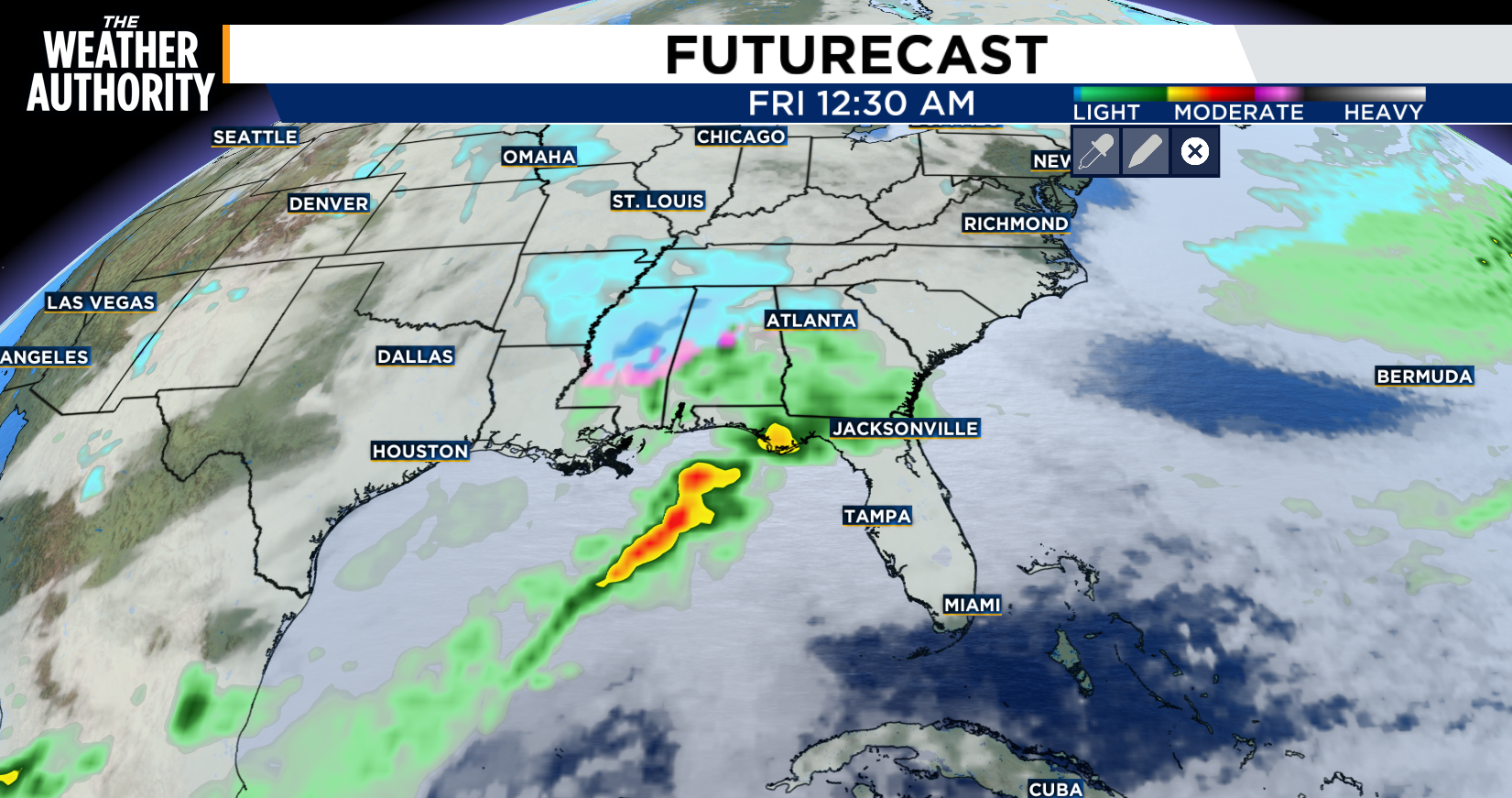
For those planning their ultimate winter escape, understanding the likelihood of such an event is key. While the prospect of snow is slim, the allure of Florida during the cooler months remains undeniable, offering a unique blend of relaxation, adventure, and cultural immersion that stands apart from its bustling summer season. From world-class attractions in Orlando to the historic charm of St. Augustine and the vibrant nightlife of Miami, the state transforms into a prime destination for winter tourism, regardless of whether a single snowflake ever falls. This article will not only address the intriguing question of snow but also guide you through what a Florida winter truly entails for travelers, encompassing everything from ideal destinations and top attractions to accommodation insights and lifestyle experiences.
A Glimpse into Florida’s Rare Winter Wonderland
The question “Will it snow in Florida 2025?” immediately sparks curiosity, primarily because it’s so contrary to the state’s established identity. Florida’s climate is predominantly subtropical, characterized by hot, humid summers and mild, relatively dry winters. This climatic profile, heavily influenced by its peninsular geography, proximity to the warm waters of the Atlantic Ocean and Gulf of Mexico, and the warm currents of the Gulf Stream, makes snowfall an extraordinary meteorological event.
The Unlikelihood: Why Snow is an Anomaly in the Sunshine State
For snow to occur, a specific set of atmospheric conditions must align perfectly. Firstly, the air temperature from the cloud base to the ground must be at or below freezing (32°F or 0°C). Secondly, there must be sufficient moisture in the atmosphere to form precipitation. While Florida certainly has moisture, especially along its extensive coastlines, sustained freezing temperatures through the entire atmospheric column are exceedingly rare, particularly in the central and southern parts of the state.
Typically, when cold fronts push down into Florida from the north, they tend to lose much of their intensity, and the ground temperatures often remain above freezing even if the air aloft briefly cools enough for ice crystals to form. What often occurs during the coldest snaps are brief flurries or frozen precipitation like sleet or grapple, which melt almost immediately upon contact with the relatively warm ground. True accumulation of snow, where it covers surfaces and lingers for any significant period, is a phenomenon usually restricted to the very northernmost counties of Florida, and even there, it’s a once-in-a-decade or rarer occurrence. The further south one travels, from Jacksonville to Orlando and down to Miami or Key West, the probability of seeing snow dwindles to near zero.
Historic Snowfall Events: When Florida Really Saw White
Despite the overwhelming odds, Florida has indeed witnessed snowfall, etching these moments into local lore. The most memorable and widespread snowfall event in modern history occurred on January 19, 1977. On this remarkable day, snow fell across much of central and even parts of southern Florida, including in places like Tampa and even areas south of Orlando. While accumulations were generally light, often less than an inch, it was enough to cause significant excitement and disruption. For many Floridians alive at the time, it remains the only time they’ve ever seen snow.
Other notable, though less extensive, events include:
- December 1894 and February 1895: These two winter months saw significant cold snaps and some of the earliest recorded snowfalls across parts of Florida.
- December 1989: A severe cold wave brought snow flurries to cities like Jacksonville and Gainesville, and some isolated flurries as far south as Daytona Beach.
- January 2010: Light flurries were reported in Tallahassee and other parts of the Florida panhandle.
- January 2018: The northern part of the state, including Tallahassee, experienced its first measurable snow in decades, with accumulations of up to 1.5 inches in some areas. This caused temporary closures and brought a rare winter spectacle to the region.
These historical anecdotes serve as powerful reminders of the extreme rarity of snow in Florida. They were products of exceptionally strong and persistent cold fronts that dipped unusually far south, combined with just enough moisture. For 2025 to replicate such an event, an equally, if not more, extraordinary meteorological alignment would be required.
Predicting the Unpredictable: Weather Outlook for 2025
Attempting to predict a specific weather event like snow in Florida for 2025 is venturing into the realm of long-range forecasting, which, especially for such an anomalous occurrence, is fraught with uncertainty. While meteorologists can offer seasonal outlooks, pinpointing a day or even a week with such precise conditions over a year in advance is currently beyond the capabilities of even the most sophisticated climate models.
The Science Behind Long-Range Forecasts and Florida’s Climate
Long-range forecasts rely on studying larger atmospheric and oceanic patterns, such as the El Niño Southern Oscillation (ENSO), the Arctic Oscillation (AO), and sea surface temperatures. These global phenomena can influence general trends in temperature and precipitation over several months. For example, during an El Niño winter, Florida tends to experience wetter-than-average conditions and cooler temperatures, especially in the central and southern regions. Conversely, a La Niña pattern often brings warmer and drier winters.

However, even a “cooler” winter in Florida typically means temperatures in the 50s and 60s Fahrenheit (10-20°C), with occasional dips into the 30s or 40s (0-10°C) during strong cold fronts. These cold snaps are usually short-lived, with temperatures quickly rebounding. For snow to form, not only would a powerful cold front be needed, but it would have to linger, bring sufficient moisture, and ensure freezing temperatures persist all the way to the ground. Predicting such a confluence of events 12-18 months out for 2025 is speculative at best. It’s safe to say that current climate models do not indicate any unusual patterns for 2025 that would significantly increase the chances of widespread snowfall in Florida. Therefore, from a scientific standpoint, the probability remains exceedingly low.
Beyond the Flurry: What Tourists Can Truly Expect from a Florida Winter
Setting aside the remote possibility of snow, a Florida winter offers an exceptional and highly desirable travel experience. For tourists, the winter months (roughly November to April) represent the state’s peak season, and for good reason. The weather is generally mild, sunny, and significantly more comfortable than the oppressive heat and humidity of summer. Average daily temperatures range from the low 60s in northern Florida to the mid-70s in the southern tip, making it ideal for outdoor activities, beach visits, and exploring attractions without the intense heat or the frequent afternoon thunderstorms common in summer.
This time of year is perfect for escaping colder climates and enjoying a truly relaxed lifestyle. The pleasant climate allows for everything from golfing on championship courses to kayaking through serene mangroves, fishing in the Gulf of Mexico, or simply lounging by a heated pool at your resort. While crowds at popular attractions like Walt Disney World Resort and Universal Orlando Resort can be higher due to holiday periods and school breaks, the overall experience is enhanced by the favorable weather. For those seeking cultural tourism or a more active vacation, the winter months provide an unparalleled opportunity to explore all that Florida has to offer.
Embracing Florida’s True Winter Charm: Beyond the Snow Fantasy
While the vision of snow in Florida remains largely a dream, the state’s actual winter offerings are far more compelling and reliably wonderful. This season is when Florida truly shines as a premier travel destination, attracting a diverse range of visitors from snowbirds seeking long-term stays to families on holiday and business travelers attending conferences in vibrant urban centers.
Top Winter Destinations and Activities in Florida
The mild winter weather opens up a plethora of destinations and activities across the state:
- Theme Parks & Family Fun: Orlando remains a magnet for families, with Walt Disney World Resort, Universal Orlando Resort, and SeaWorld Orlando offering festive events and slightly cooler temperatures for comfortable park hopping. These attractions are well-equipped to handle winter crowds, often with special holiday parades and shows.
- Beach Escapes: The beaches of South Florida, like South Beach Miami, Fort Lauderdale, and the Florida Keys, offer warm waters perfect for swimming, snorkeling, and sunbathing. The Gulf Coast cities such as Sarasota and Naples provide tranquil beaches and stunning sunsets, ideal for relaxation and water sports.
- Nature & Wildlife: Winter is prime time for wildlife viewing. Manatees congregate in warmer spring waters, making places like Crystal River and Blue Spring State Park perfect for observing these gentle giants. Everglades National Park comes alive with migratory birds, alligators, and other fascinating creatures, with cooler temperatures making airboat tours and hiking far more enjoyable.
- History & Culture: Immerse yourself in the rich history of St. Augustine, the nation’s oldest city, where landmarks like the Castillo de San Marcos tell tales of centuries past. Miami’s vibrant Art Deco Historic District and diverse cultural neighborhoods offer a different kind of exploration.
- Space Exploration: A visit to the Kennedy Space Center Visitor Complex offers an awe-inspiring look into space travel, with rocket launches often scheduled during the milder winter months.
These experiences showcase the true versatility of Florida as a winter tourism destination, providing something for every interest.
Planning Your Winter Escape: Accommodation and Lifestyle Tips
Effective planning is crucial for a memorable Florida winter vacation. The popularity of the season means that accommodation can book up quickly, especially during holidays and school breaks.
- Booking & Reviews: It is highly recommended to start your booking process well in advance, particularly if you have specific hotels or resorts in mind. Utilize online reviews and comparison tools to find the best deals and ensure your chosen stay aligns with your expectations for amenities and location. Whether you prefer luxury suites at properties like The Breakers Palm Beach, a family-friendly resort near Walt Disney World Resort like Gaylord Palms Resort & Convention Center, private villas, or fully equipped apartments for a long-term stay, Florida offers a vast array of options.
- Lifestyle Choices: Florida’s winter caters to various lifestyle preferences. For those seeking luxury travel, the high-end resorts in Palm Beach, Miami, and Naples offer exquisite dining, spa services, and exclusive access. Budget travel is also very feasible, with numerous affordable hotels, vacation rentals, and campsites available. Family trips will find an abundance of child-friendly resorts and attractions, while business stays are well-accommodated in cities with extensive convention centers and premium hotels.
- Packing Tips: While it’s called the Sunshine State, winter evenings and occasional cold fronts can bring surprisingly cool temperatures, especially in northern Florida. Pack layers, including light jackets or sweaters, in addition to your typical beachwear. Sunscreen and hats are still essential year-round.
- Local Culture and Food: Don’t miss the opportunity to explore local culture and cuisine. From fresh seafood on the Gulf Coast to authentic Cuban food in Miami’s Little Havana, Florida’s diverse culinary scene is a highlight of any trip. Many outdoor festivals and events also take place during the cooler months, offering a chance to experience the vibrant spirit of various communities.

The Allure of a Sun-Drenched Winter
In conclusion, while the headline “Will It Snow In Florida 2025?” captures the imagination, the meteorological reality strongly suggests it is highly improbable. The chances of experiencing significant or even visible snowfall in most of Florida remain infinitesimally small, making any snowfall in 2025 an extraordinary and widely celebrated anomaly, rather than an expectation.
However, the absence of snow does nothing to diminish Florida’s appeal as a premier winter travel destination. Instead, it reaffirms its status as a sanctuary from winter’s harsh grip, offering consistent sunshine, pleasantly mild temperatures, and a vast array of attractions and experiences. From the magical theme parks of Orlando to the tranquil beaches of the Gulf Coast and the vibrant culture of South Florida, a Florida winter provides the perfect setting for relaxation, adventure, and creating unforgettable memories.
So, as you plan your 2025 winter escape, focus not on the fleeting possibility of snow, but on the enduring promise of warmth, sunshine, and the unique charm that only the Sunshine State can deliver. Embrace the warmth, explore the diverse landmarks, indulge in local tourism, and enjoy the laid-back lifestyle that makes Florida an ideal choice for any winter traveler.
LifeOutOfTheBox is a participant in the Amazon Services LLC Associates Program, an affiliate advertising program designed to provide a means for sites to earn advertising fees by advertising and linking to Amazon.com. Amazon, the Amazon logo, AmazonSupply, and the AmazonSupply logo are trademarks of Amazon.com, Inc. or its affiliates. As an Amazon Associate we earn affiliate commissions from qualifying purchases.